
From Tracks to Highways: Why Travellers Are Switching from Train Ticket Booking to TSRTC Buses
This post is written by a guest contributor, Vivek Ranjan Singh.
Author Bio: Vivek is a results-driven Digital Marketing Analyst at 6s Marketers. He dedicates his analytical skills to helping tourism and travel brands build domain authority and enhance online visibility through sophisticated link-building and high-value content placement strategies. Vivek’s expertise ensures his insights are not just theoretical but deliver measurable growth in travel-related search rankings, helping businesses connect with their target audiences of travelers and adventurers.
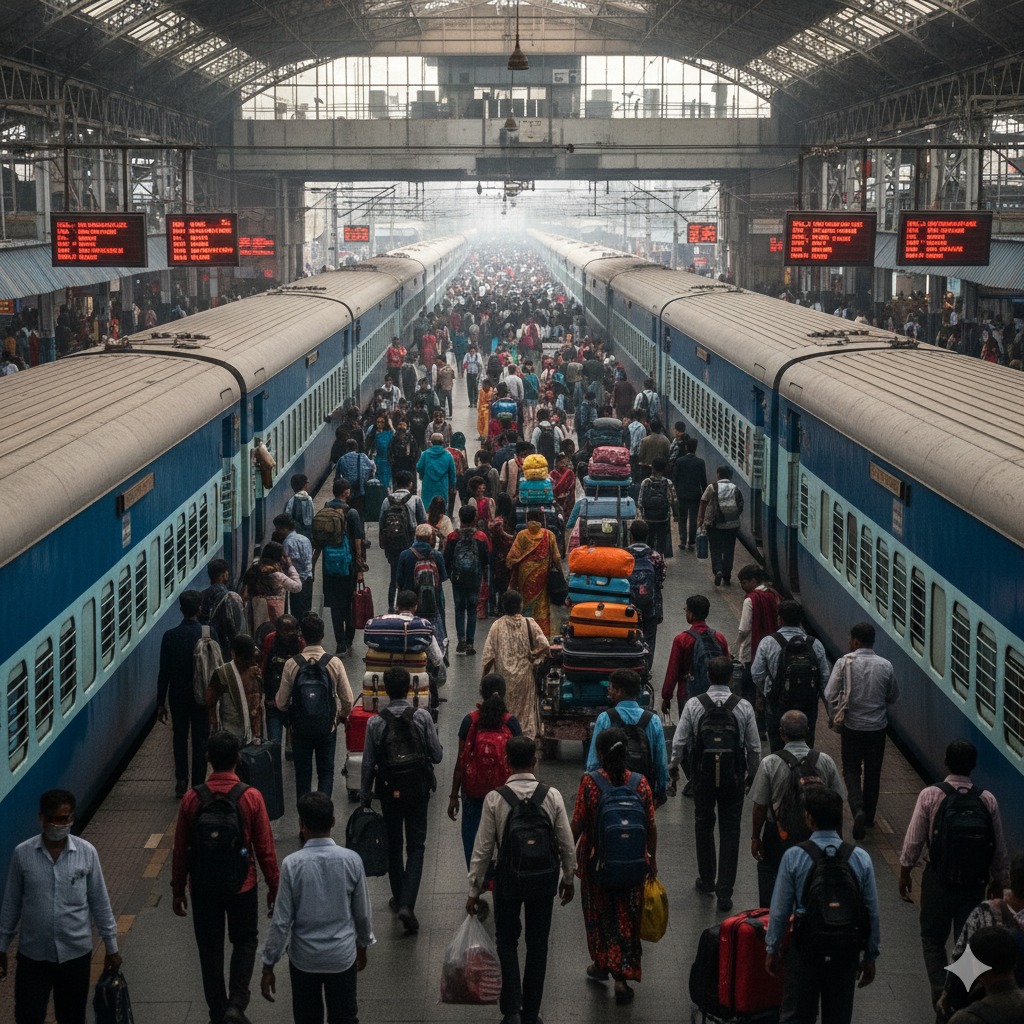
For decades, trains have been the default choice for India’s long-distance travellers. But recently, a quiet shift has been happening. More passengers who once depended on IRCTC for their journeys are exploring TSRTC buses for intercity and regional routes—especially in Telangana and Andhra Pradesh. The change isn’t just about ticket prices. It’s about flexibility, punctuality, and a growing comfort level that’s closing the gap between bus and rail travel.
India’s Evolving Intercity Travel: Bus Comfort Catching Up with Trains
India’s transport landscape is expanding fast. Over 23 million passengers travel by train daily, according to Indian Railways data. Yet, intercity bus networks like the Telangana State Road Transport Corporation (TSRTC) are seeing a steady rise in passenger numbers, particularly on popular routes under 600 kilometres.
The reasons are practical. While trains remain cost-effective, buses are increasingly competitive in terms of comfort and timing. Air-conditioned sleeper coaches, Wi-Fi-enabled services, and improved highway connectivity have made bus travel much smoother than it was a decade ago.
In states like Telangana, buses now serve as a dependable alternative for routes that trains either skip or are underserved. For example, connecting towns such as Karimnagar, Nizamabad, and Khammam often means fewer train options but multiple daily TSRTC services.
Passenger Experience: Amenities, Punctuality, and Last-Mile Convenience
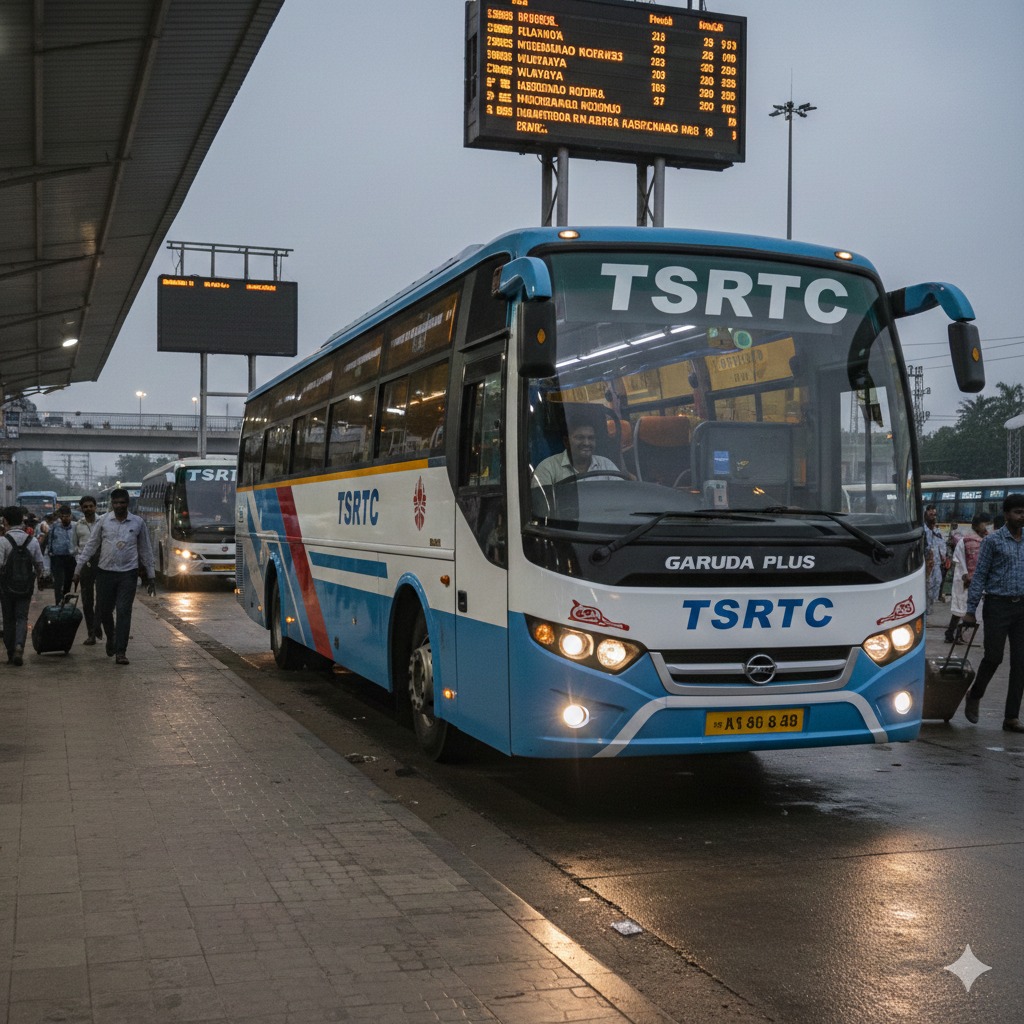
If you haven’t traveled on a TSRTC Garuda Plus or Rajadhani bus recently, you might be surprised. Modern buses feature reclining seats, individual charging ports, GPS tracking, and clean rest stops along the way. According to TSRTC’s own performance data, their premium fleet now records a 92% satisfaction rate on punctuality and comfort.
For passengers travelling between Hyderabad and Vijayawada, for example, TSRTC’s Volvo and Sleeper services complete the journey in roughly 5.5 hours, often quicker than express trains that take around 6 hours, including boarding delays.
Moreover, TSRTC’s network covers smaller towns where trains either don’t stop or have inconvenient schedules. That last-mile connectivity is a game-changer for professionals, students, and families travelling regionally.
When to Pick What: Train vs Bus for Each Type of Route
Choosing between train and bus isn’t about loyalty anymore; it’s about logic and convenience.
Pick a train when:
- The journey is overnight and covers more than 600 km (e.g., Hyderabad to Chennai).
- You need economical fares for large groups.
- You’re booking well in advance for predictable schedules.
Pick a TSRTC bus when:
- The route is short to medium distance (under 500–600 km).
- You prefer flexible departure times.
- You value punctuality and last-mile access to city centers.
- You’re booking at the last minute, so buses generally have more seats available.
Interestingly, many regular travellers are now mixing both modes: taking a train for longer legs and buses for the final connection. For instance, someone might take a train to Vijayawada and then a TSRTC bus to reach smaller towns like Eluru or Rajahmundry.
Booking Online: How to Book TSRTC Buses Easily?
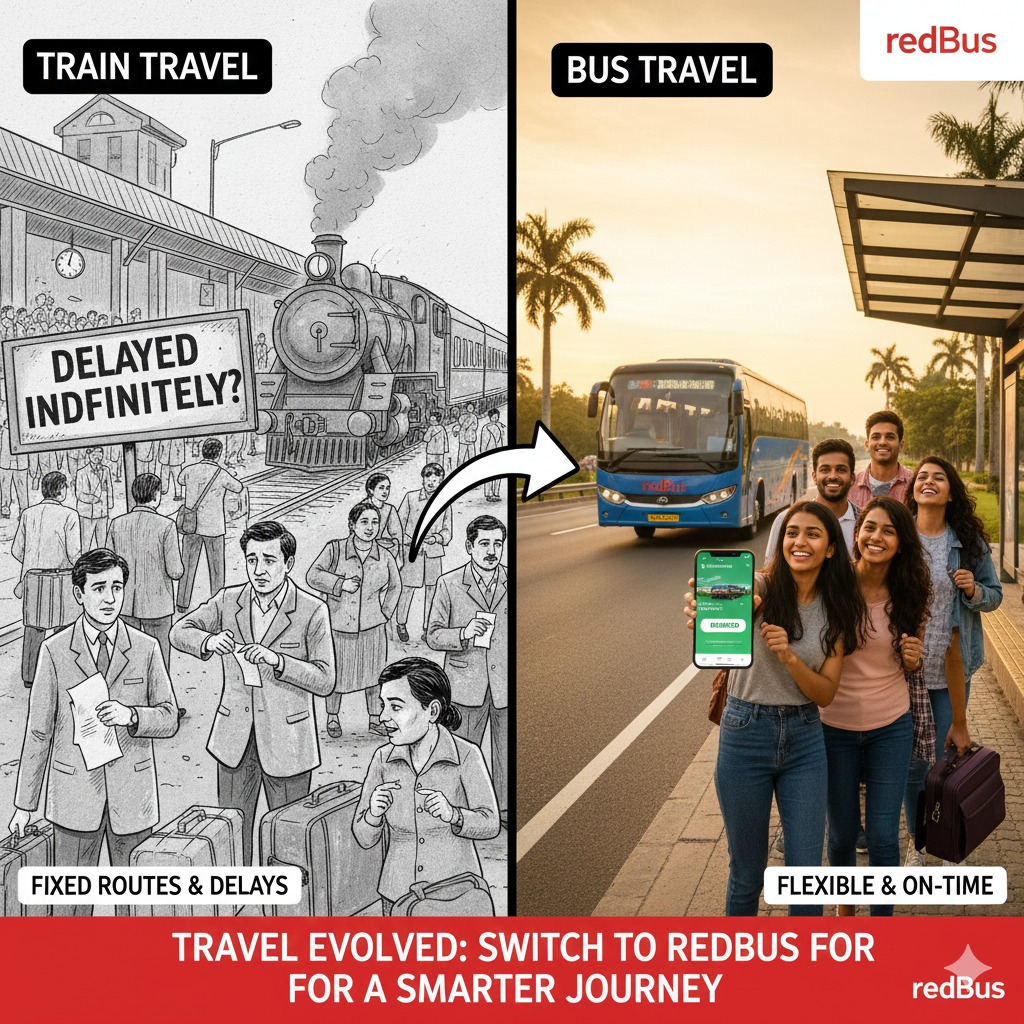
Booking a TSRTC bus ticket online is refreshingly simple. redBus remains the most reliable platform for bus booking across all TSRTC services. Here’s how to do it:
- Go to redBus.in or open the app.
- Enter your departure and destination cities, along with your travel date.
- From the operator list, choose TSRTC.
- View available bus types: Express, Super Luxury, Rajadhani, Garuda Plus, etc.
- Select seats, boarding points, and drop-off points.
- Pay securely using UPI, card, or wallet.
- You’ll receive an e-ticket instantly, which you can show on your phone at the boarding gate.
The process takes barely two minutes and doesn’t require logging into multiple government portals. For many young travellers, that ease has become the new normal.
Why Travellers Are Mixing Both Modes for Flexibility?
India’s travellers are no longer rigid about sticking to one mode of transport. With improved highways and upgraded buses, TSRTC is redefining how people move between cities. What used to be a slow, bumpy ride is now a clean, safe, and time-efficient option that complements the railway network rather than competing with it.
For students, professionals, and families alike, the choice is now about flexibility and time value, not just fares. The country’s travel future looks more hybrid, where highways and tracks work together to connect India’s growing mobility map.
Tags:
Share:



About Me
I travel to collect stories, slowly and meaningfully, with an open heart. I wander a little farther for good food, linger longer to understand a place, and write so I can call it “work.” A slow traveller at heart, I believe in experiences over checklists, in moments that unfold at their own pace, and in connections that stay long after the journey ends.
An absolute foodie and die-hard mountain lover, I find my happiest moments in quiet Himalayan towns with a cup of lemon-honey-ginger tea in hand. Over the years, I’ve had the joy of exploring places across India and beyond, each trip teaching me something new about people, cultures, and myself. When I’m not lost in thought or coffee, you’ll find me exploring the world one destination at a time, always looking for places that make me feel something. I love to read and write (give me a book and I’ll love you all the more) and share honest insights, real photos, and thoughtful recommendations from my own travels, so you can experience every place a little deeper, a little slower, and with just the right touch of comfort.
 Pinterest
  Linkedin
  MuckRack
Exploring The World, One Place At a Time!