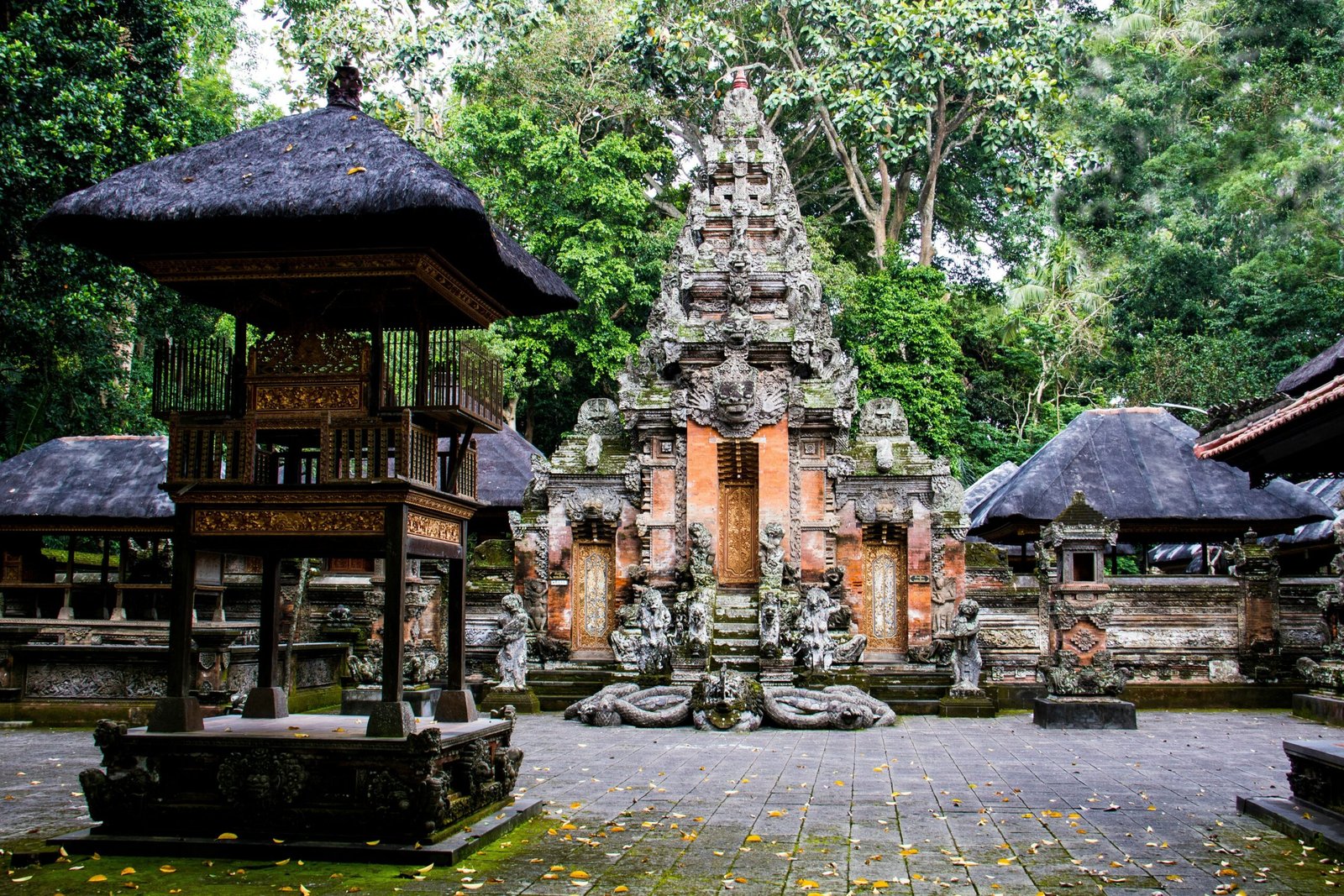

10 Best Experiences in Bali, Beyond Beach Clubs and Bali Swing!
After two trips to Bali, I’ve realised that there’s so much more to the island than beach clubs, infinity pools, and the famous Bali Swing. From watching the sunrise over Mount Batur and exploring ancient temples to discovering hidden beaches, indulging in a Balinese massage, and sharing a home-cooked meal with a local family, here are the 10 best experiences in Bali that I would wholeheartedly recommend.

Kecak dance in Uluwatu Temple, overlooking the sunset. This is something you shouldn’t miss!
Instagram has a way of changing the way we travel. A photograph of a turquoise waterfall, a swing suspended above a valley, or a woman posing in front of a Balinese temple gate goes viral, and before long, everyone wants to visit the same place. The photographs get prettier, the queues get longer, and sometimes, the place itself seems to lose a little of its charm.
Bali, perhaps more than most destinations, has experienced this transformation. Over the years, this Indonesian island has become synonymous with beach clubs, infinity pools, elaborate floating breakfasts, and the famous Bali Swing. There is nothing wrong with enjoying any of these experiences, of course. But if your idea of Bali begins and ends with a cocktail by the pool and a photograph in front of a perfectly framed landscape, you might be missing out on what makes the island so special!
Beyond the ‘gram-famous attractions lies a Bali of ancient temples, volcanic landscapes, hidden coastal corners, fragrant spice pastes, traditional healing practices, and family kitchens where recipes have been passed down through generations.
On my travels, I have come to appreciate the experiences that allow me to connect with a destination rather than simply collect photographs of it. And Bali offers plenty of opportunities to do just that. Whether it is watching the sun rise over an active volcano, learning to make your own perfume, or sharing a home-cooked meal with a Balinese family, these are the experiences that invite you to slow down and look beyond the obvious.
Here are 10 best experiences in Bali that deserve a place on your itinerary, beyond beach clubs and the Bali swing!
1. Watch the Sunrise from Mount Batur

Watching the sunrise at Mt. Batur, with my friends: Dipti and Sanj.
There is something rather magical about watching the world wake up from the summit of a volcano! The alarm goes off in the middle of the night, you pull yourself out of bed, and you begin the journey towards Mount Batur under a sky scattered with stars. It is hardly the most comfortable start to a holiday, but the promise of sunrise makes the early morning worthwhile.
Mount Batur is an active volcano in Bali’s Kintamani region, overlooking the vast caldera and Lake Batur. The trek usually begins in the early hours, with hikers making their way up the volcanic slopes in darkness. The trail can be steep and rocky in places, but as the sky begins to lighten, the landscape slowly reveals itself. But there’s an easier option too — which we opted for! You can take a 4X4 jeep to the top, without hiking all the way, and just enjoy the sunrise.
Shades of pink and orange spill across the horizon, the surrounding mountains emerge from the darkness, and the lake catches the first light of the morning. On a clear day, the views are spectacular. Carry a warm layer, wear proper walking shoes (if you plan to hike), and book a reputable local guide.
P.S.: Conditions on the mountain can change, so check current trail access and weather before setting out.
2. Explore the Temples of Ubud
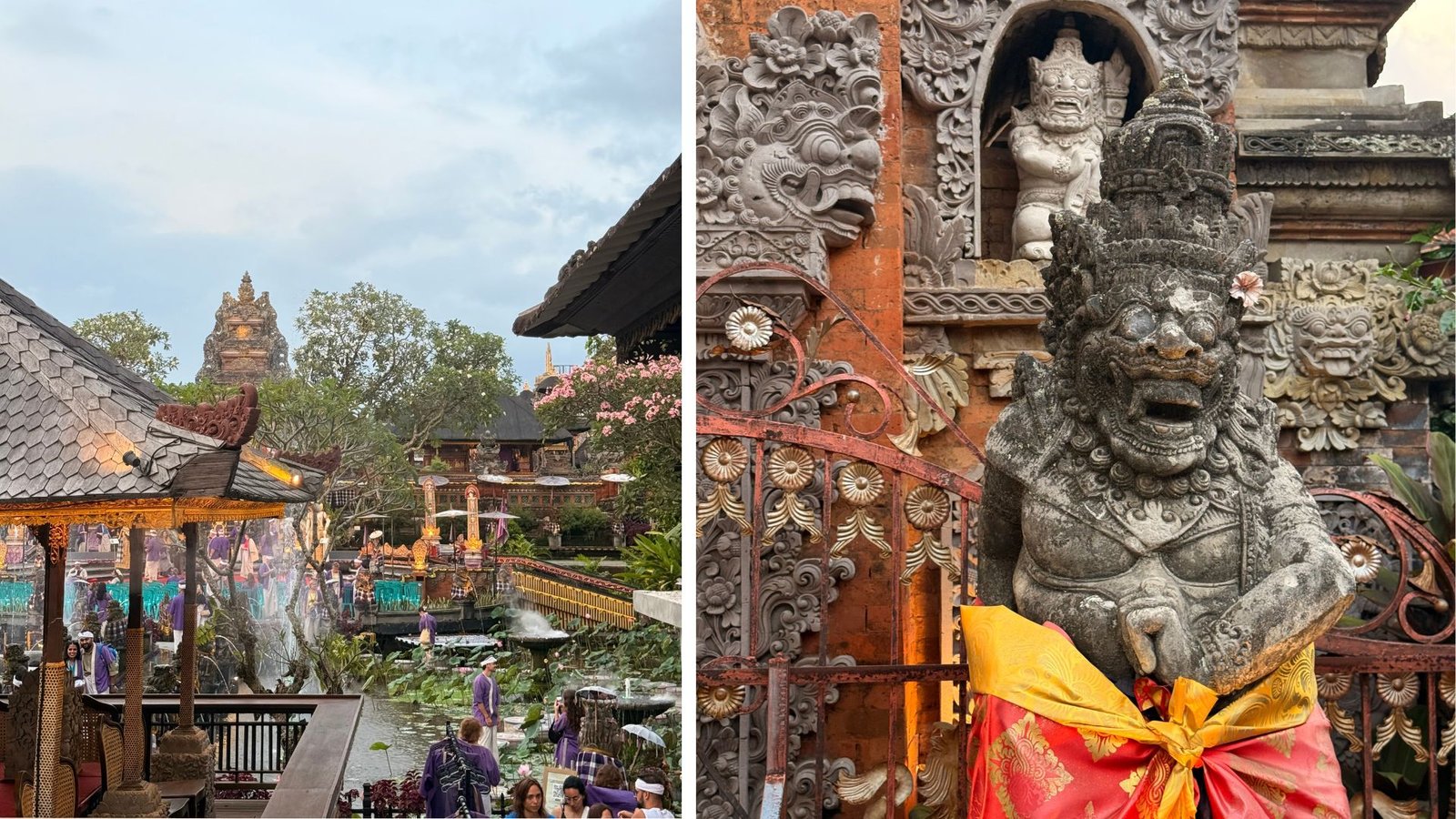
The Saraswati Temple of Ubud (left) and a statue outside Ubud Palace (right).
Bali’s temples are among its most recognisable landmarks, but they are also among the easiest places to experience as little more than a photo opportunity. Walk beyond the entrance, however, and you begin to discover a much deeper story.
Hinduism shapes much of everyday life in Bali, from the small offerings of flowers and incense placed outside homes and shops to the ceremonies that bring entire communities together. Temples are an important part of this spiritual landscape, and exploring them with curiosity offers a glimpse into the island’s living traditions.
Start with Pura Taman Saraswati in Ubud, a beautiful temple dedicated to Saraswati, the Hindu goddess of knowledge and the arts. Its lotus-filled ponds and intricate stonework make it particularly striking. The temple is centrally located, making it easy to combine with a walk through Ubud’s streets.
You could also visit Goa Gajah, or the Elephant Cave, a historic archaeological site just outside Ubud, known for its intricately carved entrance and sacred surroundings. For a different perspective, head towards Tirta Empul, where Balinese Hindu worshippers participate in purification rituals at the temple’s holy springs.
Rather than rushing between temples, take time to understand their significance. Dress modestly, follow the rules around sacred spaces, and be mindful when photographing worshippers.
3. Go Café-Hopping in Uluwatu

What we ate at Suka Uluwatu (left) and Ulu Garden (right)!
Uluwatu is often associated with dramatic cliffside sunsets, surf breaks, and stylish beach clubs. But spend a little time exploring its café scene, and you will discover another reason to linger in this part of southern Bali.
The neighbourhoods around Uluwatu and the Bukit Peninsula are home to independent cafés, speciality coffee shops, and laid-back eateries where the atmosphere is just as inviting as the menu. Think good coffee, tropical greenery, freshly baked pastries, smoothie bowls, and dishes that bring together Indonesian ingredients and international influences.
You could spend the morning exploring the café around Bingin, Padang Padang, or the roads leading towards Uluwatu Temple. Many establishments cater to a mix of surfers, remote workers, long-term residents, and holidaymakers, giving the area a distinctive international atmosphere. I would definitely recommend visiting Ulu Garden, Suka, and The Loft Uluwatu — they’re all amazing!
Of course, café-hopping might not sound like an extraordinary travel experience. But there is something lovely about discovering a place through its everyday rituals, whether that means a morning espresso, a conversation with a barista, or a leisurely breakfast before heading to the coast. And I believe that sometimes, the best travel days are the ones that leave enough room for an unplanned second cup of coffee!
4. Discover Bali’s Dramatic Beaches Beyond the Crowds
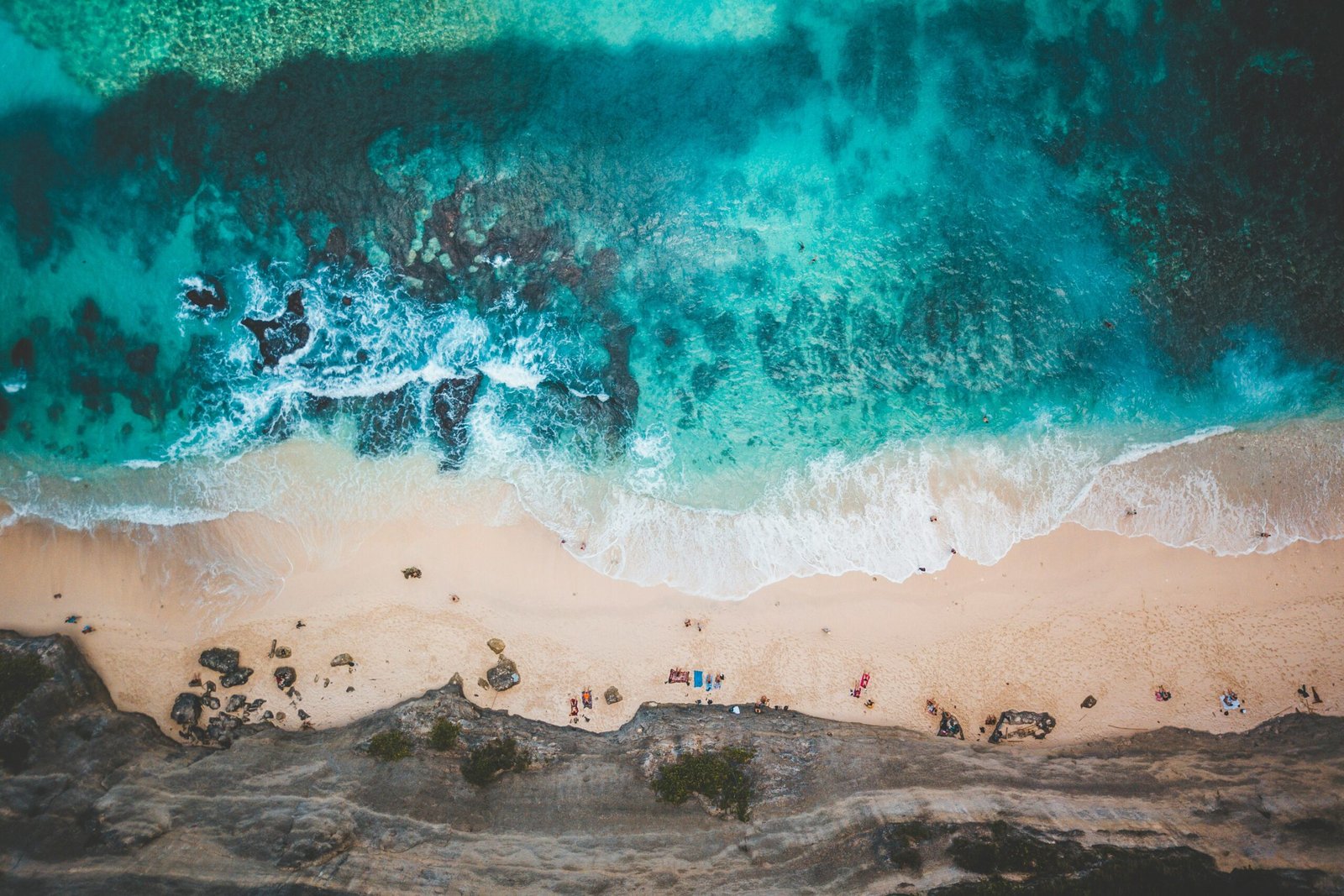
Views of the ocean from Kelingking Cliff!
Bali’s beaches are hardly a secret anymore. Yet, beyond the busy stretches of sand and the beach clubs that line parts of the coast, there are still places where the landscape can make you forget about your phone for a while.
One of them is Suluban Beach, near Uluwatu. Reached by descending steps and winding through narrow passages between limestone cliffs, Suluban feels rather different from a conventional beach. The rocks frame glimpses of the ocean, waves crash against the shore, and the surrounding cliffs create an almost cave-like setting in certain sections. But let me tell you that Suluban is well known among surfers, so don’t expect complete solitude. But the journey down to the water and the dramatic coastal scenery make it worth considering.
If you want to explore further, add these beaches to your list:
- Nyang Nyang Beach: A long stretch of coastline beneath green cliffs, offering space for a coastal walk and a break from the busier southern beaches. Access can be steep, so check the route before visiting.
- Green Bowl Beach: Located near Ungasan, this beach is reached by descending a substantial staircase. Its limestone caves and turquoise waters are particularly striking, although conditions can make swimming unsafe.
- Bias Tugel Beach: Near Padangbai on Bali’s east coast, this small sandy cove is a lovely option if you are exploring the area around the harbour. The sea can be rough, so check local conditions.
- Thomas Beach: Another option near Uluwatu, with a sandy shoreline framed by cliffs. It is a good addition to a day spent exploring the Bukit Peninsula.
The key is to approach these places with realistic expectations. Some are already popular, and none is guaranteed to be quiet. Tides, weather, access, and surf conditions can also change the experience considerably. But there is something rewarding about making the effort to reach a beach, finding a stretch of coastline that appeals to you, and spending time there without a packed schedule.
P.S.: Just remember that Bali’s southern coastline can have powerful currents and dangerous waves. A beautiful turquoise sea is not necessarily a safe one.
5. Hike Down to Kelingking Beach in Nusa Penida
 holder, visiting is easy! You can get a Visa on Arrival (VoA) when you land or apply for an eVisa for Bali online before your trip.](https://roytellstales.com/wp-content/uploads/2026/10/public.avif)
Few landscapes around Bali have become as recognisable as Kelingking Beach on Nusa Penida. Its distinctive headland, often compared to the shape of a Tyrannosaurus rex, has appeared in countless photographs and travel videos. It is one of those places you feel you have seen a hundred times before you even arrive! And yet, standing at the clifftop viewpoint is an entirely different experience from looking at it on a screen.
The cliffs drop dramatically towards the Indian Ocean, where waves break against a narrow stretch of sand far below. From the viewpoint, the landscape seems almost unreal, with layers of green vegetation contrasting against the deep blue sea. Many visitors stop here for photographs before moving on to the next attraction. If conditions and your fitness allow, however, the steep descent towards the beach offers a different perspective on the landscape.
The trail is strenuous and exposed in places, with steep steps and sections that require care. It is not a casual stroll, and the conditions can make the descent particularly challenging. It is also important to know that the sea below is notoriously dangerous, with powerful waves and currents. If you decide not to hike down, do not feel that you are missing out. The viewpoint itself is spectacular, and you can spend time appreciating the scale of the cliffs rather than rushing to recreate the photograph everyone else seems to have taken.
Sometimes, the best way to experience an ‘gram-worthy place is to look up from your camera and take in the landscape for yourself!
6. Snorkel with Manta Rays at Manta Point
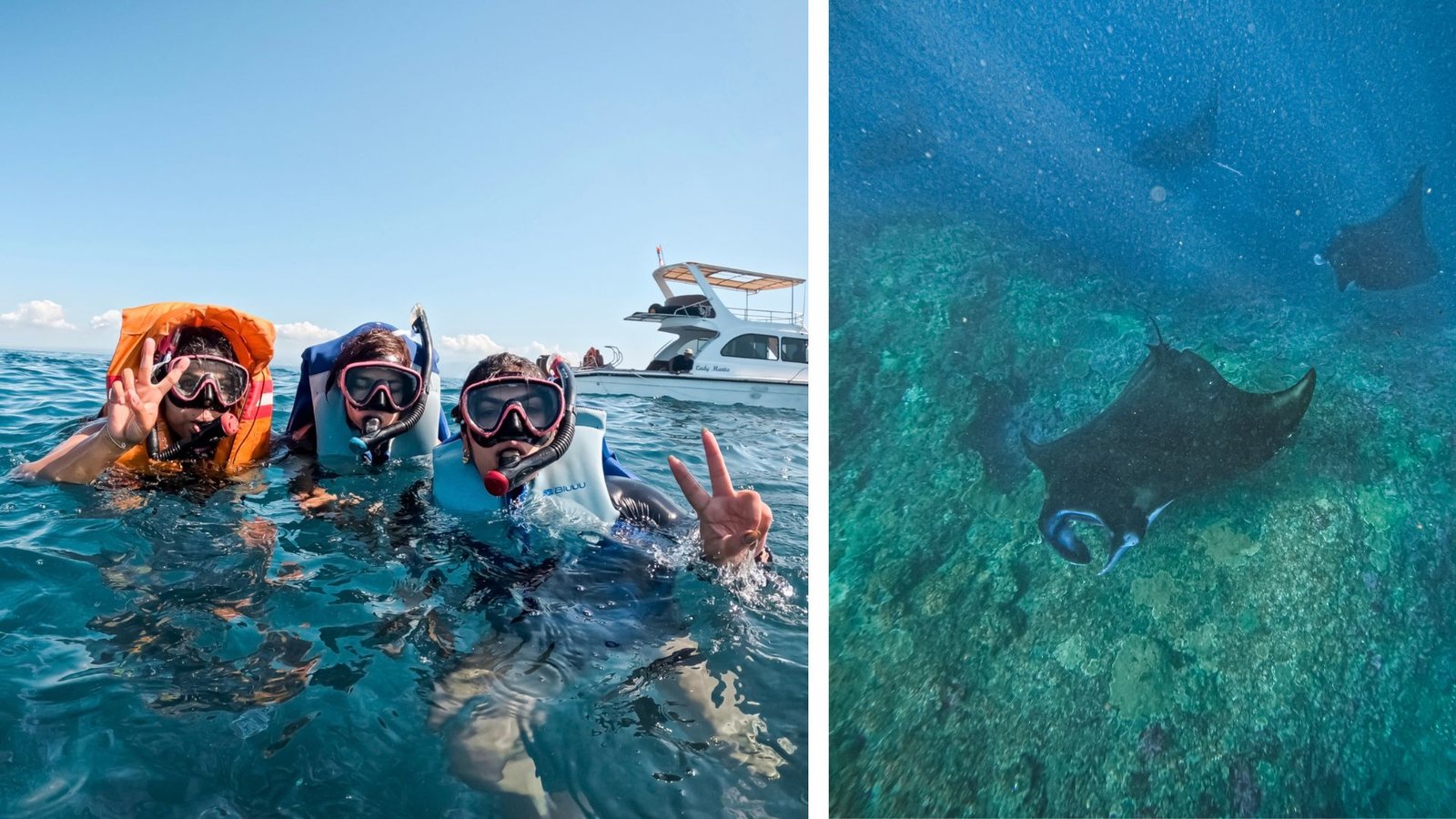
Snorkelling at Manta Point and spotting manta rays in the ocean!
Now, if you ask me, this was the highlight of our adventures in Bali! The ocean around Nusa Penida offers some incredible wildlife encounters, and snorkelling with manta rays at Manta Point was easily one of our most memorable experiences. Watching these magnificent creatures glide effortlessly through the water is an experience that is difficult to put into words. If you’re planning a trip to Bali, I would wholeheartedly recommend adding this to your itinerary!
Manta rays are remarkable creatures. With their enormous wingspans and graceful movements, they glide through the water with an ease that seems almost otherworldly. Watching one pass beneath you is an experience that is difficult to compare with anything on land. And Manta Point is known for its sightings, although encounters can never be guaranteed. Conditions at sea also vary, and currents around Nusa Penida can be strong. Choose an experienced operator who takes marine safety seriously, and make sure the trip is suitable for your swimming ability. We opted to travel with Bluuu Tours, and they have a bunch of PADI-certified guides.
Note: Responsible wildlife tourism matters here. Maintain a respectful distance, never touch or chase the rays, and follow your guide’s instructions at all times.
For me, the appeal of an experience like this is not simply the thrill of seeing a magnificent animal up close. It is the reminder that Bali’s appeal extends well beyond its beaches and landscapes. There is an entire underwater world to discover, one that deserves to be protected as much as it deserves to be explored.
Also read: Visa On Arrival Or eVisa for Bali? The Best Option For Indian Travellers
7. Experience a Sound Bath in Ubud
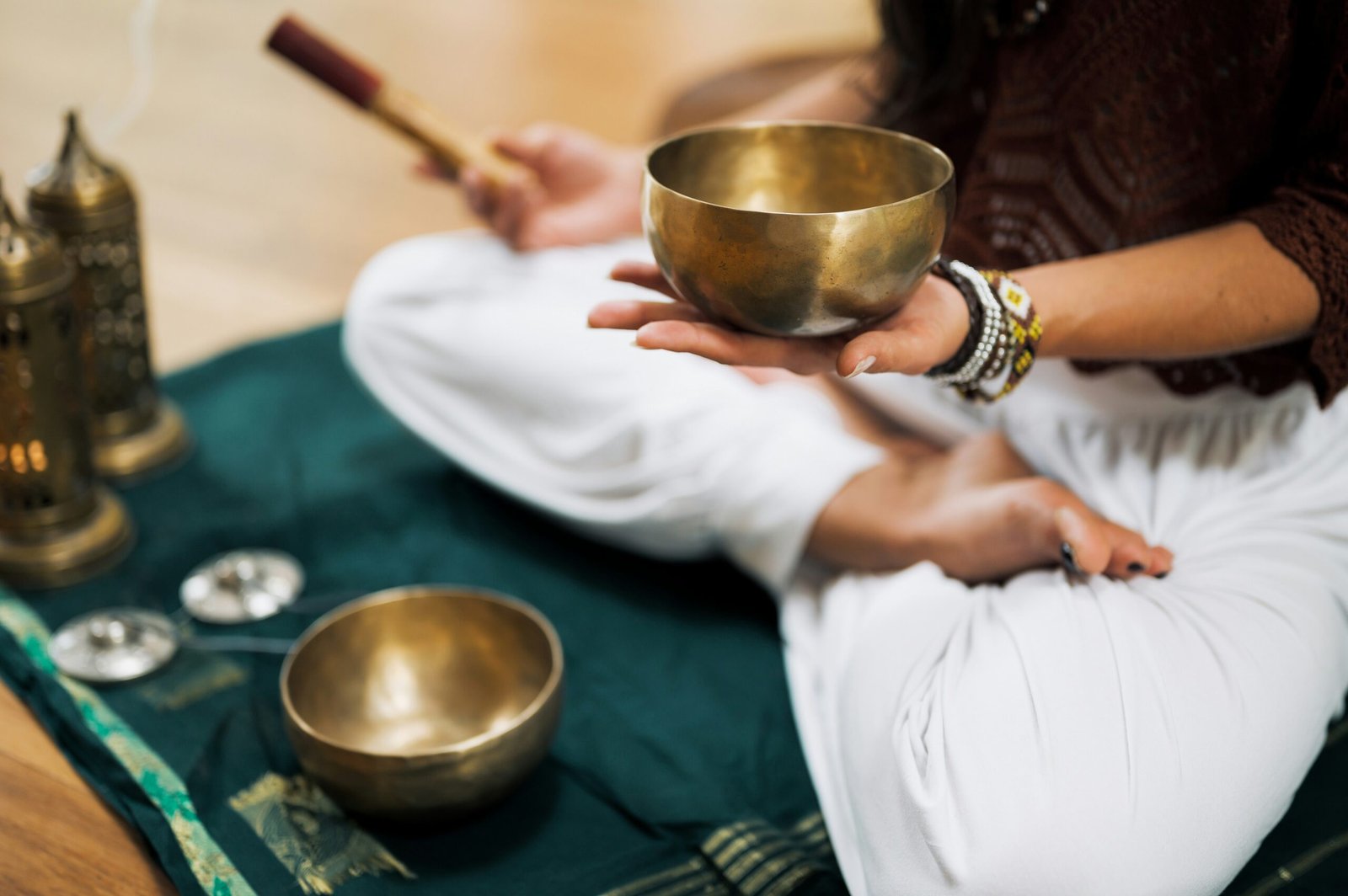
Bali has long attracted travellers seeking a slower pace of life, and Ubud is often at the heart of that experience. [Remember the popular movie EAT.PRAY.LOVE.]
Alongside yoga studios, meditation spaces, and wellness retreats, the town has become known for sound baths.
A sound bath is a guided relaxation session in which a practitioner uses instruments such as singing bowls, gongs, and chimes to create layers of resonant sound. Participants generally lie down comfortably and listen, allowing the experience to become an opportunity for stillness.
You do not need to be a meditation expert or have any prior experience. In fact, the appeal may lie precisely in having nothing to accomplish for an hour. It is worth approaching sound baths as a relaxation experience rather than a medical treatment. You do not need to subscribe to any particular philosophy to enjoy a quiet hour away from the noise of everyday life.
8. Treat Yourself to a Balinese Massage at Omra Spa, Canggu
After days spent walking through temples, climbing volcanic trails, or exploring the coastline, a massage can feel less like an indulgence and more like a well-deserved pause! Traditional Balinese massage typically combines long, flowing strokes with kneading, acupressure, and other techniques intended to relax the body. It draws on local wellness traditions and has become an integral part of Bali’s spa culture.
If you are staying in Canggu, consider setting aside some time for a treatment at Omra Spa. Rather than squeezing it between two sightseeing stops, make the appointment the main event of the afternoon. Arrive early, put your phone away, and give yourself time to unwind afterwards. One of the things I enjoy about spa experiences while travelling is the way they encourage you to slow down. We often plan holidays around how many places we can visit in a day, but rarely consider how much better the experience might be if we left some space between activities.
A massage is a simple way to do that.
Note: Before booking, confirm Omra Spa’s current treatments, prices, and availability. If you have particular preferences regarding pressure or areas to avoid, communicate them to your therapist.
9. Create Your Own Perfume
Souvenirs are often an afterthought. We pick up a magnet, a keychain, or a locally made product on the way back to the hotel, hoping it will somehow preserve the memory of a holiday. But what if you could create something that was entirely your own?
A perfume-making workshop offers a more personal way to take a little of Bali home with you. Guided by a perfumer or workshop facilitator, you learn about fragrance notes, experiment with different combinations, and create a scent that reflects your preferences.
Depending on the workshop, you may work with floral, citrus, woody, spicy, or herbal notes. You might find yourself drawn to something fresh and light, or discover that warmer, earthier fragrances suit you better. The process is as interesting as the finished product. You begin to understand how different notes work together, why a fragrance changes as it develops, and how much thought goes into creating a balanced scent.
It is also a lovely way to spend an afternoon if you are looking for something beyond the usual sightseeing circuit. And I’m sure that long after the holiday is over, a familiar fragrance can bring back memories of a place in a way that photographs sometimes cannot.
10. Cook a Traditional Balinese Meal with a Local Family
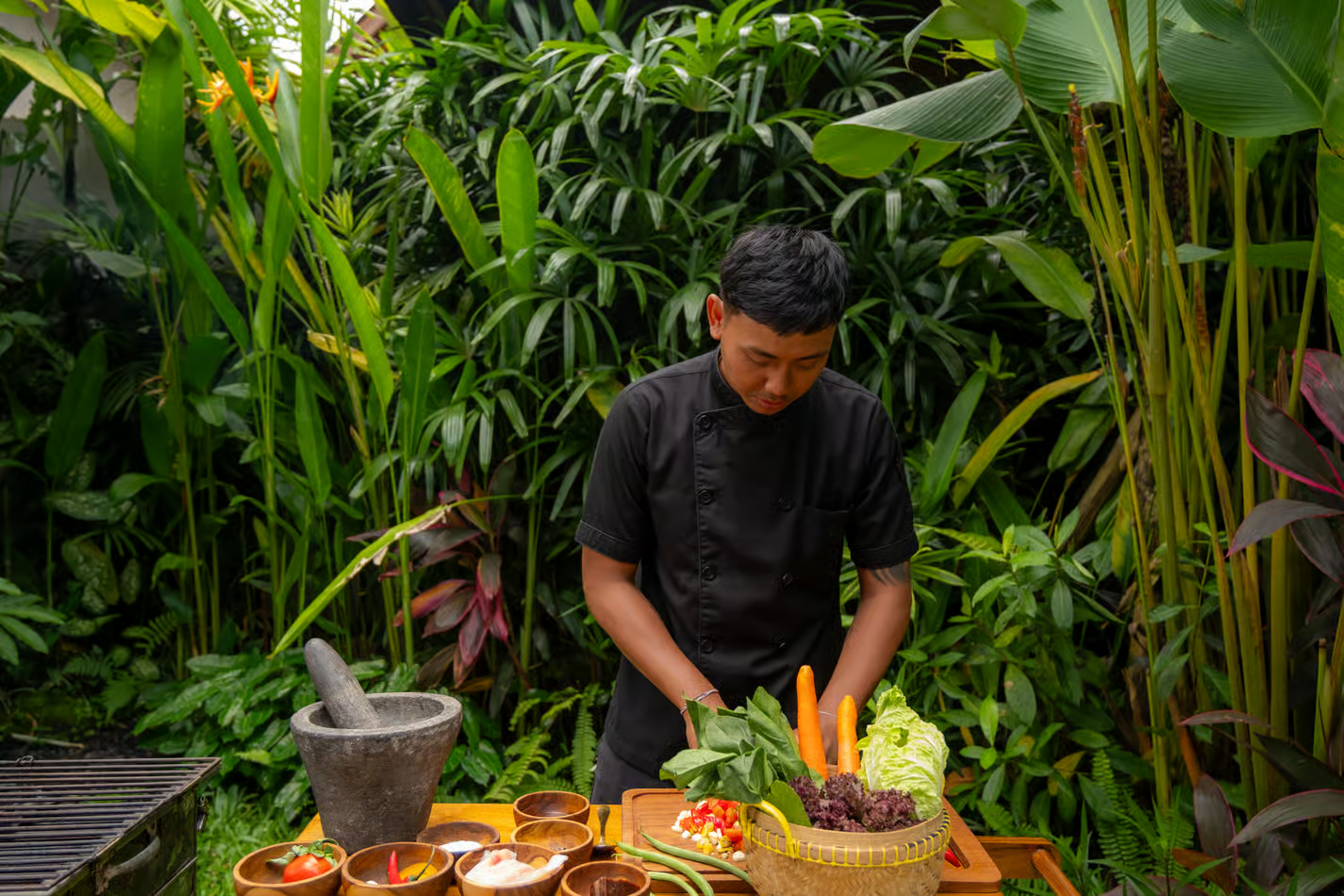
Experiencing a culinary journey in Ubud!
If there is one experience I would encourage travellers to seek out wherever they go, it is the opportunity to share a meal with local people. Food has a wonderful way of opening doors into a culture, and in Bali, the kitchen is a particularly good place to begin. Instead of booking another restaurant meal, look for a locally run cooking experience in Ubud or Canggu that takes you into a Balinese family kitchen or a community-based cooking space.
The experience will begin with an introduction to the ingredients used in everyday Balinese cooking. Galangal, turmeric, lemongrass, chillies, shallots, garlic, and other aromatics are combined into spice pastes that form the foundation of many dishes. You will learn how to prepare a traditional sambal, cook vegetables with local spices, or understand the techniques behind a family recipe. Depending on the host and the menu, you might also encounter dishes such as lawar, urap, or other regional preparations. Every household has its own traditions, and recipes can vary from one family to another.
But the best part often comes after the cooking is done. Sitting down to share the meal, asking questions, and hearing stories about everyday life can turn an ordinary lunch into one of the most memorable parts of a trip.
Note: Choose an experience that is genuinely locally run, respects the family’s time and traditions, and compensates its hosts fairly. If you have dietary preferences, communicate them in advance so that the meal can be planned accordingly.
You may leave with a new recipe to try at home, but what stays with you is often something less tangible: the warmth of being welcomed into someone else’s world.
Experiencing a Different Side of Bali
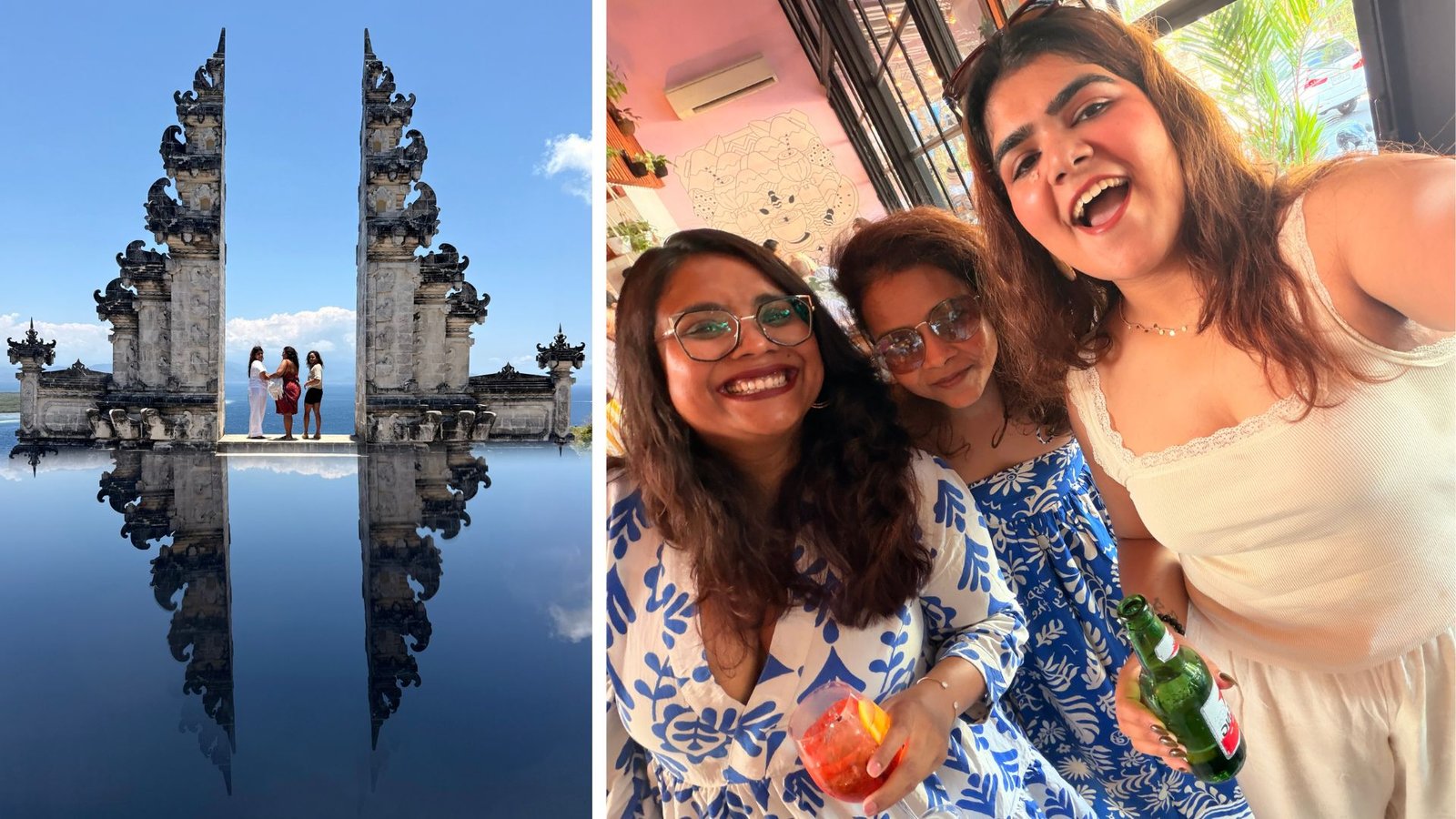
There is no denying that Bali’s popularity on Instagram has changed the way many travellers experience the island. Places that were once relatively quiet have become crowded, and the pursuit of the perfect photograph can sometimes overshadow the very reason we travel in the first place.
But I don’t think the answer is to avoid every popular attraction or to insist that the best experiences are always the ones nobody else knows about. Even an iconic viewpoint can be memorable when you allow yourself to experience it on your own terms.
The difference lies in how we choose to travel.
We can wake up before dawn to watch a volcano catch the first light of day. We can spend an afternoon exploring temples and learning about the traditions that shape Balinese life. We can discover a new favourite coffee shop, listen to the ocean from beneath a limestone cliff, or learn to cook a meal that we will attempt to recreate long after returning home. And sometimes, we can simply put our phones away to soak it all in.
Bali has plenty of those moments to offer. We just have to leave enough room in our itineraries to find them.
Disclaimer: This post contains a few affiliate links. If you click any of them and make a purchase, I might earn a small commission at no extra cost to you. Just know that I truly appreciate your support if you choose to do so.
Tags:
Share:


About Me
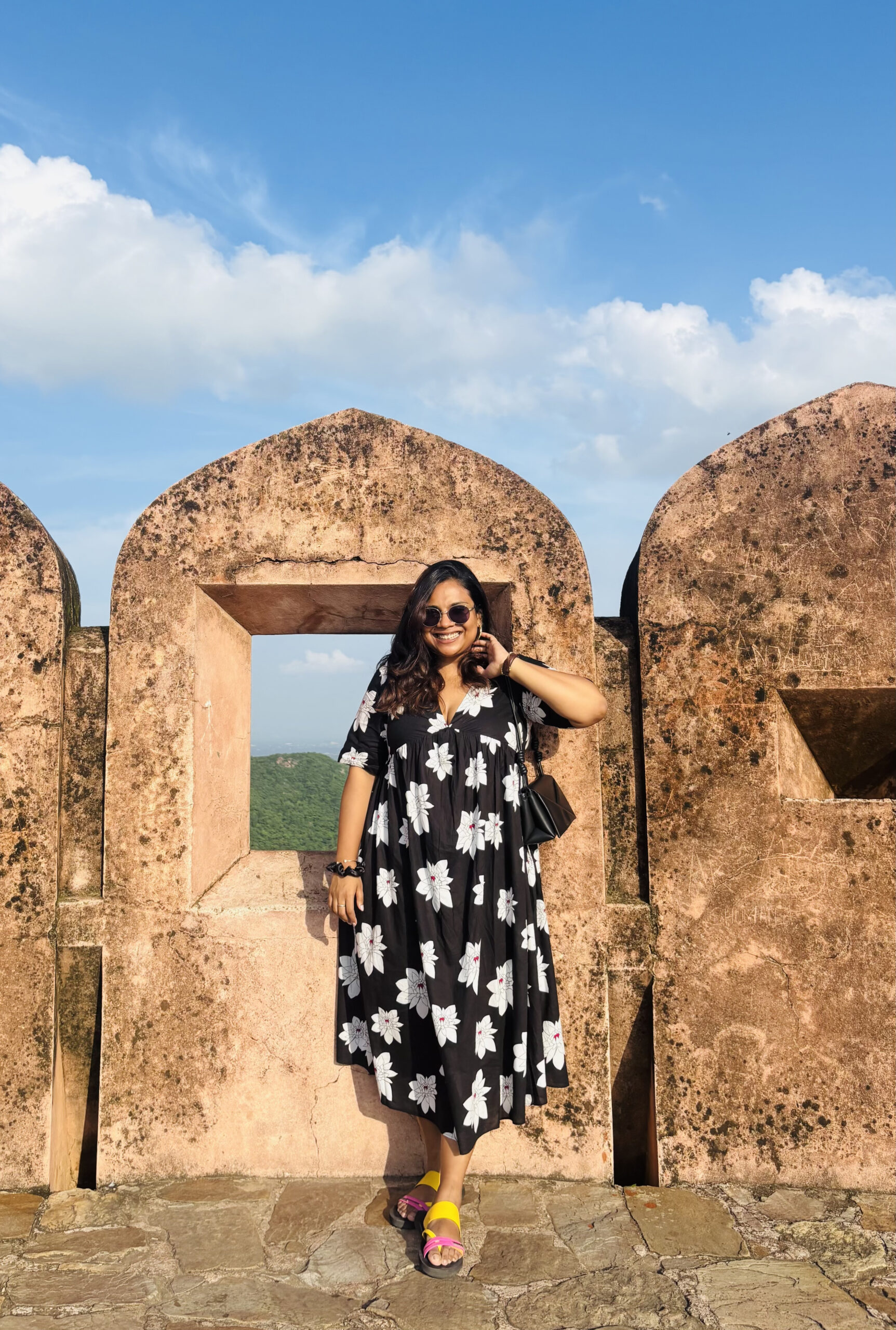
I travel to collect stories, slowly and meaningfully, with an open heart. I wander a little farther for good food, linger longer to understand a place, and write so I can call it “work.” A slow traveller at heart, I believe in experiences over checklists, in moments that unfold at their own pace, and in connections that stay long after the journey ends.
An absolute foodie and die-hard mountain lover, I find my happiest moments in quiet Himalayan towns with a cup of lemon-honey-ginger tea in hand. Over the years, I’ve had the joy of exploring places across India and beyond, each trip teaching me something new about people, cultures, and myself. When I’m not lost in thought or coffee, you’ll find me exploring the world one destination at a time, always looking for places that make me feel something. I love to read and write (give me a book and I’ll love you all the more) and share honest insights, real photos, and thoughtful recommendations from my own travels, so you can experience every place a little deeper, a little slower, and with just the right touch of comfort.
 Pinterest
  Linkedin
  MuckRack
Exploring The World, One Place At a Time!