
Best Time to Visit Hong Kong: A Month-By-Month Guide
Are you planning a trip and wondering what the best time to visit Hong Kong is? In this article, I’ll help you decide when to visit this gorgeous East Asian country.
Hong Kong, where soaring skyscrapers meet lush mountains and vibrant street markets, is a city that pulses with energy and cultural charm. From the glittering skyline of Victoria Harbour to the tranquil hiking trails of Lantau Island and the bustling night markets of Kowloon, the timing of your visit can shape the rhythm of your experience.
Hong Kong experiences a subtropical climate with four distinct seasons, each offering its own appeal. Autumn (October to December) is widely considered the best time to visit, when the weather is comfortably cool, humidity is low, and the skies are bright and clear—perfect for sightseeing and outdoor exploration. Spring (March to May) brings warmer temperatures and blooming greenery, though occasional humidity and misty skies are common. Summer (June to August) is hot and humid, with frequent rain showers and the possibility of typhoons, while winter (January to February) is mild and dry, with cooler evenings and fewer crowds.
[Also read: Is It Worth Visiting Hong Kong?]
Understanding Hong Kong’s Climate To Plan A Perfect Trip
Perched on the southern coast of China along the South China Sea, Hong Kong has a subtropical climate with warm, humid conditions for much of the year. While the city technically experiences four seasons, humidity, rainfall, and occasional typhoons can strongly influence travel plans.
Autumn & Early Winter (October – December)
These months are widely considered the best time to visit Hong Kong. The weather is pleasantly mild, humidity drops significantly, and skies are often clear—perfect for enjoying the city’s skyline, harbour views, and outdoor attractions. Temperatures typically range from 18°C to 28°C (64°F to 82°F), making it ideal for exploring neighbourhoods like Central and Kowloon, hiking trails such as Dragon’s Back, or visiting Lantau Island and the Tian Tan Buddha.
Spring (March – May)
Spring brings warmer temperatures and lush greenery across the city’s parks and hills. Temperatures usually range from 20°C to 28°C (68°F to 82°F). However, as humidity rises, misty or overcast skies are common, sometimes limiting panoramic views from places like Victoria Peak. Despite this, it’s still a comfortable season for sightseeing, harbour cruises, and exploring Hong Kong’s cultural districts.
Summer (June – September)
Summer is hot, humid, and rainy, with temperatures often reaching 30°C to 33°C (86°F to 91°F) or higher. This is also typhoon season, particularly between July and September, when heavy rainstorms and strong winds occasionally affect the city. While outdoor sightseeing can be challenging, it’s still a lively time with bustling nightlife, shopping festivals, and opportunities to escape the heat on Hong Kong’s beaches and nearby islands.
Winter (January – February)
Winters in Hong Kong are generally cool, dry, and mild, with temperatures ranging between 12°C and 20°C (54°F to 68°F). Snow is extremely rare, but cold fronts from mainland China can occasionally make the city feel chilly, especially at night. It’s a pleasant time for city exploration, shopping, and enjoying festive celebrations such as the Chinese New Year, one of Hong Kong’s biggest cultural events.
Travel Costs & Timing
When planning a trip to Hong Kong, considering seasonal demand can help you manage your budget:
- Peak months (October to December and the Chinese New Year in January or February) usually see the highest hotel demand, with accommodation prices often increasing due to the excellent weather and major festivals.
- Shoulder seasons (March to May and September) offer a good balance of manageable weather and relatively moderate hotel rates.
- Off-peak (June to August) tends to have more hotel deals due to heat, humidity, and typhoon risk, making it appealing for travellers who prioritise shopping, food experiences, and indoor attractions.
Best Time to Visit Hong Kong: Month-by-Month Travel Guide
With its subtropical climate, the year moves between cool breezes, misty springs, vibrant autumn days, and humid summers. From skyline views over Victoria Harbour to hiking trails, island escapes, and lively festivals, each month offers a slightly different rhythm.
January – Cool, Calm, and Festive
January brings one of the coolest and most comfortable periods of the year in Hong Kong. The city feels calmer after the New Year rush, and the cooler temperatures make it pleasant for exploring busy districts, waterfront promenades, and hiking trails without the intense humidity typical of summer.
Markets and shopping districts are lively as locals prepare for the upcoming Lunar New Year celebrations. It’s also an excellent time to enjoy Hong Kong’s famous food culture—dim sum restaurants, noodle shops, and traditional tea houses feel especially inviting in the crisp winter air.
The city’s skyline is often clearer in winter, giving visitors stunning views from Victoria Peak or along the Tsim Sha Tsui waterfront. Outdoor attractions like Lantau Island and the Tian Tan Buddha are comfortable to explore during this season.
Weather
Winter in Hong Kong is mild and relatively dry. Temperatures usually range between 12°C and 20°C (54°F to 68°F). Cold fronts from mainland China can occasionally bring cooler days, but snow and extreme cold are virtually unheard of.
Best Places to Visit
- Victoria Peak
Enjoy panoramic views of Hong Kong’s skyline and harbour, especially on clear winter days. - Tsim Sha Tsui Promenade
A perfect spot for waterfront walks and skyline photography along Victoria Harbour. - Lantau Island
Visit the Tian Tan Buddha and Po Lin Monastery while enjoying cooler hiking conditions.
Ideal For
Travellers who prefer comfortable sightseeing weather, food lovers exploring Hong Kong’s culinary scene, and visitors wanting a quieter experience before the Lunar New Year rush.
Travel Tips
Pack a light jacket or sweater for cooler evenings. Hotel prices may rise toward the end of the month as the Chinese New Year approaches, so booking accommodation early is a good idea.
February – Festive Energy and Cultural Celebrations
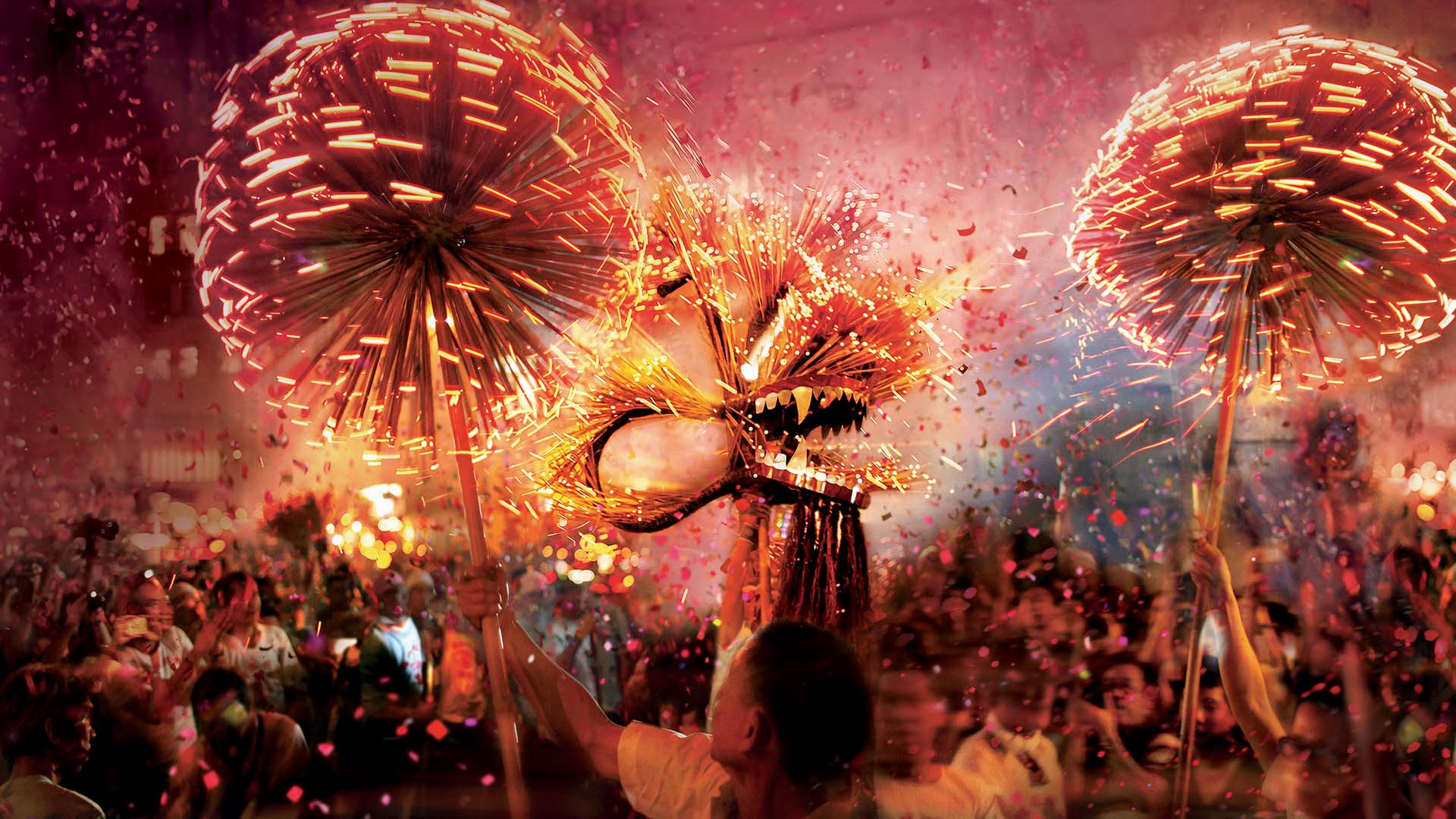
February is one of the most exciting months to experience Hong Kong’s culture, thanks to the vibrant celebrations surrounding the Chinese New Year. The city comes alive with colourful decorations, flower markets, festive foods, and traditional performances. Streets, temples, and shopping districts are filled with red lanterns and lucky symbols, creating a lively and celebratory atmosphere.
One of the highlights of the month is the spectacular Chinese New Year Night Parade, featuring elaborate floats, dancers, and performers from around the world. Fireworks often light up the Victoria Harbour skyline, drawing crowds to the waterfront. It’s a magical time to see Hong Kong at its most festive.
Despite the celebrations, February also offers comfortable weather for exploring the city. Visitors can enjoy scenic walks along the harbour, take the historic Star Ferry across the harbour, or visit cultural landmarks and temples where locals pray for good fortune in the new year.
Weather
Winter continues with cool and generally dry conditions. Temperatures typically range between 13°C and 20°C (55°F to 68°F). Occasional cold fronts from mainland China may bring cooler days, but overall, it remains comfortable for sightseeing.
Best Places to Visit
- Victoria Harbour
One of the best places to watch festive fireworks and enjoy Hong Kong’s famous skyline during the holiday celebrations. - Victoria Peak
Clear winter air often provides spectacular panoramic views of the city and harbour. - Wong Tai Sin Temple
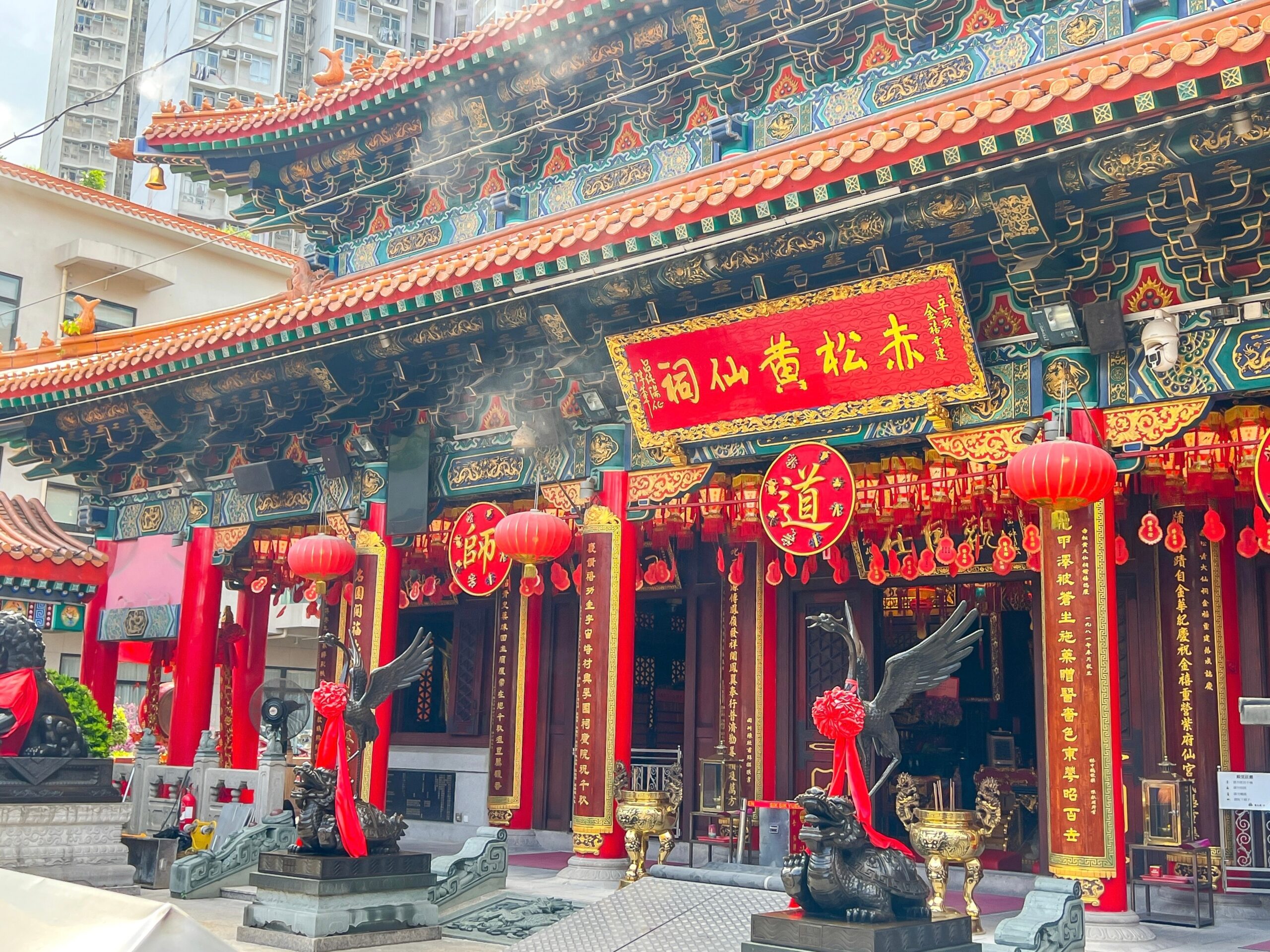
A popular temple where locals gather during the Chinese New Year to pray for luck and prosperity.
Ideal For
Cultural travellers interested in festivals and traditions, couples looking for a lively city escape, and photographers capturing Hong Kong’s most colourful celebrations.
Travel Tips
Because the Chinese New Year is one of the busiest travel periods in Hong Kong, hotels and flights can book up quickly. Reserve accommodation early and expect crowded attractions during major holiday events. Pack a light jacket for cool evenings.
March – Spring Arrives With Festivals and Outdoor Adventures
March marks the beginning of spring in Hong Kong. Temperatures start to rise, and the city’s parks and hiking trails become greener and more inviting. While humidity begins to increase slightly, the weather is generally comfortable for exploring outdoor attractions, harbourfront promenades, and scenic island landscapes.
One of the cultural highlights of the month is the Hong Kong Arts Festival, one of Asia’s most prestigious performing arts events. Throughout the city, theatres host international and local performances ranging from opera and ballet to contemporary music and theatre.
Nature lovers will also enjoy exploring Hong Kong’s extensive hiking network. Trails such as Dragon’s Back Trail offer sweeping coastal views, while nearby islands provide peaceful escapes from the urban buzz. March is also a great time to wander the lively streets of Central and Soho, where outdoor cafés and markets begin to fill with people again after winter.
Weather
March is a transition into spring, with temperatures usually ranging between 18°C and 24°C (64°F to 75°F). Humidity begins to rise, and occasional fog or mist can affect skyline views.
Best Places to Visit
- Dragon’s Back Trail
One of Hong Kong’s most famous hikes, offering spectacular views of the coastline and nearby beaches. - Victoria Peak
A must-visit for panoramic city views, especially on clear spring days. - Nan Lian Garden
A peaceful classical Chinese garden perfect for a relaxing spring walk among ponds and traditional architecture.
Ideal For
Outdoor enthusiasts, cultural travellers attending performances, and visitors who enjoy a balance of city exploration and nature.
Travel Tips
Carry a light jacket for cooler evenings and bring an umbrella for occasional spring showers. If you plan to hike, start early in the day to enjoy clearer views before humidity builds.
April – Festivals, Flowers, and Comfortable Weather
April is one of the most pleasant months to visit Hong Kong. The weather becomes warmer but remains comfortable, and the city’s parks and waterfront promenades are full of energy. It’s a wonderful time for sightseeing, outdoor markets, and ferry rides across the harbour.
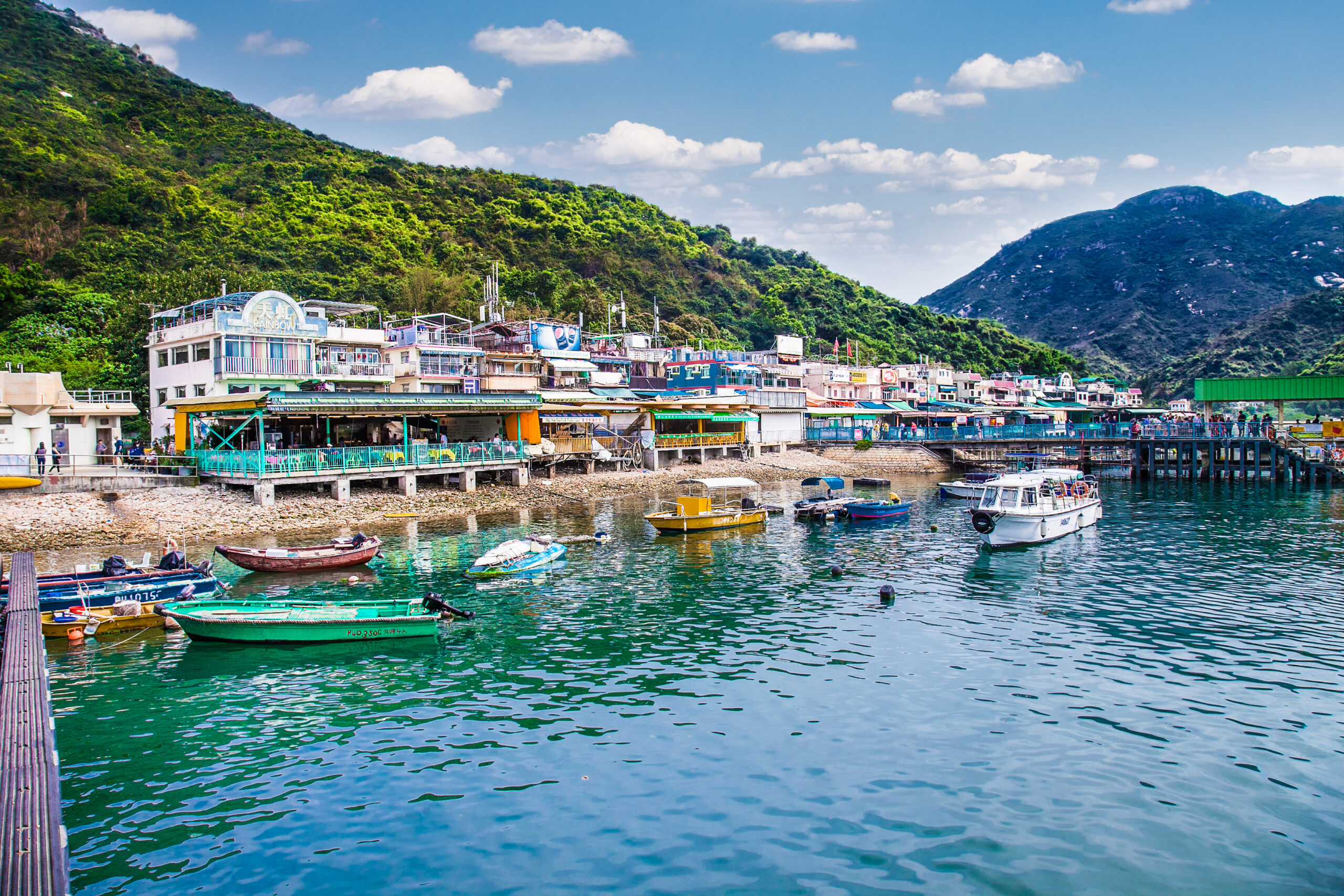
One of the major cultural events this month is the lively Cheung Chau Bun Festival, celebrated on Cheung Chau Island. This unique festival features colourful parades, lion dances, and the famous “bun scrambling” competition, where climbers race up a tower covered with lucky buns. It’s one of Hong Kong’s most distinctive traditional celebrations.
April is also a great time to explore temples, waterfronts, and islands. Visitors often take the historic Star Ferry across Victoria Harbour for stunning skyline views, or spend the day exploring cultural sites and scenic coastal trails.
Weather
Spring is in full swing, with temperatures typically ranging from 20°C to 26°C (68°F to 79°F). Humidity gradually increases, and occasional rain showers are possible.
Best Places to Visit
- Cheung Chau Island
A charming island famous for its traditional festival celebrations, seafood restaurants, and relaxed atmosphere. - Victoria Harbour
Ideal for harbour cruises, waterfront walks, and skyline photography. - Hong Kong Park
A green oasis in the city with gardens, waterfalls, and scenic walking paths.
Ideal For
Families, culture enthusiasts, and travellers looking for a mix of festivals, sightseeing, and outdoor exploration.
Travel Tips
April is a popular travel month due to pleasant weather and festivals, so book accommodation early. Pack light clothing along with an umbrella or rain jacket for occasional showers.
May – Lush Landscapes and Island Escapes
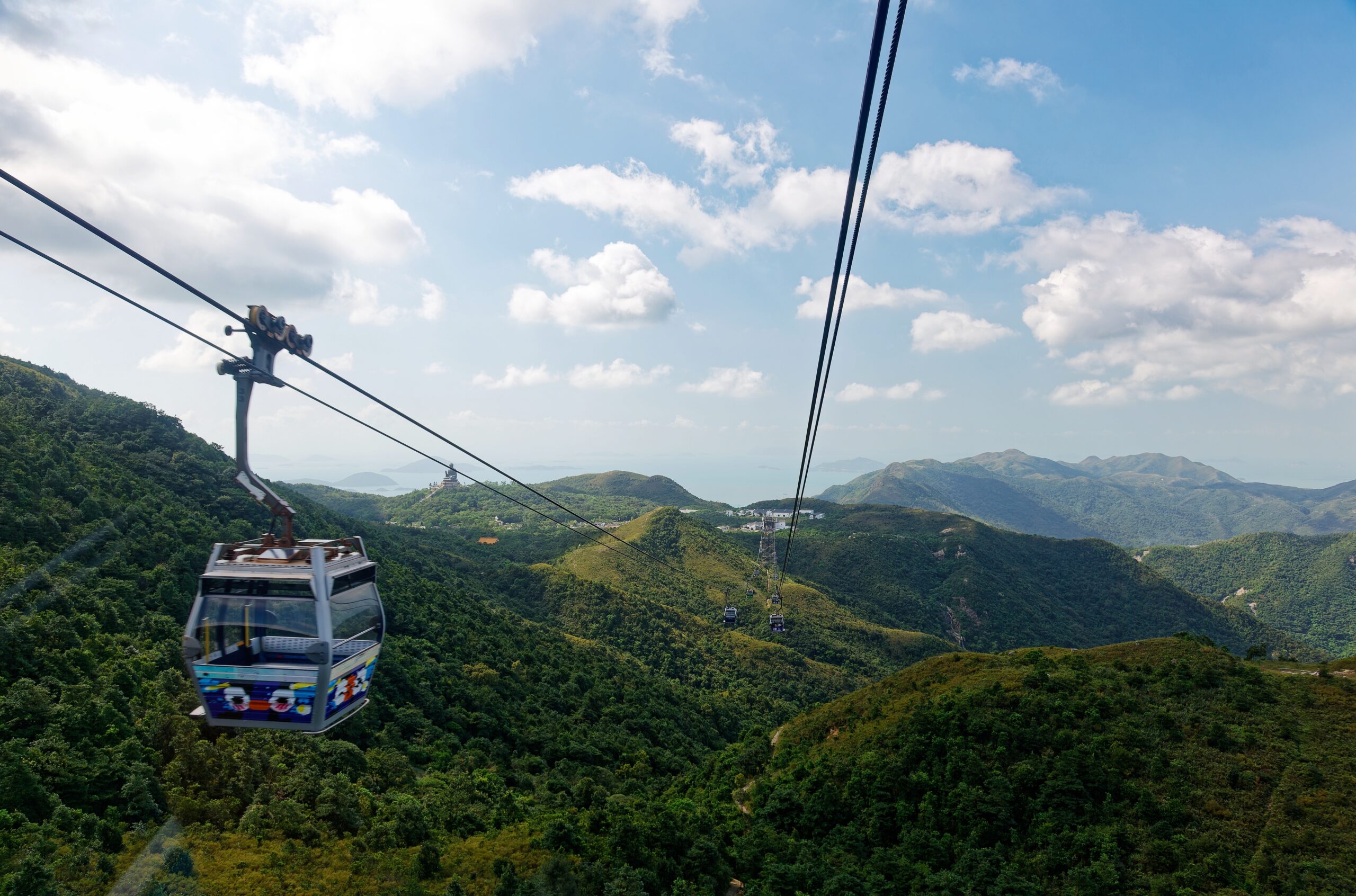
May is when Hong Kong turns beautifully green. Subtropical vegetation is at its fullest after the spring rains, and the surrounding islands and hiking trails look especially vibrant. While humidity begins to rise, the city still offers plenty of opportunities for outdoor exploration before the peak heat of summer arrives.
It’s a great time to discover Hong Kong beyond its skyscrapers. Travellers often venture to the outlying islands for quiet beaches, fishing villages, and scenic coastal walks. Lantau Island, the largest island in Hong Kong, is a favourite for its mix of nature and culture. Visitors can ride the Ngong Ping 360 Cable Car for sweeping views before visiting the iconic Tian Tan Buddha.
May is also a fantastic month for exploring Hong Kong’s vibrant food scene. Open-air seafood restaurants in coastal areas and traditional eateries in neighbourhoods like Central and Sham Shui Po offer a deeper look into local Cantonese cuisine.
Weather
Late spring conditions bring warm temperatures ranging between 24°C and 30°C (75°F to 86°F). Humidity rises steadily, and occasional showers become more common as the rainy season approaches.
Best Places to Visit
- Lantau Island
Home to scenic mountains, hiking trails, and cultural landmarks, including the famous Tian Tan Buddha. - Tian Tan Buddha
One of Hong Kong’s most iconic attractions, offering peaceful surroundings and panoramic views. - Tai O Fishing Village
A charming stilt-house village known for its traditional culture and seafood markets.
Ideal For
Nature lovers, photographers, and travellers interested in exploring Hong Kong’s islands and cultural sites.
Travel Tips
Pack breathable clothing and comfortable walking shoes for island exploration. Sudden showers are possible, so carrying a light rain jacket or umbrella is helpful.
June – The Start of Summer and Festival Season
June marks the beginning of summer in Hong Kong. The city becomes lively with events, waterfront activities, and evening markets. While the weather grows hotter and more humid, there are still plenty of ways to enjoy the city—from harbour cruises to island escapes.
One of the month’s major highlights is the energetic Hong Kong Dragon Boat Festival, celebrated with exciting boat races across the city’s waterfronts. The most famous races take place at Victoria Harbour and in coastal districts like Stanley. Teams paddle colourful dragon boats while crowds cheer from the shore, creating a lively festival atmosphere.
This is also a great time to visit Hong Kong’s beaches and outlying islands. Visitors often take ferry rides to relax in seaside villages or explore local markets and seafood restaurants. Also, don’t miss out on experiencing a food tour of Hong Kong with a local guide!
Weather
Early summer conditions bring hot, humid days, with temperatures typically ranging from 27°C to 32°C (81°F to 90°F). Rain showers and thunderstorms become more frequent.
Best Places to Visit
- Victoria Harbour
Watch the exciting dragon boat races and enjoy the vibrant festival atmosphere. - Lamma Island
A relaxed island known for scenic coastal trails and excellent seafood restaurants. - Stanley Market
A popular seaside shopping area with local crafts, souvenirs, and waterfront cafés.
Ideal For
Festival lovers, travellers who enjoy lively waterfront events, and visitors interested in exploring Hong Kong’s islands and beaches.
Travel Tips
Stay hydrated and plan outdoor activities early in the morning or later in the evening to avoid peak heat. Carry light clothing, sunscreen, and rain protection.
July – Summer Energy and Harbour Celebrations
July is one of the hottest and most vibrant months in Hong Kong. The city buzzes with summer energy, from lively shopping districts and night markets to fireworks and celebrations along the harbour. While daytime heat and humidity can be intense, evenings are perfect for harbour walks, rooftop dining, and ferry rides.
A major highlight of the month is the Hong Kong Special Administrative Region Establishment Day on July 1. The occasion commemorates the establishment of the Hong Kong SAR and is often marked by spectacular fireworks displays over Victoria Harbour, attracting large crowds along the waterfront.
For those looking to escape the heat, Hong Kong’s beaches and islands offer refreshing alternatives. Visitors often head to coastal areas or enjoy indoor attractions such as shopping malls, museums, and food markets.
Weather
July is peak summer with temperatures typically between 28°C and 33°C (82°F to 91°F). The city experiences high humidity and occasional heavy rainstorms. It is also part of Hong Kong’s typhoon season, which generally runs from June to September.
Best Places to Visit
- Victoria Harbour
A perfect location for watching fireworks and enjoying the skyline at night. - Repulse Bay Beach
One of the city’s most popular beaches for swimming and relaxing on hot days. - Lamma Island
A great summer escape with scenic coastal walks and seafood restaurants.
Ideal For
Beach lovers, nightlife enthusiasts, and travellers who enjoy lively city celebrations.
Travel Tips
Plan sightseeing in the early morning or evening to avoid intense heat. Carry sunscreen, water, and rain protection, and keep an eye on weather updates during typhoon season.
August – Tropical Energy and Island Escapes
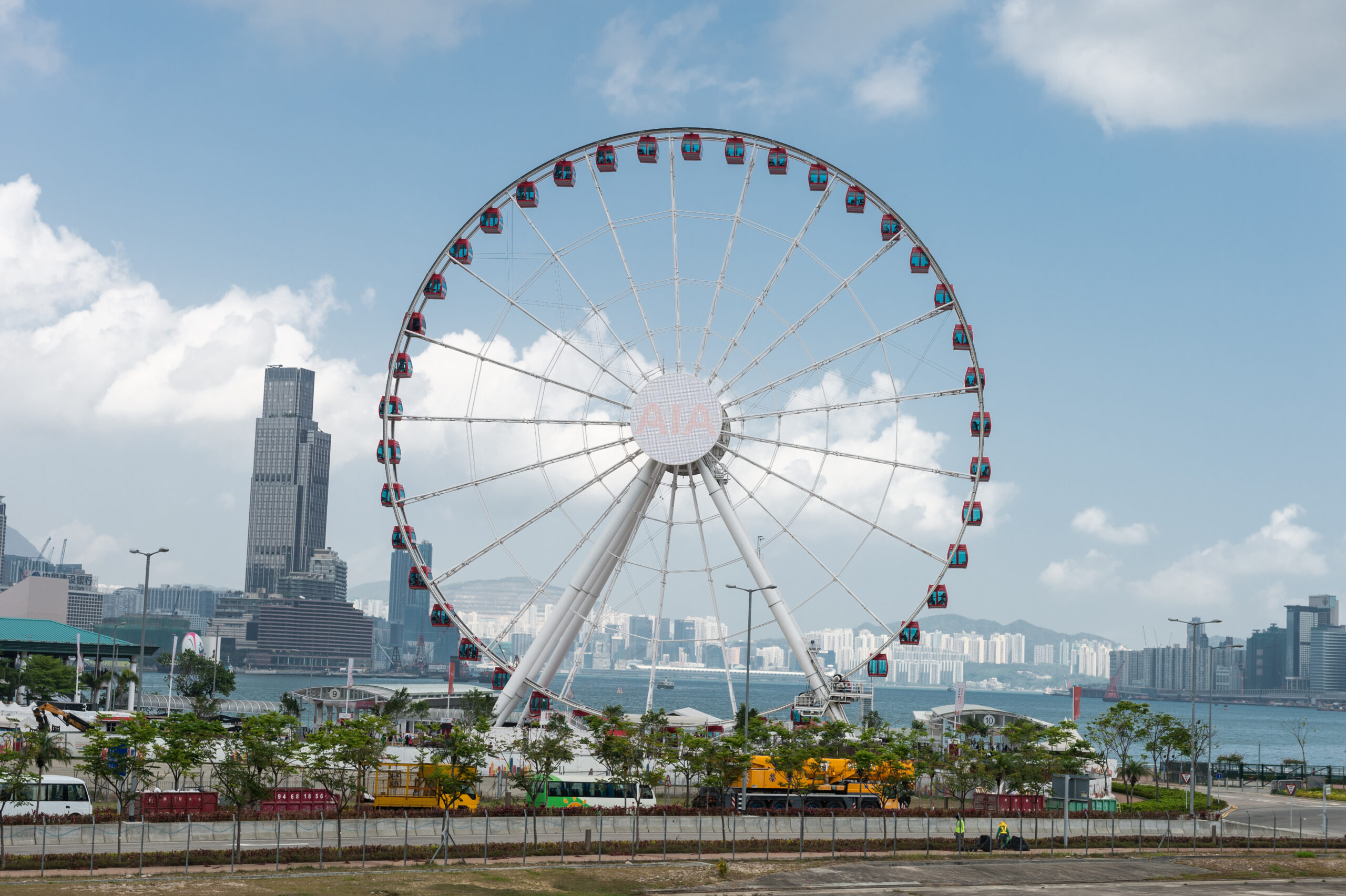
August is one of the warmest and most humid months in Hong Kong, bringing a lively tropical atmosphere to the city. While the heat can be intense during the day, evenings come alive with harbourfront walks, night markets, and rooftop dining overlooking the skyline.
This month is perfect for travellers who enjoy Hong Kong’s coastal side. Locals and visitors often head to beaches and outlying islands to escape the urban heat. Repulse Bay Beach and nearby seaside areas are popular for swimming and relaxing, while ferry rides to quieter islands offer refreshing sea breezes.
Shopping is also a major highlight during August. Hong Kong’s large malls and air-conditioned shopping districts provide a comfortable break from the heat, and summer promotions are common in popular retail areas like Causeway Bay and Tsim Sha Tsui.
Weather
August sits in the middle of Hong Kong’s summer and typhoon season. Temperatures usually range from 27°C to 33°C (81°F to 91°F), with very high humidity. Short but heavy rain showers and occasional tropical storms are possible.
Best Places to Visit
- Repulse Bay Beach
A popular beach for sunbathing, swimming, and relaxing by the sea. - Causeway Bay
One of Hong Kong’s busiest shopping districts is filled with malls, boutiques, and restaurants. - Tsim Sha Tsui
A lively waterfront area with museums, markets, and spectacular skyline views.
Ideal For
Shoppers, beach lovers, and travellers who enjoy vibrant city nightlife.
Travel Tips
Plan outdoor activities early in the morning or late in the evening to avoid peak heat. Keep an eye on weather updates during typhoon season and carry light clothing, sunscreen, and an umbrella.
September – The Beginning of Autumn Festivals
September marks the gradual transition from summer to autumn in Hong Kong. While temperatures remain warm, humidity slowly begins to drop, making outdoor exploration more comfortable compared to the peak summer months.
One of the most beautiful celebrations during this time is the Mid-Autumn Festival. Parks and waterfronts glow with colourful lantern displays, and families gather to enjoy mooncakes and evening picnics. The lantern displays at Victoria Park are particularly famous and attract visitors from across the city.
September is also a wonderful time to enjoy Hong Kong’s scenic trails and coastal areas. Hiking routes such as Dragon’s Back Trail offer sweeping ocean views, while harbour cruises provide stunning sunset views over the skyline.
Weather
Early autumn brings temperatures between 26°C and 31°C (79°F to 88°F). Humidity begins to ease slightly, although occasional rain and tropical storms can still occur early in the month.
Best Places to Visit
- Victoria Park
One of the best places to see lantern displays during the Mid-Autumn Festival. - Dragon’s Back Trail
A scenic hiking trail offering spectacular coastal views. - Victoria Harbour
Ideal for evening walks and harbour cruises during festival nights.
Ideal For
Culture enthusiasts, photographers, and travellers who enjoy festive city experiences.
Travel Tips
September can still experience occasional typhoons, so check weather forecasts before planning outdoor activities. Evening temperatures are comfortable, making it a great time for harbourfront strolls and festival celebrations.
October – Pleasant Weather and Outdoor Exploration
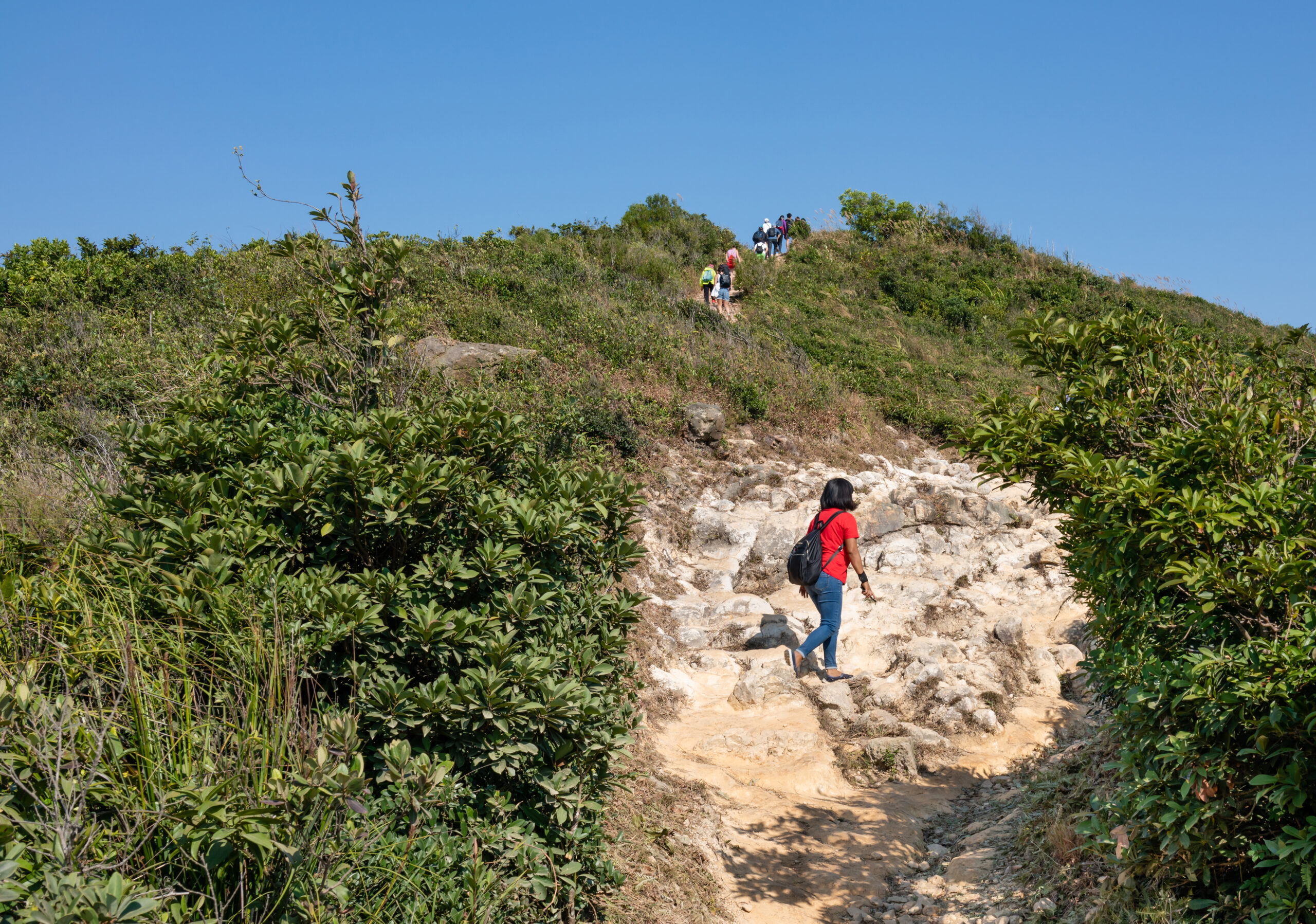
October marks the true arrival of autumn in Hong Kong and is often considered one of the most comfortable months for travel. The intense summer humidity fades significantly, skies become clearer, and the city enjoys warm but refreshing weather—perfect for spending time outdoors.
This is an ideal month to explore Hong Kong’s natural side. With comfortable temperatures and low humidity, hiking trails and coastal walks are at their best. Routes like Lantau Trail and Dragon’s Back Trail offer stunning views of green hills, beaches, and the South China Sea.
October is also a great time for island hopping. Visitors often take ferries to places like Lamma Island for scenic coastal walks and seafood restaurants, or explore waterfront areas around Victoria Harbour, where the cooler evenings make harbour promenades especially enjoyable.
Weather
Autumn brings clear skies and comfortable conditions. Temperatures typically range between 24°C and 28°C (75°F to 82°F) with noticeably lower humidity and plenty of sunshine.
Best Places to Visit
- Dragon’s Back Trail
One of the most scenic hiking trails in Hong Kong with panoramic ocean views. - Lamma Island
A relaxed island escape known for coastal walks and fresh seafood. - Victoria Harbour
Perfect for sunset harbour cruises and evening skyline views.
Ideal For
Hikers, nature lovers, photographers, and travellers who want to enjoy Hong Kong’s outdoor attractions.
Travel Tips
October is a popular travel month due to excellent weather, so book accommodation in advance. Bring comfortable walking shoes if you plan to explore Hong Kong’s hiking trails and islands.
November – Clear Skies and Perfect Sightseeing
November continues Hong Kong’s beautiful autumn season. The weather becomes slightly cooler and drier, creating some of the most pleasant travel conditions of the year. With clear skies and comfortable temperatures, this is a fantastic time for exploring both the city and its surrounding nature.
The month is known for major international events such as the Hong Kong Sevens rugby tournament and the Hong Kong Wine & Dine Festival, where visitors can sample gourmet cuisine, wines, and local delicacies along the harbourfront.
November is also perfect for taking scenic ferry rides to the outlying islands or visiting cultural landmarks. Attractions like Tian Tan Buddha on Lantau Island are especially enjoyable during this cooler season.
Weather
Late autumn brings mild, dry conditions with temperatures between 20°C and 26°C (68°F to 79°F). Skies are often clear, making it one of the most comfortable months for sightseeing.
Best Places to Visit
- Lantau Island
A beautiful escape with mountains, monasteries, and scenic viewpoints. - Tian Tan Buddha
One of Hong Kong’s most iconic landmarks is surrounded by peaceful natural scenery. - Central District
A vibrant area for dining, nightlife, and exploring modern Hong Kong.
Ideal For
Food lovers, cultural travellers, and visitors who enjoy festivals and outdoor sightseeing.
Travel Tips
Light clothing is suitable for daytime, but evenings may feel cooler—bring a light jacket. Book early if visiting during major festivals.
December – Festive Lights and Magical Holiday Atmosphere
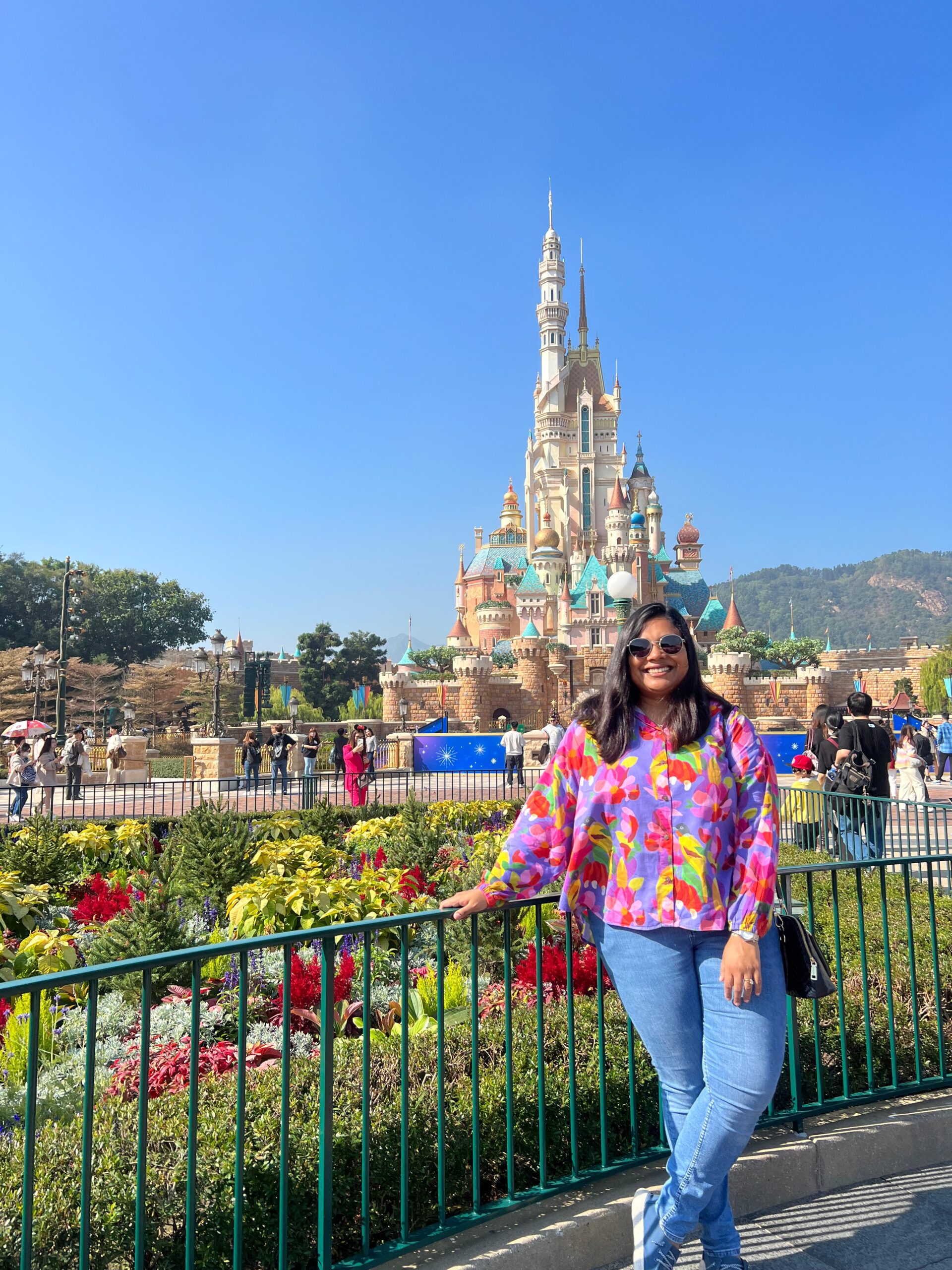
December transforms Hong Kong into a festive wonderland. The city is beautifully decorated with Christmas lights, giant trees, and elaborate displays across shopping districts, hotels, and waterfront areas. It’s one of the most atmospheric times to experience the city.
The celebrations are especially spectacular at Hong Kong Disneyland, where the park is decorated with dazzling lights, themed parades, and festive shows. When I visited Hong Kong in December, the Christmas atmosphere at Disneyland felt truly magical with snow effects, holiday music, and seasonal decorations that made the entire park feel like a winter fairy tale despite the mild weather.
Across the city, places like Tsim Sha Tsui and Victoria Harbour glow with festive displays, making evening walks especially memorable. Christmas markets, shopping events, and year-end celebrations create a lively holiday mood everywhere.
Weather
Early winter in Hong Kong is mild and comfortable. Temperatures typically range from 15°C to 22°C (59°F to 72°F), with dry, pleasant weather.
Best Places to Visit
- Hong Kong Disneyland
A magical place during Christmas with festive decorations, themed parades, and holiday shows. - Tsim Sha Tsui
One of the best areas to see Christmas lights, harbour views, and seasonal displays. - Victoria Harbour
A stunning location for festive skyline views and New Year’s Eve fireworks.
Ideal For
Families, couples, and travellers looking for festive holiday experiences.
Travel Tips
December is a busy travel period, especially around Christmas and New Year, so book accommodation early. Even though it’s winter, Hong Kong rarely gets very cold—pack light layers for cooler evenings.
Essential Travel Tips for Hong Kong
- Book early during peak seasons (October–December and the Chinese New Year period), especially if you plan to visit major attractions like Hong Kong Disneyland, Victoria Peak, or popular areas such as Tsim Sha Tsui. Hotels and flights can fill up quickly during festivals and the Christmas holiday season.
- Travel during the shoulder months (March–May and September) if you prefer fewer crowds and slightly lower hotel prices while still enjoying pleasant weather and plenty of events.
- Use Hong Kong’s excellent public transport system. The Mass Transit Railway (MTR), buses, trams, and ferries connect almost every part of the city efficiently. Buying an Octopus Card makes travelling easier and can also be used for convenience stores, restaurants, and small purchases.
- Plan activities around the season. Enjoy beaches and island trips in the warmer months, hiking and outdoor sightseeing during autumn and winter, and festivals such as the Mid-Autumn Festival or Chinese New Year for a deeper cultural experience.
No matter the time of year, Hong Kong captivates travellers with its striking skyline, lush hiking trails, vibrant street markets, and world-class food scene. Whether you’re exploring bustling night markets, riding ferries across Victoria Harbour, or wandering peaceful temples and islands, the city offers a dynamic blend of modern energy and traditional culture.
And don’t forget to check out my detailed travel guide to Hong Kong!
Disclaimer: This post contains a few affiliate links. If you click any of them and make a purchase, I might earn a small commission at no extra cost to you. Just know that I truly appreciate your support if you choose to do so.
Tags:
Share:


About Me
I travel to collect stories, slowly and meaningfully, with an open heart. I wander a little farther for good food, linger longer to understand a place, and write so I can call it “work.” A slow traveller at heart, I believe in experiences over checklists, in moments that unfold at their own pace, and in connections that stay long after the journey ends.
An absolute foodie and die-hard mountain lover, I find my happiest moments in quiet Himalayan towns with a cup of lemon-honey-ginger tea in hand. Over the years, I’ve had the joy of exploring places across India and beyond, each trip teaching me something new about people, cultures, and myself. When I’m not lost in thought or coffee, you’ll find me exploring the world one destination at a time, always looking for places that make me feel something. I love to read and write (give me a book and I’ll love you all the more) and share honest insights, real photos, and thoughtful recommendations from my own travels, so you can experience every place a little deeper, a little slower, and with just the right touch of comfort.
 Pinterest
  Linkedin
  MuckRack
Exploring The World, One Place At a Time!