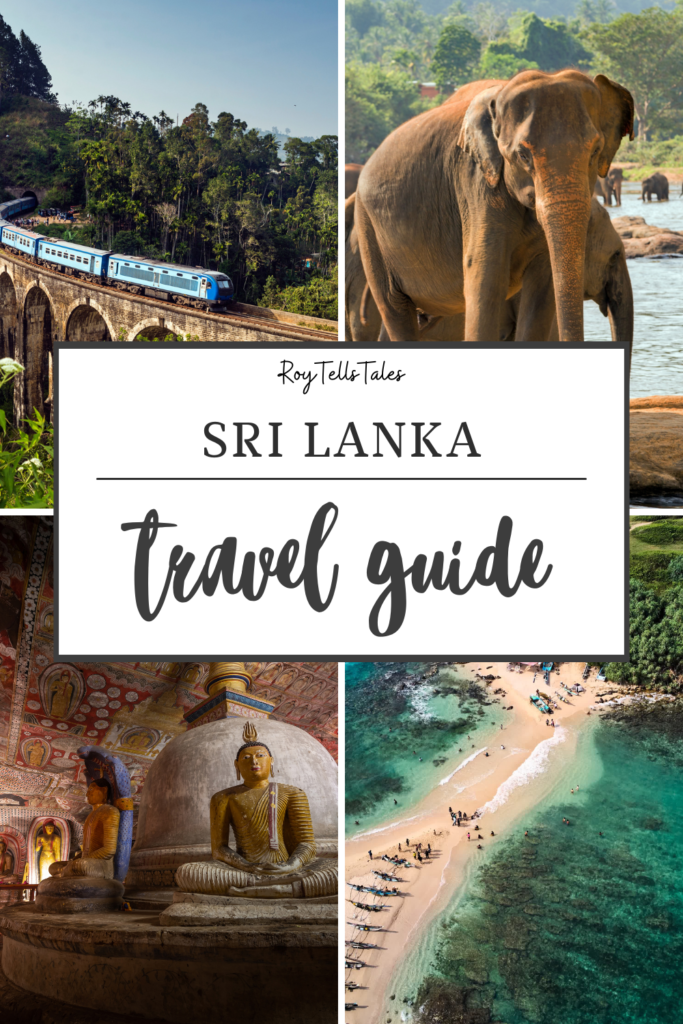

Best Time to Visit Sri Lanka | When To Travel to Sri Lanka?
Planning a trip and wondering when the best time to visit Sri Lanka is? Well, this tiny teardrop-shaped country has a mostly tropical climate, but in this article, I’ll help you plan your next trip to Sri Lanka and figure out the best time to visit.
Deciding the best time to visit Sri Lanka can feel a little confusing at first. The island is a popular destination year-round, but because it sits in the Indian Ocean, different regions experience distinct weather patterns at different times. This means the weather can change quite a bit depending on where you travel and what you want to do.
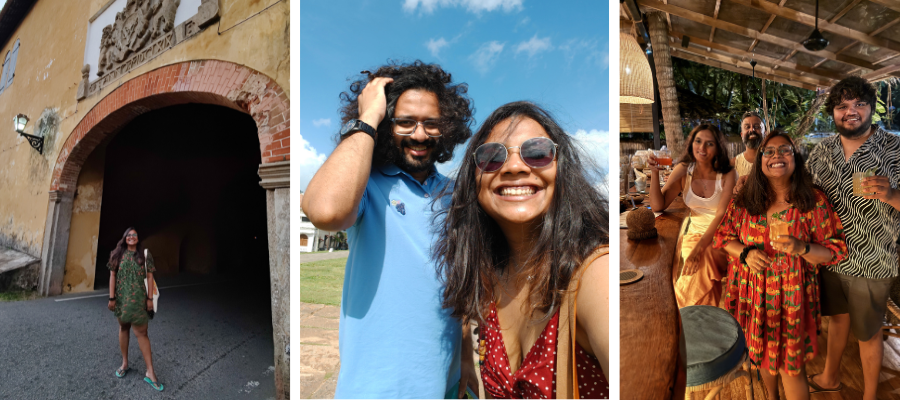
I’ve travelled to Sri Lanka three times now, and each trip showed me a different side of the country. My first visit was a solo trip in December 2021, during which I explored the southern coast and the Cultural Triangle. I went back again in June 2023 with my partner, which meant experiencing Sri Lanka during a completely different season. Most recently, I visited in November 2024 with a group of friends. After seeing the country in three different months, I realised that timing your trip can shape your overall experience.
What is the best time to visit Sri Lanka?
Sri Lanka has a tropical climate, so temperatures stay warm and humid for most of the year. Instead of drastic temperature changes, the country experiences wet and dry seasons that are influenced by two monsoons. Even during the rainy season, showers usually pass quickly, and there is often sunshine during the day. If you plan your route well, you can almost always find a part of the country with good weather.
Generally speaking, the best time to visit Sri Lanka is between December and mid-April. These months bring drier, sunnier weather to the south and west coasts, as well as the hill country. It is also the busiest time to travel, so you can expect more visitors and slightly higher prices. Still, the pleasant weather makes it a great time for beaches, sightseeing and exploring the island’s many cultural sites.
When is the rainy season in Sri Lanka?
Sri Lanka’s weather is largely shaped by two monsoon seasons, which is why choosing the best time to visit Sri Lanka often depends on which part of the island you plan to explore. Instead of one long rainy season across the whole country, different regions receive rain at different times of the year.
- The Yala (Southwest) monsoon affects the south and west coasts between May and August, bringing frequent showers and rougher seas.
- The Maha (Northeast) monsoon arrives later in the year and impacts the east coast and the Cultural Triangle between November and January. October usually falls between these two monsoons and often brings short but heavy bursts of rain across the island.
Because of this pattern, there is almost always a region in Sri Lanka with good weather. Understanding how each part of the country experiences these seasons makes planning your trip much easier.
The best time to visit Sri Lanka’s northeast coast
The northeast coast, including places like Jaffna and Mullaitivu, is most affected by the northeast monsoon. Rainfall is heaviest from October to December, which can make travel a little tricky during this period.
The driest conditions usually arrive between May and September. The skies can sometimes be cloudy during the summer months, but rainfall is minimal, and temperatures stay comfortable in the mid-twenties. If you want a balance of pleasant temperatures and lower rainfall, March to May is a great time to visit.
Best month to visit: April
The best time to visit Sri Lanka’s east coast
Sri Lanka’s east coast includes destinations such as Trincomalee, Pasikudah, Arugam Bay, Batticaloa, Nilaveli and Kuchchaveli. Like the northeast coast, this region experiences heavy rainfall during the Maha monsoon from October to December.
Interestingly, when the southwest monsoon affects the rest of the island, the east coast often enjoys sunny skies. From May to September, the weather here is warm, dry and perfect for beach days. Humidity levels are also lower during this time, making the heat more manageable.
This is also when the ocean is calmer, ideal for swimming, diving, and surfing.
Best month to visit: August
The best time to visit Sri Lanka’s northwest coast
The northwest coast, which includes Kalpitiya, Puttalam and Mannar, is slightly protected from the full force of the southwest monsoon. However, the region can still experience strong winds during the summer months.
Most of the rainfall here comes with the northeast monsoon between October and December. The weather improves significantly after that, with January to March bringing warm temperatures and relatively dry conditions. During this period, daytime temperatures usually hover around 31°C and rainfall remains low.
Best month to visit: February
The best time to visit Sri Lanka’s Cultural Triangle

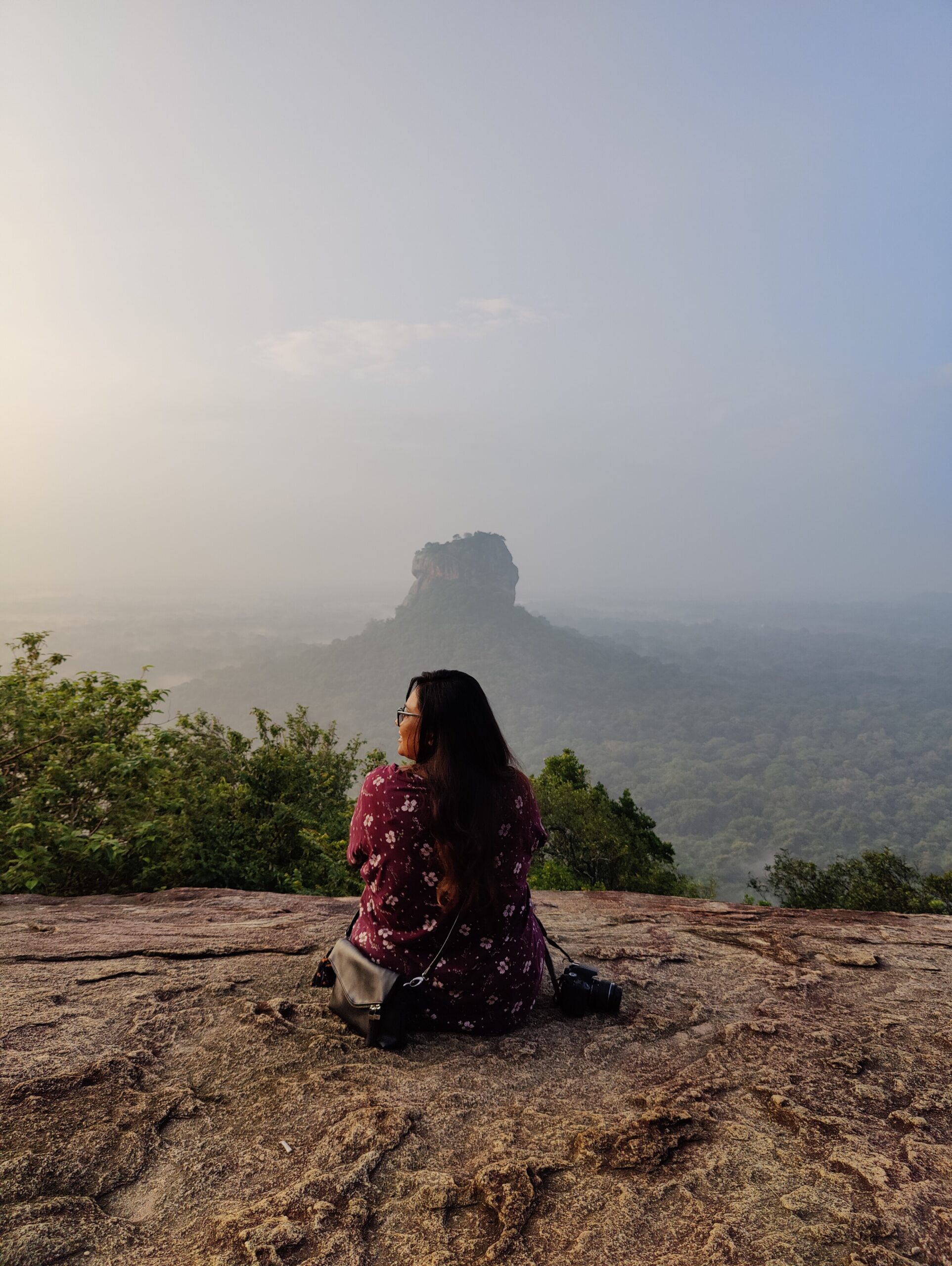
Sri Lanka’s Cultural Triangle is home to some of the country’s most famous historical sites, including Sigiriya, Anuradhapura and the cave temples of Dambulla. Because this region sits inland, the climate here is usually hot and dry for most of the year.
Rain tends to arrive between October and December. Outside of those months, the area enjoys plenty of sunshine and lower humidity than coastal regions. April and May can feel particularly hot, with temperatures often reaching around 32°C.
If you want slightly cooler weather for climbing Sigiriya or exploring ancient ruins, February and March are among the most comfortable months.
Best month to visit: March
The best time to visit Sri Lanka’s Tea Country

Sri Lanka’s hill country sits at a much higher elevation, so temperatures here are noticeably cooler than the rest of the island. Destinations like Ella, Nuwara Eliya and the tea plantations around Kandy offer a refreshing break from the coastal heat.
The driest conditions in this region usually occur between December and May. This period is also considered the main hiking season, especially for those planning to climb Adam’s Peak. Clearer skies and cooler air make it ideal for exploring tea estates, waterfalls and scenic train routes.
Nearby Kandy, which sits slightly lower in altitude, tends to be warmer but still comfortable during these months.
Best month to visit: January
The best time to visit Sri Lanka’s southwest coast
Sri Lanka’s southwest coast, which includes Colombo, Bentota and Hikkaduwa, is heavily influenced by the southwest monsoon. Rainfall is most common between May and September, often accompanied by rougher seas.
The dry season runs from December to March, bringing sunny days and warm temperatures that often sit in the early thirties. This is also when the region sees the highest number of visitors.
January can be particularly lively thanks to cultural events like the Duruthu Perahera Festival, which takes place near Colombo.
Best month to visit: January
The best time to visit Sri Lanka’s south coast
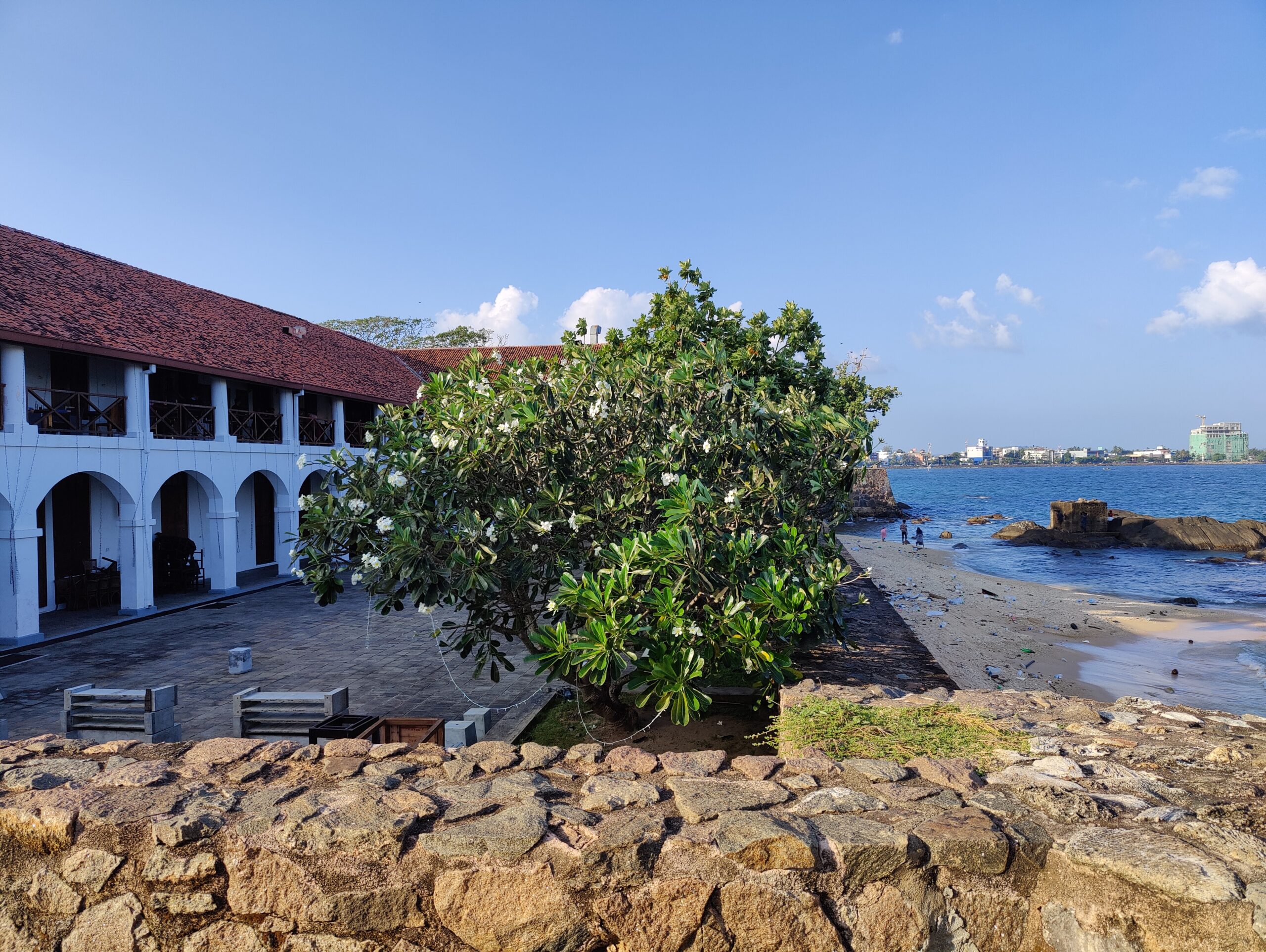
Some of Sri Lanka’s most popular beach towns are found along the south coast, including Galle, Mirissa, Unawatuna and Mawella. This region usually receives heavy rainfall in October, but the weather improves significantly afterwards.
Late November through April is generally considered the best period to visit the south coast. During these months, rainfall is minimal, and temperatures usually sit comfortably in the mid to high twenties. Calm seas and sunny skies make it ideal for beach hopping, whale watching and coastal road trips.
Best month to visit: February
Month – By – Month Guide to Visit Sri Lanka
January
High season
January is one of the most popular months to visit Sri Lanka, especially along the south and west coasts and around the Cultural Triangle, where the weather is typically sunny and dry. It is a great time for beach days, sightseeing, and island exploration without worrying too much about rain. Parts of the north and east can still see a few lingering showers from the monsoon, but overall, the conditions across much of the country are very pleasant.
This is an ideal month to slow down and enjoy Sri Lanka’s coastline, whether that means beach hopping along the south coast or spending a few relaxed days by the ocean. Inland, you can explore historic landmarks such as Sigiriya, take the famous train ride through the hill country, or head out on a safari in Yala National Park to spot elephants, leopards and other wildlife.
February
High season
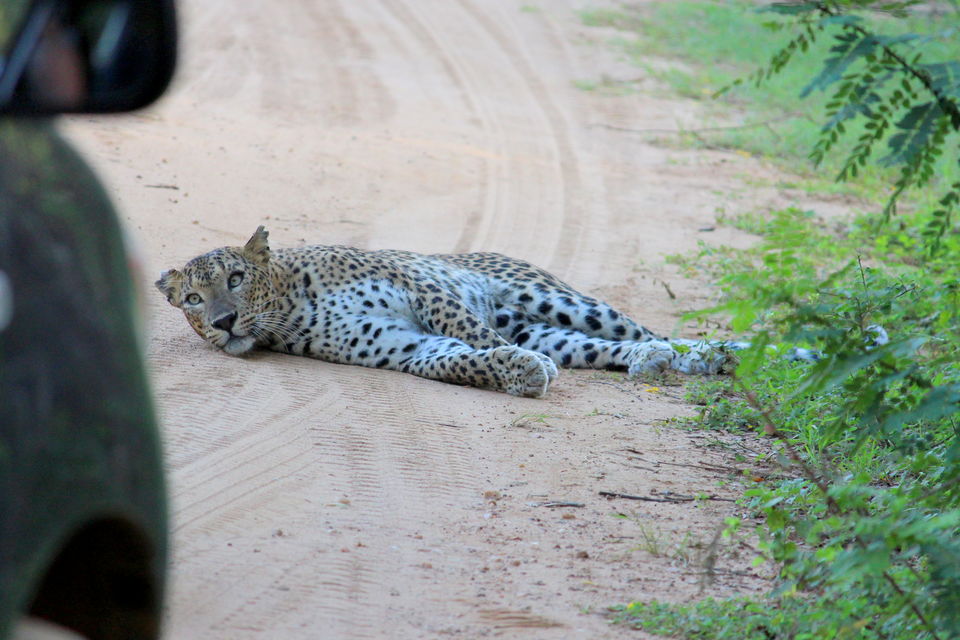
This is a great time to mix different experiences into your itinerary. You can spend a few days relaxing on the beaches along the south coast, go snorkelling in the clear waters, explore Colombo’s mix of colonial history and modern cafés, or head into the highlands for lush green views and famous train journeys. Wildlife sightings are also excellent during this period, with Yala National Park offering good chances to spot elephants, leopards and other animals.
Since February falls within Sri Lanka’s peak travel season, many of the popular attractions and beach towns can get quite busy. Hotels and resorts often fill up quickly, especially in well-known coastal areas, so it’s a good idea to book accommodation and activities in advance.
March
Shoulder season
March is a lovely time to visit Sri Lanka, with dry, sunny weather continuing across the west and south coasts, as well as the central regions. By this time, the north and east of the island have also started to dry out, making it easier to travel across different parts of the country. Temperatures begin to rise slightly during this month, especially in inland areas.
It is a great time to add a bit of adventure to your itinerary. You can go hiking in the Knuckles Mountain Range, explore cultural sites in the central part of the island, or spend time relaxing on the beaches before the crowds of peak season fully return. Surfing lessons in places like Weligama are also popular during this time, especially for beginners.
April
Shoulder season
April is one of the hottest months in Sri Lanka, with warm temperatures across most parts of the island. The weather is still largely dry in many regions, although short evening showers can occasionally appear as the seasons begin to shift. It is a great time to explore Sri Lanka’s hill country, where the slightly cooler temperatures make activities like waterfall chasing, scenic hikes and train journeys even more enjoyable. If you are planning a beach break, the south coast still offers good conditions before the southwest monsoon arrives in the following months.
April is also a culturally significant time in Sri Lanka, as the Sinhala and Tamil New Year usually falls in this month. During the celebrations, some restaurants, shops and transport services may temporarily close as locals spend time with their families.
May
Low season
May marks the onset of the southwest monsoon in Sri Lanka, bringing frequent rain to the south and west coasts. While these regions start to see wetter weather, the east coast and the Cultural Triangle often remain relatively dry, making them better choices for travel during this time. If you are visiting in May, it is worth shifting your itinerary towards the eastern side of the island. Places like Trincomalee offer a nice mix of relaxed beach time and local city exploration, while inland destinations in the Cultural Triangle are still good for sightseeing.
Rain during this month usually arrives in short, predictable bursts rather than lasting all day. That said, hiking trails in the hill country can become muddy and slippery, so it is best to be cautious when planning outdoor treks.
June
Low season
June continues the southwest monsoon across the south and west coasts and the central highlands, so these regions can expect regular rain showers. At the same time, the east and north of the island enjoy much better weather, with plenty of sunshine and warm temperatures. Because of this, June is a great month to focus your travels on Sri Lanka’s east coast. Destinations like Arugam Bay are popular for surfing, while the waters around Trincomalee are ideal for snorkelling, especially around Pigeon Island. Further north, Jaffna offers a completely different side of Sri Lanka, with vibrant markets, historic temples and a distinct local culture.
Wildlife viewing also starts to improve around this time of year. In places like Yala National Park, animals often gather near waterholes as the surrounding landscape becomes drier, which can increase your chances of spotting elephants and other wildlife during a safari.
July
High season
July brings mixed weather across Sri Lanka. The southwest coast and parts of the central highlands are still influenced by the monsoon, although rain showers are often followed by sunny spells. Meanwhile, the east and north of the island enjoy dry, hot conditions, making them excellent destinations during this time of year. It is a great month for wildlife experiences, with national parks like Wilpattu and Gal Oya offering good chances to spot animals in their natural habitat. Adventure seekers can also go white-water rafting on the Kelani River, while photographers will enjoy capturing the misty landscapes of the central highlands.
By July, hiking conditions also start to improve in parts of the hill country. Trails around Ella, Horton Plains, and the Knuckles Mountain Range are once again accessible, making it a good time to explore Sri Lanka’s scenic mountain landscapes.
August & September
High season
August brings a similar weather pattern to July. The southwest and parts of the south coast can still experience monsoon showers, while the north and east of the island continue to enjoy sunny and dry conditions. The central highlands often see occasional rain and misty mornings, creating beautiful scenery and great conditions for photography.
September marks the gradual transition away from the southwest monsoon. The east and north of Sri Lanka still enjoy dry weather, while temperatures in the central highlands begin to feel slightly cooler and more comfortable. It is also one of the last good months for surfing on the east coast, especially in places like Arugam Bay. Hiking in destinations such as Ella is enjoyable during this time, and the landscapes remain lush after the rains earlier in the season.
October
Low season
October is one of the wettest and most unpredictable months in Sri Lanka. The island usually experiences the inter-monsoon period, which brings frequent, sometimes heavy showers across many regions. Rain can arrive suddenly, and travel plans may occasionally be disrupted. Because of the wet conditions, outdoor activities such as long hikes or mountain trails are not always ideal. Paths can become slippery, and leeches are quite common in forested areas during this time.
That said, October can still be a good month to slow down and explore Sri Lanka’s cities and culture. It is a great time to wander through museums, explore the colonial architecture in places like Colombo and Galle, or join local experiences such as Sri Lankan cooking classes and traditional dance performances. With fewer visitors around, many attractions also feel quieter and more relaxed.
November
Low season
November is a transitional month for Sri Lanka’s weather. While the northeast monsoon begins to bring rain to the north and east of the island, the south and west coasts slowly start to see clearer skies and more sunshine. This can be a lovely time to head into the central highlands, where cooler temperatures, tea plantations and misty landscapes create a cosy atmosphere. Destinations like Ella, Nuwara Eliya and the surrounding tea estates are especially scenic during this time of year.
If you are looking for a relaxing coastal break, the south coast is also becoming more appealing again as the weather improves. Beach towns along this stretch offer everything from boutique stays to luxurious resorts, making it a great place to unwind.
December
High season
December marks the return of the dry season across much of Sri Lanka, particularly along the west and south coasts and in the central regions. The weather is usually sunny and pleasant, which makes it a popular time to explore the island’s beaches, cultural sites and hill country landscapes. The number of travellers rises, especially as Christmas and New Year approach. Coastal destinations along the west coast and cities like Colombo become particularly lively during the festive period, with many travellers arriving for year-end holidays.
If you are planning to visit Sri Lanka in December, it is best to book accommodation well in advance, especially for the last two weeks of the month. In the central highlands, temperatures can drop noticeably in the evenings, so it is a good idea to pack a light jacket or some warmer layers for cooler nights.
So, when should you plan your trip to Sri Lanka?
The best time to visit Sri Lanka really depends on the kind of trip you want to have and which part of the island you plan to explore. Thanks to its unique monsoon patterns, there is almost always a region in Sri Lanka experiencing good weather at any given time of the year.
If you are visiting for the first time and want to explore the south coast, the Cultural Triangle and the hill country in one trip, the months between December and April tend to offer the most reliable weather. However, travelling outside the peak season can also be incredibly rewarding, with fewer crowds, better prices, and the chance to explore different parts of the island, such as the east coast and the north.
From my own experience of visiting Sri Lanka three times in different months, I’ve realised that each season brings a slightly different side of the country. Whether it’s beach days along the southern coast, misty mornings in the tea country or wildlife safaris in the national parks, Sri Lanka always has something to offer, no matter when you decide to go.
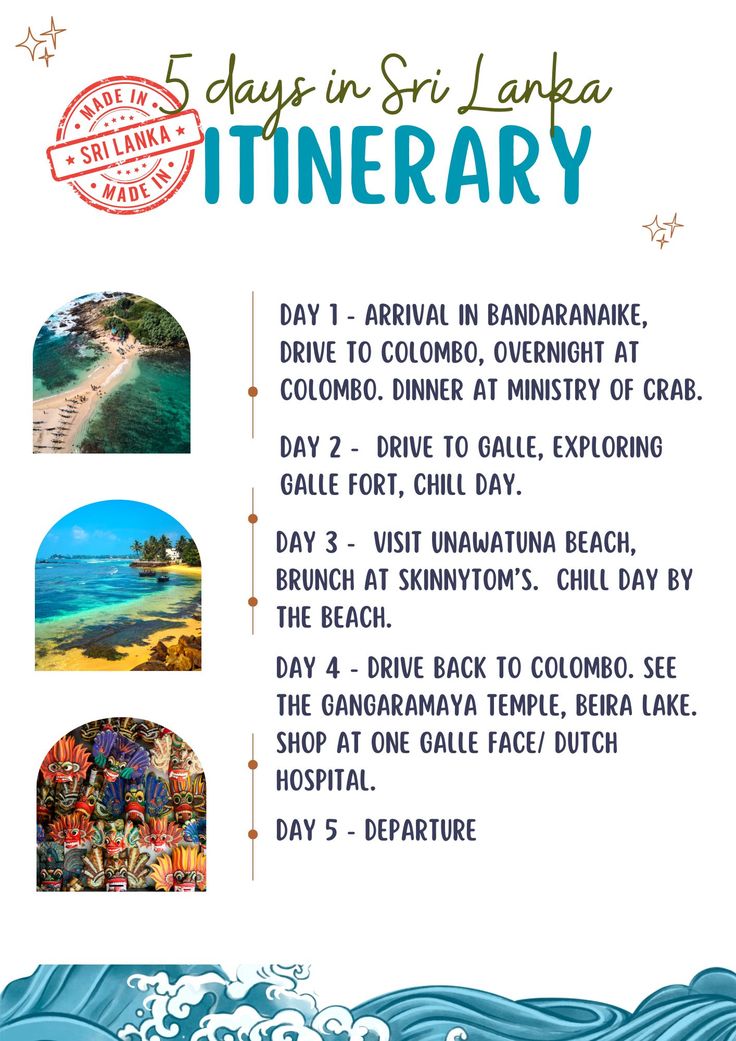
Also, feel free to borrow my Sri Lanka travel itinerary!
Disclaimer: This post contains a few affiliate links. If you click any of them and make a purchase, I might earn a small commission at no extra cost to you. Just know that I truly appreciate your support if you choose to do so.
Tags:
Share:


About Me
I travel to collect stories, slowly and meaningfully, with an open heart. I wander a little farther for good food, linger longer to understand a place, and write so I can call it “work.” A slow traveller at heart, I believe in experiences over checklists, in moments that unfold at their own pace, and in connections that stay long after the journey ends.
An absolute foodie and die-hard mountain lover, I find my happiest moments in quiet Himalayan towns with a cup of lemon-honey-ginger tea in hand. Over the years, I’ve had the joy of exploring places across India and beyond, each trip teaching me something new about people, cultures, and myself. When I’m not lost in thought or coffee, you’ll find me exploring the world one destination at a time, always looking for places that make me feel something. I love to read and write (give me a book and I’ll love you all the more) and share honest insights, real photos, and thoughtful recommendations from my own travels, so you can experience every place a little deeper, a little slower, and with just the right touch of comfort.
 Pinterest
  Linkedin
  MuckRack
Exploring The World, One Place At a Time!