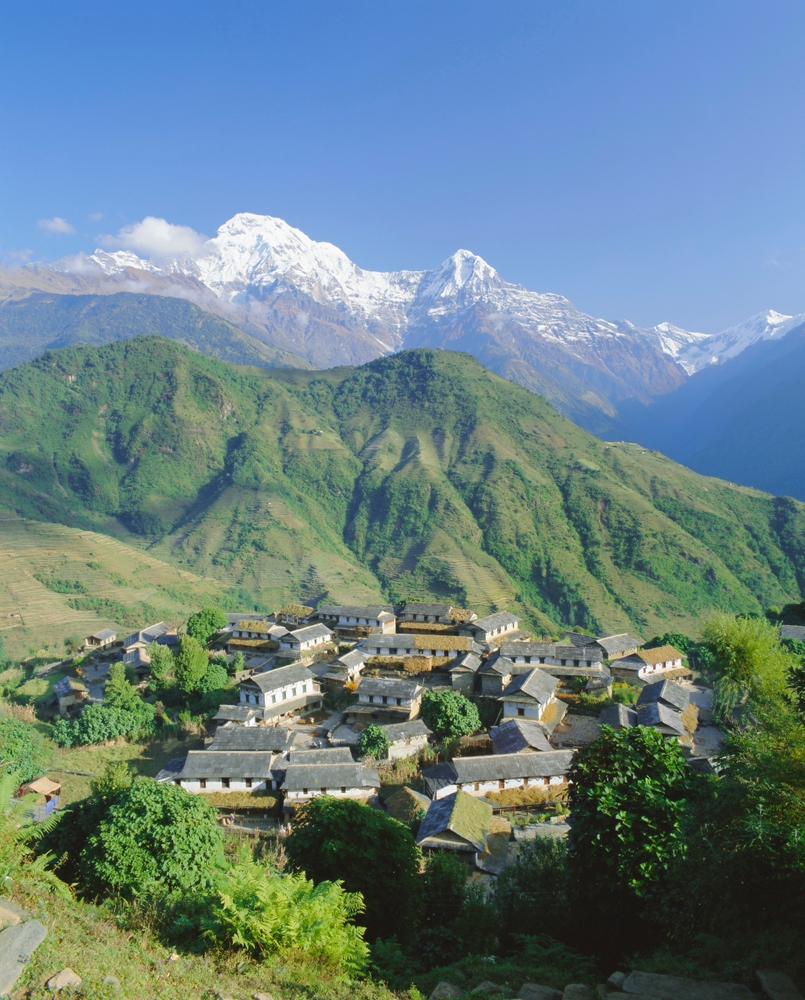

Footprints of Faith: Exploring Nepal’s Spiritual Trails Beyond the Peaks
This post is written by a guest contributor, Samyog Shrestha.
Author Bio: Samyog is a passionate travel enthusiast and content writer at Himalayan Masters. He has been exploring Nepal for years, and knows all the trek routes well. With a deep love of exploring new destinations, he draws on real experiences to craft engaging travel stories. His curiosity for diverse cultures and traditions fuels his writing, making his work both informative and heartfelt.
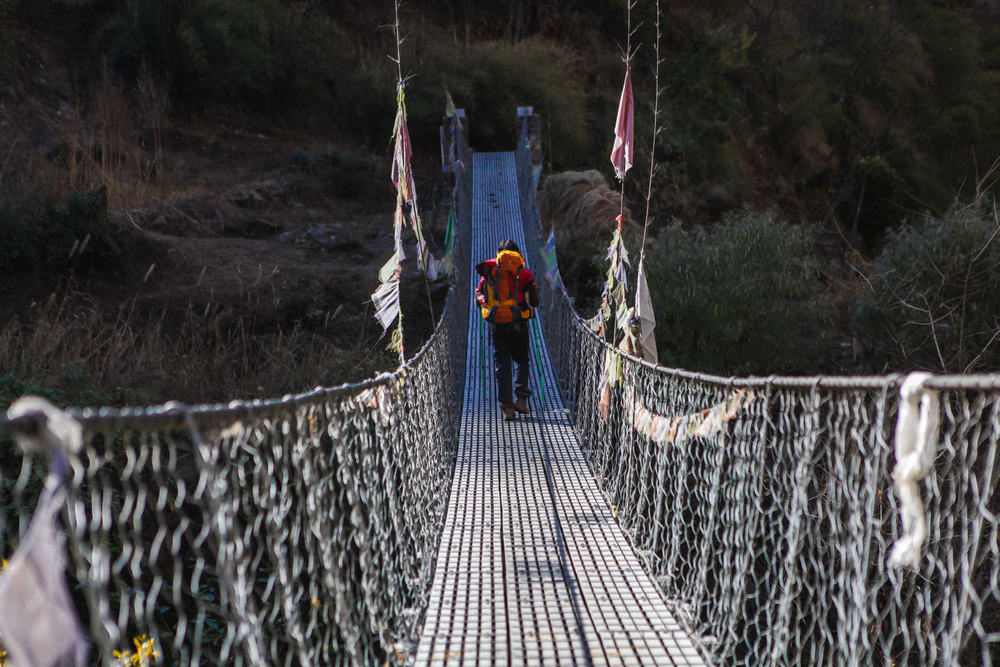
Nepal is a land of towering peaks and breathtaking trails. The mighty Everest, Annapurna, and Langtang ranges rise like ancient guardians, creating views so surreal they feel painted by the gods. Yet beyond these snow-clad giants lies another side of the country—one built on faith, silence, and centuries-old stories whispered along mountain paths.
While exploring Nepal, you’ll discover that trekking here isn’t just about endurance or altitude. It’s a soulful journey of enlightenment, peace, and connection, with the land, its people, and the spirit of the Himalayas. These sacred routes have long been walked by sages, monks, and seekers of truth. Every step on these spiritual trails feels like a quiet prayer – a moment of harmony with nature and self.
Where Faith Walks Beside You
From the Buddhist monasteries of Solukhumbu to the Hindu shrines of Muktinath, Nepal’s trekking routes are living museums of spirituality. Trekking becomes a pilgrimage in these routes.
These centuries-old trails have existed long before trekking was a trend. These paths link temples, stupas, and sacred lakes, each holding a story that blends myth, nature, and human belief.
Trekking in such places feels different. These routes radiate with calm energy, carried through prayer flags, chants echoing from the monastery in the distance, and gentle smiles of locals. They see faith as a way of life, not a separate act.
The Journey of Body and Soul
Some of the most iconic spiritual trails in Nepal are Gosaikunda Lake, Muktinath Temple, Tengboche Monastery, and Serang Gompa.
Perched at 4,380 meters (14,370 ft) in the Langtang Trek Nepal, Gosaikunda Lake is a sacred pilgrimage site for Hindu pilgrims. It is considered the abode of Lord Shiva. For trekkers, it’s a place where divinity meets dramatic alpine beauty.
Similarly, the trail to Muktinath Temple on the Annapurna Circuit route in Mustang draws both Hindu and Buddhist pilgrims. Known as the “place of liberation”, Muktinath is situated at 3,800 meters (12,460 ft), beneath the eternal snows of Thorong La Pass.
Here, monks and priests perform rituals side by side, a rare symbol of harmony that defines Nepal’s soul.
Likewise, Tengboche and Serang monasteries, as well as various monasteries and temples along the trek route, offer a sense of adventure and awakening. The higher you climb, the lighter and more connected you feel.
Faith in Every Footstep
Companies like Himalayan Masters understand that trekking in Nepal isn’t always about adrenaline; it’s more about awareness. Their itineraries are aligned to sacred destinations that blend culture with contemplations. You don’t just walk; you witness.
On these trails, faith isn’t confined to temples and monasteries. It’s found carved in every stone (mani stone), every butter lamp lit, in monks offering food to travellers, or the locals who begin their day with a quiet prayer.
These small rituals remind you that spirituality in Nepal is woven into everyday life, humble, natural, and deeply human.
Sacred Trails Where Mountains Whisper Prayers
Every trail in Nepal carries a quiet sense of devotion. Here, faith is not just practised, it’s lived. Prayer flags flutter in the winds, mani walls line the paths, and the distant sound of bells blends with the mountain breeze.
From the serene Kyanjin Village in the Langtang Trek route to the walled city of Lo Manthang in Upper Mustang Trek, spirituality flows through every step. The Himalayas remind us how small we are compared to nature. It reminds us that true peace lies not in reaching the summit, but in walking with awareness, gratitude, and humility.
Walking the Path of Pilgrims
If solitude away from the tourist trails is what you seek, consider the Pathibhara Devi Temple trek in eastern Nepal. The short trek is emotionally charged. Locals feel that the goddess Pathibhara fulfils the wishes of true devotees.
The trail leads you through rhododendron forests, fog-shrouded mountains, and villages untouched by herd tourism. It’s not so much about landscapes but more about the serene communion that you have with something greater than yourself.
And then Lumbini, Lord Buddha’s birthplace, where a quiet promenade around the holy garden transforms into a religious meditation. Temple bells clinking, the prayer wheels, and gentle chanting generate an atmosphere of peace like one can experience in no other corner of the globe.
In so many ways, to hike Nepal’s spiritual paths is to tread a living prayer. Every village, every shrine, every pass has a message for those who walk reverently. It fills one with humility, how small we are in the presence of the Himalayas, and gratitude for the privilege of seeing such grandeur.
The faith along these paths does not need to believe in one religion. It asks you to believe in something natural and common: kindness, harmony, and balance between nature and humans.
Exploring Nepal, Beyond the Peaks
Adventure will bring you to Nepal, but it is belief that leads you home. The Himalayas are not only the world’s tallest peaks; they are the world’s most authentic mirrors. They reflect who we are when comfort is removed, when noise is silenced, and when pride is stripped away.
As you trek along these trails, from Gosaikunda to Tengboche, from Muktinath to Pathibhara, you are not merely tracing a route on a map. You are traversing the footsteps of faith imprinted by generations of devotees who have trekked with purpose, with aspiration, and with reverence. So, the next time you buckle up your boots for a trek in Nepal, remember this: the greatest destination is not on a summit, but in the space of stillness that opens within you along the way.
Tags:
Share:


About Me
I travel to collect stories, slowly and meaningfully, with an open heart. I wander a little farther for good food, linger longer to understand a place, and write so I can call it “work.” A slow traveller at heart, I believe in experiences over checklists, in moments that unfold at their own pace, and in connections that stay long after the journey ends.
An absolute foodie and die-hard mountain lover, I find my happiest moments in quiet Himalayan towns with a cup of lemon-honey-ginger tea in hand. Over the years, I’ve had the joy of exploring places across India and beyond, each trip teaching me something new about people, cultures, and myself. When I’m not lost in thought or coffee, you’ll find me exploring the world one destination at a time, always looking for places that make me feel something. I love to read and write (give me a book and I’ll love you all the more) and share honest insights, real photos, and thoughtful recommendations from my own travels, so you can experience every place a little deeper, a little slower, and with just the right touch of comfort.
 Pinterest
  Linkedin
  MuckRack
Exploring The World, One Place At a Time!