
Hidden Gems in Bangkok That Nobody Talks About
Bangkok is usually sold in the same familiar package: the Grand Palace, Wat Arun, Chatuchak market, rooftop bars, and chaotic tuk-tuk rides. And yes, those are worth seeing! But the real magic of Bangkok begins after you stop chasing the checklist. So here are a bunch of hidden gems in Bangkok that nobody talks about, but are absolutely worth visiting.

This is a city of canals, crumbling shophouses, hidden courtyards, family-run shrines, river communities, forgotten warehouses, indie cafés, and neighborhoods that still feel lived-in rather than curated for tourism. Beneath the polished malls and famous temples, Bangkok has an entirely different personality: much quieter, stranger, more intimate, and much more memorable.
Long before roads took over, Bangkok was built around khlongs (canals), and much of its most authentic character still survives in the neighborhoods that grew around them. That older Bangkok, especially in places like Thonburi and the river communities beyond the postcard landmarks, is where many of the city’s most rewarding “hidden gems” still live.
What follows isn’t a list of “secret places” in the gimmicky sense. These are the corners of Bangkok that still feel personal—places locals, slow travelers, photographers, food lovers, and urban wanderers tend to remember most.
1) Talat Noi: Bangkok’s Most Beautifully Unpolished Neighborhood
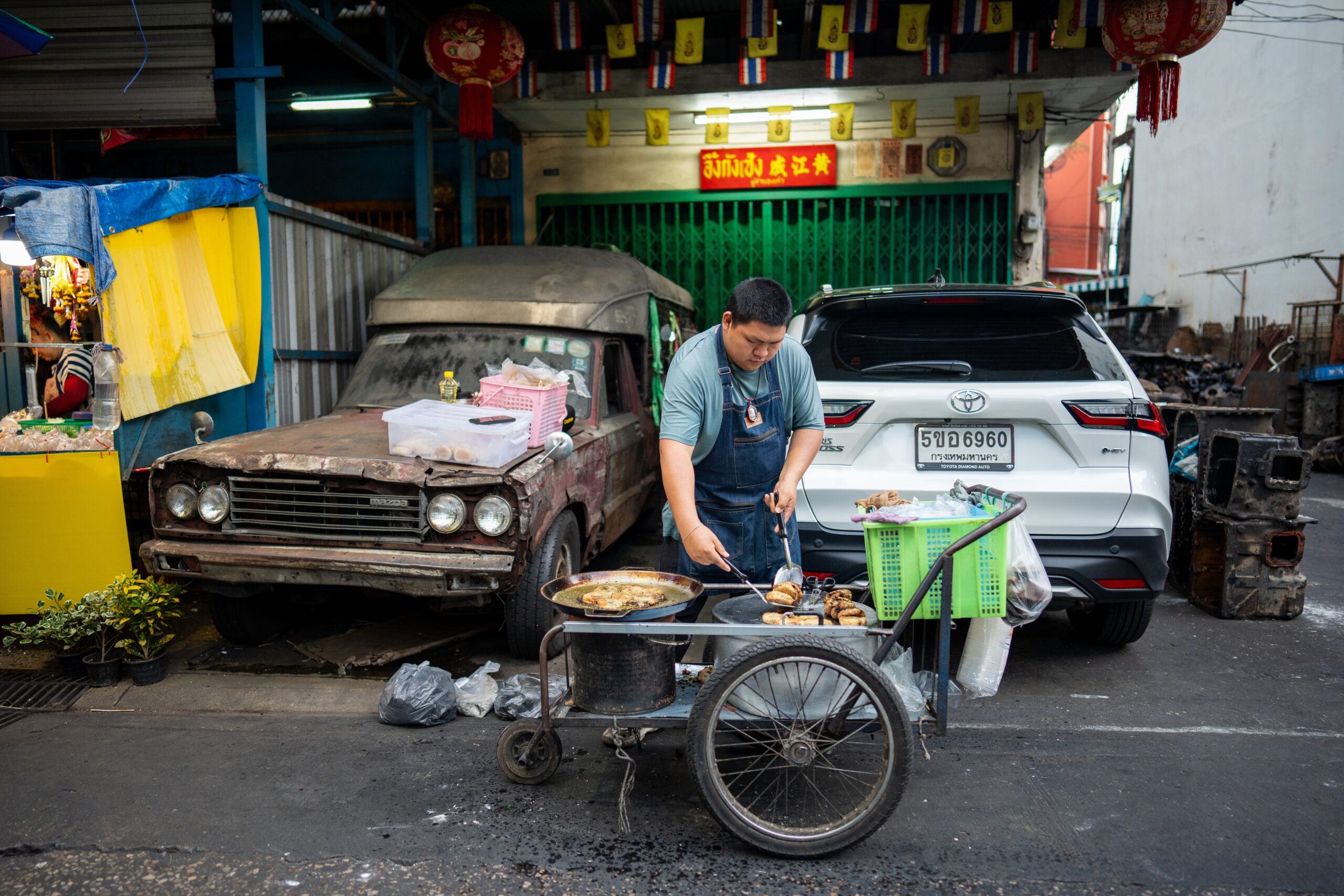
If you only visit one “hidden” part of Bangkok, make it Talat Noi.
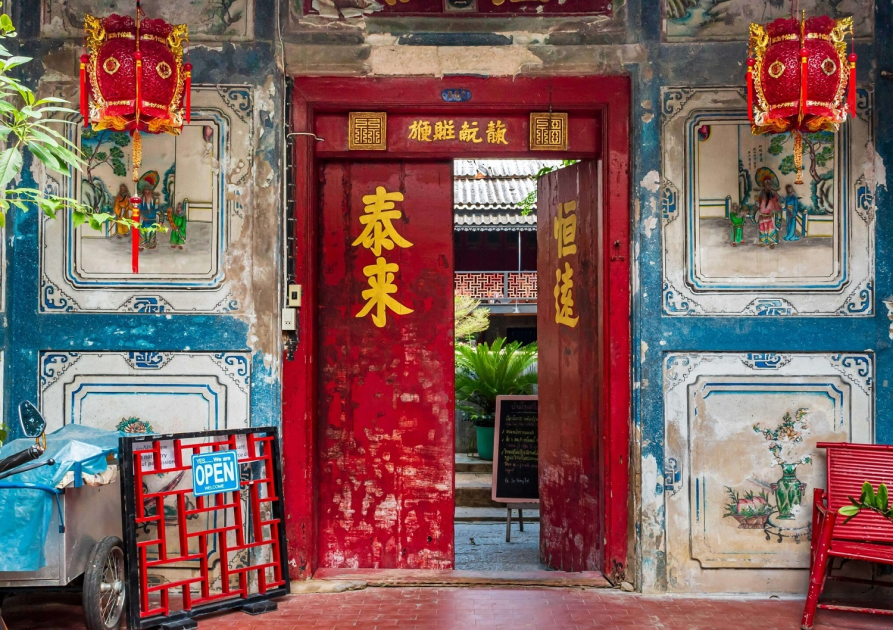
Tucked beside Chinatown and the Chao Phraya River, Talat Noi is one of the city’s oldest neighborhoods, but it doesn’t announce itself loudly. You won’t find a giant sign saying “authentic Bangkok.” Instead, you’ll find rusted engine parts, Chinese shrines, old warehouses, street murals, tiny coffee bars, scooter repair shops, and quiet lanes that somehow feel cinematic without trying.
This is what makes Talat Noi special: it hasn’t been cleaned up into a tourist district. It still feels like a neighborhood with a working memory. Travelers on Reddit consistently describe Talat Noi as one of Bangkok’s most walkable, artsy, and atmospheric areas, especially for those who want old-world character rather than polished attractions. Locals and repeat visitors often point to it as the kind of place where Bangkok suddenly feels “human” again.
Why is it worth visiting?
- You can wander for hours with no plan.
- It’s ideal for street photography and architecture lovers.
- It offers one of the best “old Bangkok meets creative revival” experiences in the city.
Best way to do it:
Go in the late morning or golden hour. Start near the river edge, then drift inward through the back lanes. Don’t over-map it. Talat Noi rewards curiosity more than planning.
What to notice?
Make sure to look for:
- weathered wooden shutters
- tiny altars and incense-filled shrines
- hidden wall art
- old machine shops that feel frozen in time
- coffee spaces tucked into former industrial buildings
This is Bangkok without the performance, and they also call Talat Noi as Bangkok’s Street Art Capital.
2) Song Wat Road: Bangkok’s Coolest Old-World Street That Still Feels Undiscovered
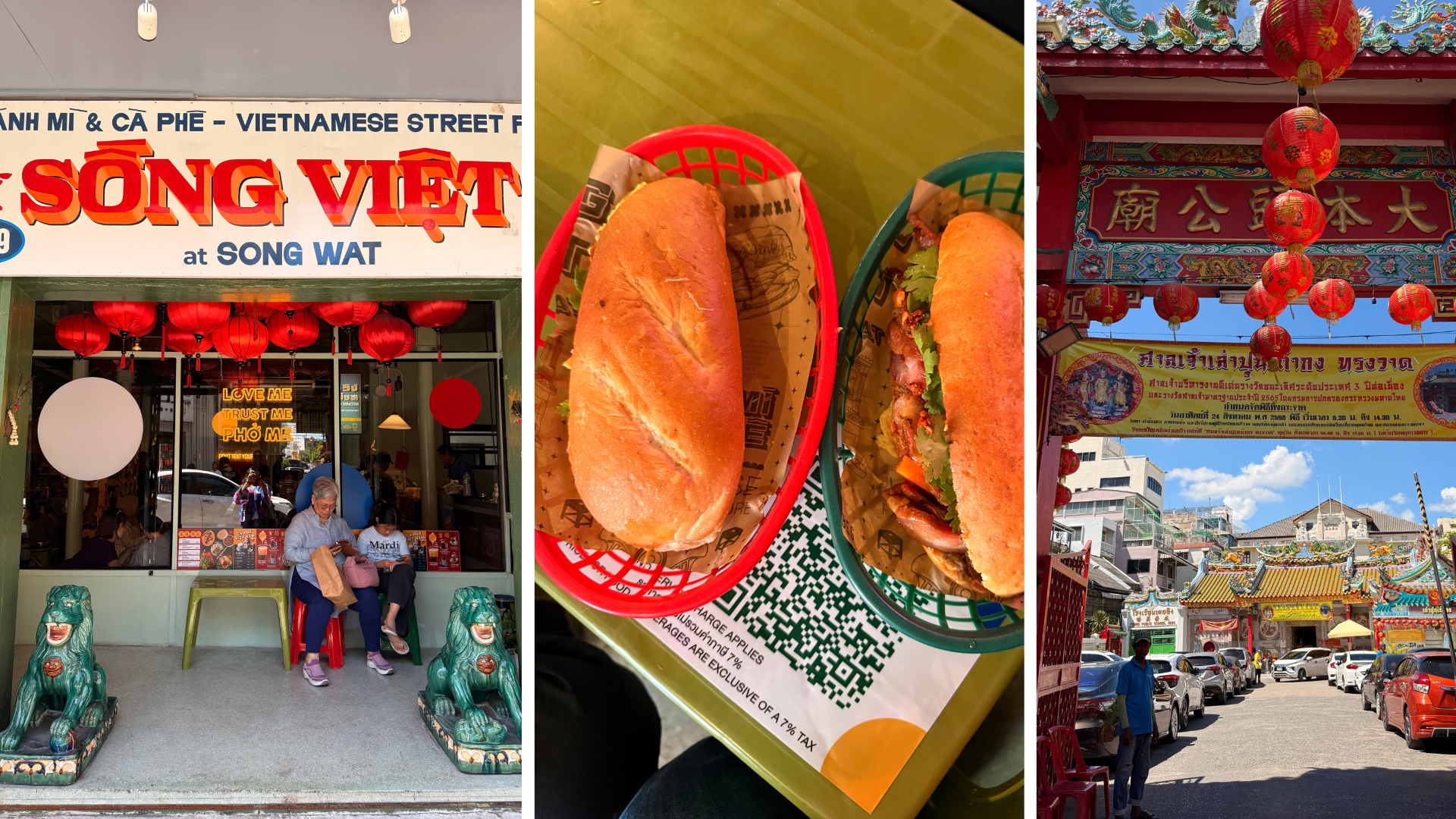
If you want to see the version of Bangkok that feels both historic and quietly ahead of the curve, make time for Song Wat Road.
We ended up there while I was busy hunting for a coffee shop that I had bookmarked from an Instagram reel, and Song Wat felt like one of those rare streets that were waking up without losing itself. Once a major trading route lined with warehouses and old shophouses, it’s now become one of the city’s most interesting stretches for travelers who like neighborhoods with texture, character, and a sense of local evolution.
Everything about that area was postcard-perfect, be it the faded facades, Chinese-Thai heritage buildings, tucked-away cafés, creative storefronts, or the hole-in-the-wall food spots. For us, the long, slow walks to every doorway felt like it has a story.
Why is it worth visiting?
- It’s one of Bangkok’s best neighborhoods for slow wandering.
- It blends heritage architecture, local life, and creative energy beautifully.
- It offers a more intimate and less chaotic alternative to the busier parts of Chinatown.
Best way to do it:
You can either go in the morning and grab a coffee and then take a walk, or go in the late afternoon when the heat softens, and the street starts to glow. Begin at one end of Song Wat and simply walk without a strict plan. Stop when something catches your eye, whether it’s a bakery, an old signboard, a coffee window, or a tiny shrine squeezed between buildings.
What to notice?
Look for:
- aging shophouses with beautifully worn details
- old Chinese lettering and vintage signboards
- tucked-away specialty cafés and bakeries
- family-run stores beside new creative spaces
- side alleys that open into surprising little pockets of life
3) Khlong Bang Luang: The Canal-Side Bangkok Most Visitors Never See
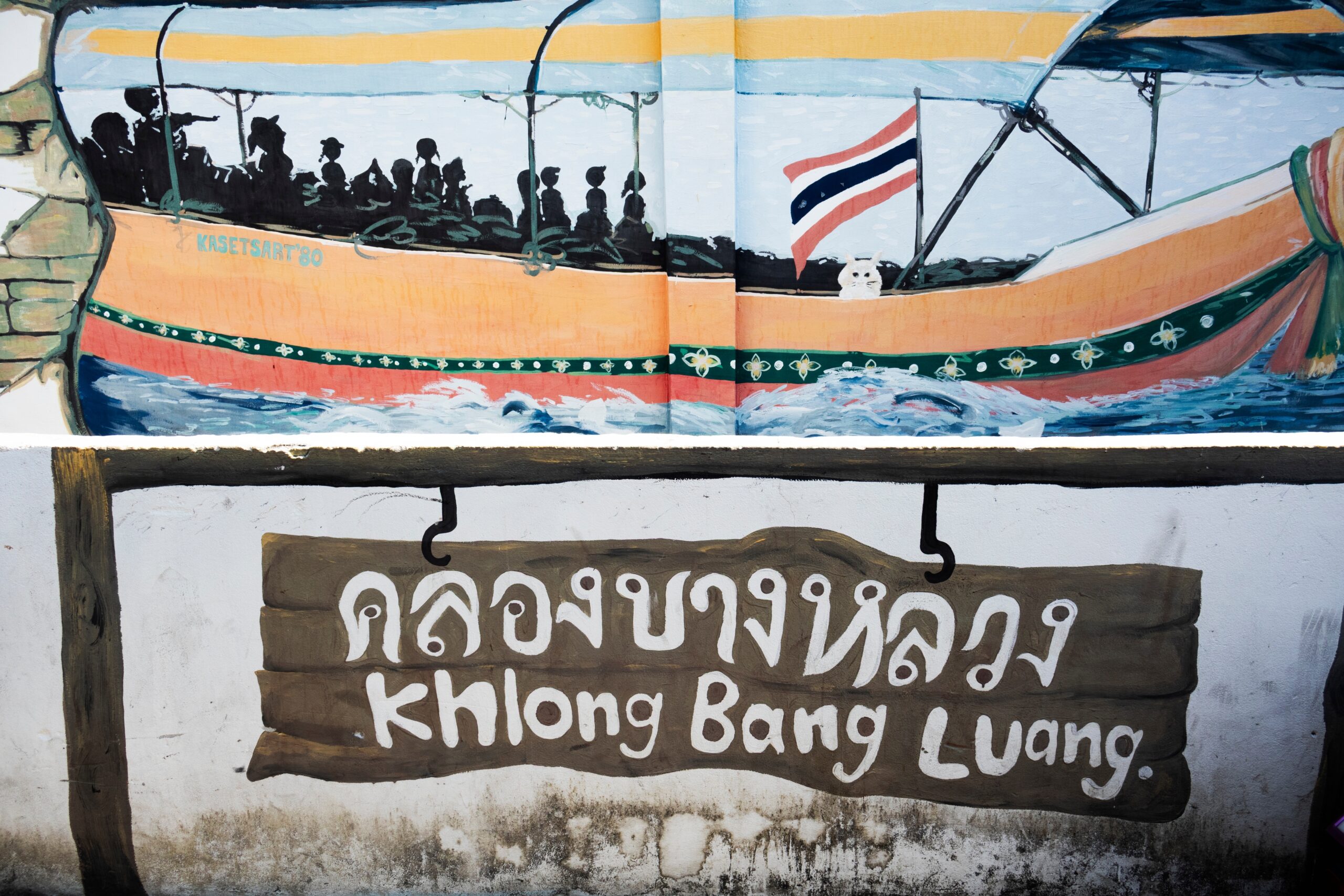
Many people say they want to “see the real Bangkok,” but they never leave the temple circuit. If that’s you, Khlong Bang Luang is your correction. This canal-side community in Thonburi feels like stepping into a slower century. Wooden houses line the water. Boats pass lazily. Local life unfolds in full view.
One of the area’s best-known anchors is The Artist’s House (Baan Silapin), a canal-side cultural space that has become a favorite among travelers looking for something more intimate than Bangkok’s headline attractions. More recent travel coverage and traveler reviews continue to highlight the neighborhood for its atmosphere rather than spectacle.
Why does it feel different?
Unlike central Bangkok, where movement is constant and vertical, this area feels horizontal and slow. You don’t “do” much here. You watch. You sit. You drift.
What to do?
- Walk the canal boardwalks
- Stop for tea or coffee overlooking the water
- Visit local art and craft spaces
- Watch neighborhood life unfold from a shaded wooden terrace
Why does it matter?
Khlong Bang Luang reminds you that Bangkok was once a city of waterways first, roads second. If you want to understand the soul of the city, not just its attractions, this is where you’ll have to start!
4) Wat Ratchanatdaram (Loha Prasat): The Temple That Feels Like a Secret
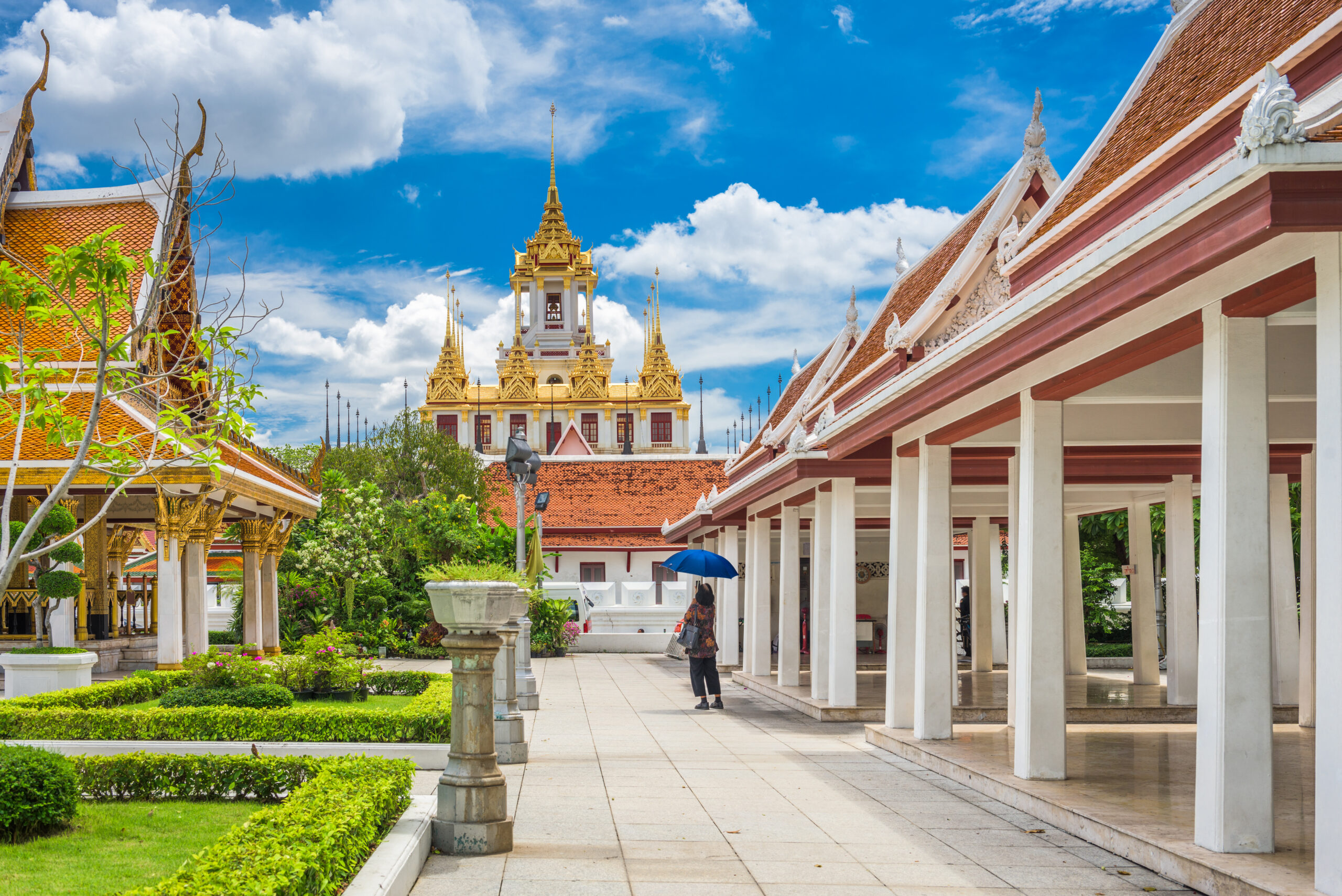
Bangkok has no shortage of temples, which is exactly why most visitors miss one of its most distinctive: Wat Ratchanatdaram, home to Loha Prasat, a rare multi-spired metal castle structure that looks almost surreal against the Bangkok skyline. Compared with Wat Pho or Wat Arun, this temple gets a fraction of the attention, which is absurd considering how architecturally unique it is. Traveler reviews repeatedly describe it as peaceful, underrated, and far less crowded than the city’s famous temple circuit.
Why does it stand out?
This isn’t a temple you visit just to “tick a temple box.” It has a striking geometry and a calm, contemplative atmosphere that feels very different from Bangkok’s busiest religious sites.
Getting to Wat Ratchanadda:
Wat Ratchanadda is easy to reach from several parts of old Bangkok. If you’re using public transport, take the MRT to Sam Yot or Ratchadamnoen Klang station – both are around a 10 to 15-minute walk from the temple.
If you’re taking a taxi or Grab, most drivers will recognize Wat Ratchanatdaram or Loha Prasat, which is the temple’s most famous structure. If you’re using a regular taxi, it’s always best to ask for the meter.
The temple is also very walkable if you’re staying in Bangkok’s historic center. It’s about a 10 to 12-minute walk from Khao San Road and roughly 5 minutes from Democracy Monument.
Admission: 20 baht (subject to change)
Opening hours: Daily, 8:00 AM – 5:00 PM
Best reason to visit:
You get the beauty of monumental Bangkok architecture without the crush of tour groups.
Best time to go:
Early morning or late afternoon, when the light catches the metallic spires, and the grounds feel especially quiet.
Pro tip:
Dress respectfully; it is required to cover shoulders and knees. Also, you can explore the nearby old town, rather than trying to jam it into a rushed “temples day.” Make sure to have enough time to slow down and explore at your own pace.
5) Bang Krachao: Bangkok’s “Green Lung” That Feels Like an Escape Hatch
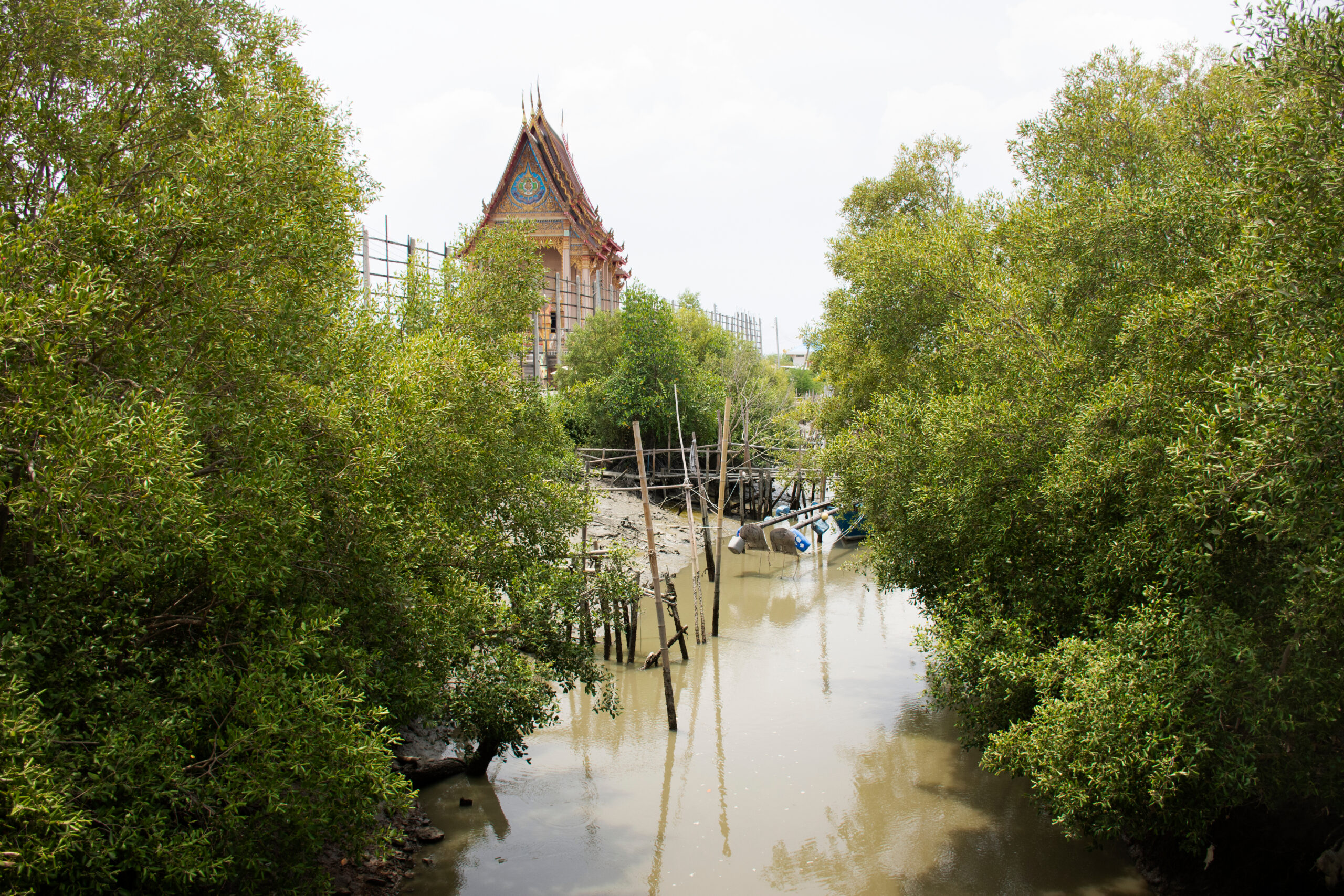
Technically, Bang Krachao sits just outside the version of Bangkok most tourists imagine, but that’s exactly why it belongs here. This lush, green area is often called Bangkok’s “Green Lung”, and for good reason. It feels less like a city attraction and more like a reset button. Elevated walkways cut through tropical vegetation, bike routes weave through quiet pockets of community life, and the air feels lighter almost immediately.
Recent local-style Bangkok guides continue to frame Bang Krachao as one of the city’s most meaningful off-the-beaten-path experiences, especially for travelers who need a break from the sensory overload of central Bangkok.
Why do people love it?
Because it gives you something rare in Bangkok: space and silence!
Best things to do:
- Rent a bicycle
- Explore shaded lanes and raised paths
- Stop at local cafés or markets
- Spend a half-day doing absolutely nothing urgent
6) MOCA Bangkok: The Art Museum That Most Tourists Completely Miss
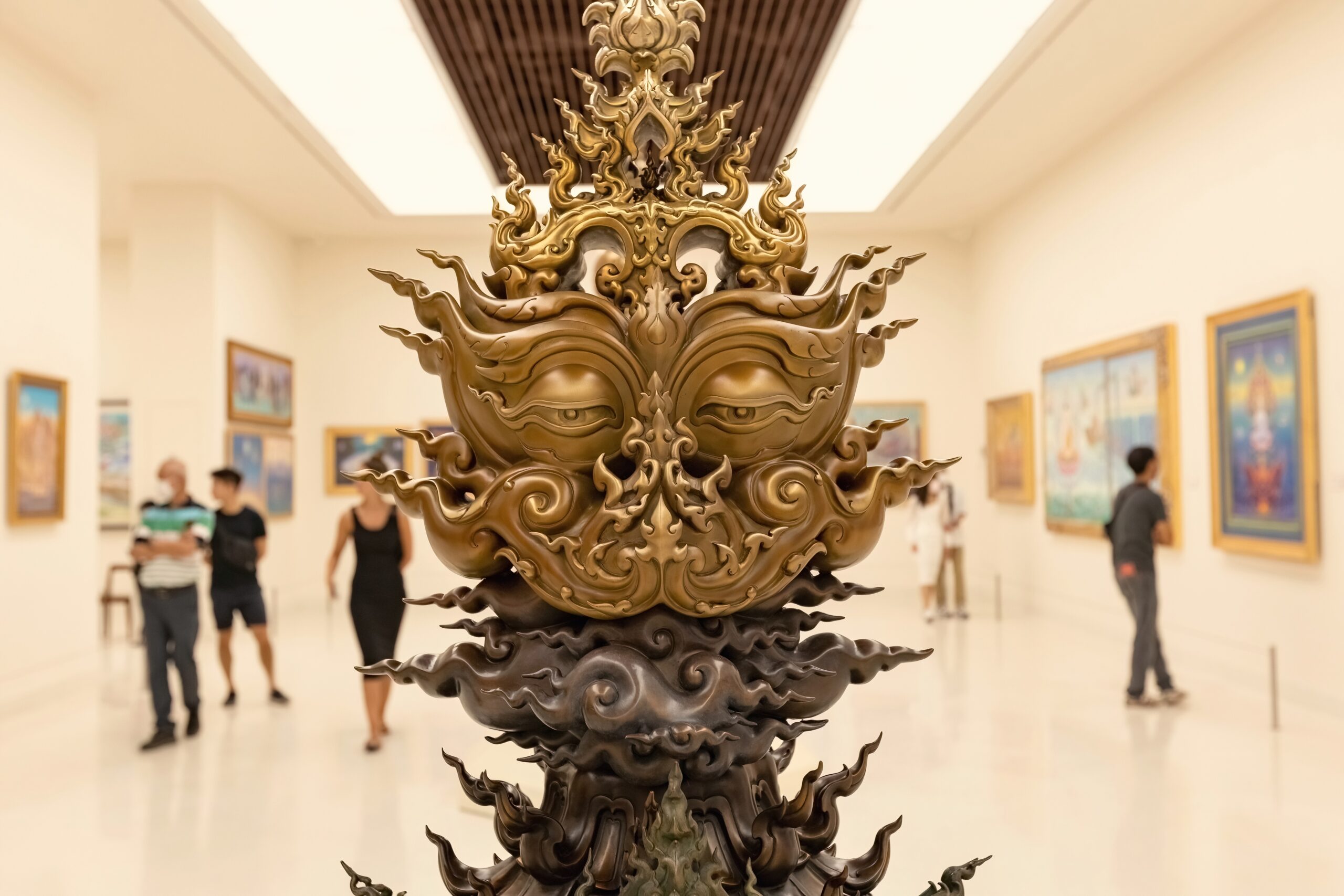
Bangkok’s art scene doesn’t get nearly enough attention, and MOCA Bangkok (Museum of Contemporary Art) is one of the clearest examples of that oversight.
While most visitors spend their cultural time moving between temples, markets, and malls, MOCA offers something completely different: a chance to experience modern Thailand through its artists, ideas, contradictions, and visual imagination. It’s one of the best places in the city to understand how Thailand sees itself beyond postcards and tradition.
Why does it deserve more attention?
Because it gives you access to modern Thai imagination, not just Thai heritage.
Temples and palaces tell you where Thailand has been. MOCA helps show you where it is now, how artists interpret faith, tradition, class, politics, mythology, and contemporary life in ways that feel layered, surprising, and often deeply personal.
Why does it matter?
If you only experience Bangkok through food and temples, you’ll miss the way contemporary Thailand thinks about identity, politics, religion, class, beauty, and modernity.
Best way to do it:
Give yourself at least 1.5 to 2 hours here, ideally more if you enjoy reading wall texts and sitting with certain works. This isn’t a museum to rush through in “highlight mode.” The real value comes from wandering slowly and letting certain rooms surprise you.
You can book your tickets here.
Try to visit on a day when you’re not overpacked with plans. MOCA works best when you arrive with a little mental space.
What to notice?
Look for:
- contemporary reinterpretations of Buddhist and mythological imagery
- surreal, dreamlike works layered with symbolism
- pieces that reflect urban anxiety, class, power, and social identity
- the contrast between traditional Thai visual language and modern artistic expression
Bangkok is not only ancient and chaotic, but it’s also deeply creative, reflective, and modern. MOCA proves it beautifully.
7) Wattana Panich: Bangkok’s Legendary “Half-Century Soup” Experience
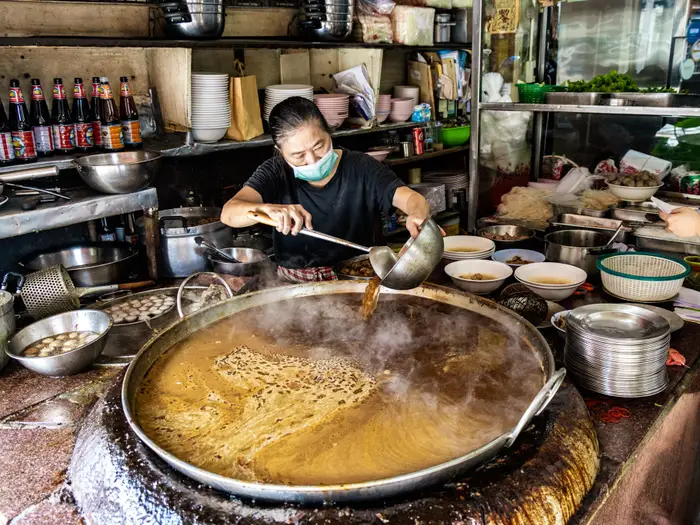
Forget the Michelin-starred restaurants; some of Bangkok’s secret recipes are usually served in bowls!
One of the most fascinating examples is Wattana Panich, a humble, family-run restaurant in Bangkok’s Ekkamai neighborhood that has become famous for its extraordinary “half-century soup”.
At the heart of the restaurant is a giant pot of beef noodle soup (neua tune), often described as a “perpetual stew” because the broth has been continuously simmered, replenished, and preserved for more than 50 years. Rather than emptying and restarting the pot from scratch, the broth is carefully maintained each day—fresh meat, herbs, and spices are added, while the deeply flavored base remains alive underneath it all.
This long-simmering method is sometimes compared to a hunter’s stew, where flavor builds gradually over time rather than being created in a single batch. The result is a broth with remarkable depth—rich, dark, aromatic, slightly sweet, intensely savory, and layered with the kind of complexity that only time can create. Today, the tradition is carried on by Nattapong Kaweenuntawong, the third-generation owner, who continues to preserve the family’s most famous culinary ritual with the same slow, deliberate care.
[Also read: Legendary 50-Year-Old Beef Soup]
Why does it matter?
Because Bangkok’s food scene isn’t only about trendy cafés, Michelin mentions, or viral street food videos. Some of its most unforgettable meals happen in places that look almost ordinary from the outside but hold decades of memory and technique inside the kitchen.
Wattana Panich is a perfect example of that. It reminds you that in Bangkok, some of the city’s best food isn’t about reinvention—it’s about repetition, patience, and trust.
What makes it memorable?
The magic isn’t just in the broth itself. It’s in what the broth represents.
Every bowl carries traces of what came before – years of simmering, family knowledge, daily discipline, and a cooking philosophy that values preservation over novelty. In a city that moves fast, there’s something incredibly powerful about a meal that has been shaped so slowly.
8) BACC: Bangkok’s Contemporary Creative Heart
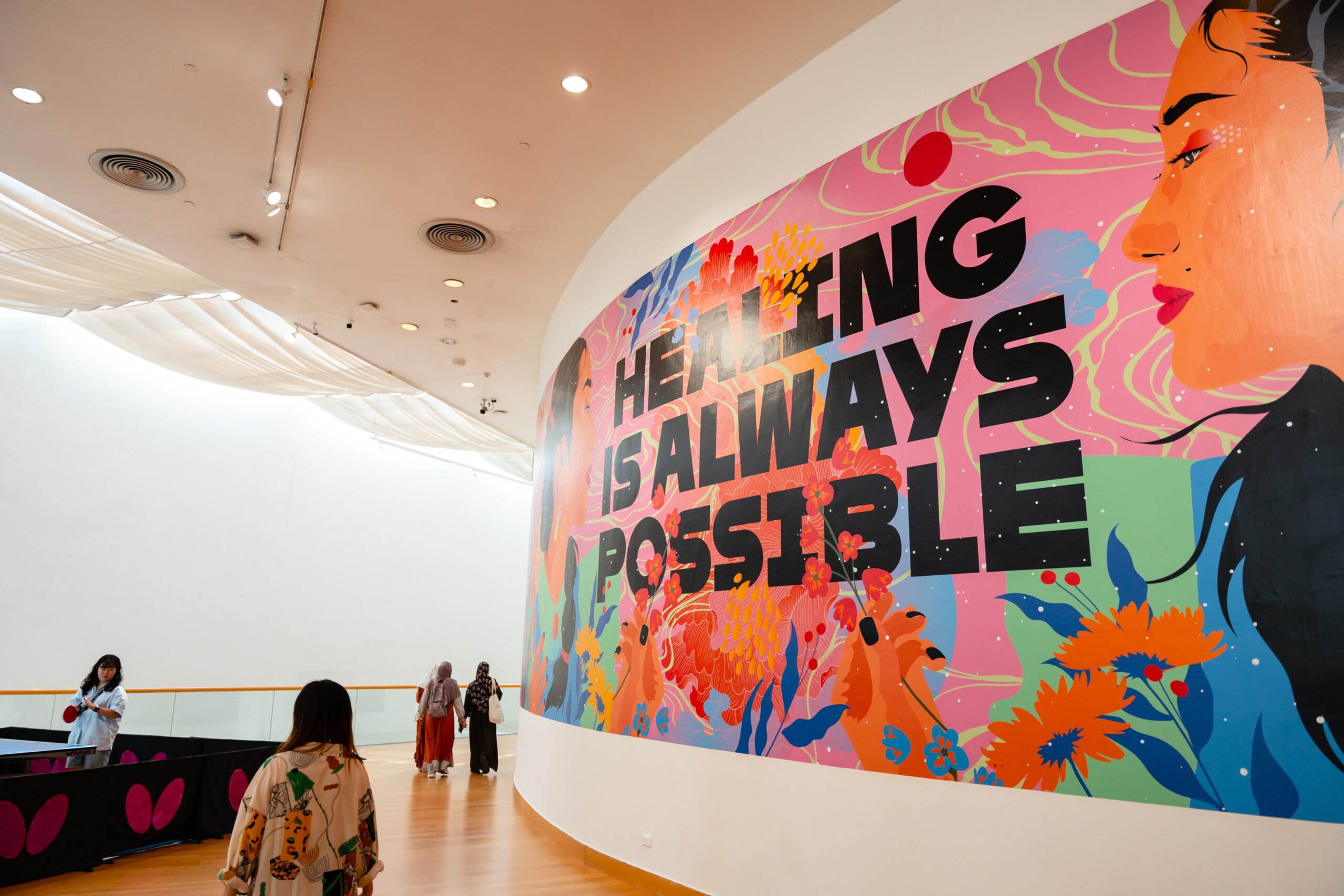
If MOCA Bangkok feels like a deeper, more museum-style immersion into Thai contemporary art, then the Bangkok Art and Culture Center (BACC) feels like the city’s living, breathing creative pulse.
Located right in the heart of Bangkok near the city’s busiest shopping district, BACC is one of those places many travelers walk past without realizing how much is happening inside. From the outside, it may seem like just another sleek urban building. But once you step in, it opens into a bright, spiraling cultural space filled with rotating exhibitions, photography, installations, student work, experimental art, independent design, film events, craft markets, and local creative energy.
While many of Bangkok’s famous attractions are rooted in history and religion, BACC gives you access to the city’s present-day imagination. It’s one of the best places to see what contemporary Thai artists, photographers, designers, and visual storytellers are thinking about right now.
Why is it worth visiting?
Because it offers a very different side of Bangkok, one that feels urban, creative, thoughtful, and constantly changing.
Unlike more formal museums, BACC has a looser and more approachable energy. You can spend an hour here or half a day, depending on what’s on. Some exhibitions are polished and powerful; others feel more experimental and emerging. That unpredictability is part of the charm.
It’s also one of the easiest art spaces to add to your Bangkok itinerary, thanks to its central location and casual, drop-in feel.
Why does it matter?
If you only experience Bangkok through temples, street food, and shopping malls, you’ll miss one of the city’s most important dimensions: its creative voice. BACC reflects the Bangkok that exists beyond tourism clichés—the Bangkok of students, artists, designers, filmmakers, independent makers, and people shaping the city’s cultural future in real time.
It’s also a reminder that Bangkok isn’t just visually rich in a traditional sense. It’s also a city of ideas, experimentation, subcultures, and artistic conversation.
Best way to do it:
Visit when you’re already exploring central Bangkok, especially if you’re near the Siam area. BACC works particularly well as a midday cultural stop—a place to cool down, slow down, and wander through something more thoughtful between the city’s louder attractions.
You don’t need a strict plan here. Just move floor by floor and let the exhibitions pull you in.
How to Explore Bangkok Like You’re Actually Discovering It
If you want to explore the hidden gems in Bangkok properly, the trick is simple: stop trying to do Bangkok perfectly!
This is not a city that reveals itself through rushed sightseeing or tightly packed itineraries. Bangkok is best experienced slowly—through neighborhoods, canals, side streets, market corners, and the kind of unexpected pauses that don’t show up on travel checklists.
If you want the city to feel more personal and less performative, these are the rules worth following.
1) Stop trying to “cover” the city
Bangkok is too layered to conquer in a few days, and honestly, trying to “see it all” is one of the fastest ways to miss what makes it special.
Instead of squeezing eight landmarks into one exhausting day, pick one neighborhood or one side of the city and explore it properly. Spend more time walking, sitting, observing, and wandering than commuting from one famous place to the next.
A slower day in Talat Noi, Song Wat, or Thonburi will often feel far more memorable than a rushed day of “must-sees.” The more you stop trying to finish Bangkok, the more rewarding it becomes.
2) Use the river and canals strategically
One of the best ways to understand Bangkok is to remember that it was once a water city first.
Before roads and traffic took over, life here moved through the Chao Phraya River and its network of khlongs (canals). And even today, some of the city’s most atmospheric, local, and surprising experiences still unfold along the water.
Boats don’t just help you get around—they help you see Bangkok differently. From the river, the city suddenly feels more connected, more historical, and more legible. Temples, old communities, stilted homes, and riverfront neighborhoods begin to make sense in a way they often don’t from the road.
If you’re exploring Bangkok’s hidden gems, the river isn’t just transport—it’s part of the experience.
3) Travel slow
Bangkok rewards people who notice things.
That means slowing down enough to catch the details: an old signboard above a fading shophouse, a tiny shrine tucked between buildings, a grandmother folding dumplings behind a curtain, a quiet lane that suddenly opens into a canal.
You don’t need to constantly “do” something here. Some of the best Bangkok moments happen when you’re simply walking without urgency, sitting at a local café longer than planned, or taking a turn just because it looks interesting. Traveling slowly also means resisting the urge to overschedule every meal, market, and attraction. Leave room for appetite, weather, mood, and curiosity to shape the day.
4) Leave room for unplanned stops
Some of Bangkok’s best moments happen between the places you meant to go.
A hidden noodle shop. A canal-side coffee stop. A tiny art space you weren’t looking for. A side street with more atmosphere than the attraction you pinned.
That’s the thing about Bangkok: its real charm often lives in the in-between. So don’t plan every hour. Leave space in your itinerary for detours, for hunger, for weather changes, for a street that looks interesting enough to follow.
The city rewards flexibility far more than precision.
5) Wake up earlier than you want to
Bangkok before 9 a.m. feels like a completely different city.
It’s cooler, quieter, softer, and often far more local. Streets are calmer, temples feel more peaceful, markets are just beginning to stir, and neighborhoods still belong to the people who actually live there.
If you want to experience places like Talat Noi, Song Wat, or Old Bangkok before they get hotter, louder, and busier, mornings are your best friend. Some of the most beautiful versions of Bangkok happen early—when the shutters are half open, the coffee is brewing, and the city hasn’t fully put on its daytime performance yet.
The Bangkok Worth Remembering Is Usually Not the Bangkok on the Billboard
Trust me when I say this: I’ve been there three times, and I know that Bangkok doesn’t hide its beauty. It just doesn’t always place it where tourists expect.
It’s not only in the grand landmarks. It’s in the canal neighborhoods, obscure temples, old Chinese quarters, market aisles, decaying warehouses, neighborhood cafés, and river communities that still pulse with ordinary life. If you give Bangkok your patience instead of just your itinerary, it rewards you with something much better than “sightseeing.”
It gives you discovery.
And in a city this visited, that’s rare!
Disclaimer: This post contains a few affiliate links. If you click any of them and make a purchase, I might earn a small commission at no extra cost to you. Just know that I truly appreciate your support if you choose to do so.
Tags:
Share:


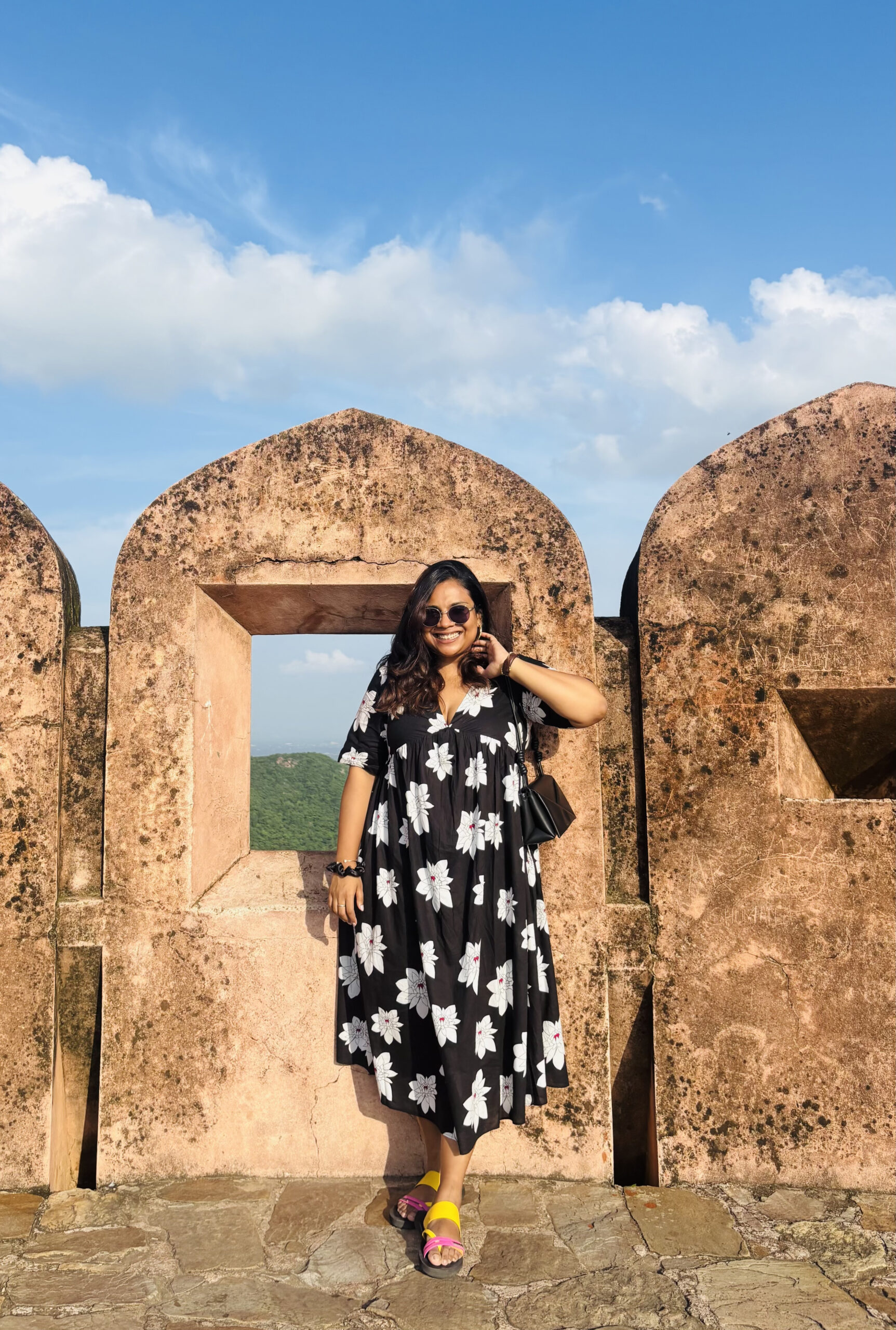
About Me
I travel to collect stories, slowly and meaningfully, with an open heart. I wander a little farther for good food, linger longer to understand a place, and write so I can call it “work.” A slow traveller at heart, I believe in experiences over checklists, in moments that unfold at their own pace, and in connections that stay long after the journey ends.
An absolute foodie and die-hard mountain lover, I find my happiest moments in quiet Himalayan towns with a cup of lemon-honey-ginger tea in hand. Over the years, I’ve had the joy of exploring places across India and beyond, each trip teaching me something new about people, cultures, and myself. When I’m not lost in thought or coffee, you’ll find me exploring the world one destination at a time, always looking for places that make me feel something. I love to read and write (give me a book and I’ll love you all the more) and share honest insights, real photos, and thoughtful recommendations from my own travels, so you can experience every place a little deeper, a little slower, and with just the right touch of comfort.
 Pinterest
  Linkedin
  MuckRack
Exploring The World, One Place At a Time!