
Is It Worth Visiting Hong Kong? Best Reasons to Visit Hong Kong
Planning your next adventure and torn between neon-lit skylines and somewhere that actually feels like a story you’ll tell for years? Maybe you’re weighing food, culture, ease of getting around, and the kind of moments that stick with you long after the trip ends. Well, if you’re looking for reasons to visit Hong Kong, trust me when I say it’s worth it, especially because Indian travellers don’t need a visa (you can just get a PAR to visit).
When I planned to travel to Hong Kong, I didn’t plan much. I was open to experiencing what the city had to offer. Five days later, I was completely blown!
Hong Kong has this wild collision of cinematic cityscapes and unexpectedly peaceful pockets of nature. One minute you’re weaving through buzzing street markets in Mong Kok, the next you’re hiking above turquoise water on Lantau or sipping tea with a skyline view from Victoria Peak.
What surprised me most was how easy it is to experience both sides of the city. The MTR makes getting around effortless, English is widely spoken, and the food scene alone could justify the trip — dim sum breakfasts, late-night noodle shops, hole-in-the-wall bakeries, and world-class dining if you’re feeling fancy. Add in ferry rides across the harbour, sunset walks along the Tsim Sha Tsui promenade, and little temples tucked between skyscrapers, and every day feels layered and alive.
[Also read: An Indian traveller’s guide to Hong Kong]
If you’re craving a destination that’s high-energy but still soulful, ultra-modern yet deeply rooted in tradition, a place where city thrills meet nature escapes without ever feeling forced, Hong Kong might be exactly what you’re looking for.
Here are the best reasons to visit Hong Kong, and I’m pretty sure they’ll nudge you one step closer to booking that trip.
Explore Hong Kong’s electric contrasts, from soaring skylines to hidden temples.
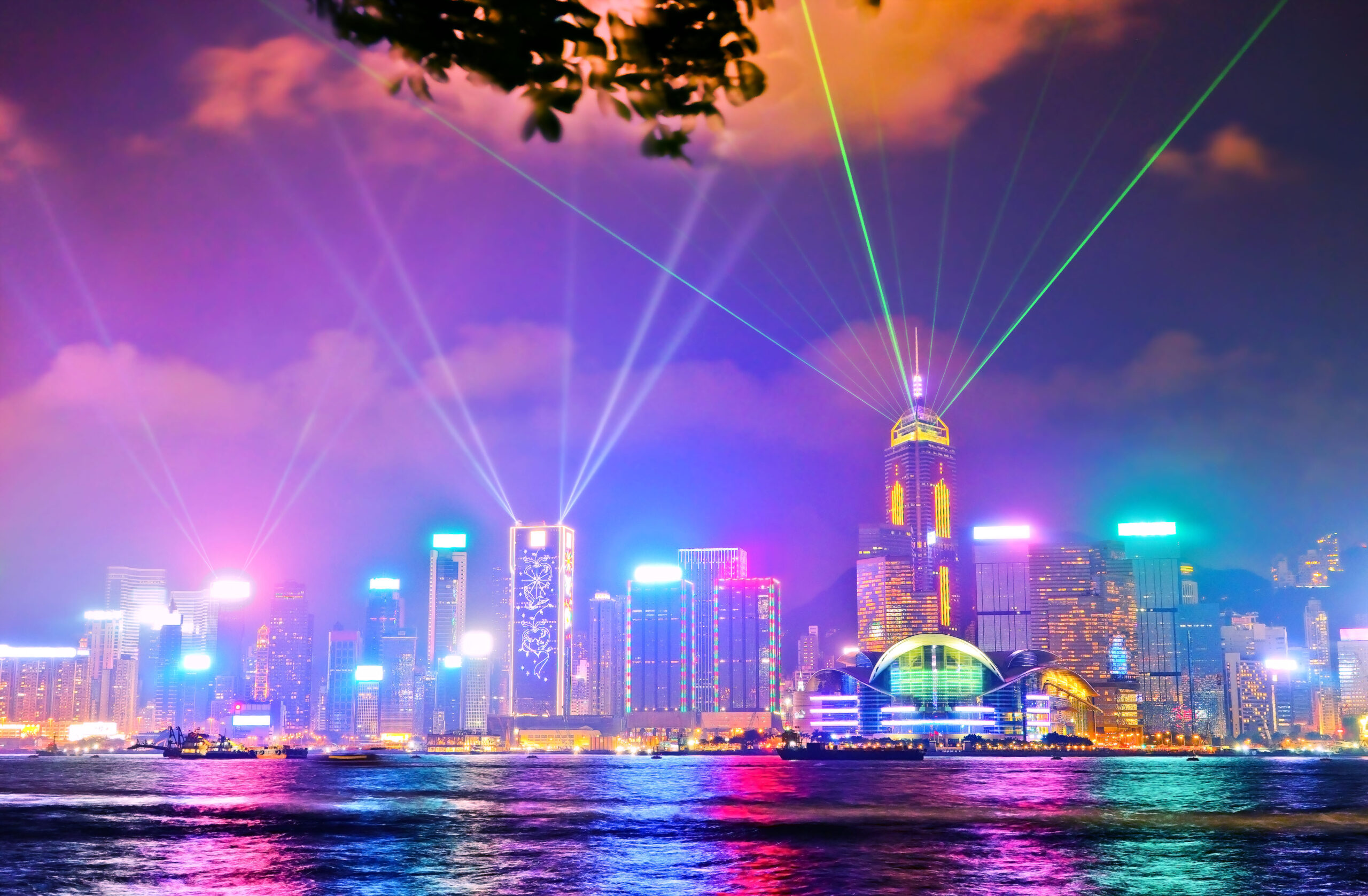
Hong Kong isn’t a city that eases you in. It hits you with energy and somehow still slows your heartbeat. From the vertical drama of its skyline to the quiet pockets tucked between busy streets, the city feels like a constant conversation between old and new. Glass towers reflect the harbour light, while incense curls out of temple doorways just a few steps away.
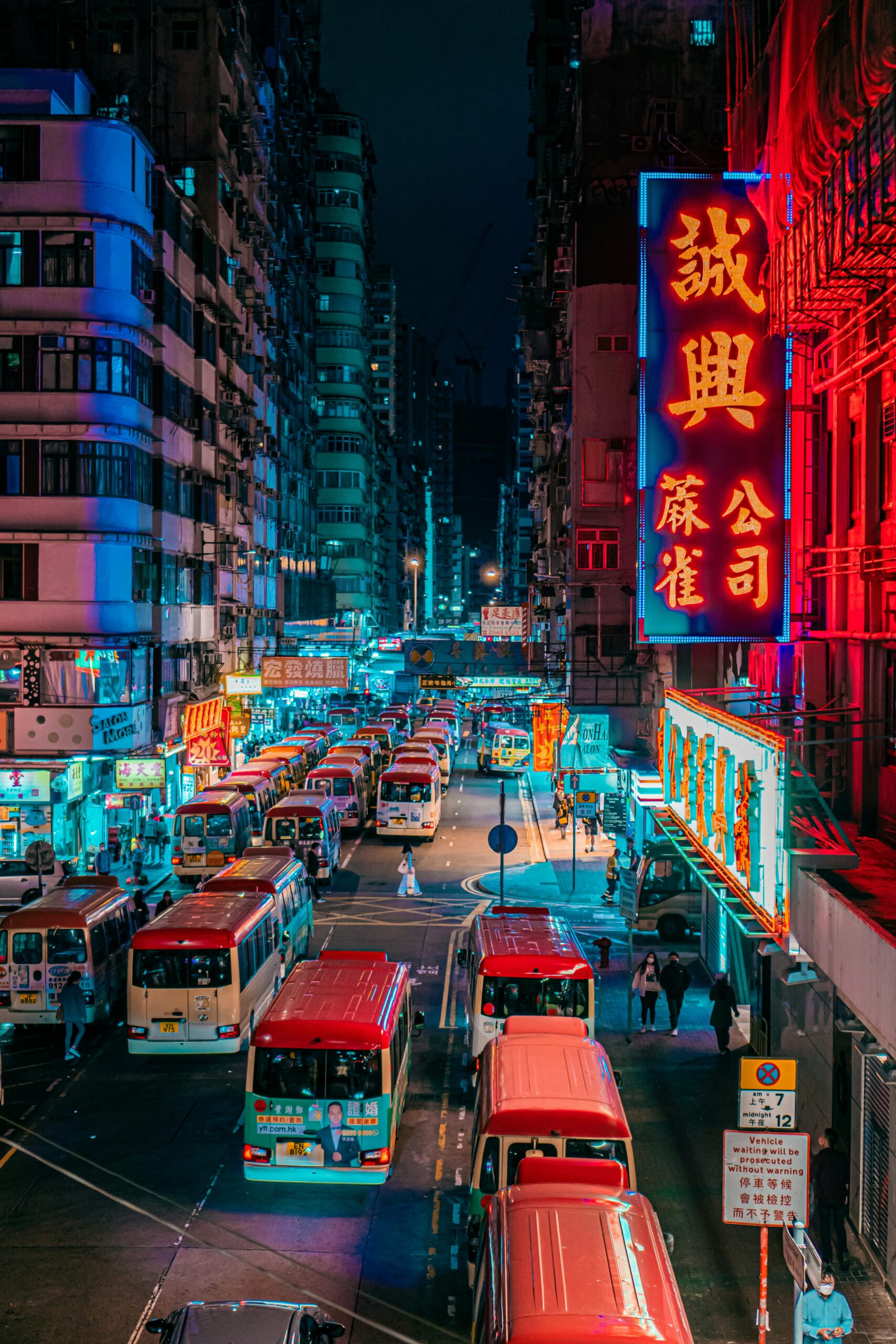
Nargis and I spent an evening wandering through the streets of Mong Kok, where neon signs glowed overhead, and food stalls sizzled on every corner. The chaos felt alive, not overwhelming — the kind that pulls you into the rhythm of the city. On another day, we slipped into Man Mo Temple, where the air was thick with the fragrance of incense and the noise of the city softened into a low hum.
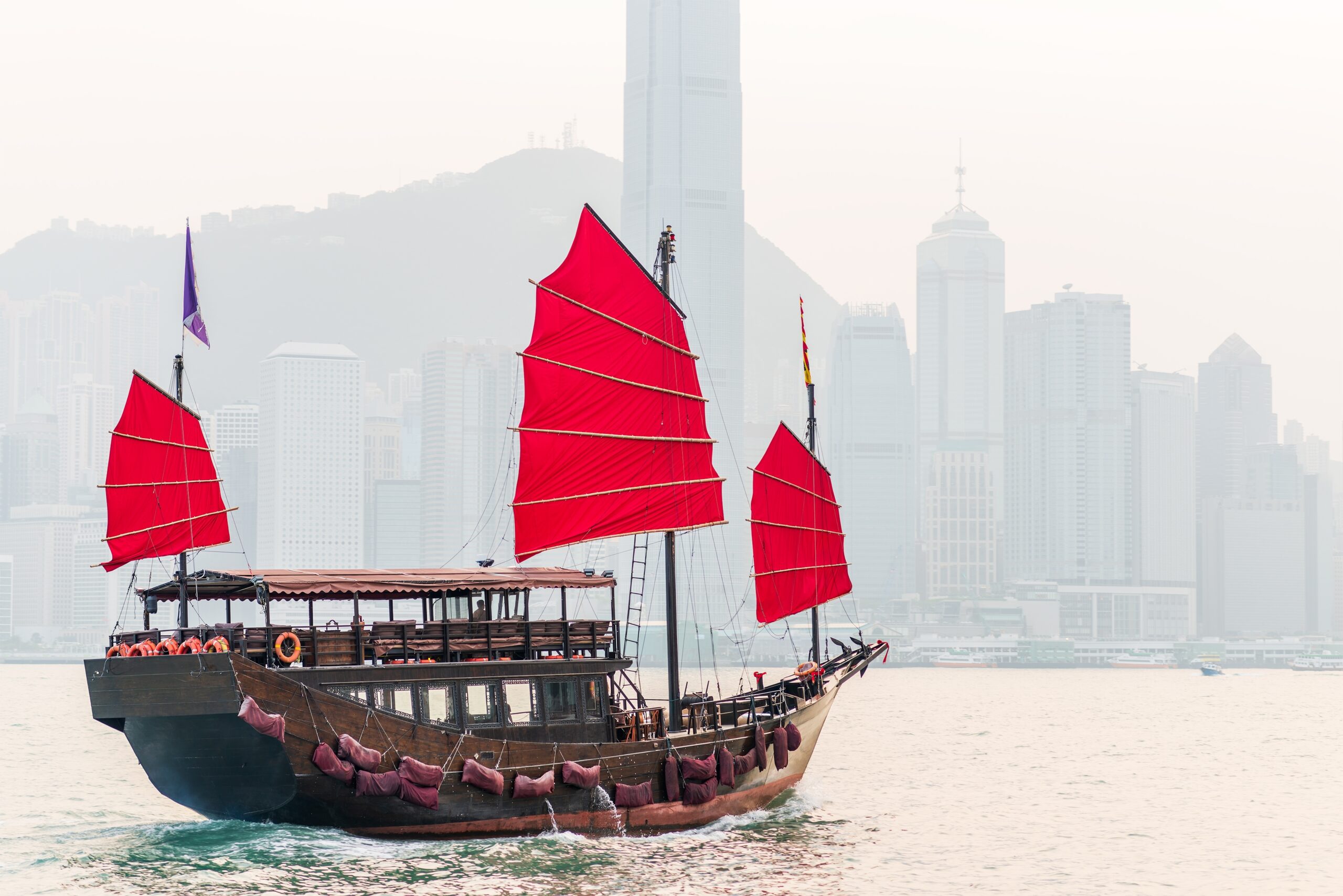
We hopped on ferries across Victoria Harbour, rode the Peak Tram for that classic skyline view, and stumbled into small neighbourhood temples in Sheung Wan and Wong Tai Sin, where locals came to pray, light joss sticks, and move through their daily rituals. One quiet afternoon, we explored heritage buildings and cultural spaces that told the story of Hong Kong’s past — its fishing villages, colonial layers, and deep-rooted Chinese traditions, all woven into a city that never stops evolving.
Why Hong Kong?
Hong Kong offers a rare mix of high-voltage energy and deeply rooted culture. It’s not just a global city of skyscrapers and shopping malls. It’s a place where temples survive in the shadows of glass towers, where tradition breathes alongside ambition, and where every street seems to hold a story if you slow down enough to notice.
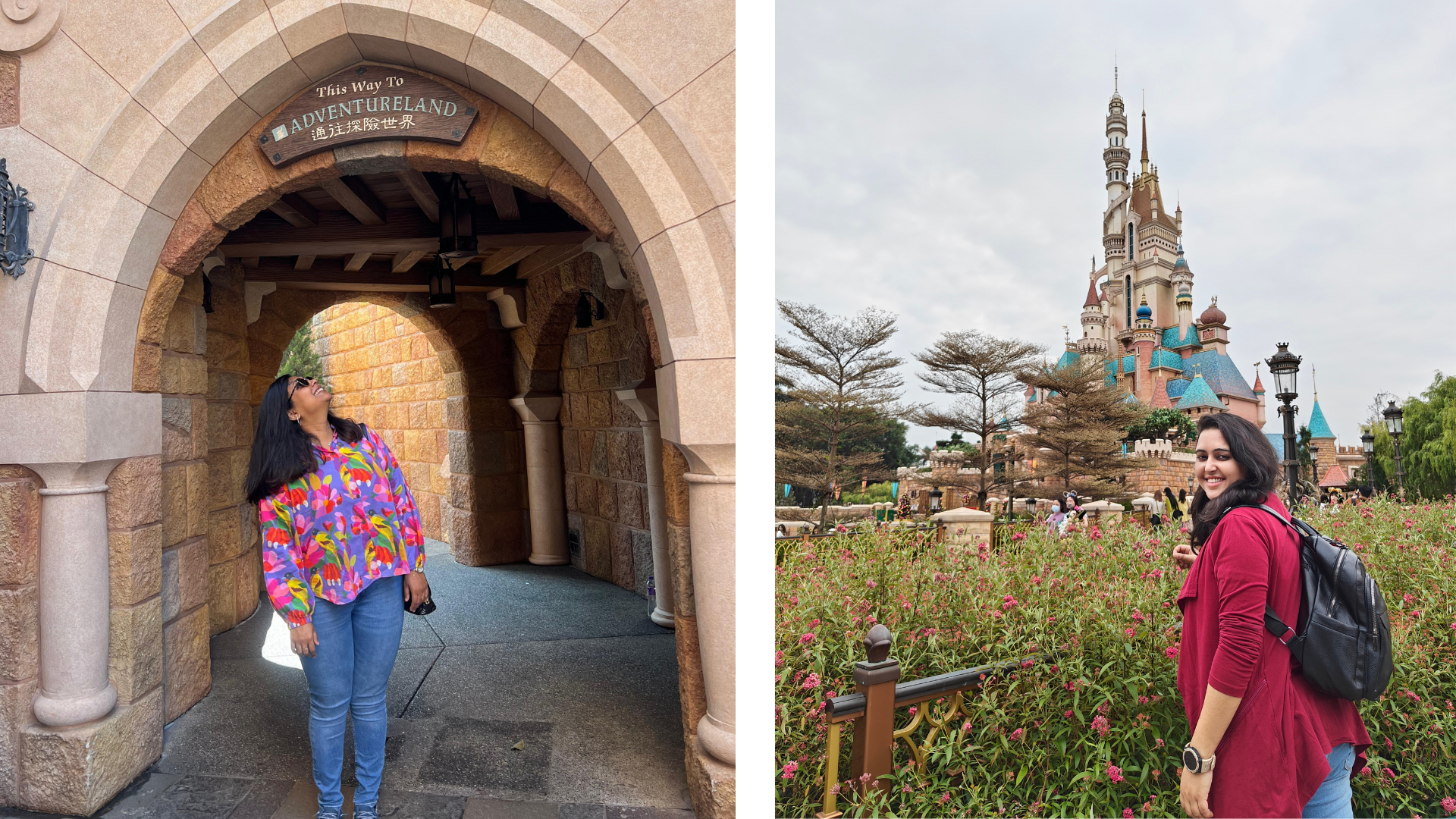
Step inside the magical world at Hong Kong Disneyland.
Hong Kong Disneyland felt like stepping into a world where everyday logic takes a backseat and imagination runs the show. The moment you pass through the gates, the city noise fades, and you’re pulled into carefully crafted lands that feel oddly real, from the nostalgic charm of Main Street, U.S.A. to the cinematic worlds tucked behind every turn.
For us, it was about reliving our childhood! We queued up for classic rides, laughed our way through dark rides, and took way too many photos in front of the castle as it shifted colours with the light. Fantasyland felt like a soft, happy blur of music and motion, while Tomorrowland brought out our inner kids with fast rides and glowing neon edges.
What surprised me most was how relaxed the experience felt compared to other mega theme parks. The crowds were manageable if you planned your day right, lines moved smoothly, and everything from transport to food stalls was incredibly easy to navigate.
Why Hong Kong Disneyland?
Hong Kong Disneyland isn’t just about thrill rides or photo ops. It’s about leaning into wonder for a day, letting yourself be playful, nostalgic, and fully present. In a city that runs at full speed, this little pocket of magic gives you permission to slow down and nudge your inner child for a day.
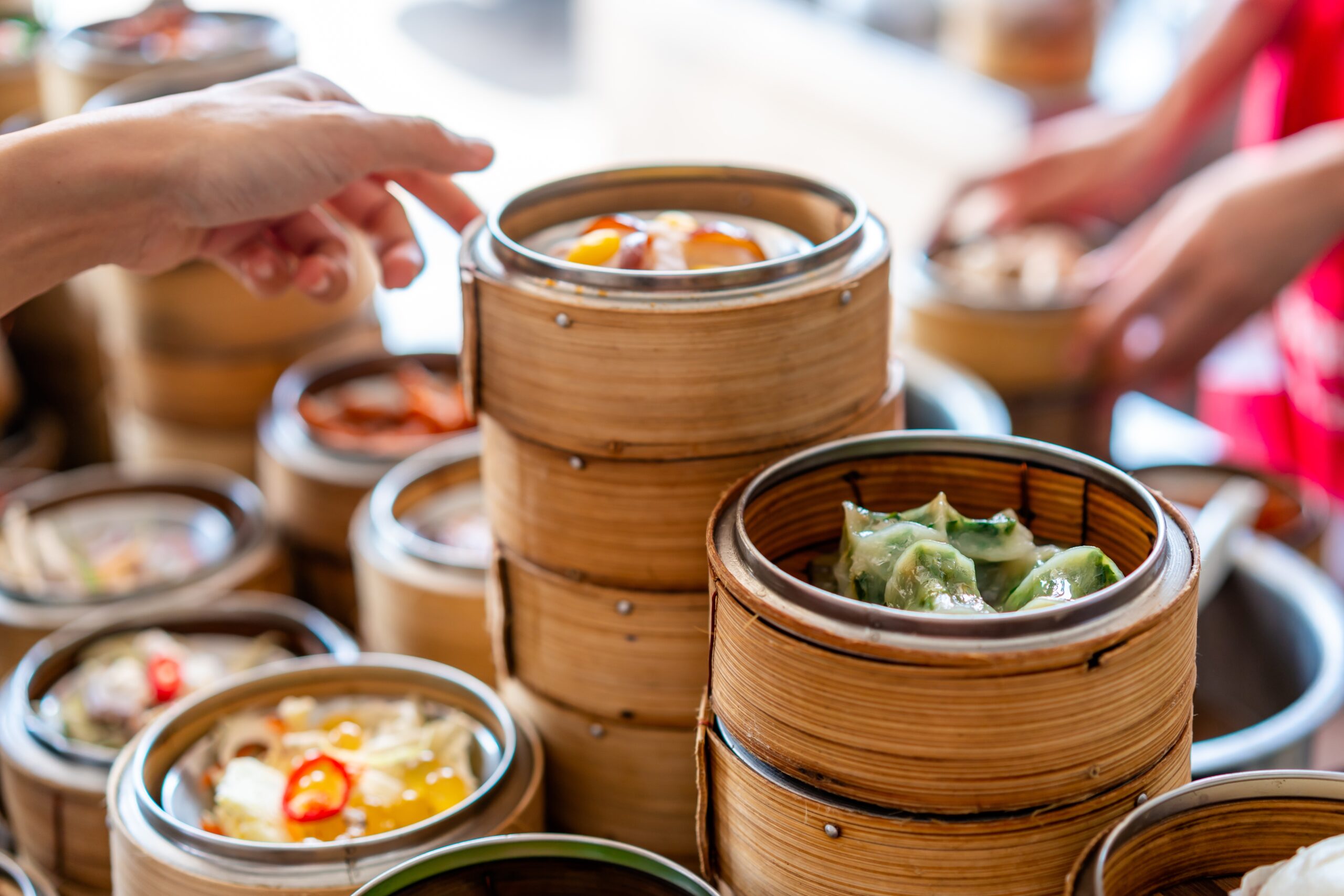
Eat your way through Hong Kong’s food scene.
Hong Kong is one of those cities where every neighbourhood seems to have its own flavour, its own specialities, its own quiet obsession with getting things just right. The moment you land, the city starts feeding you: steamed baskets of dim sum in buzzing tea houses, silky bowls of wonton noodles slurped at tiny counters, flaky egg tarts still warm from the oven.
Nargis and I built entire days around meals without even trying. Mornings began with dim sums, from shrimp dumplings, fluffy char siu bao, and endless cups of tea. By afternoon, we were snacking our way through street food in Mong Kok: curry fish balls, egg waffles, and iced milk tea that somehow tasted better when sipped on a crowded sidewalk. At night, we ducked into late-night noodle shops and tiny cha chaan tengs, ordering whatever the person at the next table was having because it smelled too good to ignore.
What I loved most was the range. You can eat incredibly well on a budget, or splurge on a Michelin-starred meal, and both experiences feel equally “Hong Kong.” The city’s food tells its story: Cantonese traditions, colonial-era comfort dishes, modern global influences, all layered into a cuisine that’s constantly evolving.
Why must you visit Hong Kong for its food?
Because here, eating is a way of understanding the city. Hong Kong’s food scene is wildly diverse, deeply rooted in tradition, and joyfully accessible. You don’t just visit Hong Kong and see it, you taste it. And honestly? For food lovers like me, that alone is reason enough to go!
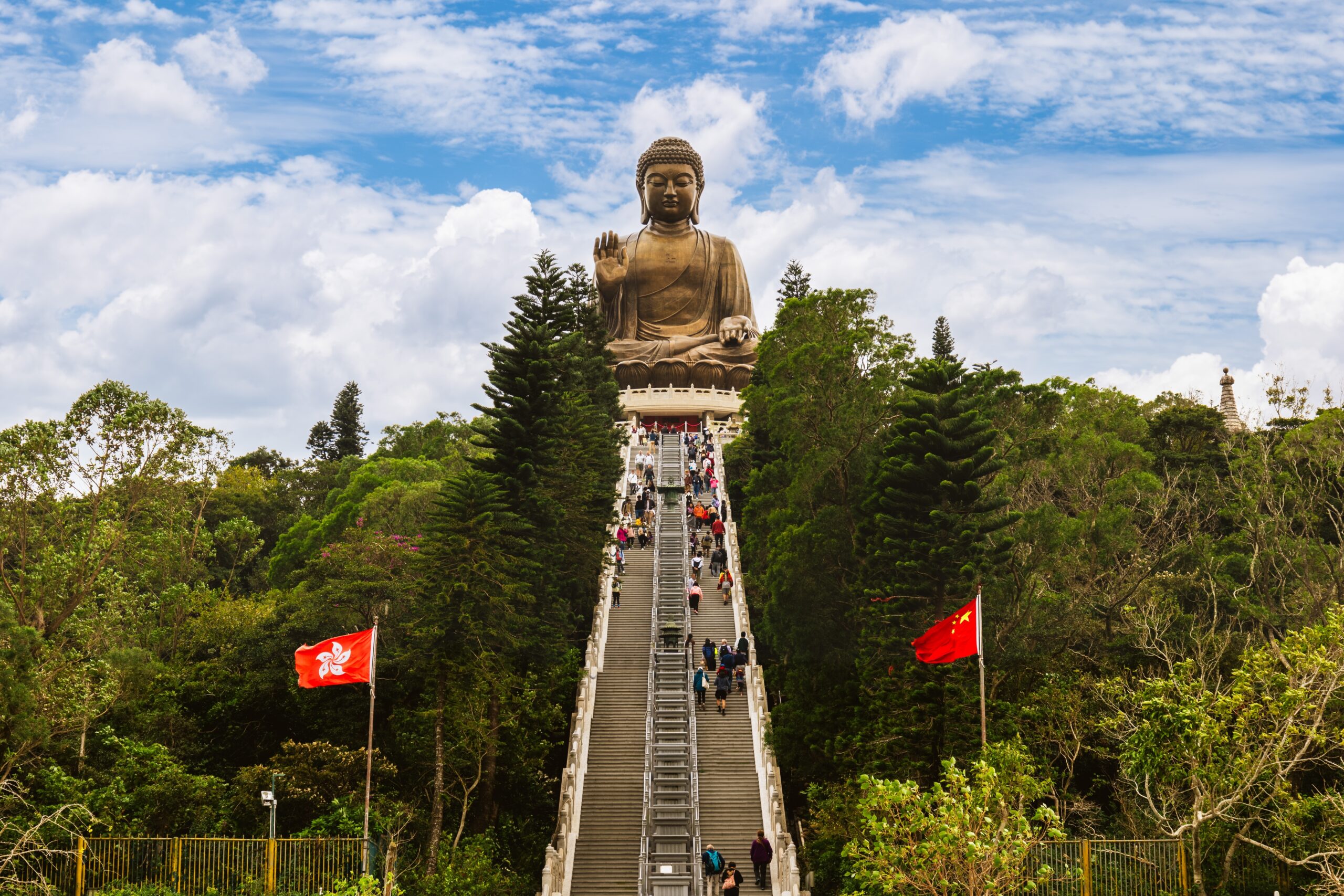
Escape to Lantau Island for a day.
Just beyond the high-rises and harbour ferries, this rugged, green island offers a completely different rhythm — quieter, slower, and deeply refreshing. Getting there already feels like an adventure: a ferry ride or cable car pulls you away from the city and into a landscape of forested hills, coastal paths, and wide-open skies.
Nargis and I headed out to Lantau on a bright morning, expecting pretty views and a nice break from the crowds. What we found was something more grounding. We walked along coastal trails where the sea flashed turquoise below us, and took long pauses just to breathe in the salty air. A short hike led us to stretches of quiet beach — the kind where you can kick off your shoes, let the waves wash over your feet, and forget you’re in one of the world’s busiest cities.
Later, we visited Ngong Ping, where the Big Buddha sits calmly above it all. The path up felt almost meditative, with incense in the air, prayer flags fluttering, monks moving quietly between temple buildings. The contrast with Hong Kong’s urban intensity couldn’t have been sharper, and that’s what made it special.
Why Lantau Island?
Lantau is one of the best reasons to visit Hong Kong if you’re craving nature without leaving the city behind. The trails, beaches, and mountain views offer a softer, wilder side of Hong Kong that most people don’t expect. If you’re looking for calm with a hint of adventure, this island delivers it in the most effortless way.
[Also read: 15 Things You Must Know About Hong Kong That No One’s Spilling!]
And if the above reasons to visit Hong Kong haven’t convinced you yet, here are a few more things that you must know.
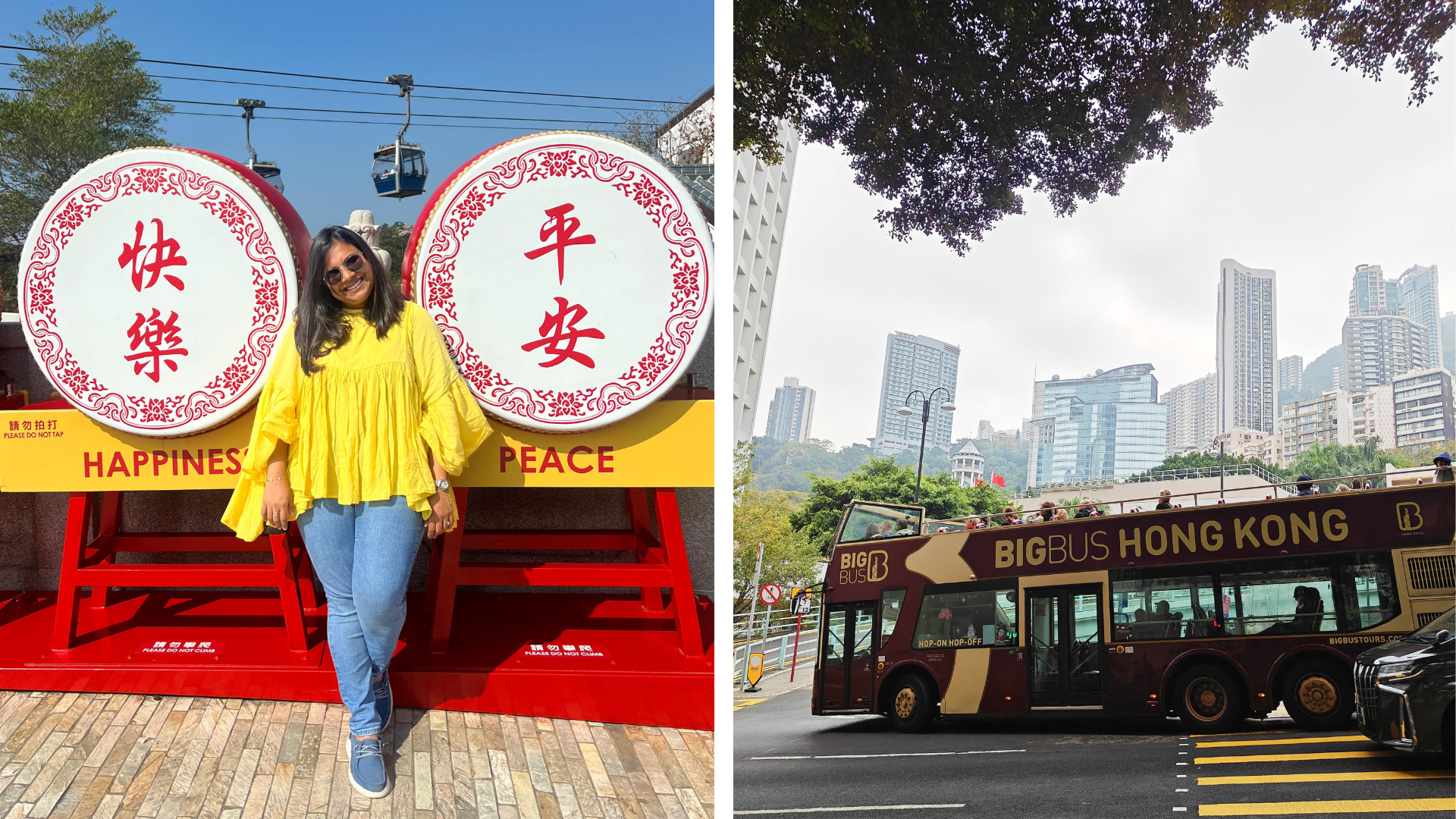
Great Value for Money (If You Travel Smart)
Hong Kong has a reputation for being expensive, and yes, it can be!
But if you travel the way locals do, it’s surprisingly good value for money. Public transport is clean, fast, and affordable, which means you’re not bleeding money just getting around. You can cross the harbour on the Star Ferry for less than the price of a coffee in many cities, ride trams across the island for pocket change, and reach beaches, hiking trails, and islands without paying for tours.
Food is where the value really shows. You can eat incredibly well on a budget, from dim sum breakfasts, noodle soups, cha chaan teng meals, and street snacks — all filling, all local, all delicious!
Even attractions like temples, hiking trails, promenades, and markets are free to explore. If you balance splurges (like skyline-view bars or Disneyland) with everyday local experiences, Hong Kong offers a lot without requiring a luxury budget.
A True All-Year-Round Destination
Hong Kong is suitable for almost every season, making it an easy destination to plan around. Winter and early spring are perfect for walking-heavy days — exploring neighbourhoods, hopping on ferries, temple-hopping, and tackling hikes like Dragon’s Back without melting in the heat.
Summer is hot and humid, but it’s also beach season, island-hopping season, and the perfect excuse to escape to places like Lantau, Sai Kung, or Lamma for sea breezes and coastal trails.
Even rainy days don’t ruin Hong Kong. The city is built for movement, with covered walkways, efficient metro stations, endless indoor malls, museums, cafés, and food spots, so you can still explore comfortably.
Easy to Navigate, Even for First-Time Asia Travellers
Hong Kong is one of the easiest Asian cities to travel in, especially if it’s your first time in the region. The public transport system is intuitive, well-connected, and English-friendly. Signs are clear, stations are clean, and Google Maps actually works properly here. You don’t need to plan every move in advance — you can wander, hop on a tram or ferry on impulse, and trust that you’ll find your way back easily.
English is widely spoken in hotels, on transport, and in restaurants, which reduces a lot of travel anxiety. You still get a deeply Asian cultural experience — temples, markets, rituals, local food culture — without the stress of navigating a language barrier at every step.
It’s a soft landing into Asia that still feels rich and real.
Safe, Comfortable, and Solo-Traveller Friendly
Hong Kong is one of those cities where you feel comfortable wandering alone, even at night. Streets are lively, transport runs late, and neighbourhoods feel well-lit and lived-in. Whether you’re a solo traveller, travelling with friends, or visiting for the first time, the city has a sense of ease that lets you explore without constantly looking over your shoulder.
It’s also incredibly convenient. ATMs, convenience stores, clean public transport, and late-night food spots make everyday logistics simple. You spend less time figuring things out and more time actually enjoying the city, which, honestly, is underrated travel luxury.
P.S: We were two Indian women, exploring neighbourhoods till late at night, and we never felt unsafe!
What makes Hong Kong special isn’t just what you see, but how you experience it. You taste the city in dim sum halls and late-night noodle shops. You feel its rhythm on trams, ferries, and crowded sidewalks. You slow down in temples, on islands, and along coastal paths. It’s a destination that meets you where you are — whether you’re chasing energy, comfort, adventure, or stillness.
If you’re looking for a place that feels exciting without being exhausting, culturally rich without being overwhelming, and endlessly rewarding the more you wander, Hong Kong would be the best place to travel to.
Disclaimer: This post contains a few affiliate links. If you happen to click on any of them and make a purchase, I might earn a small commission, at no extra cost to you. Just know that I truly appreciate your support if you choose to do so.
Tags:
Share:



About Me
I travel to collect stories, slowly and meaningfully, with an open heart. I wander a little farther for good food, linger longer to understand a place, and write so I can call it “work.” A slow traveller at heart, I believe in experiences over checklists, in moments that unfold at their own pace, and in connections that stay long after the journey ends.
An absolute foodie and die-hard mountain lover, I find my happiest moments in quiet Himalayan towns with a cup of lemon-honey-ginger tea in hand. Over the years, I’ve had the joy of exploring places across India and beyond, each trip teaching me something new about people, cultures, and myself. When I’m not lost in thought or coffee, you’ll find me exploring the world one destination at a time, always looking for places that make me feel something. I love to read and write (give me a book and I’ll love you all the more) and share honest insights, real photos, and thoughtful recommendations from my own travels, so you can experience every place a little deeper, a little slower, and with just the right touch of comfort.
 Pinterest
  Linkedin
  MuckRack
Exploring The World, One Place At a Time!