Best Things to Do in Chiang Mai for 3 Days | Travel Itinerary
Chiang Mai has a way of slowing you down, in the best possible sense. If you’re planning a trip to Thailand and want to explore beyond the beaches, here are the best things to do in Chiang Mai. Between serene temples, creative hideaways like Baan Kang Wat, and mountain views, the city offers a kind of travel that feels restorative rather than exhausting.
When people think of Thailand, they often picture the chaos of Bangkok or the turquoise waters of its southern islands. Yet northern Thailand holds a beauty of its own. Trust me when I say this, Chiang Mai feels like a gentle escape, set among mountains and steeped in history as the former heart of the Lanna Kingdom. It is known for its misty landscapes, deep-rooted traditions, and a thriving creative culture shaped by artisans, chefs, and passionate coffee makers.
Step beyond the old city walls, and the region opens up into a playground of nature. There are dense forests, winding rivers, hidden caves, mountain trails, and waterfalls waiting in every direction. Life here revolves around food and the outdoors, creating an atmosphere that feels both laid-back and full of variety. Each visit reveals something different, which is part of what makes Chiang Mai so compelling.
Here are the best things to do in Chiang Mai for 3 days.
Day 1: Arrive in Chiang Mai and explore the Old City
Once you arrive in Chiang Mai, head straight to your hotel and take some time to rest and settle in. The pace here is slower, so there is no need to rush. (It’s perfect for those who wish to travel slow!) Freshen up, recharge, and then get ready to head out because you will be walking a lot today.
My friend and I had actually landed in Chiang Mai with a neatly compiled list of temples, all pinned and planned. We thought we had it figured out. But Chiang Mai had other plans!
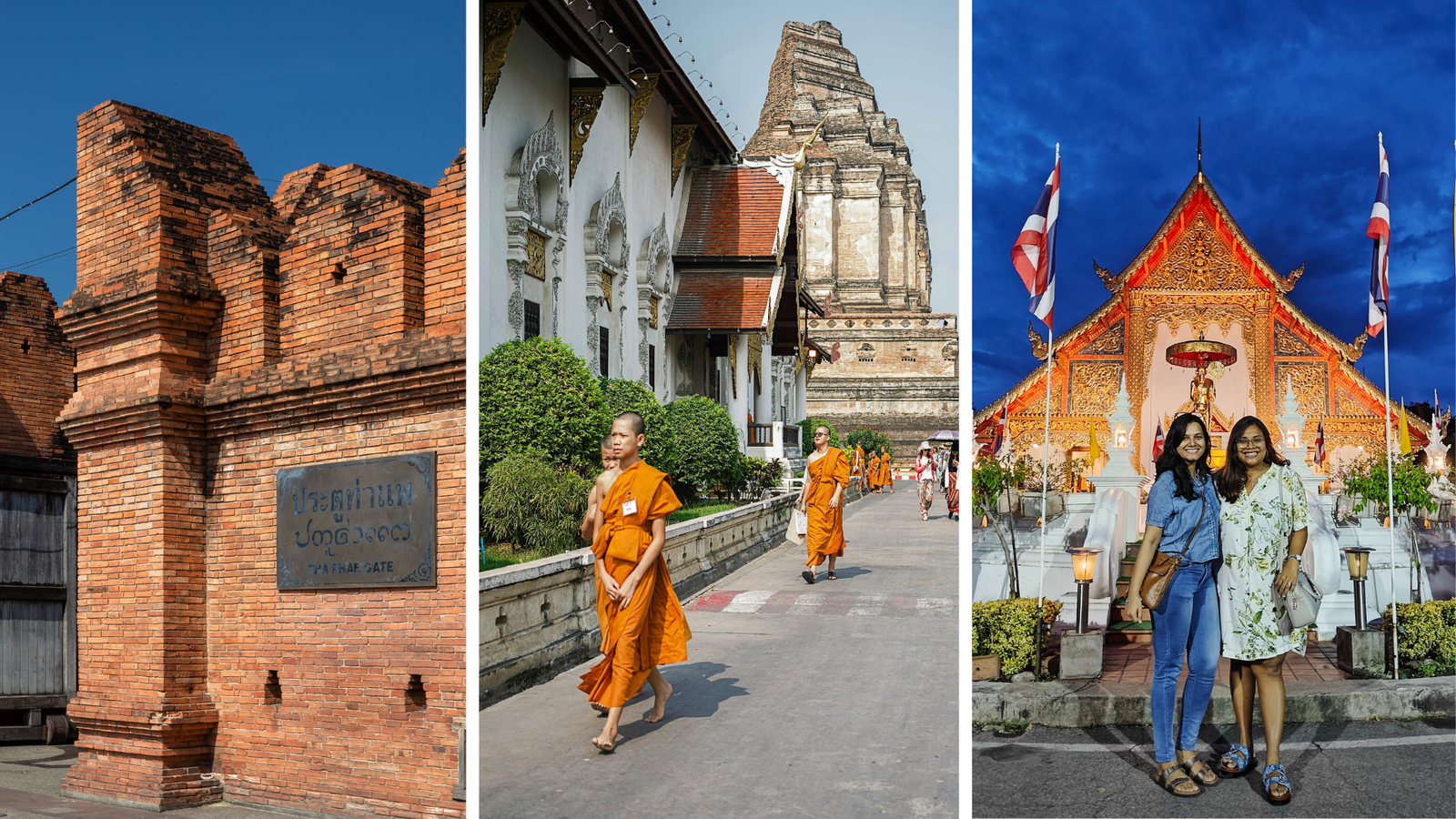
We started in the Old City, thinking we would tick off a few of the bigger names like Wat Phra Singh and Wat Chedi Luang, and then move on. But somewhere between turning into narrow lanes and stepping into quiet temple grounds, the plan slowly dissolved.
Temples just kept appearing. Some grand and glowing, others tucked away and almost empty. We stopped trying to follow the list and just walked. That turned out to be the best decision of the day. There was something about the rhythm of it all, walking, pausing, stepping into a temple, sitting for a bit, and then moving on again, that made the whole experience feel incredibly calm.
By midday, the heat caught up with us, and we decided to take a break at One Nimman. It felt like a completely different side of the city. Trendy, a little more polished, filled with cafes and small boutiques. We walked inside Graph, a chic-looking place, and grabbed a coffee, and sat longer than we planned to! Refreshed, we headed back out and found ourselves wandering again, back into the Old City, back into temples we had not planned to visit. By now, we had fully given in to the pace of Chiang Mai! No rush, no checklist, just exploring whatever came our way.
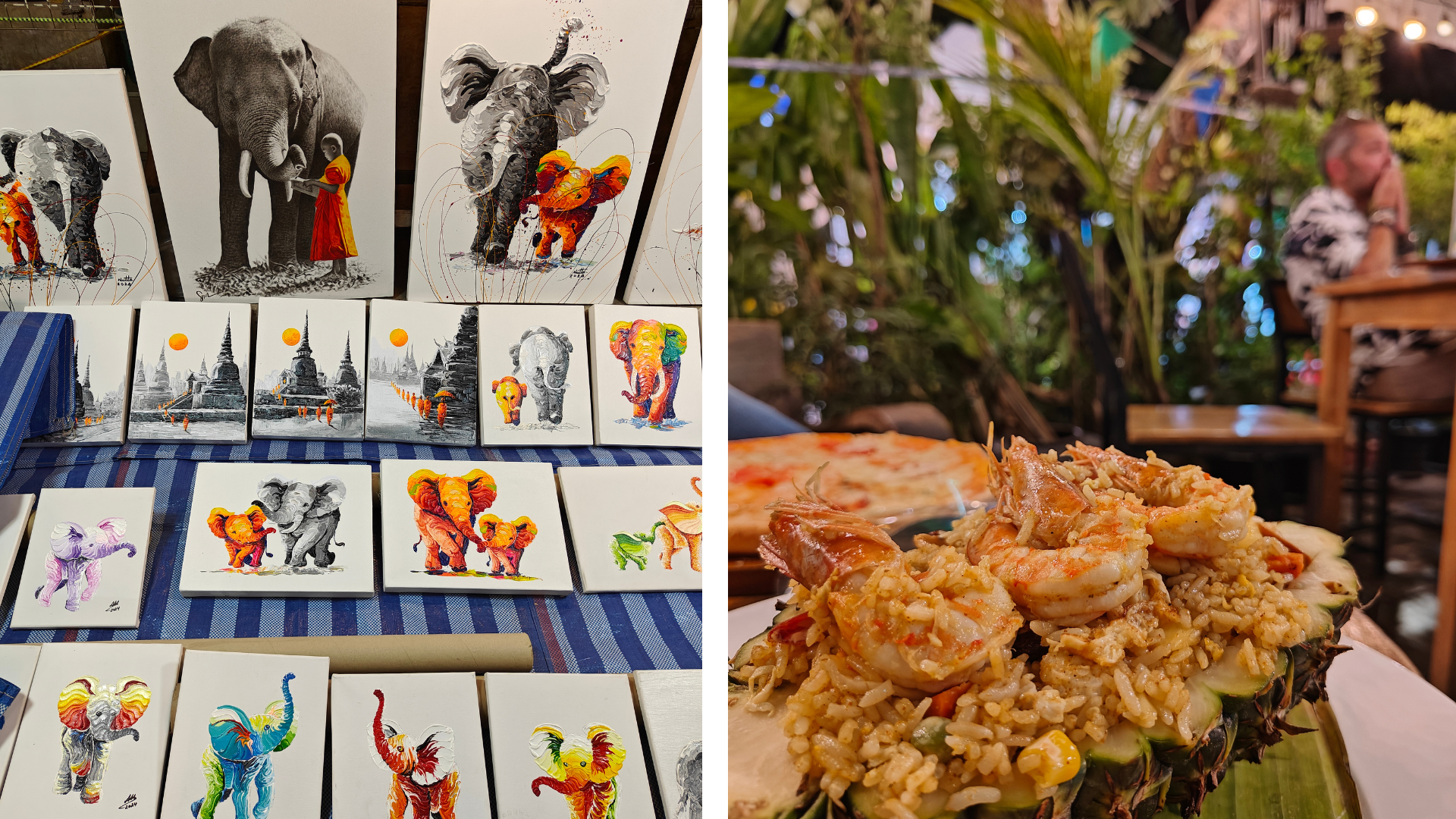
As evening set in, we made our way to the Chiang Mai Night Bazaar. It was something I was really excited to explore. Brighter, louder, more alive, but still easygoing. Stalls lined the streets selling everything from handmade crafts to clothes and little souvenirs you did not know you needed. We walked slowly, stopping whenever something caught our eye. Picked up a few things, tried random snacks, and just soaked in the atmosphere.
Just when we felt we were too tired to walk anymore, we stopped at a local hole-in-the-wall restaurant, in the middle of the night market, and ordered Pad Thai Noodles and Prawn Pineapple Fried Rice! It was the best meal to end our Day 1 in Chiang Mai.
Bookmark these temples in Chiang Mai
As I mentioned earlier, we had a whole list of temples to visit in Chiang Mai, but we couldn’t visit them all (of course, that was quite ambitious of us!). And in case you are also short on time, there are a few temples in Chiang Mai that you absolutely should not miss. These give you a beautiful introduction to the city’s history, architecture, and spiritual culture:
Must-visit temples:
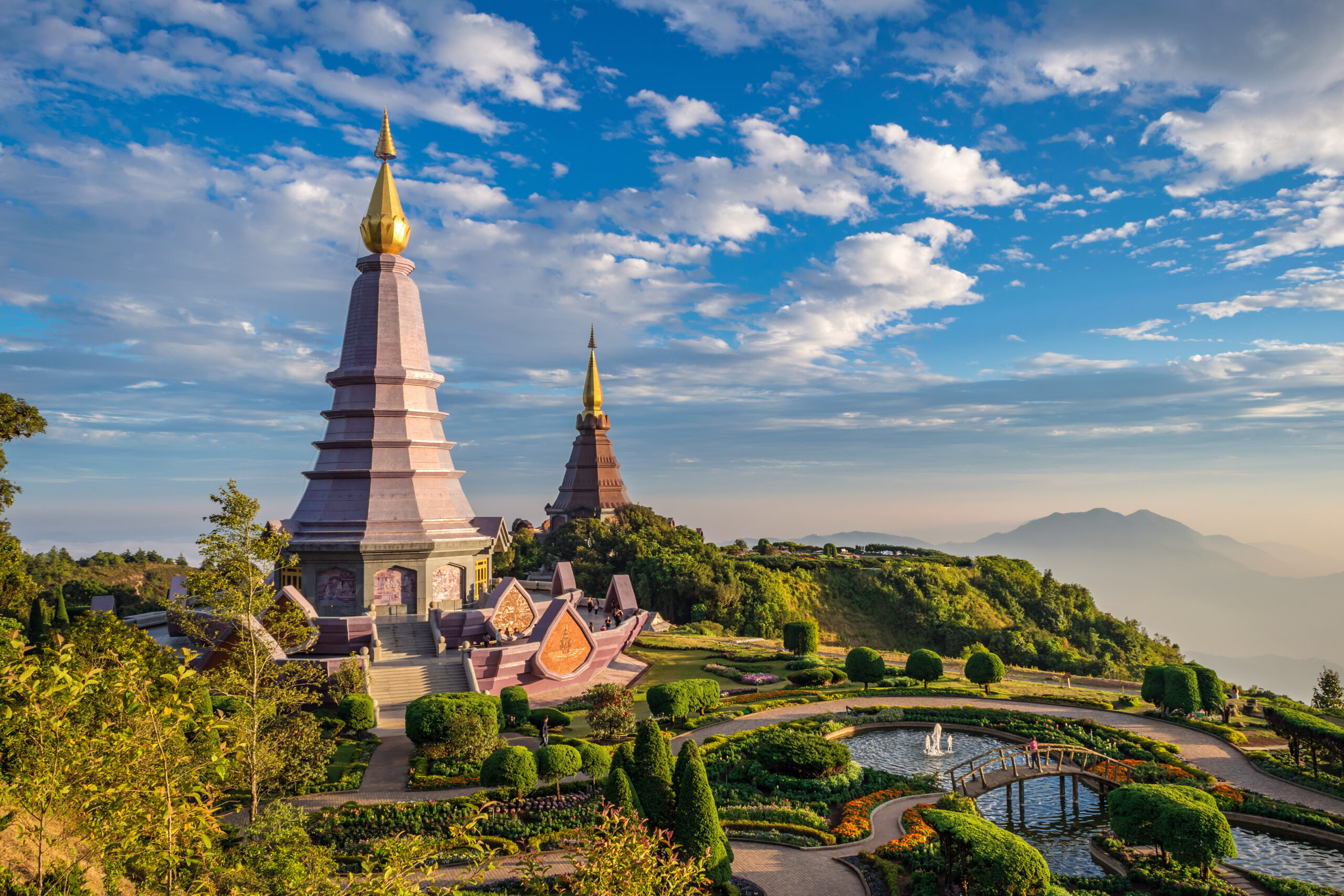
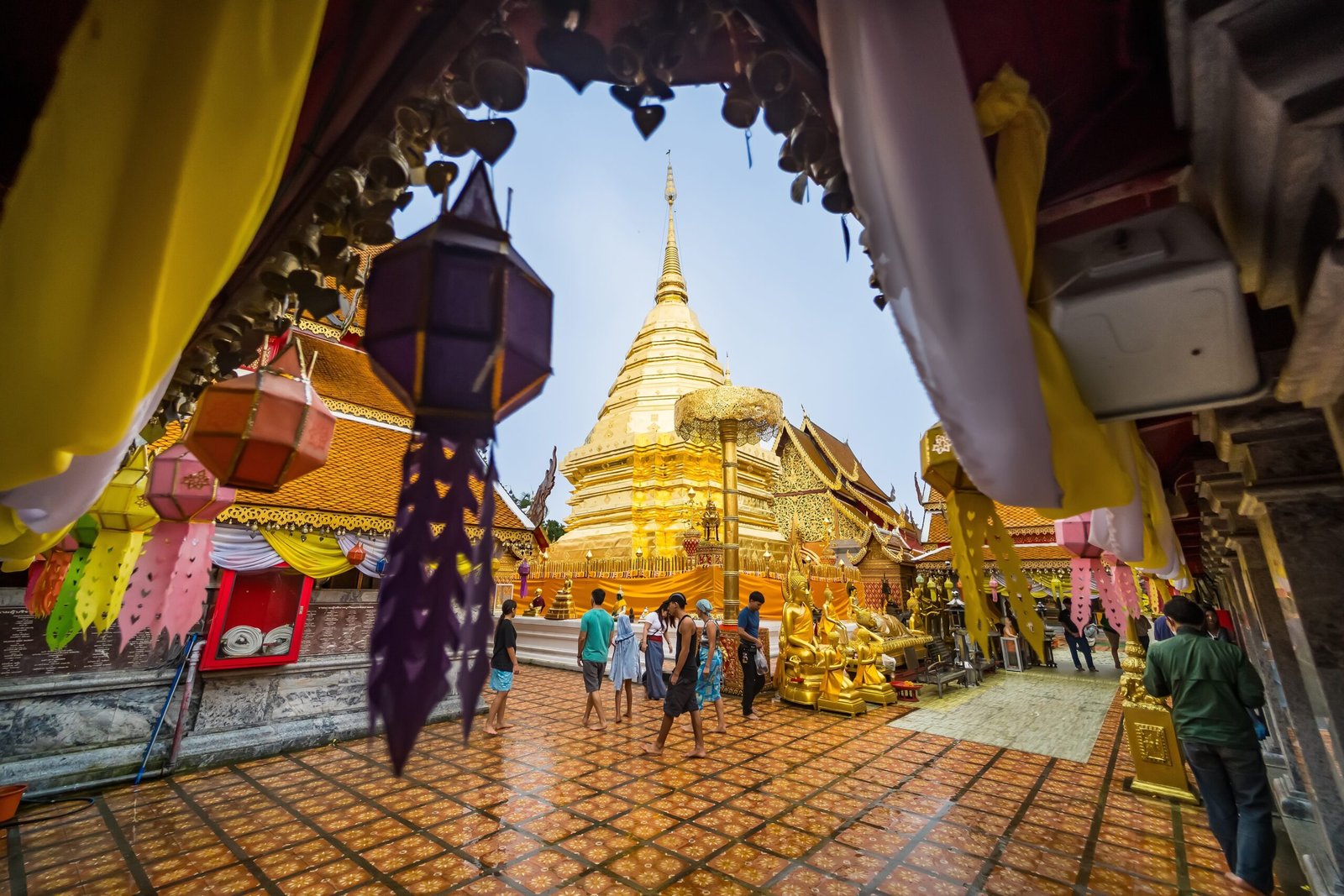
Wat Phra That Doi Suthep – the city’s most sacred temple, set on a hilltop with sweeping views and a striking golden stupa
Wat Phra Singh – one of the most elegant temples in the Old City, known for its intricate Lanna-style design
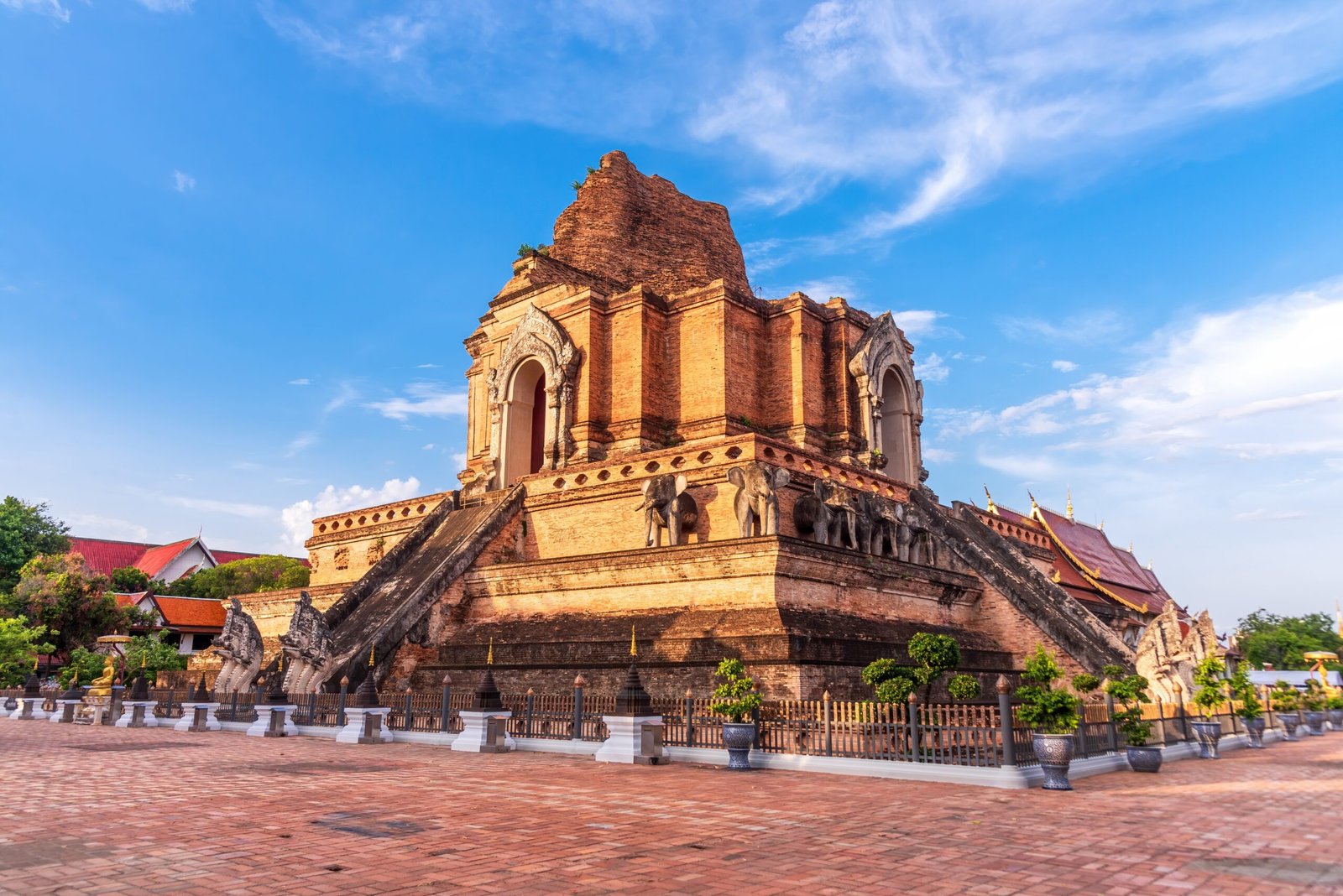
Wat Chedi Luang – famous for its towering, partially ruined stupa and the chance to have a monk chat right in the heart of the Old Town
Once you have seen these, take some time to explore beyond the obvious. Some of the quieter temples often turn out to be just as memorable.
Other temples worth exploring in the Old City:
Wat Pan Tao – a charming old teak temple with a peaceful, almost rustic feel, right next to Wat Chedi Luang
Wat Jet Lin – a lesser-known spot with a calm pond and garden setting that invites you to slow down
Wat Chiang Man – the oldest temple in the city, dating back to 1296, with a deep sense of history
Wat Rajamontean – a large, impressive temple near the northern moat, home to a massive seated Buddha
Wat Lok Molee – known for its intricate detailing and quieter atmosphere, just across from Wat Rajamontean
Or, if you feel like going a little beyond the Old City, there are some beautiful temples scattered around the outskirts that are absolutely worth the effort. They are quieter, a little less visited, and each one feels completely different from the other. Hire a taxi or tuk-tuk and spend a few hours exploring these:
Temples beyond the Old City:
Wat Suan Dok – a serene royal temple known for its cluster of white chedis that almost glow in the sunlight
Wat Umong – an atmospheric forest temple with ancient underground tunnels and shrines that feel quietly mystical
Wat Sri Suphan – often called the Silver Temple, admired for its intricate metalwork; while women cannot enter the main hall, it is still worth visiting, especially when it lights up at night
Wat Jet Yot – a unique temple with seven spires, inspired by the sacred site of the Mahabodhi Temple, where the Buddha attained enlightenment
These temples feel a little more tucked away, so you’ll need another day to explore them. Plan properly, and don’t try to squeeze it all in (because then you won’t enjoy it as much!).
Day 2: A day trip around the temples of Chiang Rai
For day 2, we had already planned a day trip to Chiang Rai, something I had been really looking forward to! We were about to explore places I had been saving on Instagram for a long time. You know those spots that feel almost unreal on your feed, so perfectly shot that you wonder if they actually look like that in real life! Chiang Rai was exactly that for me!
We left early in the morning, and the drive to our first stop was about three hours. The landscapes slowly began to change as we left Chiang Mai behind, and somewhere along the way, it started to feel like we were heading into a completely different part of northern Thailand. We chose to take a guided tour, mostly because it made the day easier. Everything was taken care of, and we could just sit back and take it all in without worrying about routes or timings.
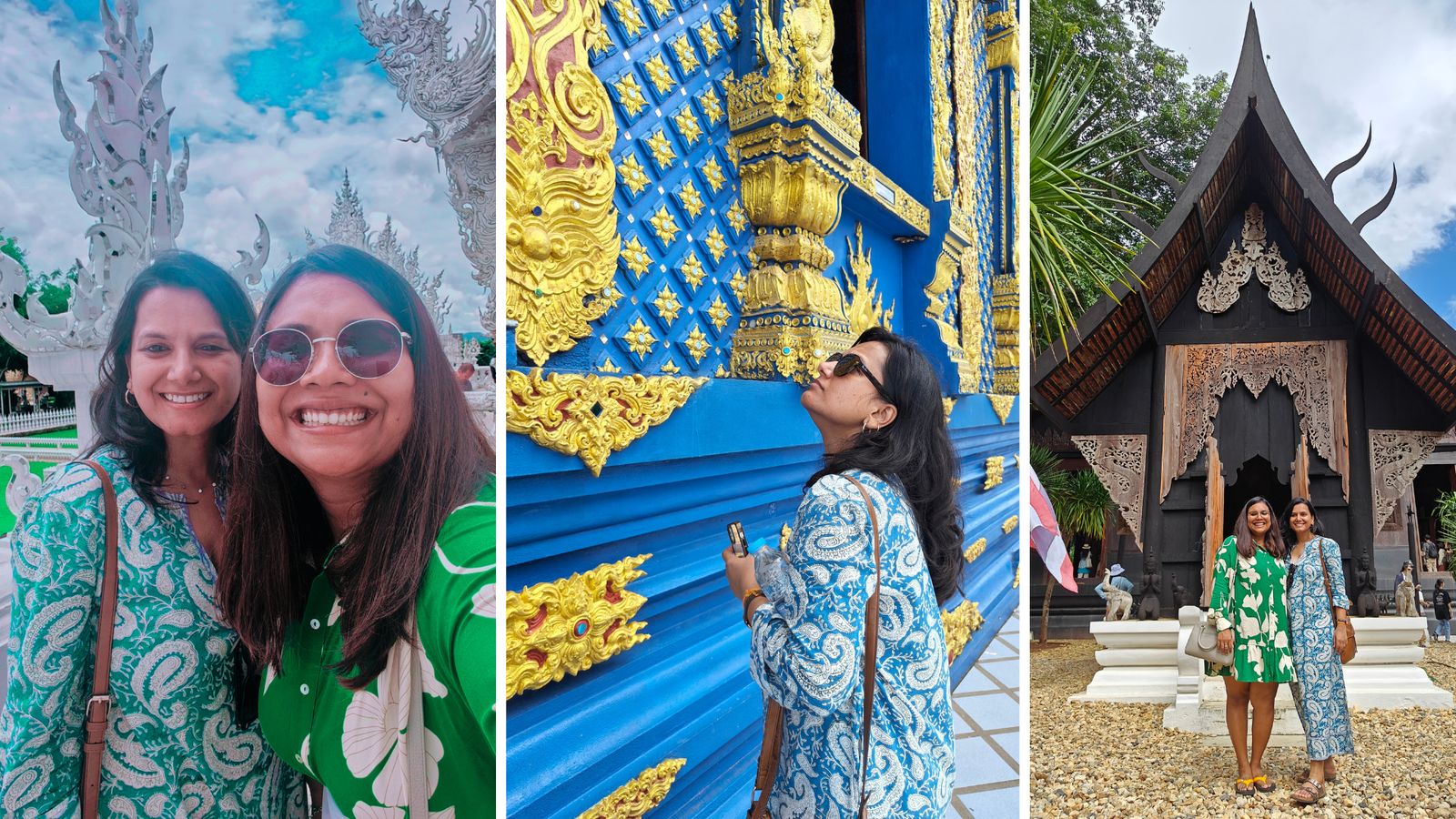
The White Temple – Wat Rong Khun
This was easily the highlight for me. I had seen it so many times in photos before, but nothing really prepares you for how striking it is in person. Designed by Thai artist Chalermchai Kositpipat, construction began in 1997 as his personal vision of a contemporary Buddhist temple, almost like a living piece of art.
The entire structure is a brilliant white, symbolizing purity, with tiny mirrored pieces embedded into it that catch the light and make it shimmer. But what stayed with me most was the symbolism. Walking across the bridge, you pass over a sea of outstretched hands, representing desire and suffering. It feels surreal at first, almost theatrical, but once you understand it, it becomes incredibly powerful.
Inside, the murals are just as unexpected. Traditional Buddhist imagery sits alongside modern elements, creating this fascinating contrast between the old and the new. We ended up spending a lot of time here, soaking in the architectural marvel, and clicking photos around the place!
The Blue Temple – Wat Rong Suea Ten
After the intensity of the White Temple, the Blue Temple felt almost calming. Deep shades of blue cover everything, offset by gold details that glow in the light.
This temple is relatively new and was designed by a student of Chalermchai, which explains the artistic connection. Inside, a large white Buddha sits at the center, surrounded by vivid murals that almost draw you in. I remember just standing there for a while, not really doing anything, just taking it all in.
Outside the Blue Temple, they also sell a traditional Blue Ice cream (yeah!) – which I would recommend trying! It’s basically coconut ice cream with blue pea tea flavor!
The Black House – Baan Dam Museum
The last stop, the Black House, was completely different from everything else. Created by artist Thawan Duchanee, it is not a temple in the traditional sense but a collection of dark wooden structures spread across a large area. To me, it was more like a museum, and walking through it felt intense. The spaces are filled with animal bones, skins, and dramatic sculptures, all reflecting themes of life, death, and human nature. It is not the easiest place to take in, and at times it feels a little unsettling, but that is also what makes it so compelling.
By the end, I realized how different each stop had felt, yet how connected they all were through art, culture, and belief. It was a long day, and by the time we returned to Chiang Mai, we were pretty tired!
Day 3: Exploring the artists’ village of Baan Kang Wat
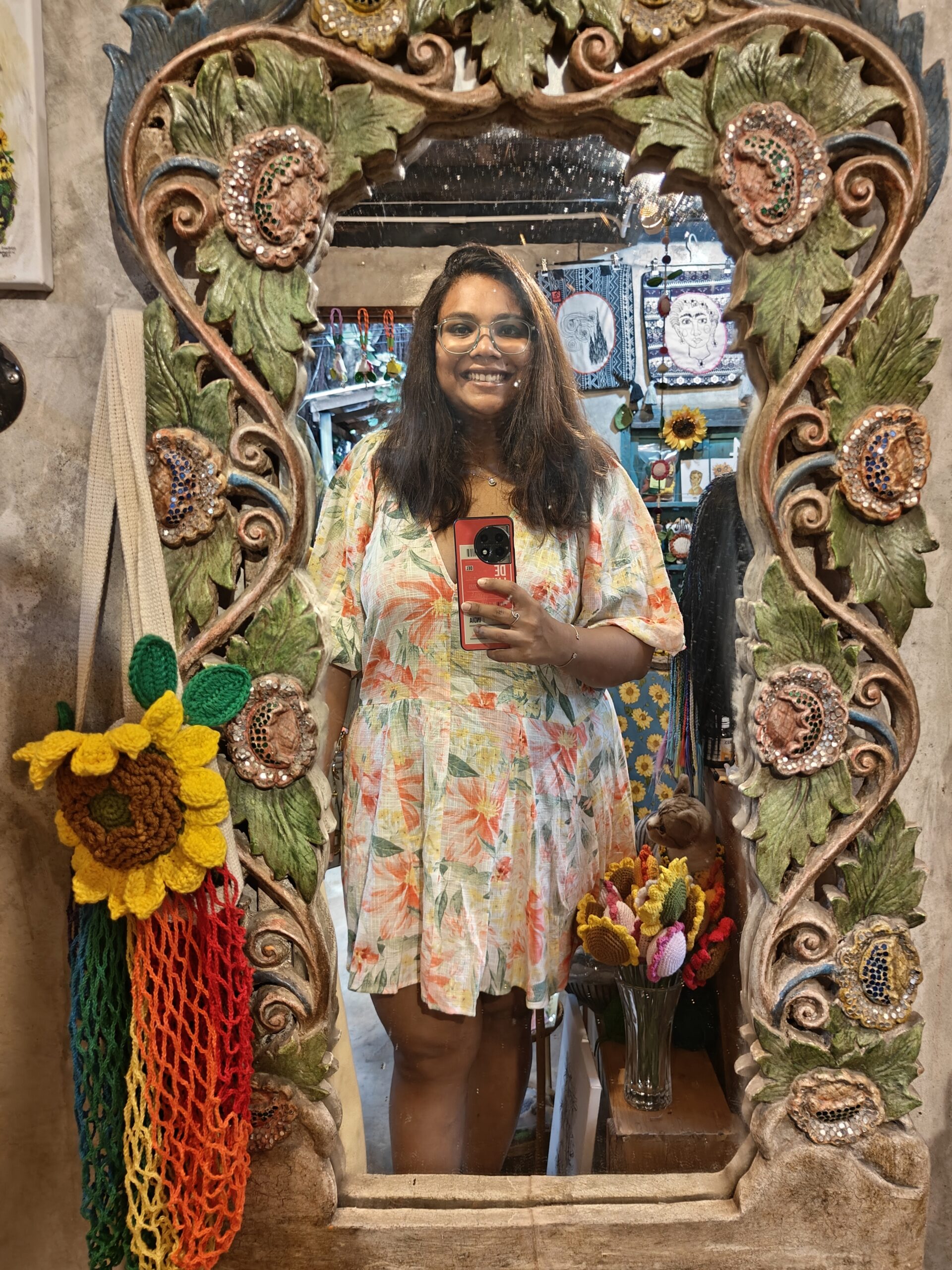
This ended up being the highlight of our time in Chiang Mai, at least for us! It was something that I was absolutely looking forward to. Tucked away from the busier parts of the city, Baan Kang Wat feels almost too perfect, like something straight out of a postcard!
The space is small but thoughtfully put together. A cluster of wooden houses arranged around an open courtyard and amphitheater, each one home to a different creative studio or shop. The architecture itself is beautiful, a mix of traditional teak wood with more modern, minimal touches. It feels lived-in, warm, and intentionally simple. The idea behind it comes from Nattawut Ruckprasit, who wanted to build a close-knit creative community rather than just a marketplace. And you can feel that when you are there. It does not feel commercial. It feels collaborative, like everyone is quietly contributing to the same shared space.
Inside, you will find everything from small art galleries and craft studios to a library, cafes, bakeries, and little shops selling handmade goods. Most things here are locally made, often sustainable, and you can tell there is a lot of care behind each piece. One of the highlights is Bookoo Studio, a ceramics space that perfectly reflects the creative spirit of the village.
What I loved most is that you are not just walking around and looking, you can actually take part. There are workshops happening throughout the week, and you can spend hours here without even realizing it. You can try your hand at pottery, make your own soap, learn book binding, experiment with watercolors, or even sit down for something like candle making.
Note: If you happen to be there on a Sunday, Baan Kang Wat hosts a lovely little open market from 8 a.m. to 1 p.m., which is worth planning your visit around. On most days, the village is open from 11 a.m. to 6 p.m., with Mondays the only day the shops are closed.
Chiang Mai stayed with me in a way I didn’t expect. It wasn’t just the temples or the places we visited, but the feeling of slowing down, of letting the days unfold without rushing. The quiet moments, the long walks, the little pauses at cafes, all of it came together in a way that felt easy and unforced. Some trips fade once you are back, but this one didn’t. It left behind a kind of calm, simple, beautiful memories that still feel very present.
And if there’s one thing I know for sure, it’s that I would go back to Chiang Mai in a heartbeat!
Things to know before traveling to Chiang Mai
Now that you know the best things to do in Chiang Mai, let me also tell you that planning a trip there is fairly easy, but there are a few things that make the experience smoother and much more enjoyable once you’re there.
1. It’s slower than you expect Chiang Mai isn’t like Bangkok. Things move at a gentler pace here, and that’s part of the charm. Don’t overpack your itinerary. Leave space to wander, sit in cafes, and just take it in.
2. Dress appropriately for temples You’ll be visiting many temples, so carry light, modest clothing that covers your shoulders and knees. It’s best to be prepared so you don’t have to skip places or rent cover-ups.
3. Walking is the best way to explore The Old City is very walkable, and honestly, that’s how you discover the best spots. Comfortable shoes are a must because you’ll end up walking more than you think.
4. Cafes are a big part of the experience Chiang Mai has an incredible coffee culture. Plan for cafe breaks, not just for the coffee, but for the atmosphere. Some of your favorite moments will probably happen here.
5. It gets hot, plan your day around it Mornings and evenings are the best times to explore. Midday can get quite warm, so use that time to slow down, head to a cafe, or take a break.
6. Cash is still useful While many places accept cards, smaller cafes, markets, and local shops often prefer cash. Keep some Thai Baht handy, especially for night markets.
7. Night markets are a must Places like the Chiang Mai Night Bazaar are a big part of the experience. Go hungry, take your time, and try whatever catches your eye.
8. Day trips are worth it If you have time, don’t just stay within the city. A day trip to Chiang Rai or even the mountains around Chiang Mai adds so much more to the trip.
9. Respect the culture Be mindful when visiting temples, remove your shoes where required, dress appropriately, and be respectful when taking photos, especially around monks.
10. Give yourself time Chiang Mai is not a place you rush through. The more time you give it, the more it gives back.
Best time to visit Chiang Mai
The best time to visit Chiang Mai really depends on the kind of experience you’re looking for, because each season here feels completely different.
November to January: Cool, festive, and most popular This is considered the ideal time to visit. The rains have just ended, the air feels fresh, and the weather is comfortably cool, especially in the evenings. It’s also when Chiang Mai feels the most alive. Festivals like Loi Krathong and Yi Peng light up the city, with lanterns floating into the sky and candlelit offerings drifting along the water.
If you enjoy clear skies, cultural experiences, and pleasant weather for exploring temples and the outdoors, this is the perfect window. Just keep in mind that it’s also peak season, so things tend to be more crowded.
February to April: Hot and smoky This is usually the least recommended time to visit. Temperatures rise significantly, and, more importantly, the region experiences a “smoky season” from agricultural burning. Air quality can drop significantly, and the haze is hard to ignore.
That said, April brings Songkran, Thailand’s famous water festival. In Chiang Mai, it turns into a city-wide celebration, especially around the Old City moat. It’s chaotic, fun, and completely unforgettable, if you don’t mind the heat and getting soaked.
May to October: Green, quiet, and underrated This is the rainy season, and we also visited in August. It was hot and sultry, but not that bad as well.
And honestly, it was beautiful in a very different way. The city felt quieter, slower, and surrounded by this deep, lush green that you don’t see in peak season. The rains usually came in short bursts, often in the afternoon or evening, leaving behind cooler air and that fresh, earthy smell. There were moments of grey skies, of course, but they somehow added to the mood rather than taking away from it.
Waterfalls were fuller, the countryside looked alive, and everything felt a little more relaxed.
It might not be the “perfect” time on paper, but if you enjoy fewer crowds, softer travel days, and don’t mind a bit of rain, it can actually be a really special time to experience Chiang Mai. In the end, there’s no single best time, just different versions of the same place, each with its own charm.
Where to stay in Chiang Mai?
The city has a few distinct neighborhoods, each with its own vibe, so it’s less about “best hotel” and more about what kind of trip you want.
Old City (Best for first-time visitors)
If it’s your first time, stay inside or just around the Old City. This is where everything happens. Temples, cafes, massage places, and little streets you’ll keep getting lost in. It’s also incredibly walkable, which makes a big difference. Most of the main sights are just a short walk away, so you don’t have to rely too much on transport.
This is exactly where I’d stay again. It just makes everything feel easier and more immersive.
Nimman (Trendy, cafe culture, slightly modern)
If you wish to stay in a chic neighborhood, then Nimman is your area. It’s more modern, a little polished, and filled with cafes, co-working spaces, and boutique hotels. A lot of digital nomads stay here. It’s not as atmospheric as the Old City (well, I’m biased here!), but great if you want that cafe-hopping, creative vibe.
Riverside (Quiet, scenic, slightly luxurious)
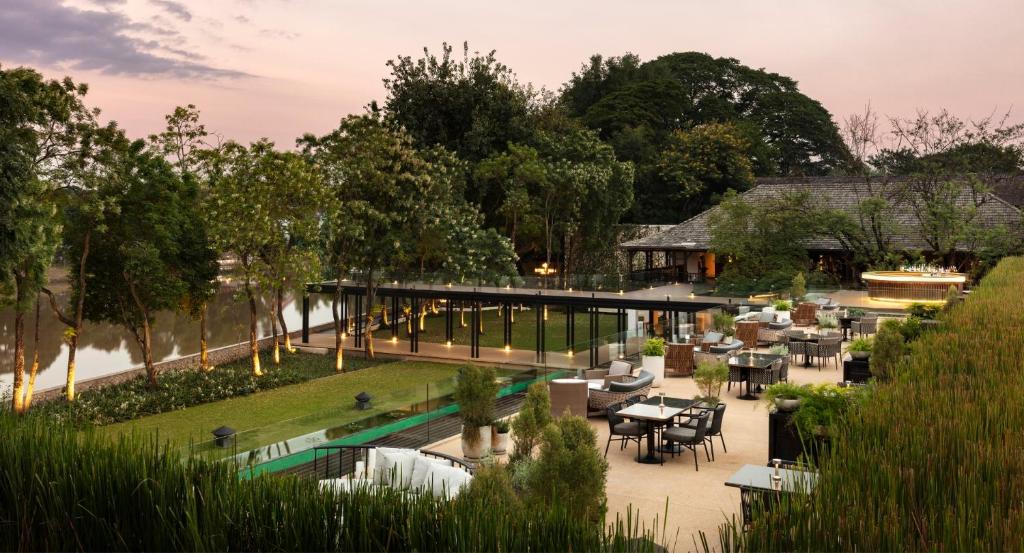
Photo Courtesy: Booking.com (Anantara Chiang Mai Resort)
If you want something slower and more peaceful, look at the riverside. This is where you’ll find some of the nicer boutique stays and luxury hotels, with a calmer, more relaxed atmosphere. It’s not as walkable to the main sights, but perfect if you want to unwind. And also, you’ll find boutique properties, like Anantara Chiang Mai Resort, in this area.
Getting around Chiang Mai
Getting around Chiang Mai is surprisingly easy, and part of the experience is figuring out what works best for you on any given day.
Walking (best in the Old City) If you’re staying in the Old City, you’ll find yourself walking almost everywhere. The streets are compact, and most temples, cafes, and little shops are close to each other. Honestly, this is the best way to explore. You’ll discover places you were never looking for.
Grab (your go-to option) The easiest and most reliable way to get around is the Grab app. It works just like Uber, and you can book cars or bikes within minutes. Prices are reasonable, and it saves you the hassle of negotiating fares.
Red trucks (songthaews) You’ll see these everywhere. Red shared taxis operate like informal buses. You can flag one down, tell the driver where you want to go, and they’ll quote a price. It’s a very local experience and quite affordable, especially for short distances.
Tuk-tuks (for short rides) Tuk-tuks are fun, especially for quick rides, but they can be slightly more expensive. It’s always a good idea to agree on the price before you hop in.
Scooter rental (for flexibility) If you’re comfortable riding, renting a scooter gives you complete freedom, especially if you plan to explore outside the city. Just make sure you have an international driving permit and always wear a helmet.
Day tours for longer distances For places like Chiang Rai or mountain areas, it’s easiest to book a guided tour or hire a private car. Distances are longer, and this saves time and effort.
Quick tip: Distances may look short on the map, but the heat can slow you down. Plan your day with breaks in between, and don’t hesitate to hop into a cab or Grab when needed.
Is it worth visiting an elephant sanctuary in Chiang Mai?
This is one of those experiences many people associate with Chiang Mai, and it naturally comes up when planning a trip.
Short answer: It can be worth it, but only if you choose the right kind of experience.
Over the years, there has been much greater awareness of elephant tourism in Thailand. Many places that once offered rides or performances are now being questioned for how the animals are treated. Because of this, there has been a shift towards more ethical, observation-based sanctuaries.
If you do want to visit, look for places that focus on rescue and rehabilitation, where elephants are not made to perform, paint, or give rides. The better sanctuaries allow you to observe them in a more natural setting, maybe walk alongside them, or help with feeding, without forcing interaction. That said, it’s also completely okay to skip it. Chiang Mai has so much to offer, temples, cafes, markets, places like Baan Kang Wat, and just the general pace of the city, that you won’t feel like you’ve missed out on your trip.
If seeing elephants is important to you, do your research and choose an ethical sanctuary. If not, there is plenty else that makes Chiang Mai special. It really comes down to what kind of experience you want. But there’s something else that I can suggest – and that’s volunteering at an elephant camp in Chiang Mai (Yeah! you read that right!).
If you really wish to spend time with elephants in Thailand, I would recommend spending a week or so at an elephant camp, where you can actually care for rescued elephants and contribute to their well-being.
If you’ve been to Chiang Mai, I would love to know more about your experiences. And if you’re planning a trip there, I hope this travel itinerary helps!
Disclaimer: This post contains a few affiliate links. If you happen to click on any of them and make a purchase, I might earn a small commission, at no extra cost to you. Just know that I truly appreciate your support if you choose to do so.
I travel to collect stories, slowly and meaningfully, with an open heart. I wander a little farther for good food, linger longer to understand a place, and write so I can call it “work.” A slow traveller at heart, I believe in experiences over checklists, in moments that unfold at their own pace, and in connections that stay long after the journey ends. An absolute foodie and die-hard mountain lover, I find my happiest moments in quiet Himalayan towns with a cup of lemon-honey-ginger tea in hand. Over the years, I’ve had the joy of exploring places across India and beyond, each trip teaching me something new about people, cultures, and myself. When I’m not lost in thought or coffee, you’ll find me exploring the world one destination at a time, always looking for places that make me feel something. I love to read and write (give me a book and I’ll love you all the more) and share honest insights, real photos, and thoughtful recommendations from my own travels, so you can experience every place a little deeper, a little slower, and with just the right touch of comfort.



 Pinterest
  Linkedin
  MuckRack