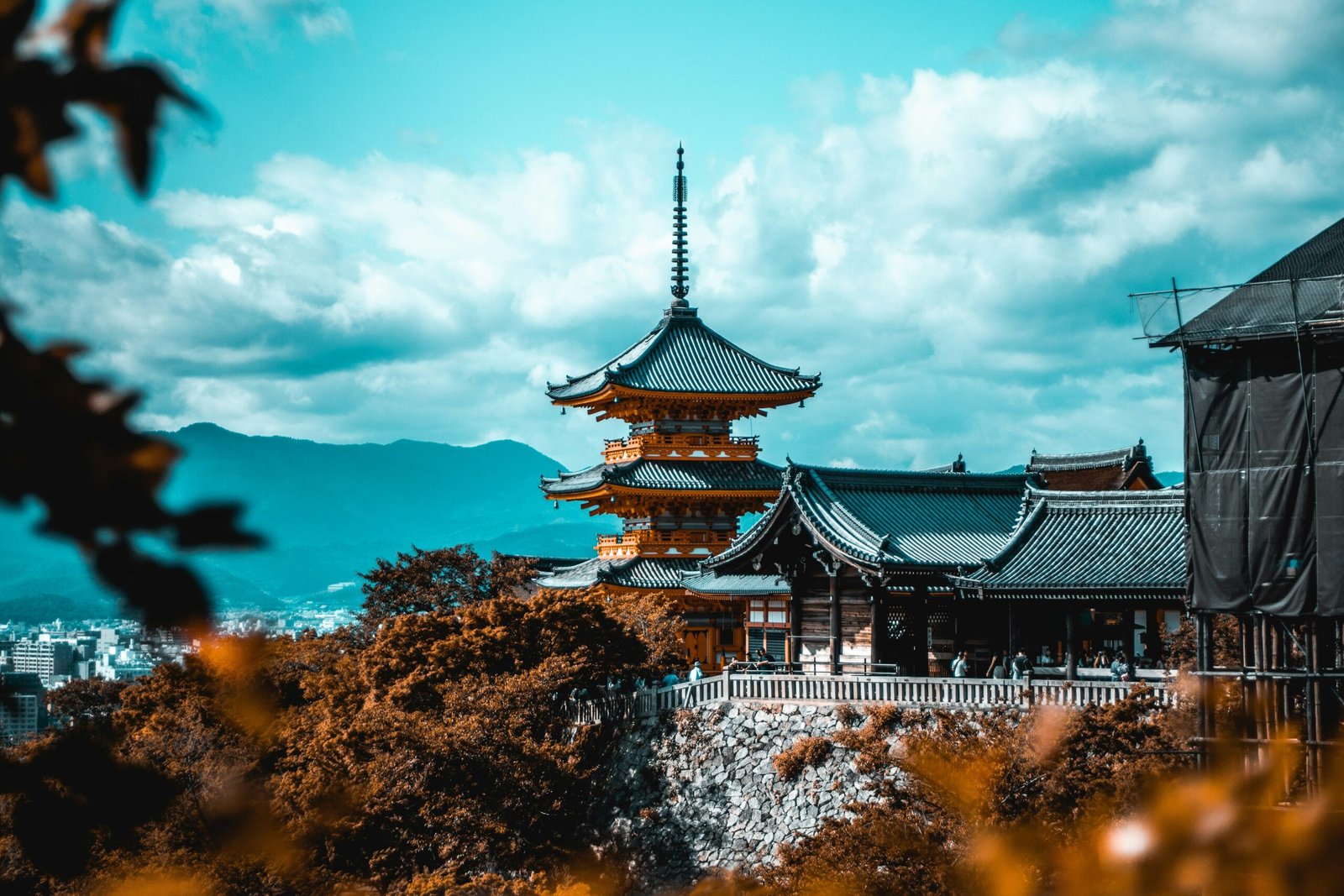

Best Time to Visit Japan: A Month-By-Month Guide
Whether you want to experience the electric energy of Tokyo’s bustling streets or unwind in the tranquil mountain landscapes of rural Hokkaidō, the best time to visit Japan depends on the kind of trip you’re planning. From cherry blossom season in spring to snowy winter escapes and colorful autumn foliage, every season offers something unique.
Japan is one of those places that feels completely different depending on when you visit. In spring, parks and riversides fill with cherry blossoms and picnic crowds. Summer brings festival season, fireworks, and long days perfect for exploring. Autumn turns temple gardens and mountain towns into shades of red and gold, while winter is all about snowy landscapes, ski trips, and steaming hot springs.
The best time to visit Japan really depends on the kind of trip you want. If you’re planning to spend your days walking through cities like Tokyo and Kyoto, spring and autumn usually offer the most comfortable weather for sightseeing. If you want fewer crowds and lower prices, winter can be surprisingly good in many parts of the country.
Because Japan stretches from snowy northern islands to subtropical beaches in the south, the weather can vary a lot across the country. That’s why choosing the right season can make a big difference to your trip — whether you’re hoping to catch cherry blossom season, witness the beauty of the autumn leaves, hike in the mountains, or simply avoid peak tourist crowds.
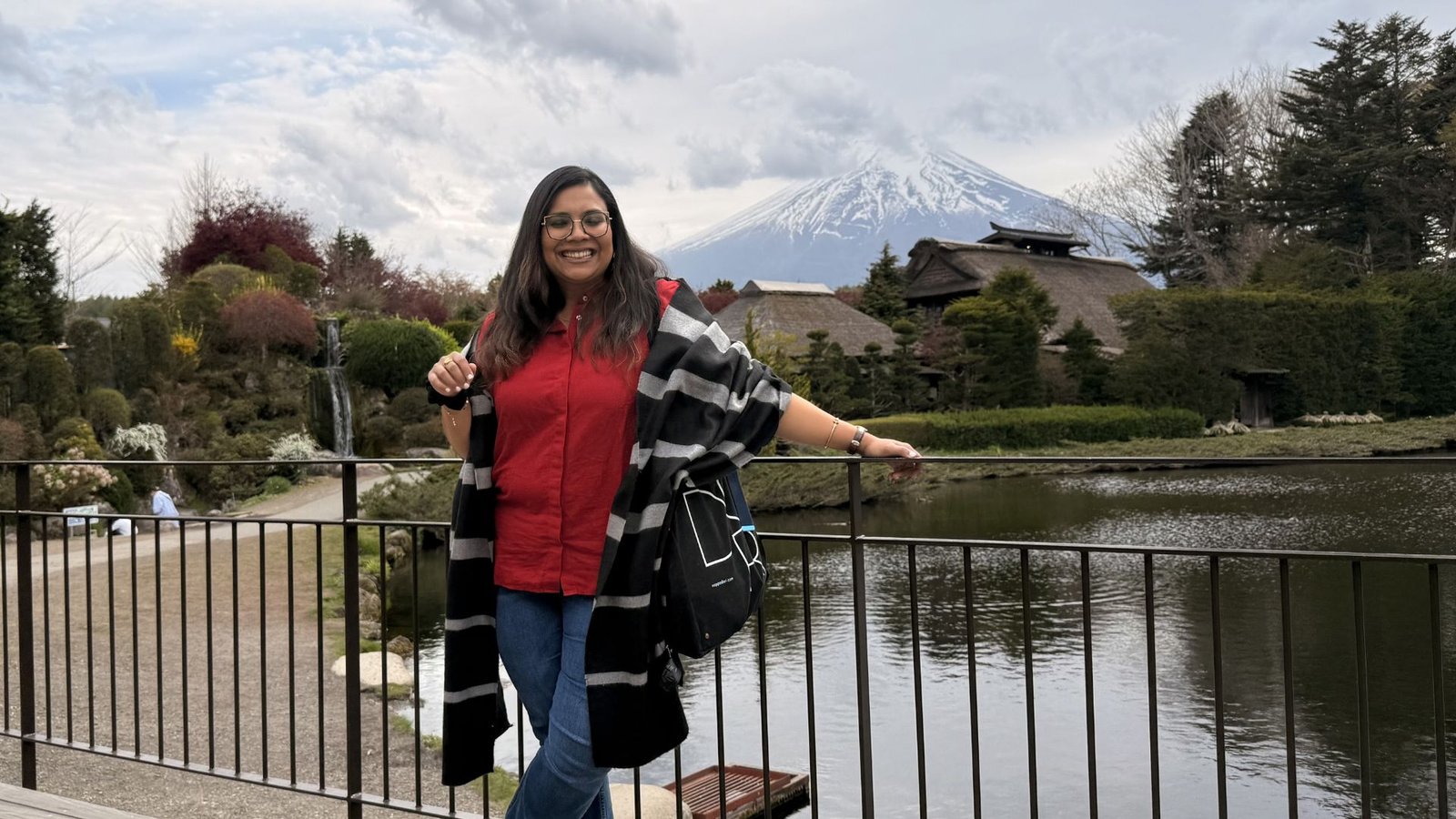
Seasons in Japan: What to Expect Throughout the Year
Japan changes dramatically with the seasons, and that is one of the reasons so many people return more than once. The time of year you visit can completely shape your experience, from the weather and scenery to hotel prices and crowd levels.
If you’re trying to decide on the best time to visit Japan, here’s what each season is really like and what you can expect while planning your trip.
Spring (March to May)
Spring is one of the most popular times to visit Japan, mainly because of cherry blossom season. As sakura blooms start appearing across the country from late March onwards, parks, riversides, and temple grounds become incredibly busy with locals and tourists enjoying hanami picnics.
The weather during spring is mild and comfortable, making it one of the best seasons for sightseeing, walking around cities, and day trips. I visited Japan in April and travelled through Tokyo and Kyoto during peak sakura season, and it honestly felt like the entire country was outdoors enjoying the season. The cherry blossoms were everywhere — along rivers, outside temples, and even in quiet neighbourhood streets.
Because it’s such a popular time to visit, expect larger crowds and higher hotel prices, especially in Tokyo, Kyoto, and Osaka. Booking accommodation and train tickets early is definitely recommended.
Summer (June to August)
Summer in Japan is hot, humid, and rainy, especially during June, which is considered the rainy season in many parts of the country. July and August can feel intense in the bigger cities, but this is also when Japan comes alive with fireworks festivals, traditional matsuri celebrations, and outdoor events.
It’s also a great season for hiking in the Japanese Alps or visiting cooler northern regions like Hokkaidō. Beach destinations become popular too, especially the islands in the south.
Personally, I’d love to visit Japan again during summer and spend time in Okinawa. The beaches, island scenery, and slower pace feel completely different from cities like Tokyo and Kyoto, and it seems like a great way to experience another side of Japan.
Autumn (September to November)
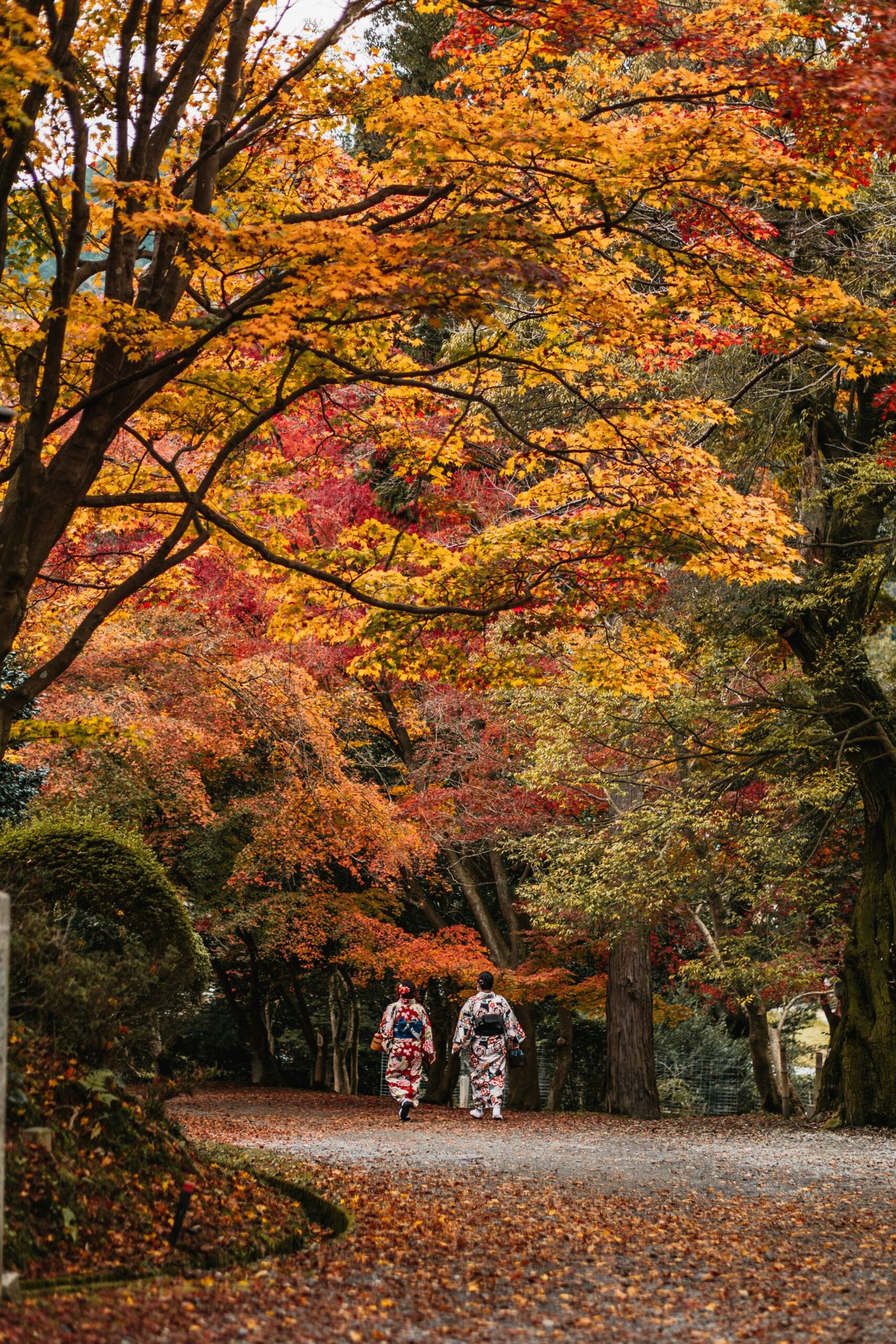
Autumn is another favourite season for travellers visiting Japan. The humidity from summer starts fading, temperatures become cooler, and the fall colours begin taking over parks, temples, and mountain regions.
Places like Kyoto become especially beautiful during November when maple leaves turn deep shades of red and orange. It’s one of the best seasons for walking around temple districts, taking scenic train rides, and planning outdoor day trips without dealing with summer heat or heavy rain.
Autumn is also a busy travel season, especially during peak foliage weeks, so prices for hotels can rise again during this period.
Winter (December to February)
Winter in Japan can look very different depending on where you go. Cities like Tokyo and Osaka stay relatively dry and manageable, while northern regions receive heavy snowfall. This is the best time for skiing, snowboarding, and onsen experiences, especially in places like Niseko, Nagano, and other mountain regions. Snow-covered villages, winter illuminations, and hot bowls of ramen somehow make Japan feel even more comforting during this season.
Outside of the New Year holiday period, winter can also be one of the quieter and more affordable times to visit Japan, especially for travellers looking to avoid peak crowds.
[Also read: Things You Must Know Before Traveling To Japan]
Best Time to Visit Japan for Budget Travelers
If you’re planning a trip and trying to keep costs lower, timing can make a big difference.
Peak travel periods — especially cherry blossom season (March to April) and autumn foliage season (October to November) — usually mean higher hotel rates, crowded attractions, and limited accommodation options in popular cities.
Off-peak periods like the rainy season in June or the colder weeks after the New Year in January and February often come with better flight deals and lower hotel prices. While the weather may not always be perfect, these months can be great for travellers who prefer fewer crowds and more flexible budgets.
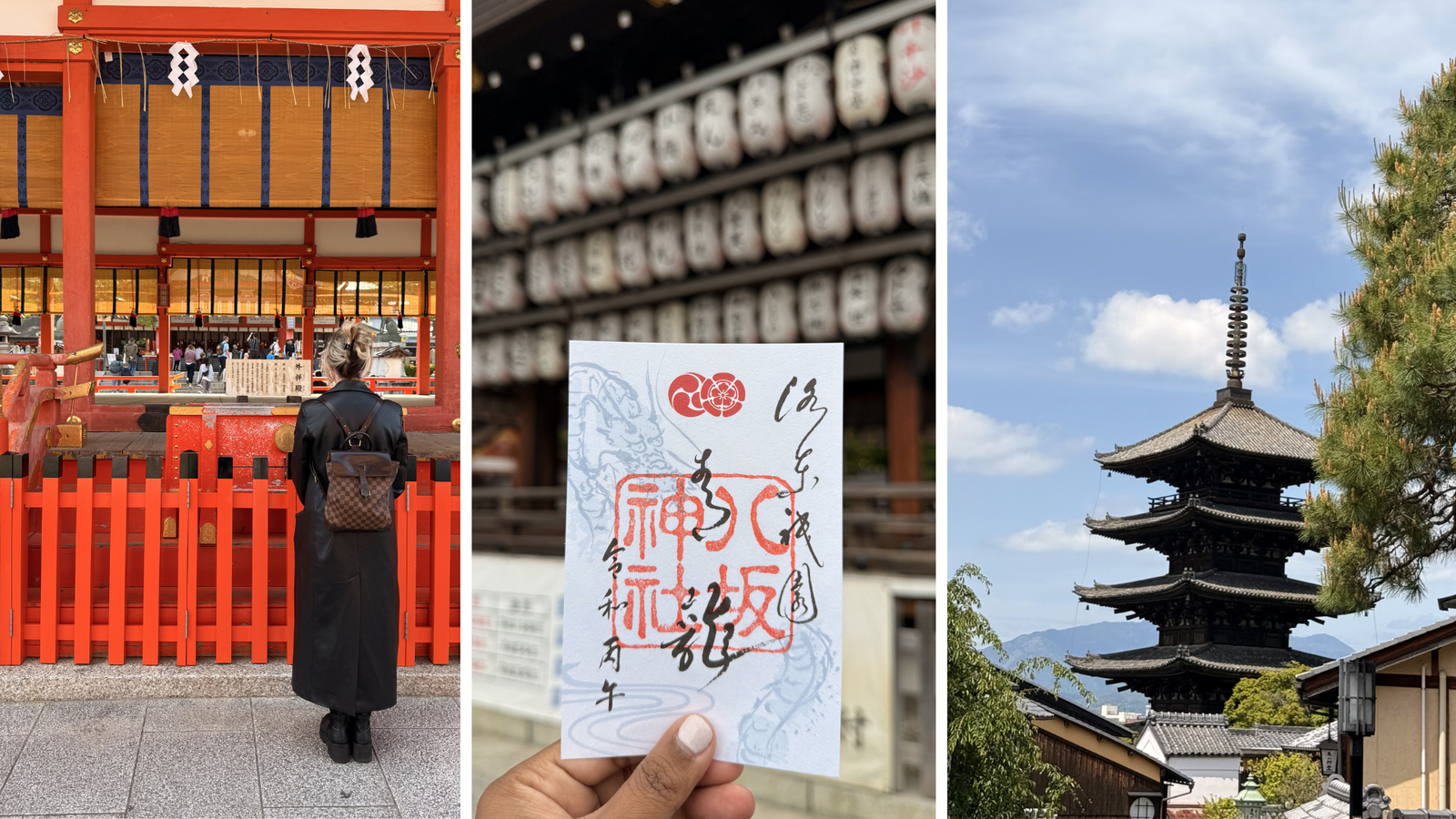
Best Time to Visit Japan for Festivals
If experiencing local culture and traditional celebrations is high on your list, then timing your Japan trip around festival season can make a huge difference.
Golden Week in May
One of the busiest and most exciting times to visit Japan is during Golden Week, which usually falls in the first week of May. This is a cluster of national holidays, so many locals travel around the country during this time.
You’ll notice parks, shopping streets, and public spaces packed with people enjoying the break. There are often cultural events, traditional performances, seasonal decorations, and free entry to some museums and attractions. It’s also common to see families spending time outdoors, flying kites in parks, and attending local celebrations.
Note: Golden Week is also one of the most crowded and expensive times to visit Japan. Hotels, trains, and domestic flights get booked quickly, especially in cities like Tokyo, Kyoto, and Osaka. If you plan to visit during this period, booking accommodation and transport well in advance is essential.
Summer Festivals in August
August is another great time to visit Japan if you want to experience festivals at their peak. Summer festivals, known as Natsu Matsuri, happen across the country, and each one feels slightly different depending on the region. You can expect food stalls, fireworks, lantern displays, live music, and traditional dance performances. Some cities host huge street parades where performers dance in coordinated groups wearing traditional outfits. Even smaller neighbourhood festivals can feel incredibly lively and local.
August is also when Obon takes place, an important cultural and religious period when families honour their ancestors. During this time, you’ll often see lantern ceremonies, evening festivals, and large fireworks displays.
Summer in Japan can be hot and humid, especially in major cities, so it helps to plan sightseeing early in the morning or later in the evening. Lightweight clothing, comfortable shoes, and staying hydrated become really important if you’re travelling during festival season.
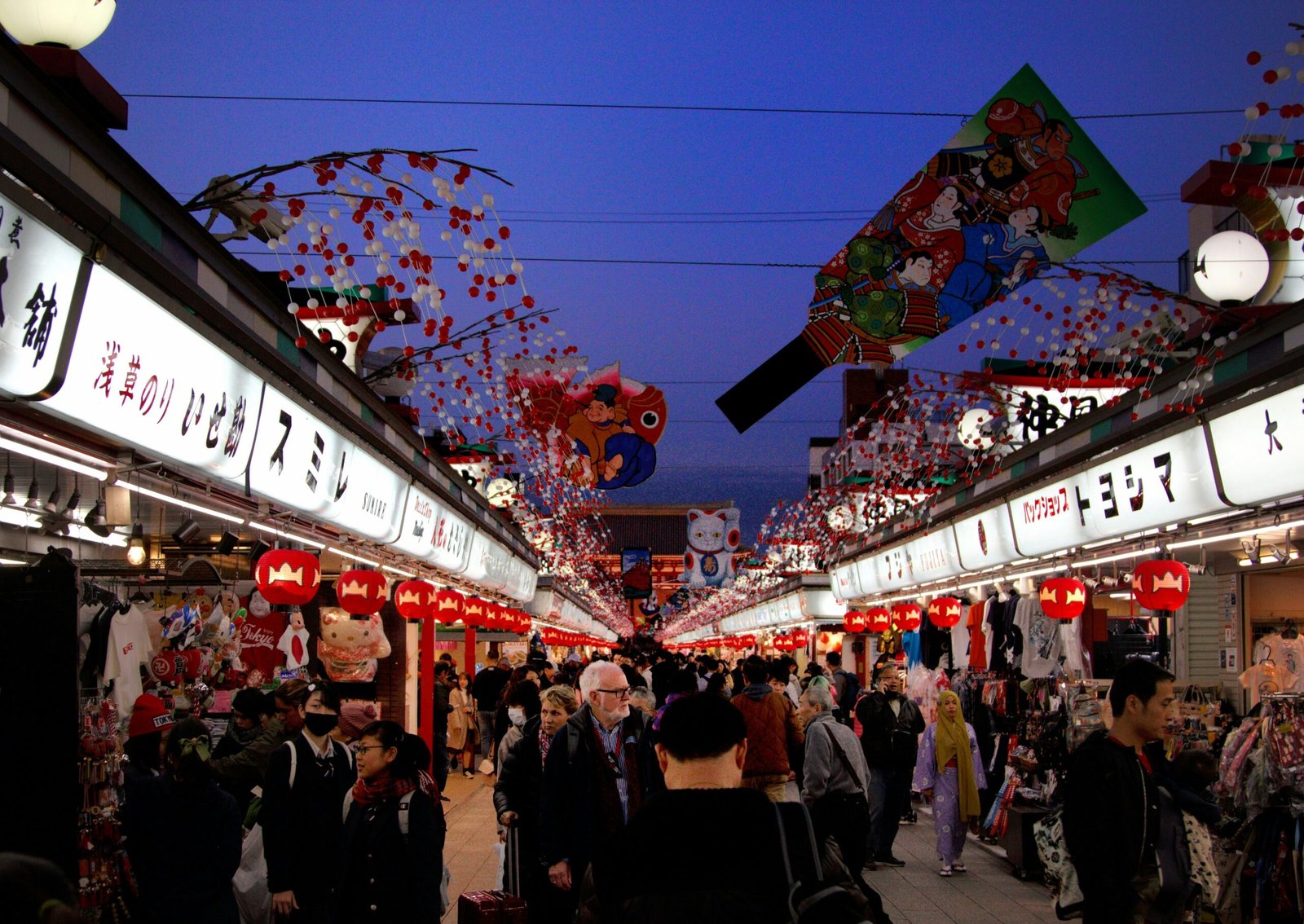
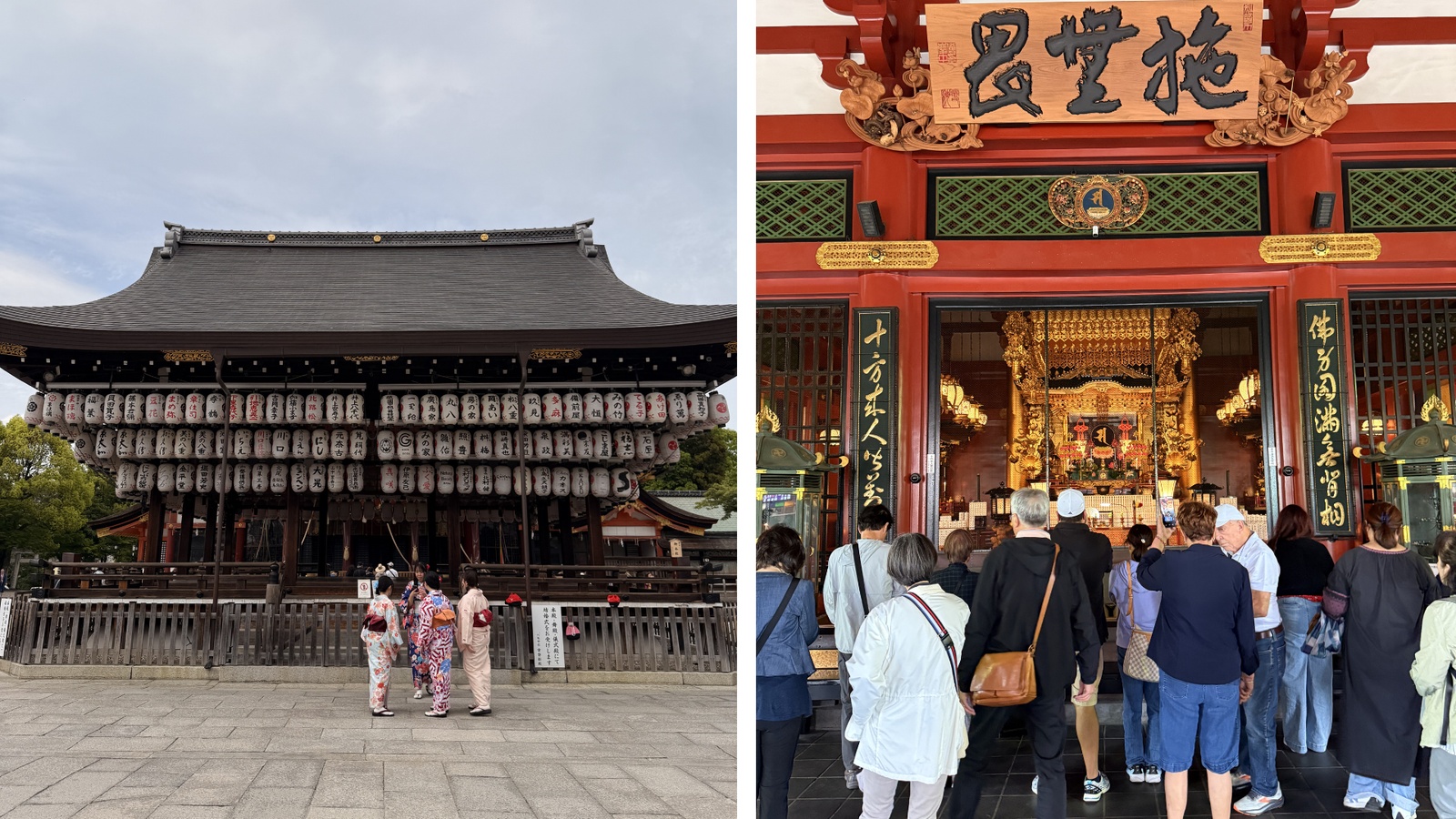
A Month-By-Month Guide to Visit Japan
January
January is one of the coldest months in Japan, but it can be a surprisingly good time to visit if you prefer fewer crowds, winter scenery, and quieter cities. While northern Japan sees heavy snowfall, cities like Tokyo and Osaka usually have cold but clear and sunny days, making sightseeing much more comfortable compared to the busy spring and autumn seasons.
This is one of the best months for winter experiences in Japan. Ski resorts across Hokkaidō and Nagano are in full swing, attracting skiers and snowboarders from around the world. Even if skiing isn’t on your itinerary, January is perfect for staying in a traditional ryokan, soaking in outdoor onsens surrounded by snow, and enjoying seasonal winter food. Places like Hakone, Kusatsu, and Noboribetsu are especially popular for hot spring stays during this time.
Best Places to Visit in Japan in January
- Hokkaidō – Best for skiing, snowboarding, powder snow, and winter landscapes. Niseko and Furano are especially popular in January.
- Nagano – Known for ski resorts, mountain towns, and the famous snow monkeys relaxing in hot springs.
- Tokyo – Winter in Tokyo is usually dry and sunny, making it a great time for sightseeing without huge tourist crowds.
- Kyoto – Temples and traditional streets feel quieter in winter, and occasional snowfall makes the city look even more scenic.
- Hakone – Perfect for onsen stays, ryokan experiences, and clear views of Mount Fuji during winter.
Things Travelers Should Know
- The first week of January is part of the New Year holiday period in Japan, so some shops, restaurants, and attractions may close temporarily.
- Transport and hotels can get busy around New Year’s, but prices often become more affordable later in the month.
- Pack proper winter clothing, especially if you’re visiting northern Japan or mountain regions.
- January is one of the best months to see Mount Fuji clearly because winter skies are usually less hazy.
- If you enjoy slower travel, fewer crowds, and cosy winter experiences, January can be one of the most relaxing times to visit Japan.
February
February is still very much winter in Japan, especially in the northern regions, but it’s also one of the most scenic months to experience snow festivals, hot springs, and winter landscapes. Tourist crowds are generally lower compared to the cherry blossom and autumn seasons, making it a good time for travellers who prefer a quieter experience.
This is peak season for skiing and snowboarding, with some of the best snow conditions found across northern Japan. February is also one of the best months to enjoy outdoor onsens, where you can soak in steaming hot spring baths while surrounded by snow. At the same time, cities like Tokyo and Osaka remain relatively easy to explore, with cold but mostly dry weather.
Best Places to Visit in Japan in February
- Sapporo – Famous for the Sapporo Snow Festival, which features enormous snow sculptures, ice displays, food stalls, and winter events across the city.
- Yamagata – Known for the snow-covered landscapes of Ginzan Onsen, a traditional hot spring town that feels especially magical in winter.
- Niseko – One of Japan’s most popular ski destinations, especially for powder snow and winter sports.
- Kanazawa – A great winter city break with fresh seafood, traditional districts, and beautiful snow-covered gardens like Kenroku-en.
Things Travelers Should Know
- February is one of the busiest months for ski resorts, so accommodation in popular snow destinations should be booked early.
- Snowfall can affect transport in northern and mountain regions, especially around Hokkaidō and the Japanese Alps.
- Winter illuminations and seasonal festivals continue in many cities throughout February.
- Plum blossoms begin appearing towards the end of the month in some regions, offering an early sign of spring before cherry blossom season begins.
- If you want to experience Japan’s winter side without New Year crowds, February is often a better balance between good snow conditions, quieter cities, and slightly lower prices outside ski areas.
March
March marks the beginning of spring in Japan, and you can really feel the country starting to shift seasons. The weather slowly becomes milder, plum blossoms begin fading, and cherry blossom forecasts start taking over travel conversations. Depending on where you travel, you’ll experience a mix of late winter scenery and early spring blooms.
Early March can still feel cold in many regions, especially in northern Japan, but temperatures become much more comfortable towards the end of the month. This is also when cherry blossom season begins in some southern and central cities, making March one of the most exciting months to visit if you want to experience sakura season before peak April crowds arrive.
Best Places to Visit in Japan in March
- Fukuoka – One of the earlier places in Japan to see cherry blossoms, along with pleasant spring weather and fewer crowds compared to Tokyo or Kyoto.
- Hiroshima – A great mix of spring scenery, historic sites, and cherry blossoms around parks and riversides later in the month.
- Nara – Perfect for seeing early sakura blooms around temples, gardens, and Nara Park with its famous deer.
- Kawaguchiko – Known for beautiful views of Mount Fuji, especially during clear spring days before peak tourist season arrives.
- Kobe – A good city for spring travel, with waterfront views, mild weather, and easy access to nearby nature spots.
Things Travelers Should Know
- Cherry blossom timing changes slightly every year, so it’s worth checking sakura forecasts before planning your itinerary.
- Hotel prices begin rising towards the second half of March as spring tourism increases.
- March weather can still be unpredictable, so packing layers is important.
- Spring festivals and seasonal food start appearing across Japan during this month.
- If you want a balance between pleasant weather, early cherry blossoms, and slightly fewer crowds than April, March can be one of the best times to visit Japan.
April
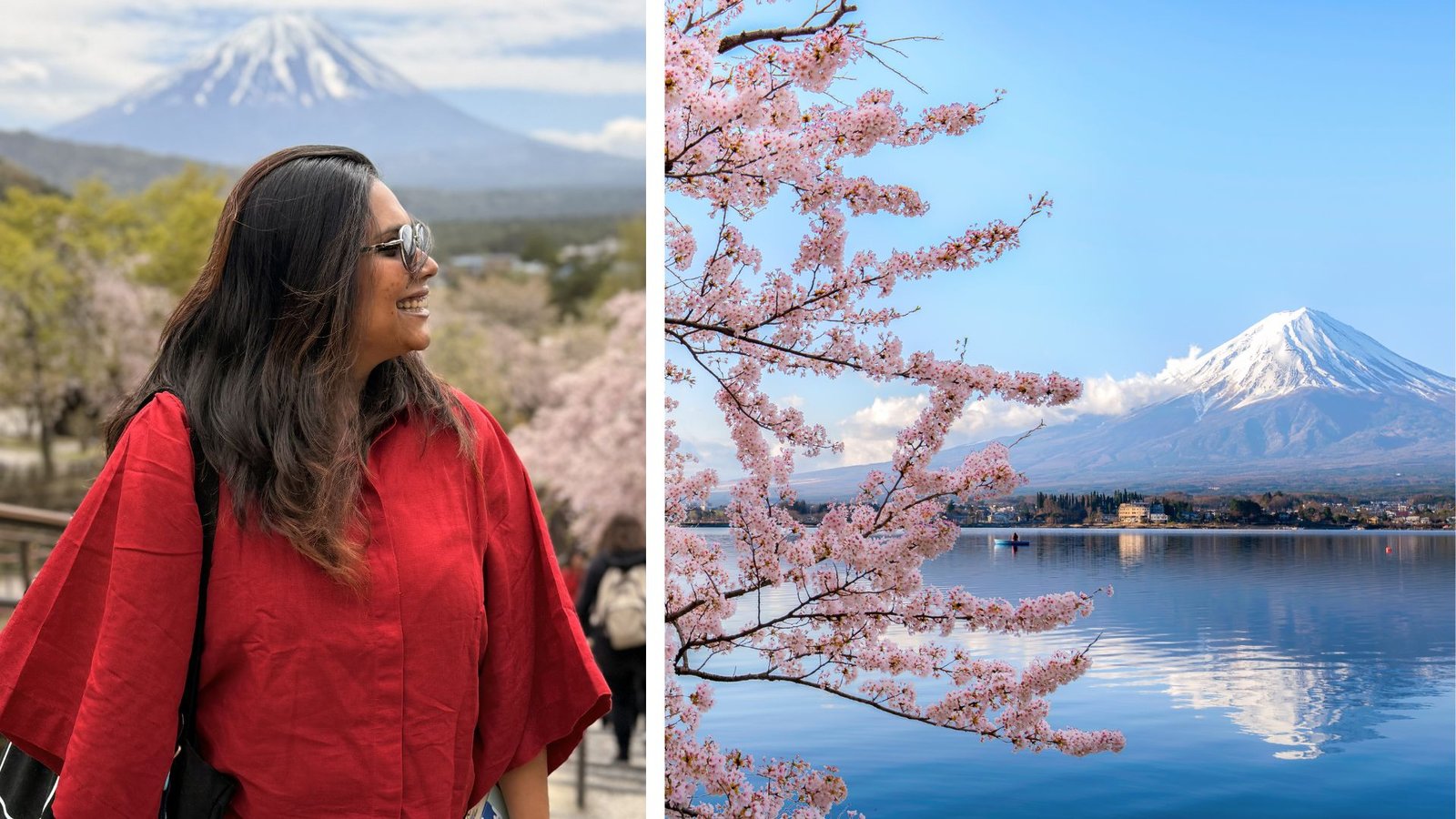
April is one of the most popular months to visit Japan, and for good reason. This is peak cherry blossom season in many parts of the country, when parks, riversides, temple paths, and city streets turn shades of soft pink and white. The weather is usually mild and comfortable, making it one of the best months for sightseeing, walking tours, and day trips.
I visited Japan in April and travelled through Tokyo and Kyoto during peak sakura season, and it genuinely felt like the entire country was outdoors enjoying spring. Parks were full of people having hanami picnics, riversides were lined with cherry blossoms, and even quiet neighbourhoods looked incredibly scenic.
Best Places to Visit in Japan in April
- Kyoto – One of the best places for cherry blossoms, especially around temples, traditional streets, and riverside walks.
- Tokyo – Popular parks like Ueno Park and Shinjuku Gyoen become major sakura viewing spots during April.
- Yoshino – Famous for its hillside cherry blossoms, with thousands of sakura trees covering the mountains.
- Kanazawa – A great spring destination for gardens, historic districts, and slightly calmer crowds compared to larger cities.
- Takayama – Perfect for travellers looking for traditional streets, spring festivals, and cooler mountain weather.
Things Travellers Should Know
- Cherry blossom timing changes every year depending on weather conditions, so checking forecasts before booking is important.
- April is one of the busiest travel months in Japan, especially in cities known for sakura viewing.
- Hotels and train reservations can sell out quickly, particularly in Tokyo, Kyoto, and Osaka.
- Spring weather is usually pleasant, but temperatures can still feel cool in the mornings and evenings.
- If seeing cherry blossoms is your main reason for visiting Japan, April is usually the safest and most popular time to plan your trip.
May
May is one of the best months to visit Japan if you’re looking for pleasant weather, clear skies, and comfortable sightseeing conditions. Spring is still in full swing, but the intense cherry blossom crowds from April begin fading in many places. Parks, gardens, and countryside regions look especially green and fresh during this time.
The first week of May includes Golden Week, one of Japan’s busiest holiday periods, when many locals travel across the country. Popular cities, trains, and tourist attractions can feel extremely crowded during this time. If you’re visiting after Golden Week, though, May becomes much calmer and is often considered one of the most comfortable months for travelling around Japan.
Best Places to Visit in Japan in May
- Shirakawa-go – The traditional village looks especially beautiful in spring, with green rice fields, mountain scenery, and fewer crowds compared to winter.
- Osaka – Great weather for food walks, exploring neighbourhoods, and visiting attractions without the summer humidity.
- Miyajima – Known for its floating torii gate, scenic hiking trails, and pleasant spring temperatures.
- Kamakura – A good day-trip destination for temples, coastal views, and hydrangeas that begin appearing towards the end of the month.
- Sapporo – Spring arrives later in Hokkaidō, so cherry blossoms can still be seen here during early May.
Things Travelers Should Know
- Avoid travelling during Golden Week if you prefer fewer crowds and lower hotel prices.
- The weather in May is usually mild across most of Japan, making it ideal for walking-heavy itineraries.
- Mountain regions and countryside destinations are especially scenic during this time.
- May is a great month for outdoor activities like hiking, cycling, and scenic train journeys.
- Hotel prices and crowds usually become much more manageable after the first week of the month.
June
June marks the beginning of the rainy season in many parts of Japan, especially across cities like Tokyo, Kyoto, and Osaka. While this might not sound ideal at first, June can actually be a good time to visit if you prefer fewer crowds, quieter attractions, and slightly lower hotel prices compared to the busy spring months.
The rain usually comes in short bursts rather than constant downpours, and the countryside becomes incredibly green during this time. Gardens, forests, and temple grounds look especially beautiful in June, and hydrangea flowers begin blooming across the country. Temperatures also remain more manageable before the intense summer heat arrives in July and August.
Best Places to Visit in Japan in June
- Kamakura – Famous for the hydrangea season, especially around temples like Hase-dera and Meigetsu-in.
- Hakone – A good rainy-season escape for onsens, mountain views, museums, and ryokan stays.
- Kanazawa – Rain adds to the atmosphere of the city’s gardens, tea districts, and traditional streets.
- Yakushima – Known for lush forests, hiking trails, waterfalls, and scenery that looks even more dramatic during the rainy season.
- Furano – Located in Hokkaidō, where the rainy season is much less intense compared to mainland Japan.
Things Travelers Should Know
- June is considered off-season in many parts of Japan, so flights and hotels can sometimes be more affordable.
- Carrying a light rain jacket or compact umbrella becomes essential during this month.
- Humidity begins to increase towards the end of June, especially in larger cities.
- The hydrangea season is one of the highlights of June and can be seen in temple gardens, parks, and residential streets across Japan.
- If you don’t mind occasional rain, June can be a surprisingly peaceful and scenic time to travel around Japan.
July
July is when summer fully arrives in Japan. The weather gets hot and humid, especially in cities like Tokyo, Osaka, and Kyoto, but this is also when festival season really starts to pick up across the country. Fireworks displays, traditional matsuri celebrations, lanterns, and food stalls become part of everyday summer life in many cities. While city sightseeing during the afternoon heat can feel tiring, July is a great month for mountain escapes, coastal destinations, and experiencing Japan’s summer culture.
Best Places to Visit in Japan in July
- Kyoto – July is famous for the Gion Matsuri, one of Japan’s biggest and most traditional festivals, with parades, lanterns, and street celebrations across the city.
- Mount Fuji Region – Hiking season for Mount Fuji usually begins in July, making it one of the best times for climbing and mountain views.
- Karuizawa – A popular summer escape with cooler temperatures, forests, cafés, and cycling routes.
- Otaru – A scenic canal town in Hokkaidō that stays cooler compared to mainland Japan during summer.
- Kamakura – Good for beach trips, coastal walks, and easy summer day trips from Tokyo.
Things Travelers Should Know
- July can feel extremely humid in major cities, so lightweight clothing and staying hydrated are important.
- Summer festivals and fireworks events begin happening regularly across Japan during this month.
- Hotel prices may increase around major festivals and school holiday periods.
- Mount Fuji climbing season usually opens in early July and continues through the summer.
- If you enjoy festivals, street food, and lively city atmospheres, July can be one of the most exciting months to visit Japan.
August
August is one of the liveliest months to visit Japan, with summer festivals, fireworks displays, and holiday crowds across the country. The weather is hot and humid in most major cities, especially in places like Tokyo, Kyoto, and Osaka, so planning slower afternoons or indoor activities can make a big difference during this time of year.
This is peak festival season in Japan, and you’ll find traditional summer matsuri taking place almost everywhere. Streets fill with food stalls, lanterns, music, and fireworks, especially during the Obon holiday period in mid-August, when many locals travel to visit family. If you enjoy lively atmospheres and cultural events, August can be one of the most exciting months to experience Japan.
Best Places to Visit in Japan in August
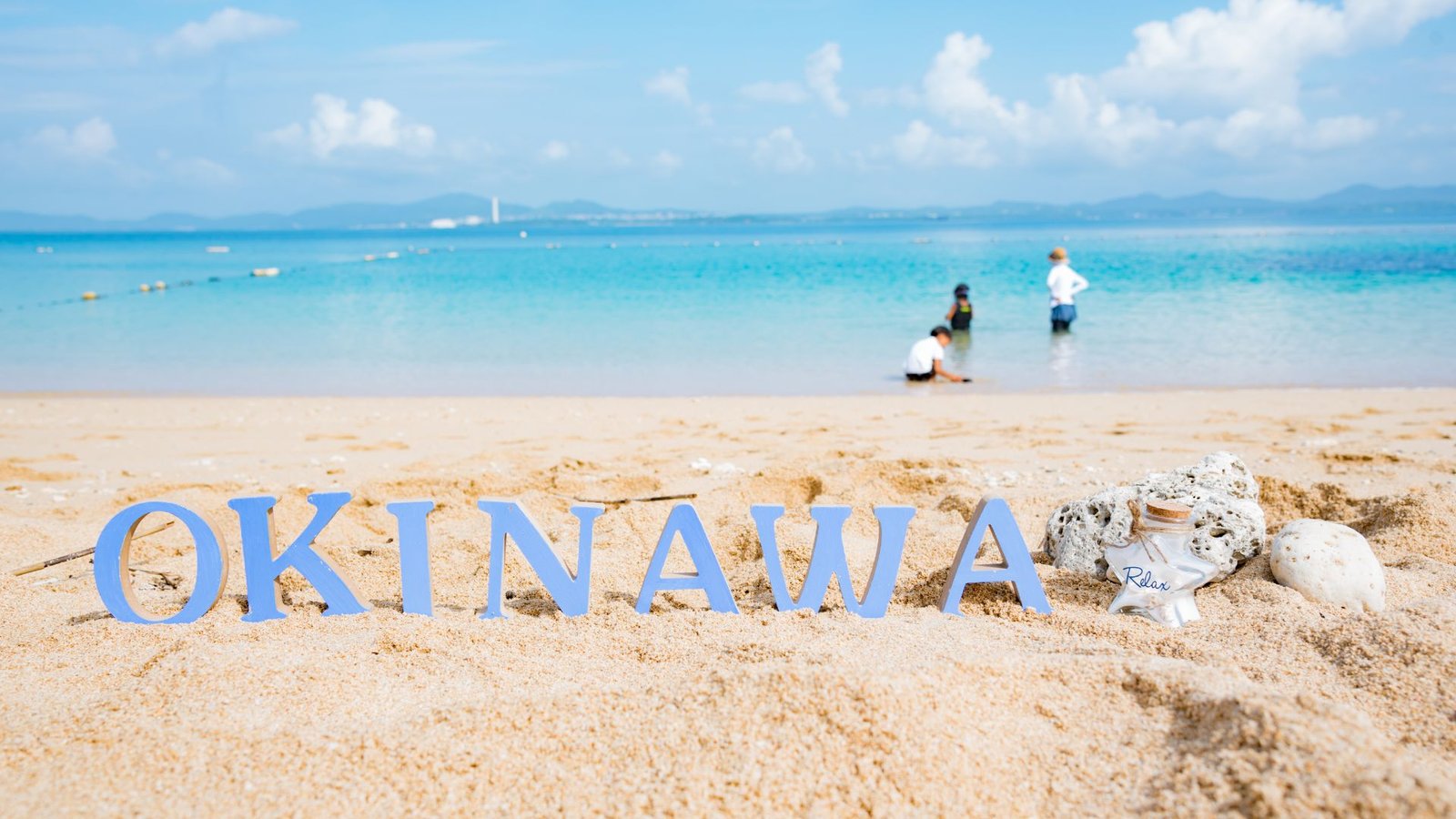
- Okinawa – Perfect for beaches, island hopping, snorkelling, and a more relaxed summer atmosphere compared to mainland Japan.
- Aomori – Famous for the Nebuta Festival, one of Japan’s most well-known summer festivals featuring giant illuminated floats.
- Tokushima – Home to the Awa Odori Festival, known for traditional dance performances and energetic street celebrations.
- Nagasaki – A good summer city break with coastal views, historic sites, and slightly slower crowds compared to Tokyo or Osaka.
- Kamikōchi – Ideal for escaping the summer heat with mountain scenery, hiking trails, and cooler temperatures in the Japanese Alps.
Things Travelers Should Know
- August is one of the hottest and most humid months in Japan, especially in cities and lowland regions.
- The Obon holiday period can lead to crowded trains, busy airports, and higher hotel prices across the country.
- Summer festivals and fireworks displays often require arriving early because popular viewing areas fill up quickly.
- Typhoons can occasionally affect travel plans in late August, particularly in southern regions like Okinawa.
- If you’re travelling during August, lightweight clothing, hydration, and planning indoor breaks during the afternoon heat are essential.
September
September is a transition month in Japan, sitting between the intense summer heat and the cooler autumn season. Early September can still feel hot and humid in many cities, but temperatures gradually start becoming more comfortable towards the second half of the month. Tourist crowds are usually lower compared to the cherry blossom and autumn foliage seasons, making it a good time for slower travel.
This is also when the first signs of autumn begin appearing in northern and mountain regions. Landscapes start changing colour in places with higher elevations, while cities become easier to explore as the humidity slowly drops. September can be a nice balance for travellers who want decent weather without peak-season crowds.
Best Places to Visit in Japan in September
- Sapporo – Cooler temperatures make Hokkaidō one of the most comfortable regions to visit during September.
- Nikkō – Great for waterfalls, forest walks, temple visits, and early autumn colours in the mountains. It’s also a great day trip from Tokyo!
- Takayama – A good time to explore traditional streets and mountain scenery without the busy spring crowds.
- Kusatsu Onsen – Perfect for cooler evenings, relaxing hot spring stays, and a quieter atmosphere before autumn tourism peaks.
- Naoshima – Ideal for art museums, coastal scenery, and cycling weather as temperatures become milder.
Things Travelers Should Know
- Early September can still feel very humid, especially in cities like Tokyo and Osaka.
- Typhoon season continues through September, so it’s important to keep some flexibility in travel plans.
- Hotel prices are often lower than in the peak spring and autumn months in many regions.
- Mountain destinations and northern Japan begin seeing the first autumn foliage towards the end of the month.
- September is a good option for travellers looking for fewer crowds, better hotel deals, and more comfortable weather compared to midsummer.
October
October is one of the best months to visit Japan. The intense summer humidity is gone, temperatures become cooler and more comfortable, and the country slowly starts transitioning into autumn. It’s the kind of weather that makes long walking days, temple visits, café hopping, and scenic train journeys feel much easier and more enjoyable.
Autumn foliage starts appearing in northern Japan and mountain regions during October, while cities still hold onto mild temperatures and clear skies. Compared to the peak cherry blossom season in spring, October often feels more relaxed, even though it’s still a very popular time for travellers.
Best Places to Visit in Japan in October
- Kyoto – One of the best cities for autumn travel, with pleasant weather, temple visits, and the first signs of fall colours appearing later in the month.
- Nikkō – Famous for its autumn foliage, forested landscapes, waterfalls, and UNESCO-listed shrines.
- Kamikōchi – Perfect for hiking, mountain scenery, and crisp autumn weather in the Japanese Alps.
- Fukuoka – A great city break destination with comfortable temperatures, food markets, and coastal day trips.
- Lake Kawaguchiko – Known for clear views of Mount Fuji and autumn scenery around the Fuji Five Lakes region.
Things Travelers Should Know
- October is one of the most comfortable months weather-wise across most of Japan.
- Autumn foliage timing varies depending on the region, with northern and mountainous areas changing colour earlier.
- Hotel prices begin rising again during the autumn travel season, especially in Kyoto and popular foliage destinations.
- Outdoor activities like hiking, cycling, and day trips are especially popular during this month.
- If you want pleasant weather without the extreme heat or heavy rain, October is one of the easiest months for planning a Japan itinerary.
November
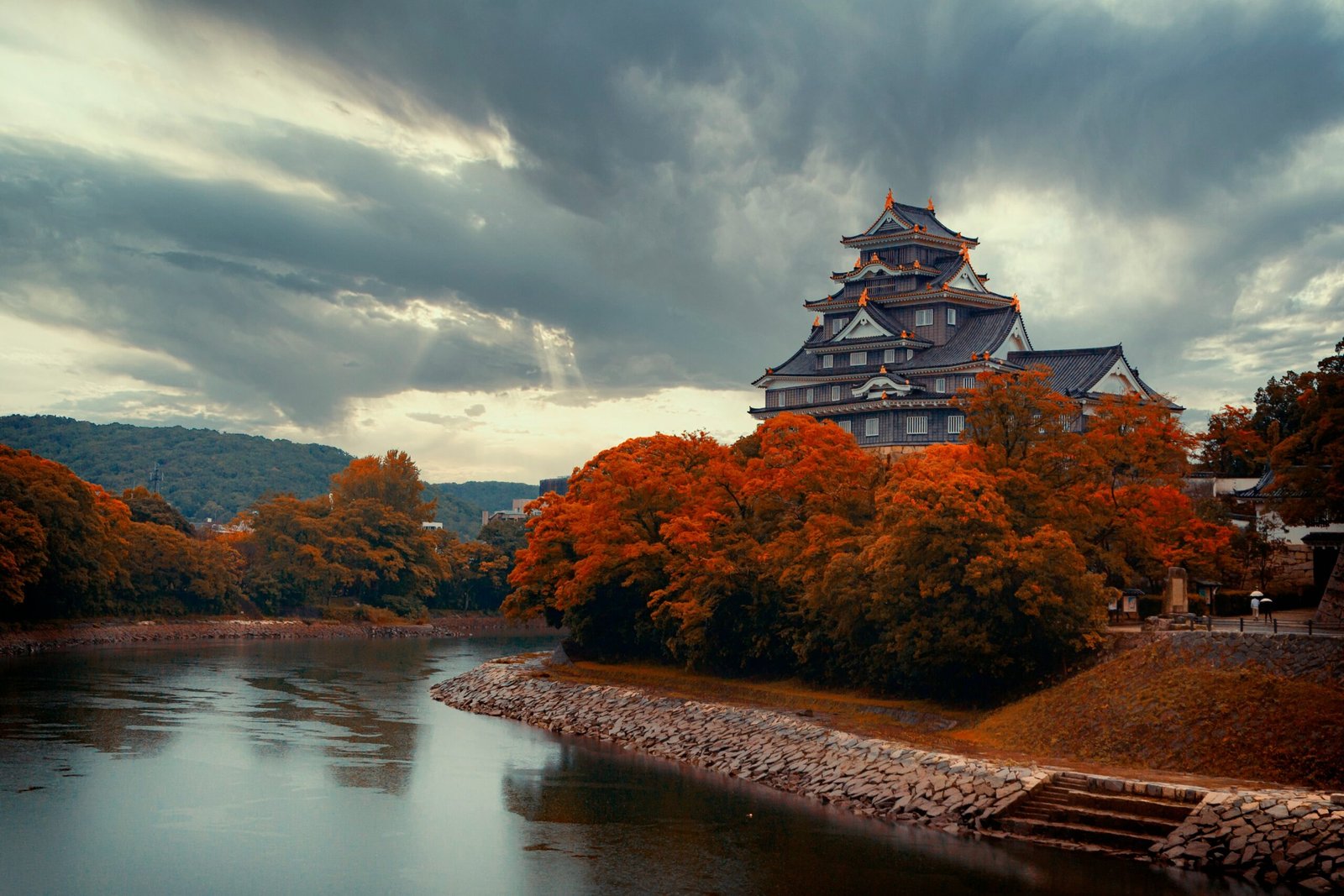
November is the peak autumn season in Japan and one of the most scenic times to visit the country. Temple gardens, parks, mountain towns, and streets across Japan turn shades of red, orange, and yellow as autumn foliage reaches its peak in many regions. The weather is usually cool, dry, and very comfortable for sightseeing, making it one of the best months for first-time visitors.
Cities like Kyoto become especially popular during November because of the fall colours around temples and traditional neighbourhoods. At the same time, the cooler temperatures make it ideal for slower travel, scenic train rides, outdoor cafés, and countryside trips.
Best Places to Visit in Japan in November
- Kyoto – One of the most famous autumn destinations in Japan, especially for temple gardens, maple trees, and evening illuminations.
- Nara – A beautiful mix of autumn foliage, historic temples, and park landscapes filled with deer.
- Arashiyama – Known for bamboo groves, river views, and colourful autumn scenery during November.
- Nikko – A great destination for waterfalls, mountain roads, and some of the brightest autumn colours in Japan.
- Miyajima – Famous for its floating torii gate, hiking trails, and beautiful autumn landscapes around the island.
Things Travelers Should Know
- November is one of the busiest travel months in Japan because of the autumn foliage season.
- Hotel prices in popular destinations like Kyoto can increase significantly during peak foliage weeks.
- Temperatures become colder towards the end of the month, especially in the evenings and mountain regions.
- Autumn illumination events begin at many temples and gardens during November.
- If you want comfortable weather, beautiful scenery, and classic Japanese landscapes, November is easily one of the best times to plan a trip.
December
December marks the start of winter in Japan, bringing colder temperatures, festive illuminations, and the beginning of ski season in northern regions. While places like Tokyo and Osaka stay relatively manageable during the day, mountain towns and northern Japan begin receiving heavy snowfall. It’s a great month for travellers looking for winter scenery without the extreme crowds of cherry blossom or autumn season.
Cities across Japan light up with winter illuminations during December, especially around shopping districts, parks, and major stations. At the same time, onsens and ryokan stays become even more appealing as temperatures drop. December also feels quieter and more relaxed in many tourist areas before the busy New Year holiday period begins at the very end of the month.
Best Places to Visit in Japan in December
- Sapporo – One of the best winter destinations in Japan for snow, winter festivals, and seasonal food.
- Nagano – Perfect for skiing, snow-covered mountain towns, and relaxing onsen experiences.
- Tokyo – Known for winter illuminations, festive shopping streets, and seasonal events throughout the city.
- Shirakawa-go – The traditional village begins transforming into a snowy winter landscape towards the end of December.
- Yufuin – A quieter onsen town ideal for winter ryokan stays, hot springs, and countryside scenery.
Things Travelers Should Know
- The ski season begins in many parts of northern Japan and mountain regions in December.
- Winter illuminations are one of the biggest highlights of travelling in Japan during this month.
- Temperatures can vary significantly depending on the region, so layering clothes is important.
- The New Year holiday period at the end of December is one of the busiest domestic travel seasons in Japan.
- If you’re planning to travel during late December, booking hotels and transport early is strongly recommended.
One thing I realised after visiting Japan is that the country feels completely different from season to season. My trip in April during sakura season in Tokyo and Kyoto felt magical in its own way, but I’d happily return during another season just to experience a different side of the country, especially places like Okinawa or snowy mountain towns in winter.
No matter when you visit, Japan has a way of making even ordinary moments feel memorable, whether it’s a quiet temple street, a bowl of ramen on a cold evening, or stumbling upon a local festival you didn’t plan for!
Disclaimer: This post contains a few affiliate links. If you happen to click on any of them and make a purchase, I might earn a small commission, at no extra cost to you. Just know that I truly appreciate your support if you choose to do so.
Tags:
Share:


About Me
I travel to collect stories, slowly and meaningfully, with an open heart. I wander a little farther for good food, linger longer to understand a place, and write so I can call it “work.” A slow traveller at heart, I believe in experiences over checklists, in moments that unfold at their own pace, and in connections that stay long after the journey ends.
An absolute foodie and die-hard mountain lover, I find my happiest moments in quiet Himalayan towns with a cup of lemon-honey-ginger tea in hand. Over the years, I’ve had the joy of exploring places across India and beyond, each trip teaching me something new about people, cultures, and myself. When I’m not lost in thought or coffee, you’ll find me exploring the world one destination at a time, always looking for places that make me feel something. I love to read and write (give me a book and I’ll love you all the more) and share honest insights, real photos, and thoughtful recommendations from my own travels, so you can experience every place a little deeper, a little slower, and with just the right touch of comfort.
 Pinterest
  Linkedin
  MuckRack
Exploring The World, One Place At a Time!