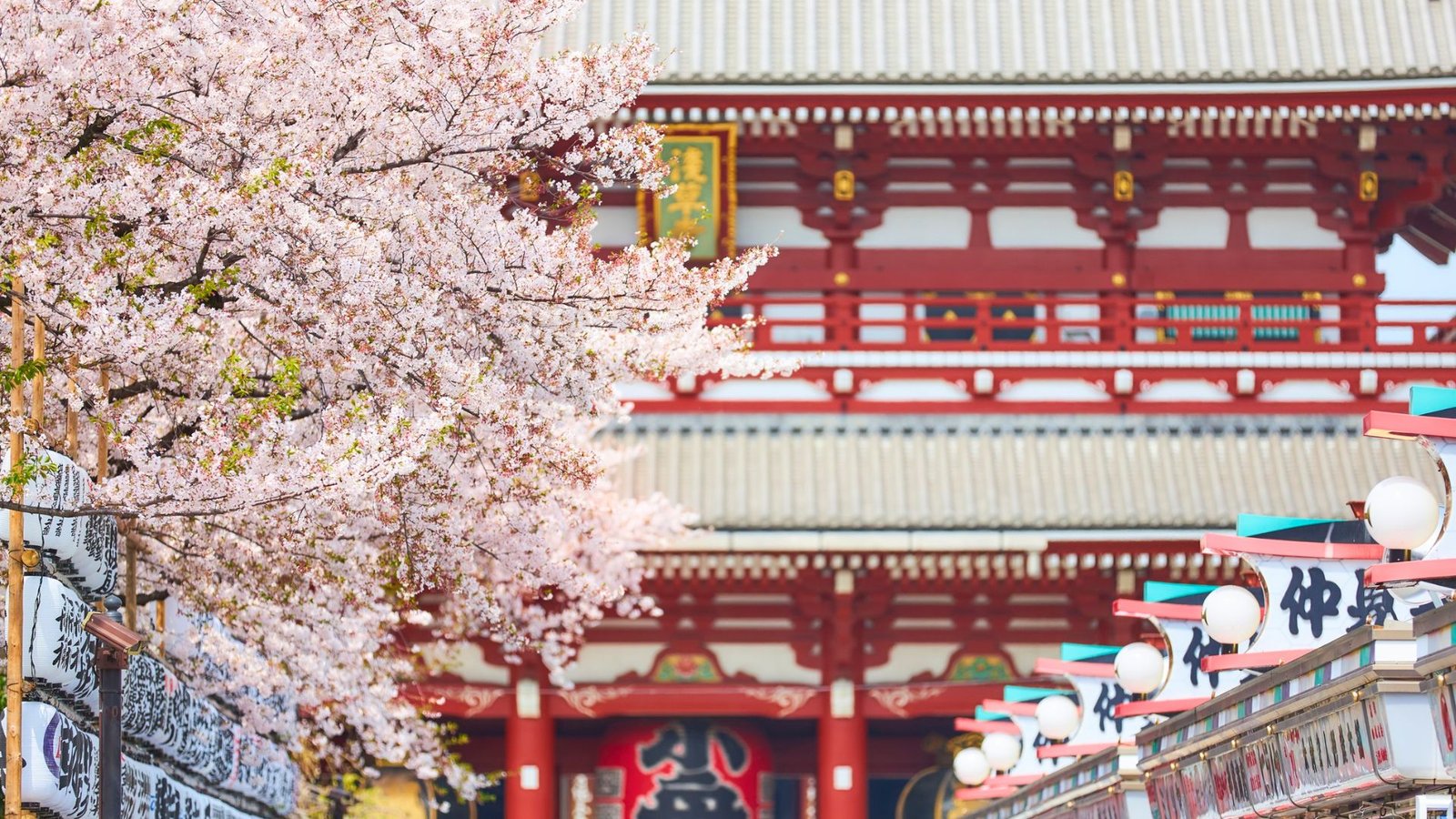

5 Days in Tokyo, Japan: A Detailed Itinerary and Comprehensive Guide
From the energy of Shibuya’s bustling streets to the serenity of hidden shrines, Tokyo offers a fascinating introduction to Japan. Here’s a complete guide to spending 5 days in Tokyo, perfect for first-time travelers looking to experience the best of the city.
Tokyo is a city of contrasts, and probably that’s what makes it interesting! One moment, you’re standing beneath a canopy of cherry blossoms in a peaceful temple garden, and in the next moment, you’re surrounded by giant digital billboards, flashing advertisements, and thousands of people crossing one of the busiest intersections in the world. There are tiny family-run restaurants tucked away in quiet alleyways and multi-storied shopping complexes packed with the latest trends. There are centuries-old traditions that continue to thrive alongside futuristic technology.
Well, Japan had been on my bucket list for years, and this year, I finally made it happen. Even better, I visited during cherry blossom season, when the country transforms into a sea of soft pink blooms. While I had seen countless photos of sakura-lined streets and parks online, nothing quite compares to experiencing it in person. Tokyo was my first stop in Japan and the perfect introduction to the country. Vibrant, overwhelming, exciting, and surprisingly peaceful all at once, it quickly became one of my favorite cities to explore.
Why visit Tokyo?
If you’re traveling to Japan, there’s no way you can miss this!
Tokyo is one of those rare cities that offers something for every kind of traveler. History lovers can spend hours exploring beautiful temples, shrines, and traditional neighborhoods that provide a glimpse into Japan’s rich cultural heritage. Food enthusiasts will find themselves spoiled for choice, whether it’s a steaming bowl of ramen from a tiny local shop, freshly made sushi, or fluffy Japanese pancakes.
The shopping scene is equally impressive. From luxury boutiques in Ginza to vintage stores in Shimokitazawa and the colorful fashion districts of Harajuku, there is no shortage of places to browse. Beyond the attractions, what makes Tokyo truly special is its culture. The city feels incredibly organized, safe, and efficient, yet it never loses its sense of creativity and character. Every neighborhood has its own distinct personality, making it feel like you’re exploring multiple cities within one giant metropolis.
How to get to Tokyo city from the airport?
Tokyo is served by two major international airports: Haneda Airport (HND) and Narita Airport (NRT). Both airports have excellent connections to destinations around the world and are well-connected to the city through public transportation.
For this trip, we flew from New Delhi to Narita Airport with Cathay Pacific. On our return journey, we flew out of Haneda Airport. Having experienced both airports, I found each to be efficient and easy to navigate, though one definitely stood out as more convenient.
Narita vs Haneda Airport: Which is better?
If I had the choice, I would pick Haneda Airport every time. The biggest advantage is its location. Haneda is actually located within Tokyo, making it much quicker and easier to reach the city center. Depending on where you’re staying, you can get to popular areas like Shibuya in around 30 minutes using public transportation.
Narita Airport, despite often being associated with Tokyo, is actually located in Chiba Prefecture, east of the city. While transportation links are excellent, the journey into Tokyo takes longer and usually requires an airport express train. Travel times typically range between 40 and 90 minutes depending on your destination.
That said, flight prices and schedules often determine which airport you’ll use, so I wouldn’t choose a flight solely based on the airport. If all else is equal, though, Haneda is definitely the more convenient option.
Getting to Tokyo from Haneda Airport:
By Local Train
If you’re arriving at Haneda Airport, the train is usually the easiest and most cost-effective way to reach central Tokyo. The Tokyo Monorail connects Haneda Airport to Hamamatsucho Station, where you can transfer to the JR Yamanote Line and continue to major areas such as Shibuya, Shinjuku, or Tokyo Station.
Another popular option is the Keikyu Airport Line, which connects the airport to Shinagawa Station. From there, you can easily transfer to other JR and subway lines depending on where you’re staying. Both options are reliable, affordable, and simple to use, even for first-time visitors.
Getting to Tokyo from Narita Airport:
By Airport Express Train
If you’re arriving at Narita Airport, I highly recommend taking one of the airport express trains into the city. The two main options are the Narita Express (N’EX) and the Keisei Skyliner. Both are comfortable, efficient, and designed specifically for airport travelers with luggage. The Narita Express provides direct access to major stations such as Tokyo Station, Shibuya, Shinjuku, and Shinagawa. The Keisei Skyliner is often the faster option if you’re heading toward Ueno and other parts of eastern Tokyo.
Once you arrive at your chosen station, you can easily transfer to Tokyo’s extensive train and subway network to reach your hotel. While it costs more than local trains, the convenience and time saved make it well worth it after a long international flight.
Note: Otherwise, there’s always the option to get private transfers from both airports.
[Also read: Japan Tourist Visa for Indians | A Detailed Guide]
How many days should you spend in Tokyo?
If it’s your first time visiting Japan, I recommend spending at least 5 days in Tokyo. While many travelers treat Tokyo as a quick stop before heading to Kyoto or Osaka, the city deserves far more than just a couple of days.
I personally spent 5 days in Tokyo during my trip to Japan, and even that didn’t feel like enough. Within those five days, I also squeezed in a day trip to Mt. Fuji, which was one of the highlights of the entire trip. With the city’s major landmarks, incredible food scene, shopping districts, parks, temples, observation decks, and unique cultural experiences, there is more than enough to explore over this period.
[Also read: Gorgeous Countries To Visit with a Japan Visa on an Indian Passport]
5 Days in Tokyo: The Ultimate Travel Itinerary
Tokyo is one of the largest cities in the world, and it’s easy to underestimate just how much ground you’ll cover while exploring it. Although the public transportation system is incredibly efficient, travel times can quickly add up if you’re constantly moving between neighborhoods on opposite sides of the city.
That’s why I highly recommend planning your itinerary by area rather than simply creating a list of attractions you want to see. During my trip, I found that grouping nearby sights made the experience far more enjoyable and allowed me to spend less time commuting and more time actually exploring.
Of course, everyone travels differently, and that’s especially true in a city like Tokyo, where the possibilities are endless. Some people come for the food, others for the shopping, culture, nightlife, or anime scene. There’s no single “right” way to experience the city. This itinerary isn’t meant to be a one-size-fits-all guide, but rather a look at how I spent my 5 days in Tokyo and the places I enjoyed most.
Day 1: Arrival in Tokyo & experiencing the energy of Shibuya
After landing in Tokyo in the afternoon and checking into our hotel, there was only one place I wanted to head to first: Shibuya.
Like many first-time visitors to Japan, Shibuya was one of those places I had seen countless times in photos, videos, and movies. Yet nothing quite prepares you for experiencing it in person. The moment I stepped out of the Shibuya station, I was greeted by giant digital screens, neon signs, endless crowds, and an energy that felt uniquely Tokyo.
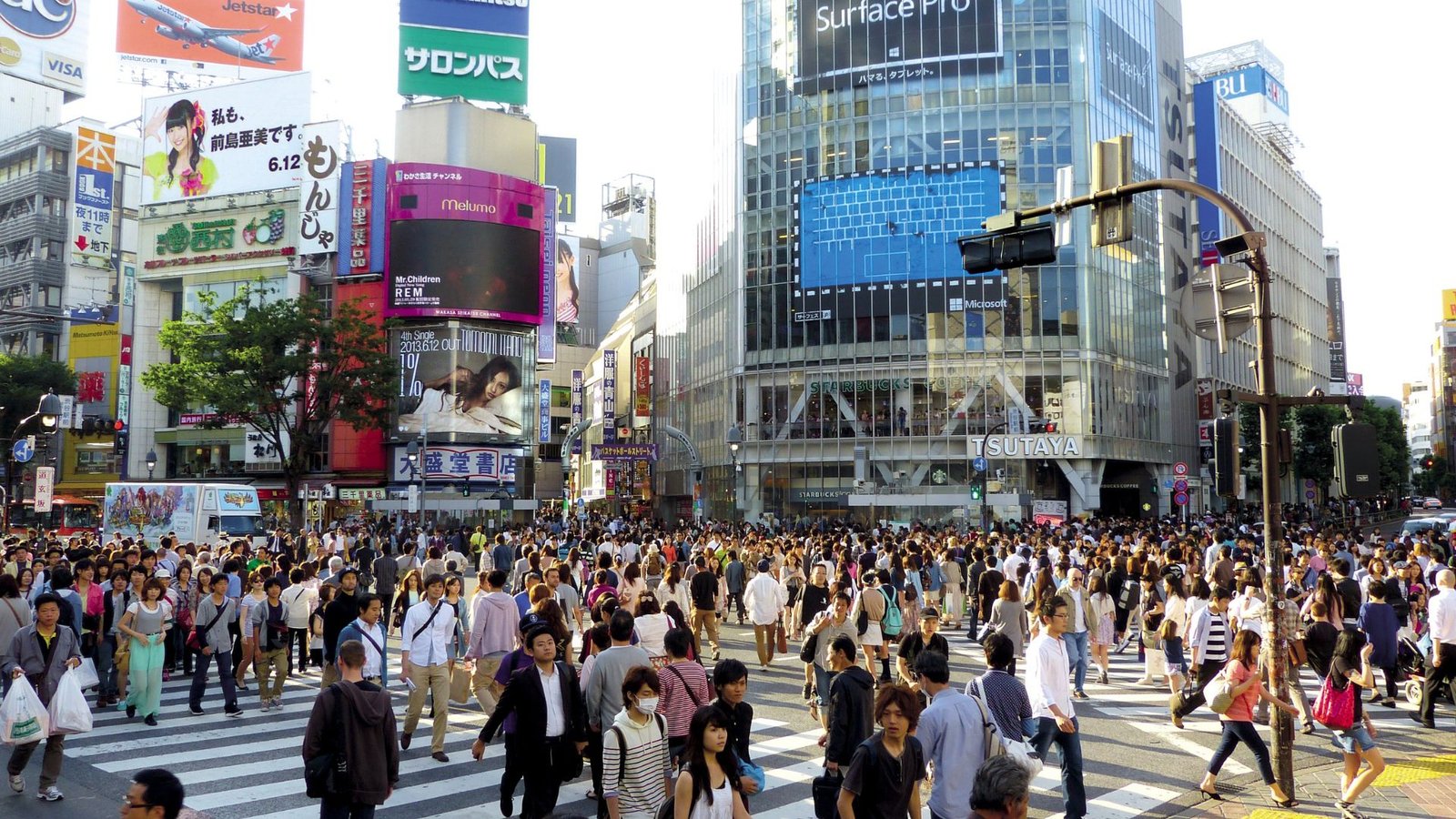
At the heart of it all is the famous Shibuya Crossing, often described as the busiest pedestrian intersection in the world. Every time the traffic lights turn red, hundreds of people flood the crossing from every direction. It looks chaotic at first glance, but somehow everyone moves in perfect sync. I found myself standing there for several minutes just watching the scene unfold before joining the crowd and crossing myself, something I ended up doing more than once during my visit.
For a first glimpse of the city from above, I headed to Shibuya Sky, one of Tokyo’s newest observation decks. Located on top of the Shibuya Scramble Square building, it offers incredible panoramic views across the city. From up there, Tokyo seems to stretch endlessly in every direction!
By early evening, the effects of a long travel day and jet lag were starting to catch up with me, so I decided to keep things simple and head for one of Tokyo’s most famous comfort foods: ramen.
My dinner stop was Ichiran Ramen, a popular chain known for its rich tonkotsu broth and unique solo dining experience. The ordering process was unlike anything I had experienced before. Instead of speaking to a server, I placed my order through a vending machine at the entrance, selected my preferred toppings, collected my ticket, and waited to be assigned a seat. Each diner sits in their own small booth, designed to keep the focus entirely on the bowl of ramen in front of them!
After a long day of travelling, there was something oddly satisfying about sitting quietly in my little cubicle, slurping a steaming bowl of ramen while taking in the fact that I had finally made it to Japan!
Day 2: Senso-ji Temple, teamLab Planets & an evening in Ginza
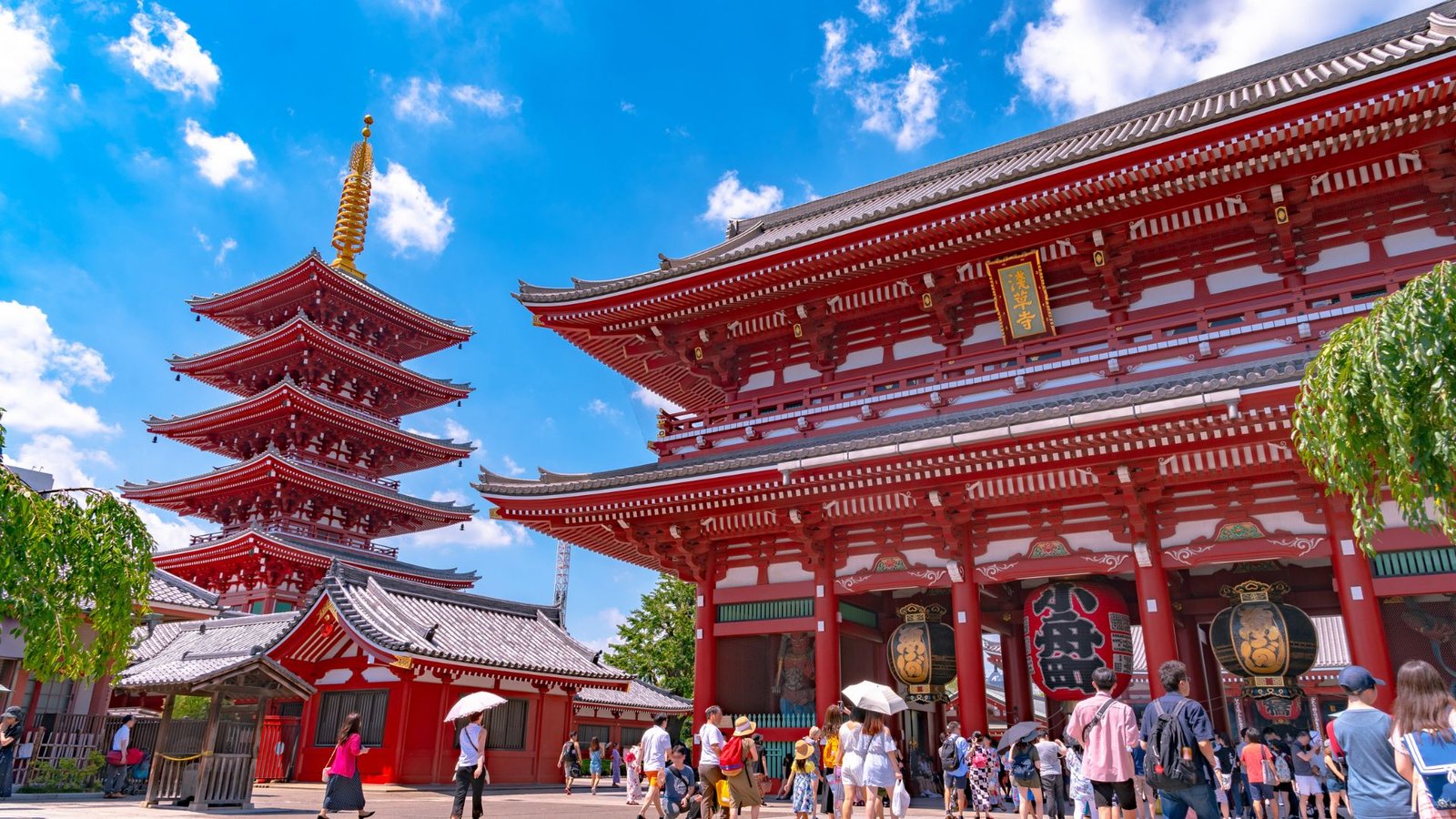
After the sensory overload of Shibuya on my first day in Tokyo, I wanted to experience a different side of the city. So I started the morning in Asakusa, one of Tokyo’s most historic neighborhoods, where centuries-old traditions still thrive amidst the modern skyline. Home to the famous Senso-ji Temple, Asakusa offers a glimpse into Tokyo’s past and feels worlds away from the neon lights and towering skyscrapers I had been surrounded by the previous evening.
The approach to the temple begins at the iconic Kaminarimon Gate, instantly recognizable by its enormous red lantern hanging beneath the entrance. From there, a lively pathway leads towards the main temple grounds. This is Nakamise Street, a bustling shopping street lined with traditional snack stalls, souvenir shops, and local vendors. Despite arriving at around 9 AM, the street was already packed with visitors, creating a lively atmosphere that made it clear just how popular this area is among both tourists and locals.
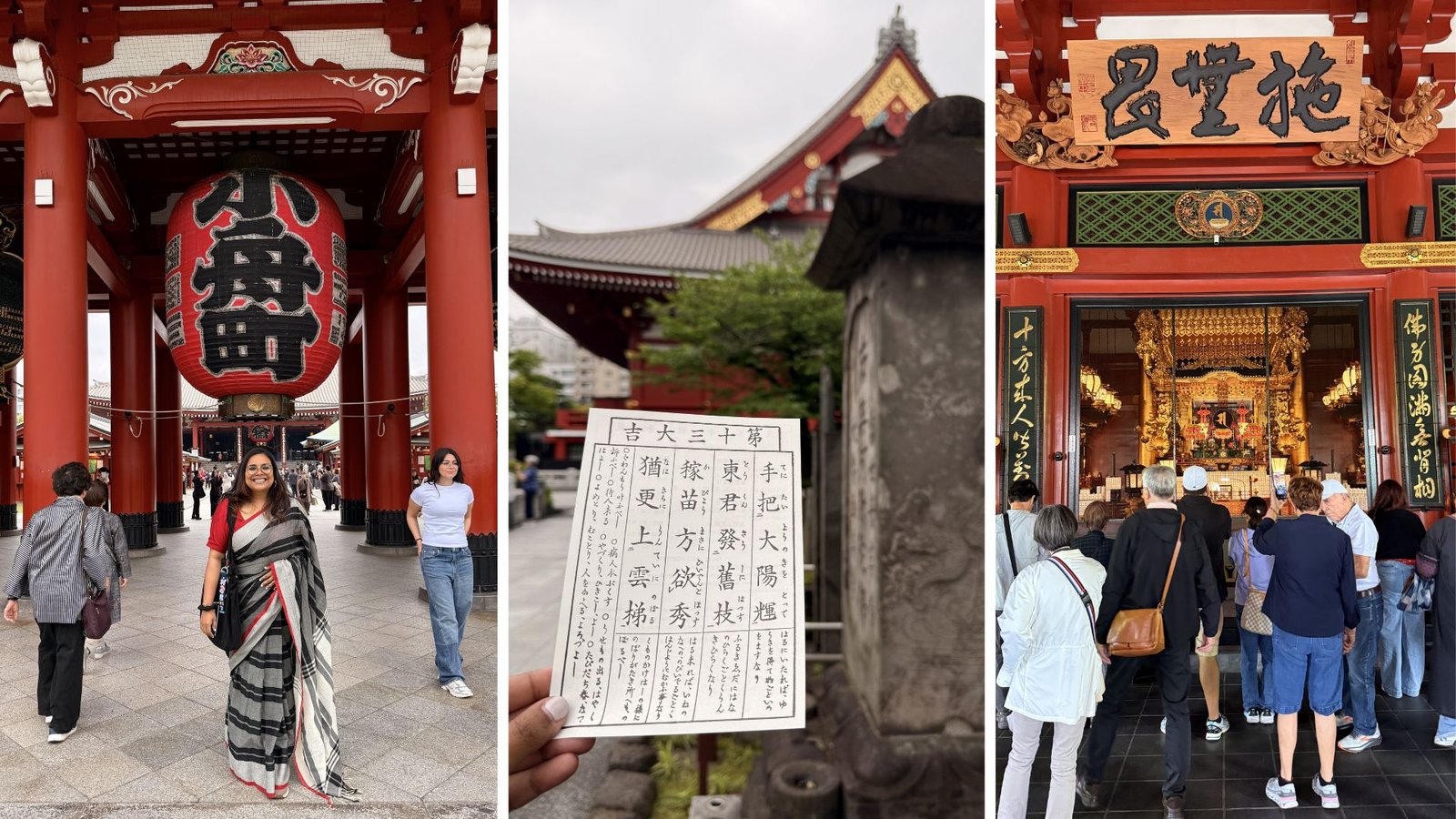
As I made my way into the temple complex, the energy shifted. Despite the crowds, there was a sense of calm in the air. Visitors paused to offer prayers, wafted incense smoke towards themselves for good fortune, and participated in the tradition of drawing an omikuji, a paper fortune. If you happen to receive an unlucky prediction, you’re supposed to tie it onto designated racks within the temple grounds and leave the bad luck behind, and the Japanese believe that God will take care of the rest!
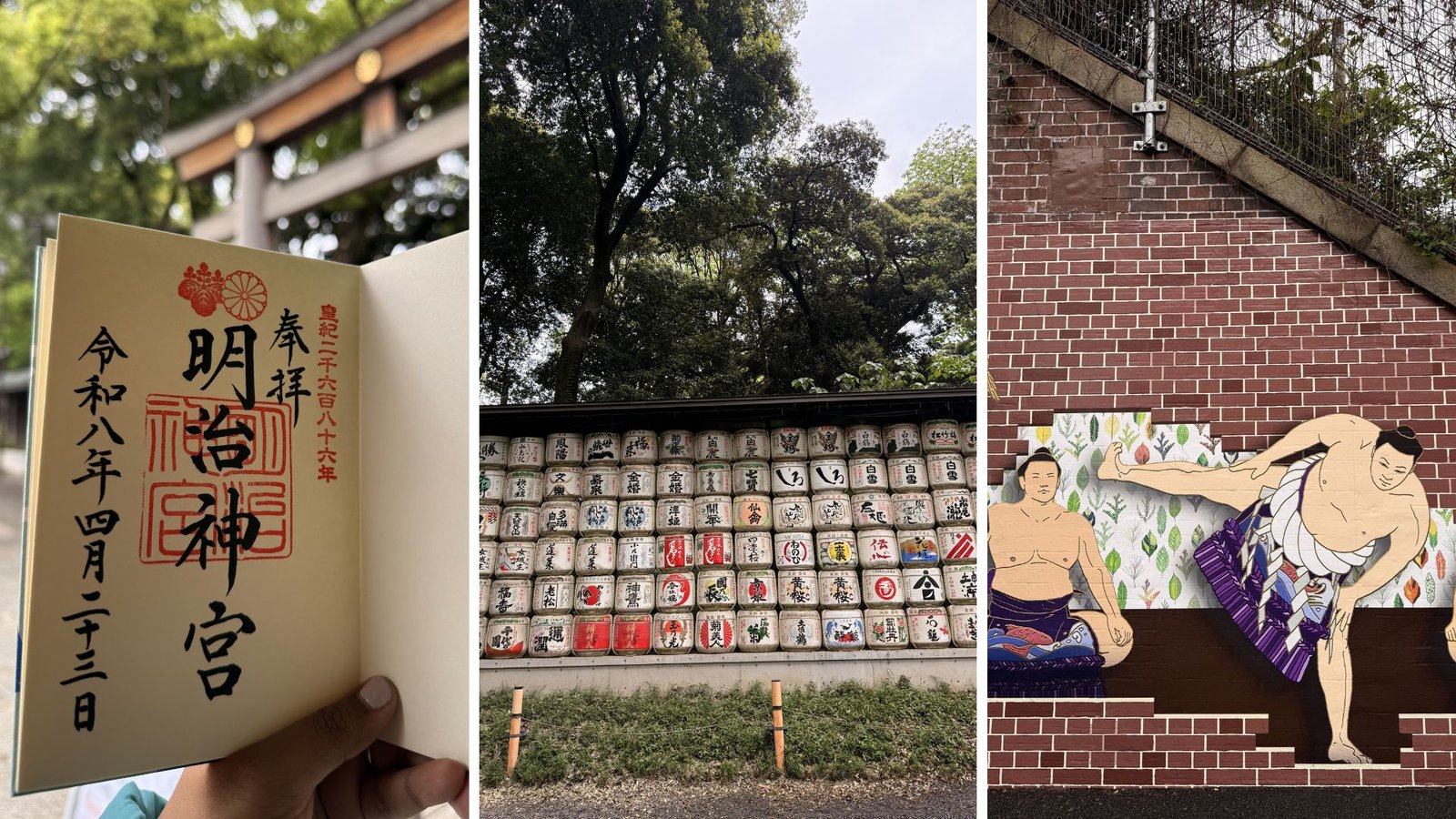
One of the highlights for me was collecting my first goshuin, a beautifully handwritten temple stamp, done by the monks, that serves as both a souvenir and a record of your visit. If you’re planning to visit multiple temples and shrines across Japan, I highly recommend picking up a goshuin book early in your trip.
After spending the morning in Asakusa, we headed to one attraction I had been particularly excited about before arriving in Japan: teamLab Planets. Tokyo is home to two major teamLab digital art museums, teamLab Borderless and teamLab Planets. While both showcase immersive digital art installations, the experiences are quite different, and the tickets for both sell out fast!
We chose to visit teamLab Planets, located in Toyosu, and it ended up being one of the most unique experiences of the trip. Unlike a traditional museum, many of the exhibits encourage you to interact with the artwork directly. You’ll walk barefoot through water, step into rooms filled with floating lights, and become part of the installations themselves. The experience feels immersive, playful, and at times completely surreal.
[If you’re deciding between the two exhibitions, Borderless is often considered the more visually spectacular option and has a more central location. However, I found Planets to be incredibly engaging because of how interactive it is. Since it’s located near the Toyosu area, it’s also easy to combine with a visit to Toyosu Market if that’s already on your itinerary.]
By the late afternoon, we made our way to Ginza, Tokyo’s upscale shopping district.
Ginza feels completely different from Asakusa and Toyosu. Wide boulevards, luxury boutiques, department stores, and beautifully designed flagship stores line the streets, making it one of the city’s premier shopping destinations. If you’re a fan of Japanese brands, you will find the flagship stores of Uniqlo and MUJI here, along with the popular MUJI Hotel.
While many visitors come to Ginza for fashion and luxury shopping, my main reason for visiting was far more specific: stationery! As someone who can spend an unreasonable amount of time browsing notebooks, pens, and paper goods, Itoya Ginza was at the very top of my list. Spread across multiple floors, it’s a paradise for stationery lovers and one of those places where you walk in intending to browse for ten minutes and somehow leave an hour later with a shopping bag full of things you didn’t know you needed! I ended up hoarding a bunch of washi tapes, postcards, envelopes, pin badges, and more!
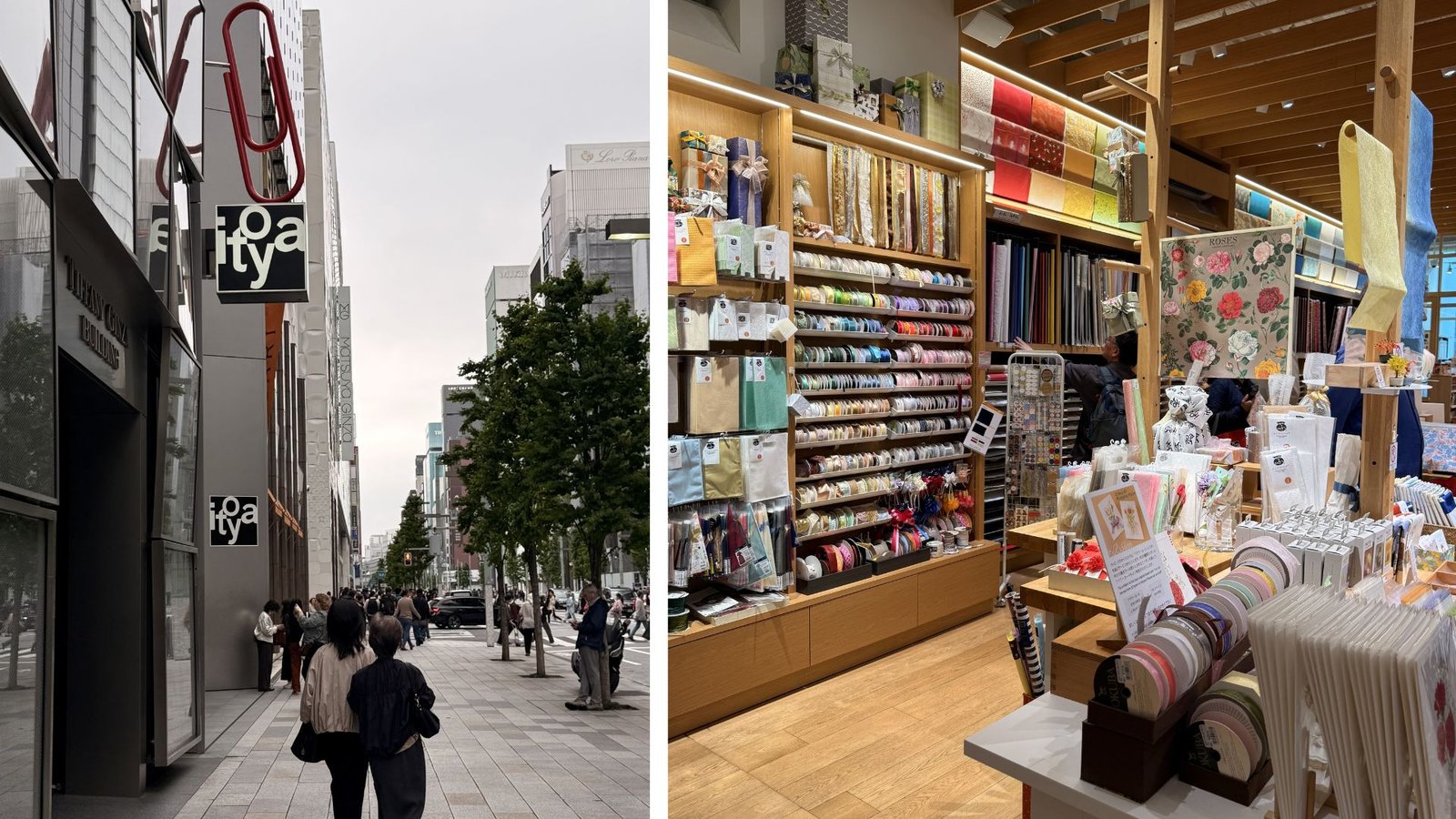
After a full day that took me from Tokyo’s oldest temple to one of its most futuristic attractions, Ginza was the perfect place to slow down, browse, and end the evening before heading back to the hotel.
Also, I walked 16,108 steps that day!
Day 3: A magical day at Tokyo Disneyland
On my third day in Tokyo, it was time to embrace my inner child.
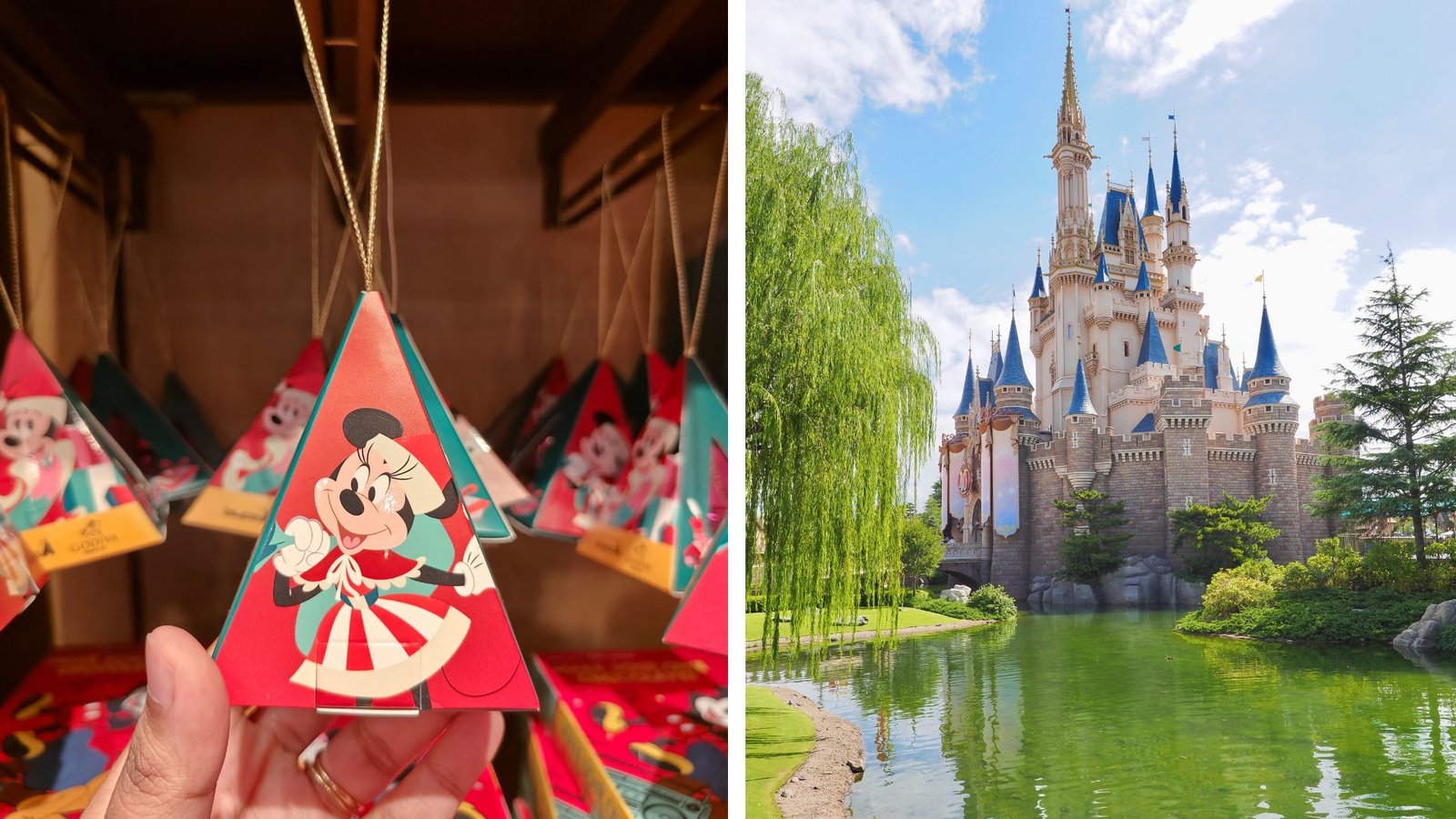
A trip to Tokyo Disney Resort had been on my radar long before I arrived in Japan, but deciding between Disneyland and DisneySea wasn’t easy. If you’ve been researching a trip here, you’ve probably realized that doing both parks in a single day isn’t really realistic unless you’re willing to rush through everything. Since I only had one day to spare, I had to make a choice!
In the end, I chose Disneyland.
If you’re trying to decide between the two parks, here’s my take. Disneyland is the more classic Disney experience, with familiar castles, parades, characters, and attractions that most people associate with Disney. DisneySea, on the other hand, is unique to Japan and is built around a nautical and adventure theme. It’s often considered one of the best Disney parks in the world and features several rides and attractions you won’t find elsewhere.
Looking back, I think if it’s your very first Disney park experience, Disneyland is the perfect choice. However, if you’ve already visited a Disneyland in another country, DisneySea might be the more interesting option because it offers something completely different. It’s also generally considered slightly less crowded, which means you may be able to fit in more attractions throughout the day.
How to reach?
Despite its name, Tokyo Disneyland isn’t actually located in central Tokyo! The park sits in the Tokyo Bay area, but getting there is incredibly easy thanks to Japan’s efficient public transportation system. The simplest way to reach the park is by taking the JR Keiyo Line to Maihama Station. From there, it’s a short walk to the entrance of Tokyo Disneyland. If you’re using a JR Pass, this route is particularly convenient since the JR line is covered.
While there are also buses that connect various parts of Tokyo to the resort, I’d recommend taking the train whenever possible. Traffic around the resort can get quite heavy, especially on weekends and holidays, and trains are usually the quickest and most reliable option.
Arrive early
One thing I quickly learned is that arriving early makes a huge difference.
Tokyo Disneyland is incredibly popular, and some of the most sought-after rides can develop wait times of over an hour shortly after the park opens. If there are specific attractions on your must-do list, it’s worth heading there first thing in the morning before the queues start building.
Best rides at Tokyo Disneyland
I won’t spoil every ride because half the fun is discovering them for yourself, but there were a few attractions that consistently had some of the longest queues and are generally considered the park’s highlights:
- Enchanted Tale of Beauty and the Beast
- The Happy Ride with Baymax
- Big Thunder Mountain
- Pooh’s Hunny Hunt
- Splash Mountain
- Buzz Lightyear’s Astro Blasters
- Monsters, Inc. Ride & Go Seek!
- Pirates of the Caribbean
Out of all of them, Enchanted Tale of Beauty and the Beast was probably the attraction everyone seemed to be rushing toward, and for good reason! If it’s high on your list, try to prioritize it early in the day. That said, don’t feel pressured to tick off every ride. Part of the magic of Disneyland is simply wandering around, enjoying the atmosphere, watching the parades, and soaking up the nostalgia.
Food at Tokyo Disneyland
One thing I loved about Tokyo Disneyland was that the dining experience felt like part of the attraction itself.
Almost every restaurant, café, and snack stand is themed, making even a quick meal feel like part of the Disney experience. You’ll find everything from popcorn carts with unique flavors to full-service restaurants spread throughout the park.
As expected, food inside the park is more expensive than what you’d pay elsewhere in Tokyo, but I didn’t find it outrageously overpriced compared to other theme parks around the world. There are options for different budgets, so it’s worth taking a look around before settling on a restaurant. The busiest time tends to be around lunch, and queues for food can get surprisingly long. If you’re trying to maximize your time on rides, consider eating a little earlier or later than the usual lunch rush.
One thing I appreciated was how easy it was to stay hydrated throughout the day. Drinking fountains are available across the park, including near many ride queues, so carrying a reusable water bottle is a good idea.
By the time the evening parade rolled around and the park lights began to glow, I was completely exhausted but also grinning from ear to ear. Spending a day at Tokyo Disneyland might seem like an unusual addition to a Tokyo itinerary, but honestly, it ended up being one of the most fun days of the entire trip.
Day 4: A Day Trip to Mt Fuji
No first trip to Japan feels complete without seeing Mount Fuji.
While my original plan was to spend a night or two in Hakone or around the Fuji Five Lakes region, our schedule simply didn’t allow for it. With only a few days in Japan, we decided to do a day trip from Tokyo instead. Looking back, I would still recommend staying overnight if you have the time, but even as a day trip, visiting Mount Fuji was absolutely worth it.
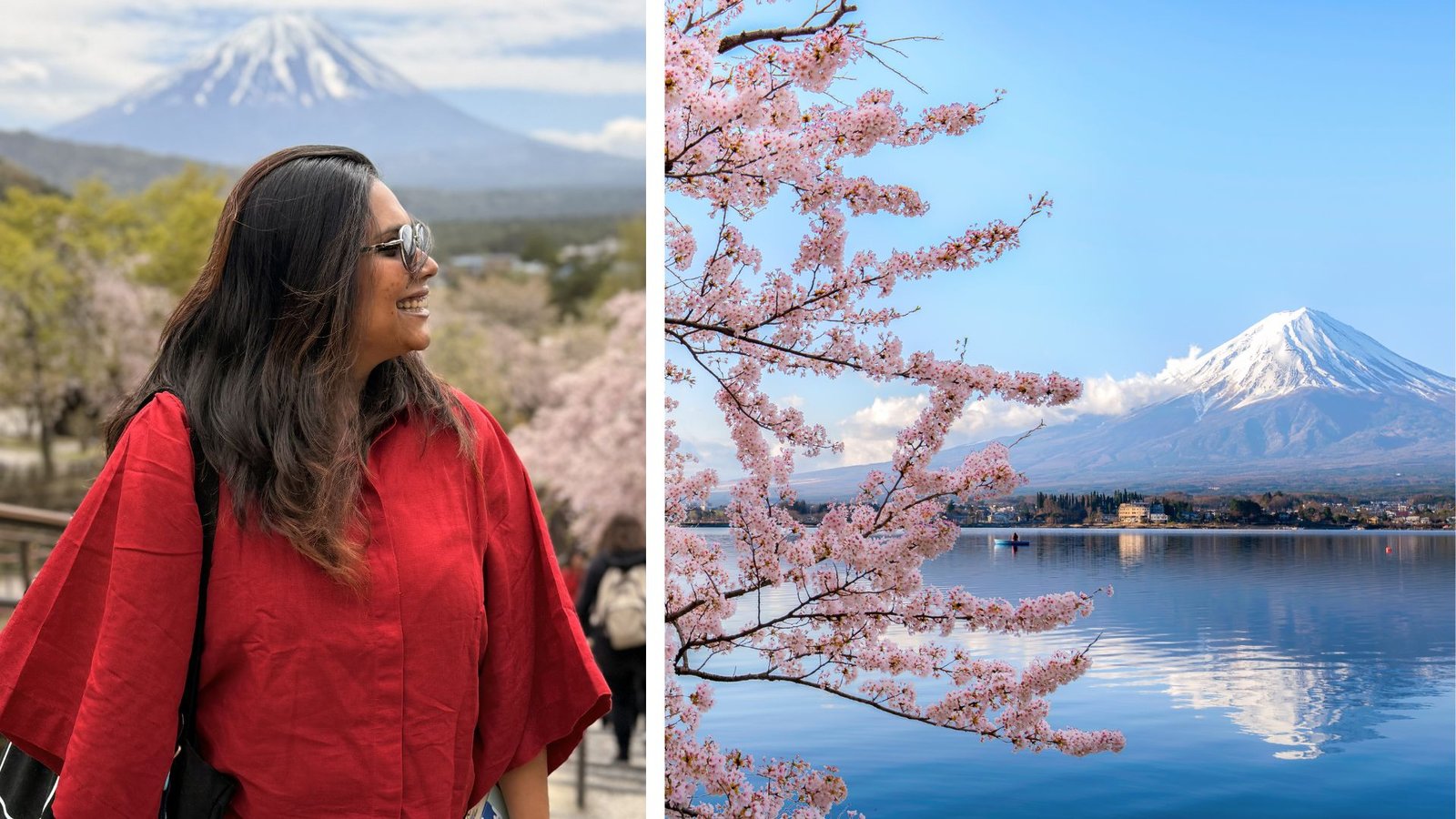
We joined an early morning tour from Tokyo and set off towards Yamanashi Prefecture. The journey itself was scenic, but what I’ll remember most is that first glimpse of Mount Fuji from the road. One moment we were driving through regular city and countryside scenery, and the next, there it was.
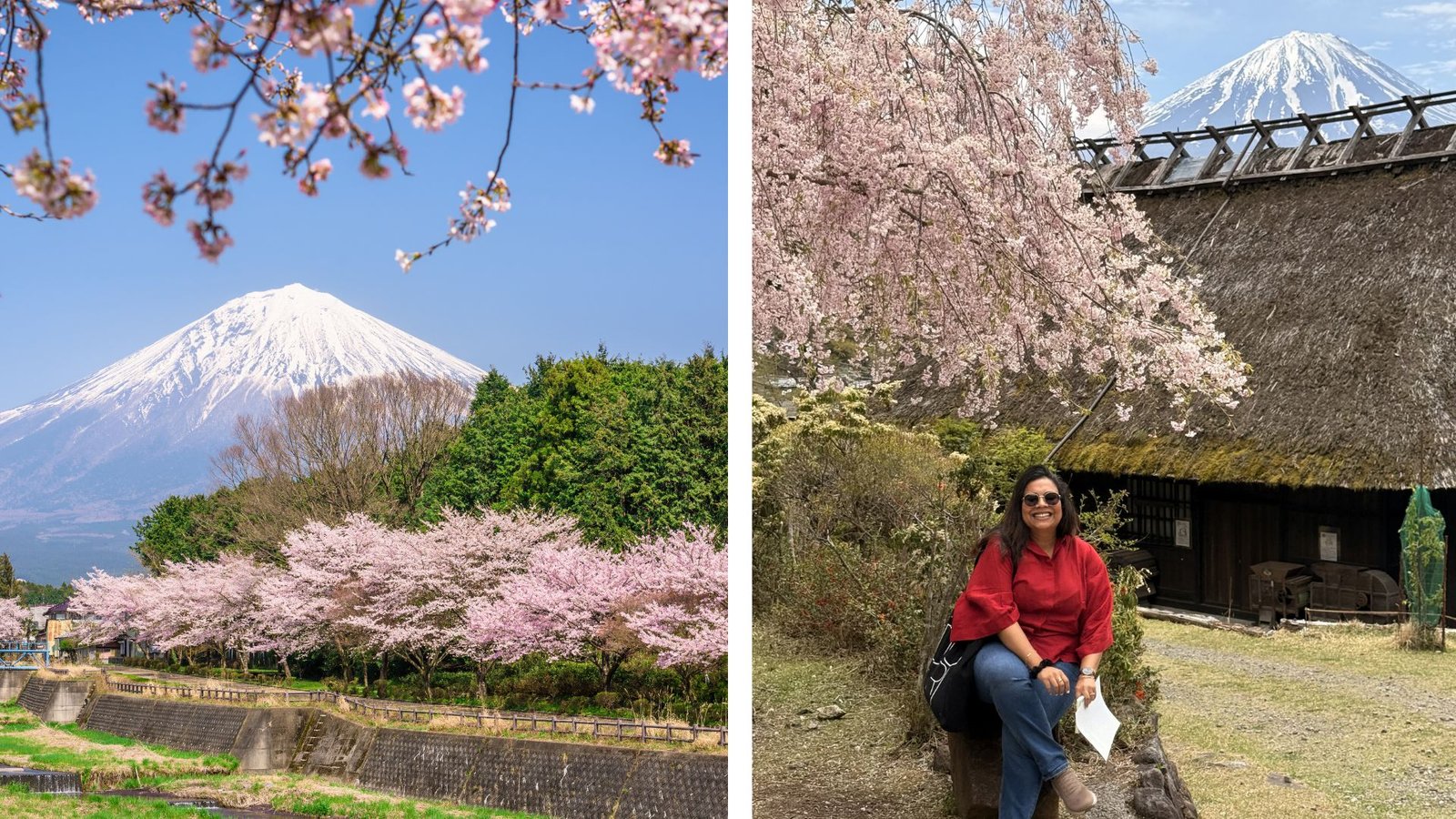
Rising above the horizon, perfectly symmetrical and capped with snow, Mount Fuji suddenly appeared between the buildings. My heart genuinely skipped a beat. It was one of those travel moments where reality somehow feels even better than the photographs you’ve seen a hundred times before.
As we continued our journey, our guide shared an interesting fact that made me appreciate the view even more. According to him, the entire summit of Mount Fuji is fully visible for only around 88 days a year. For the rest of the year, clouds often cover parts of the mountain, or visibility conditions make it difficult to see clearly. Whether or not the exact number varies, the message was clear: seeing Mount Fuji completely unobstructed is something of a lucky draw.
Fortunately for us, the weather was on our side.
Oishi Park & Lake Kawaguchiko
Our first stop was Oishi Park, located on the northern shore of Lake Kawaguchiko.
This was one of my favorite viewpoints of the day. The combination of the calm lake, seasonal flowers, and the towering silhouette of Mount Fuji in the background felt almost unreal. Every few steps seemed to reveal another postcard-perfect angle. And since we were there during the cherry blossom season, the entire area became even more beautiful, with pink blooms adding another layer to an already spectacular landscape.
Arakura Sengen Park & Chureito Pagoda
Next, we headed to Arakura Sengen Park, one of Japan’s most iconic viewpoints. If you’ve ever searched for Mount Fuji online, chances are you’ve seen this exact scene: a bright red pagoda framed against the backdrop of Mount Fuji. It’s one of the most photographed views in the country, and seeing it in person was every bit as impressive.
After climbing the stairs up to the viewing platform, we were rewarded with sweeping views over Fujiyoshida City, the Chureito Pagoda, and Mount Fuji rising majestically in the distance. Since I visited during cherry blossom season, the surrounding sakura trees made the view even more magical.
In between stops, we paused for lunch at a local restaurant and enjoyed a hearty Japanese meal while soaking in the views of the surrounding countryside.
Oshino Hakkai
From there, we continued to Oshino Hakkai, a small traditional village famous for its crystal-clear spring ponds. The area is home to eight ponds that are fed by snowmelt from Mount Fuji, filtered naturally through volcanic rock over many years. The water here is astonishingly clear, and you can often see fish swimming beneath the surface.
Walking through the village felt like stepping into a different era of Japan. Traditional houses, local food stalls, quiet pathways, and views of Mount Fuji in the distance made it one of the most charming stops of the day. And lots of souvenir stores!
Mount Fuji 5th Station
The final stop of the day was the 5th Station of Mount Fuji, located roughly halfway up the mountain at an elevation of around 2,300 meters.
The drive itself was incredible as the scenery gradually changed with altitude. By the time we reached the station, we were significantly closer to the summit than we had been all day. Standing there and looking up at the upper slopes of Japan’s most famous mountain was a surreal experience. There were shops selling local snacks, souvenirs, and Mount Fuji-themed gifts, making it a great place to pick up a memento from the trip.
The air felt cooler, the views stretched for miles, and for a moment it was easy to understand why Mount Fuji has inspired artists, writers, and travelers for centuries.
After a full day of chasing Fuji viewpoints, we boarded the bus back to Tokyo. It was a long day, but one of the highlights of my entire Japan trip. While I would love to return one day and spend a few nights around Hakone or Kawaguchiko, this day trip gave me exactly what I had hoped for: unforgettable views of Japan’s most iconic mountain and memories I’ll never forget.
Day 5: Coffee & Custard; Meiji Jingu & Wandering Through Harajuku
By my fifth day in Tokyo, I had checked off many of the city’s major attractions, so I decided to slow things down and spend the day exploring at a more relaxed pace.
The morning began with a visit to Hekkelun, a charming old-school coffee shop that had been sitting on my Tokyo bookmarks list for months. Yes, I originally discovered it on Instagram, but sometimes social media recommendations really do live up to the hype!
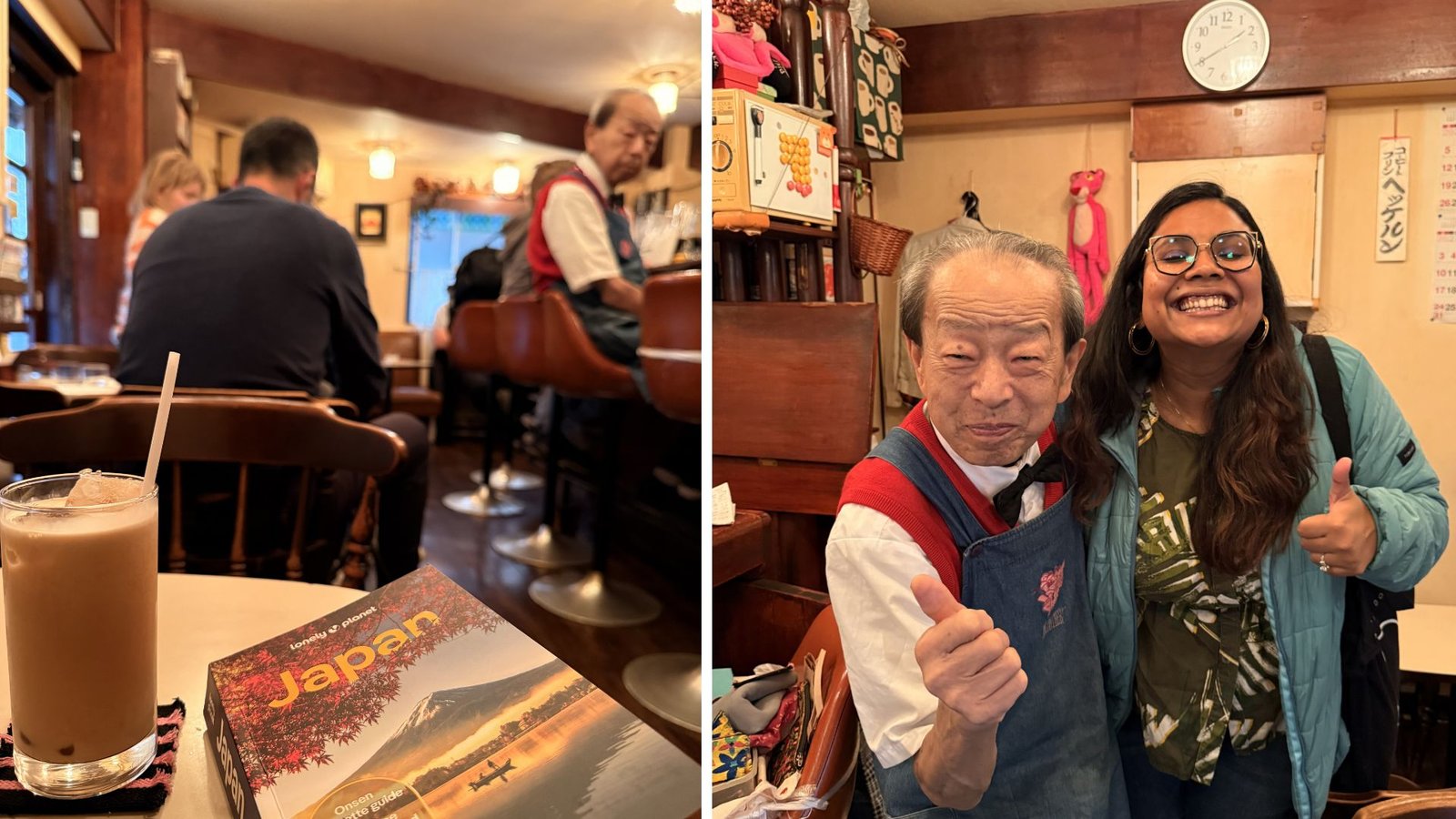
Tucked away in Toranomon, Hekkelun has been serving coffee for more than five decades and feels refreshingly untouched by trends. The main reason people visit is for its famous Jumbo Purin, a giant custard pudding served in a mug-sized glass. The pudding itself was every bit as good as I’d hoped. Silky smooth, delicately sweet, and topped with a slightly bitter homemade caramel, it was the kind of dessert that doesn’t need fancy toppings or elaborate presentation. It simply lets the quality of the ingredients speak for themselves. Paired with a strong cup of coffee, it made for the perfect slow morning in Tokyo.
Adding to the experience was the owner, who was incredibly warm and kindly offered to take a photo for me before I left. It’s small interactions like these that often become some of my favorite travel memories.
From there, I made my way to Meiji Jingu, one of Tokyo’s most important and revered Shinto shrines.
What struck me immediately was how dramatically the atmosphere changed. One moment I was surrounded by busy streets, traffic, and the constant movement of Tokyo, and the next I was walking through a dense forest of towering cedar trees. The transition felt almost surreal. As I passed through the enormous wooden torii gate and followed the wide gravel pathways deeper into the shrine grounds, the sounds of the city gradually faded away, replaced by birdsong and the crunch of footsteps beneath my feet.
Dedicated to Emperor Meiji and Empress Shoken, the shrine sits within a sprawling forest of over 100,000 trees, creating a peaceful sanctuary in the middle of one of the world’s largest cities. There was something incredibly calming about wandering through the grounds without any particular rush. I watched visitors pause to offer prayers, cleanse their hands at the purification fountain, and quietly take in the surroundings.
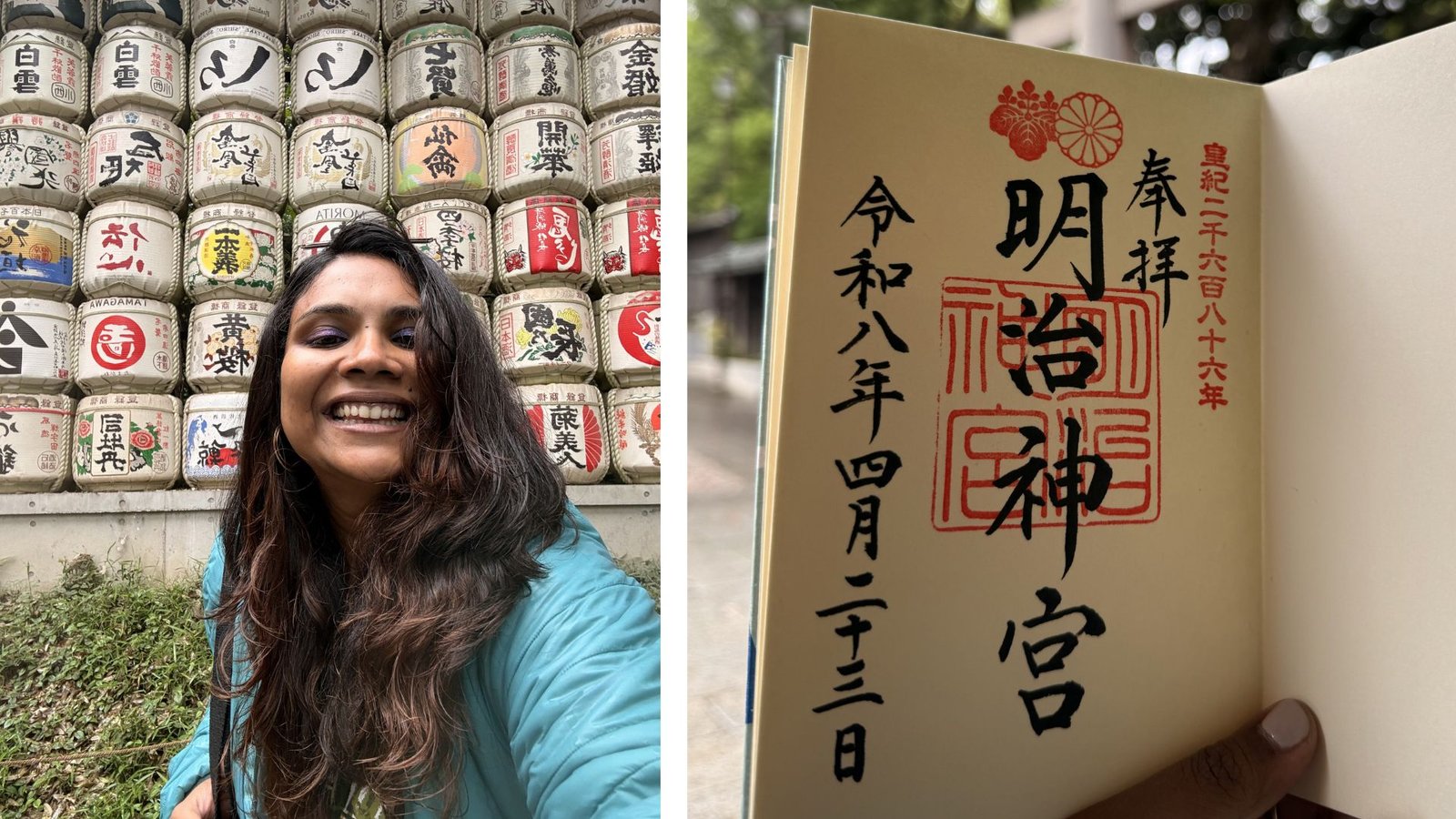
One of the highlights of my visit was collecting a goshuin from Meiji Jingu. By this point in the trip, I had become slightly obsessed with these beautiful handwritten shrine stamps!
After exploring the shrine, I wandered into Harajuku, one of Tokyo’s most vibrant and eclectic neighborhoods.
Harajuku is often associated with youth culture, fashion, and quirky cafes, but it’s also simply a fun place to walk around. One street can be packed with colorful boutiques and trendy dessert shops, while the next feels surprisingly quiet and residential. I spent some time browsing stores, people-watching, and soaking in the unique atmosphere that makes Harajuku unlike anywhere else in the city.
Later that afternoon, I met up with Miki, a friend I had connected with through Substack and someone whose writing about Japan I have long admired. One of my favorite things about travel is how it transforms online connections into real-life conversations. What began as exchanging thoughts through newsletters eventually turned into sharing coffee in Tokyo, chatting about writing, travel, creativity, and life in Japan. It felt less like meeting someone for the first time and more like catching up with an old friend.
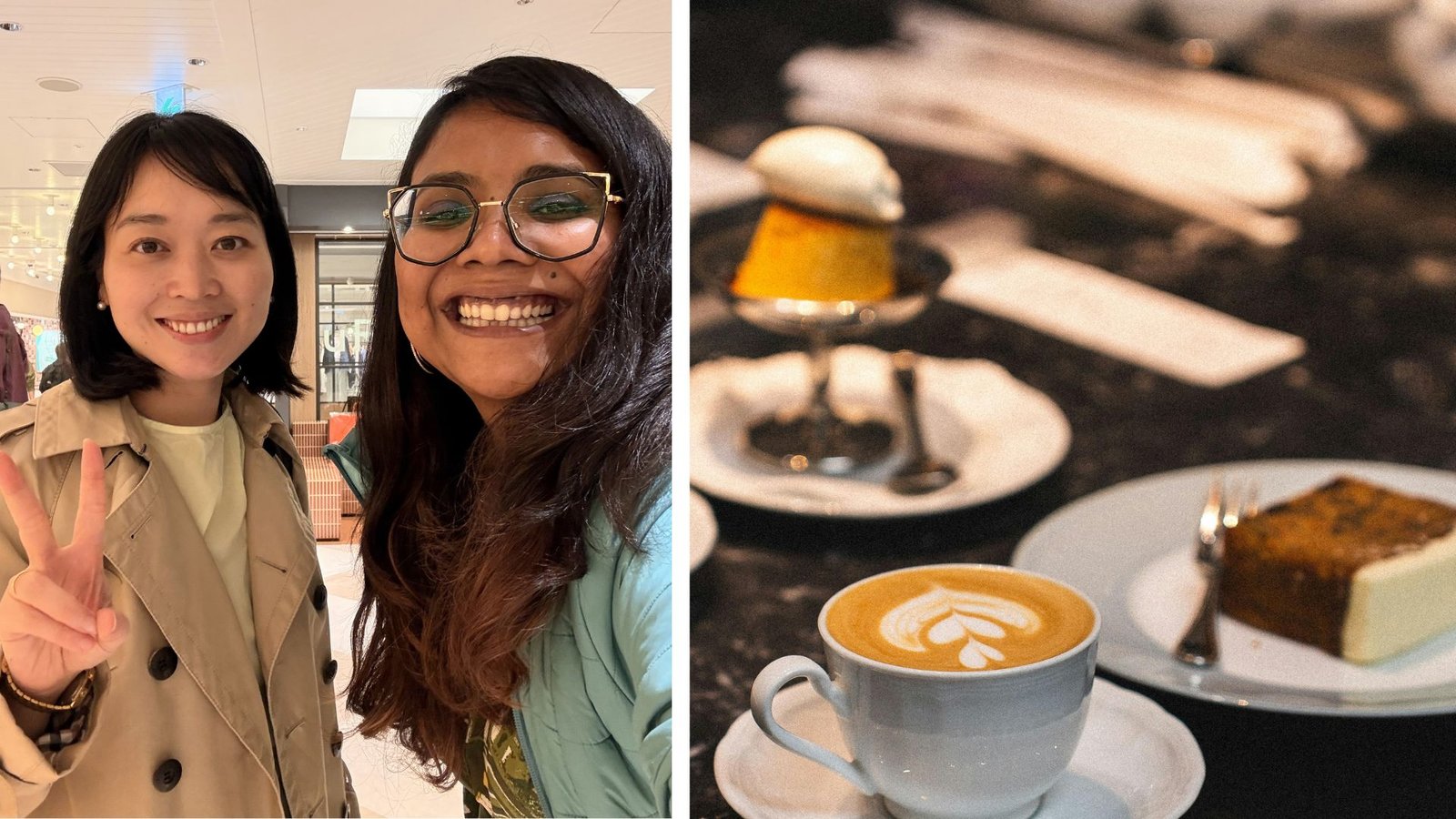
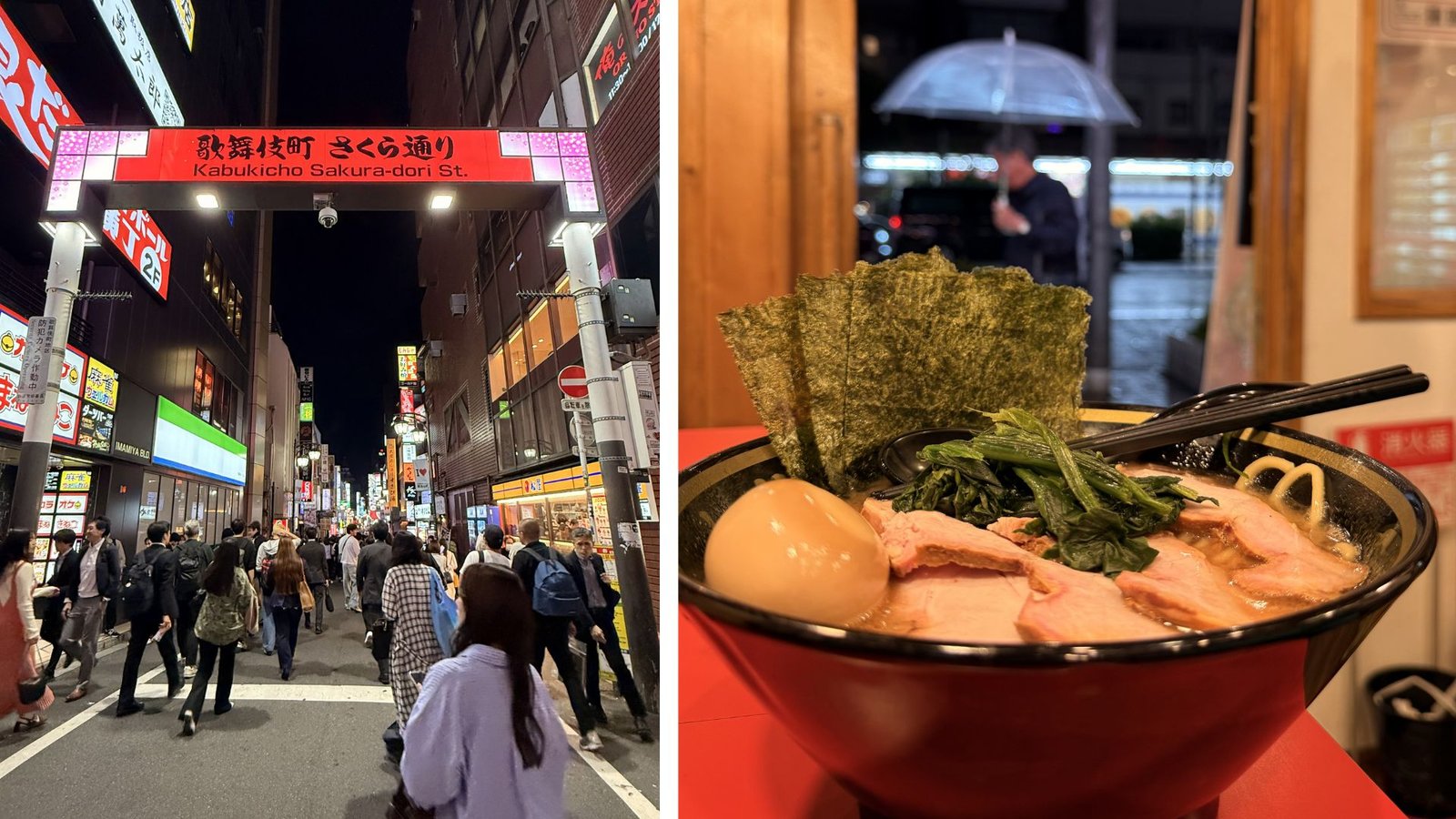
As evening approached, I headed to Kabukicho Street in Shinjuku.
Known for its bright neon lights, entertainment venues, and buzzing nightlife scene, Kabukicho feels completely different after dark. The streets come alive with illuminated signs, crowds of people, and an energy that’s distinctly Tokyo. Even if you don’t stay out late, it’s worth walking through the area at least once to experience the atmosphere.
To end my final full day in Tokyo, I did what had become a bit of a ritual throughout the trip: I found a cozy ramen spot and ordered a steaming bowl of noodles. Sitting there with a warm meal in front of me, reflecting on everything I’d experienced over the past five days, felt like the perfect way to wrap up my time in Tokyo.
FAQ about travelling to Tokyo
Are 5 days enough for Tokyo?
Yes, 5 days is a great amount of time for a first visit to Tokyo. It gives you enough time to explore the city’s major neighborhoods, visit key attractions, experience the food scene, and even fit in a day trip to Mount Fuji. You won’t see everything, but you’ll get a well-rounded introduction to one of the world’s most fascinating cities.
What is the best time to visit Tokyo?
Tokyo is a year-round destination, but spring (March to April) and autumn (October to November) are generally considered the best times to visit. Spring brings the famous cherry blossoms, while autumn offers pleasant temperatures and beautiful fall foliage. I visited during sakura season, and seeing the city covered in shades of pink was every bit as magical as I’d imagined.
[Also read: Best time to visit Japan]
Should I stay in Shibuya or Shinjuku?
Both are excellent choices for first-time visitors. Shibuya feels slightly more modern and trendy, while Shinjuku offers some of the best transport connections in the city. You really can’t go wrong with either. If you prefer a quieter and more traditional atmosphere, consider staying in Asakusa instead.
Is Tokyo expensive to visit?
Tokyo can be as expensive or as affordable as you make it. While luxury hotels and fine dining can be pricey, there are plenty of budget-friendly options for accommodation, transportation, and food. Some of my favorite meals in Tokyo were from small local ramen shops that cost far less than a meal in many Western cities.
Do I need a JR Pass for Tokyo?
If you’re only spending time in Tokyo, a JR Pass is usually not worth it. Tokyo’s subway and local train network is extensive, and you’ll generally spend less by paying for individual journeys or using an IC card such as Suica or Pasmo. A JR Pass becomes more valuable if you’re travelling between multiple cities on the Shinkansen.
Is Tokyo easy to navigate for first-time visitors?
Surprisingly, yes!
Despite its size, Tokyo is one of the easiest major cities to navigate thanks to its efficient public transportation system, clear signage, and helpful navigation apps. Google Maps worked incredibly well throughout my trip and became my most-used app.
Is English widely spoken in Tokyo?
English is not spoken everywhere, but you shouldn’t have any major issues as a tourist. Most train stations, tourist attractions, and many restaurants provide English signage or menus. Translation apps can also be incredibly helpful when needed.
Is a day trip to Mount Fuji worth it from Tokyo?
Absolutely! While staying overnight around Hakone or Lake Kawaguchiko offers a more immersive experience, a day trip is still a fantastic way to see Japan’s most iconic mountain. It was one of the highlights of my trip and provided some of the most memorable views of my time in Japan.
What should I not miss in Tokyo?
For a first visit, I’d recommend prioritizing:
- Shibuya Crossing and Shibuya Sky
- Senso-ji Temple in Asakusa
- Meiji Jingu Shrine
- teamLab Planets
- Harajuku and Takeshita Street
- Ginza
- Tokyo Disneyland or DisneySea
- A day trip to Mount Fuji
- Eating lots of ramen, sushi, and Japanese desserts
Is Tokyo safe for solo travelers?
Yes. Tokyo is consistently ranked as one of the safest cities in the world and is an excellent destination for solo travelers. I found it incredibly easy to get around, and even late at night, I felt comfortable walking through most parts of the city.
What’s the one thing you should do before visiting Tokyo?
Download an eSIM or pocket Wi-Fi, set up Google Maps, and come hungry! Tokyo is a city best explored with curiosity, comfortable walking shoes, and an appetite for discovering something new around every corner.
If you’re planning a trip to Japan and thinking of spending 5 days in Tokyo, I hope this guide will help you. And in case you wish to know more, drop a comment below!
Disclaimer: This post contains a few affiliate links. If you happen to click on any of them and make a purchase, I might earn a small commission at no extra cost to you. Just know that I truly appreciate your support if you choose to do so.
Tags:
Share:


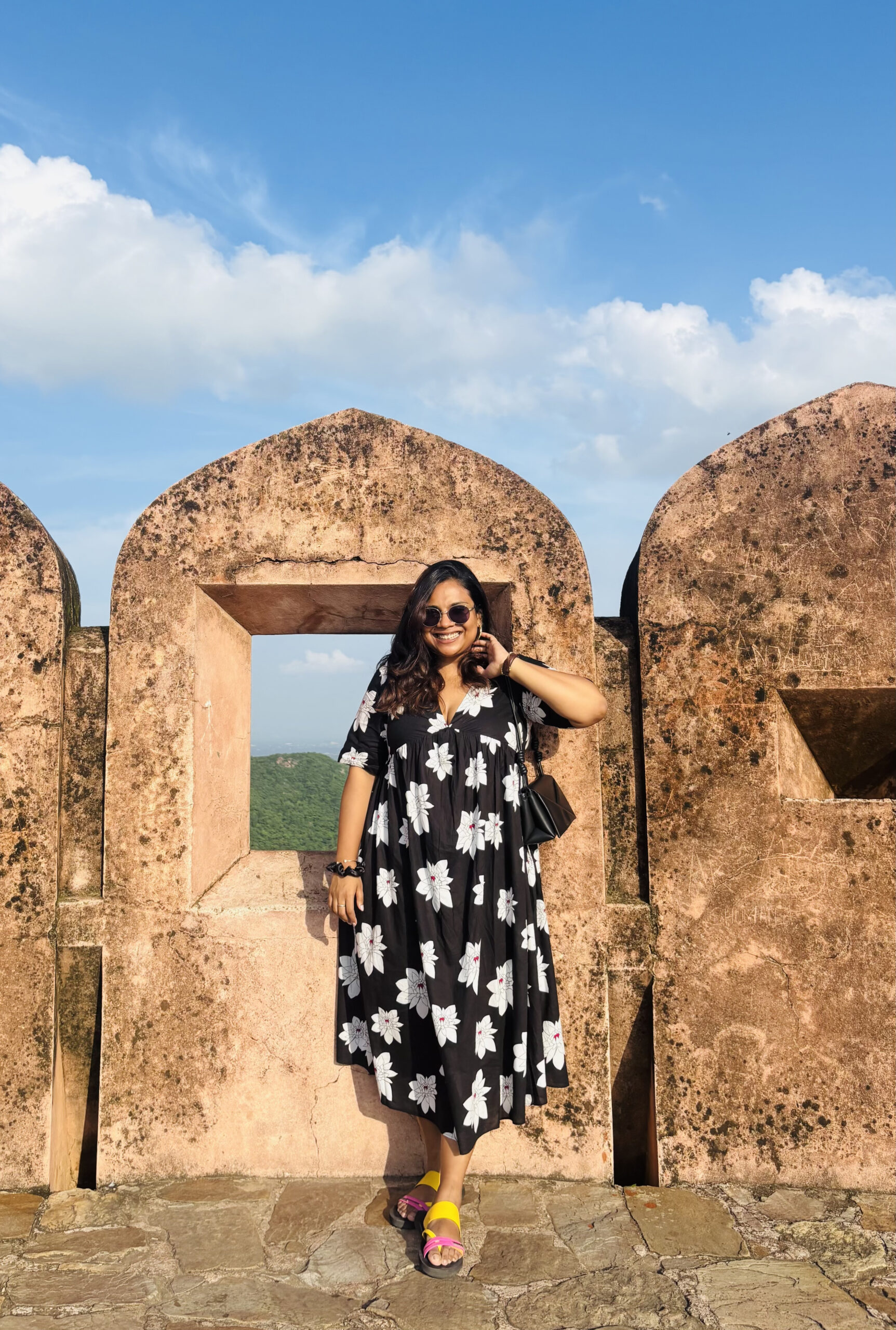
About Me
I travel to collect stories, slowly and meaningfully, with an open heart. I wander a little farther for good food, linger longer to understand a place, and write so I can call it “work.” A slow traveller at heart, I believe in experiences over checklists, in moments that unfold at their own pace, and in connections that stay long after the journey ends.
An absolute foodie and die-hard mountain lover, I find my happiest moments in quiet Himalayan towns with a cup of lemon-honey-ginger tea in hand. Over the years, I’ve had the joy of exploring places across India and beyond, each trip teaching me something new about people, cultures, and myself. When I’m not lost in thought or coffee, you’ll find me exploring the world one destination at a time, always looking for places that make me feel something. I love to read and write (give me a book and I’ll love you all the more) and share honest insights, real photos, and thoughtful recommendations from my own travels, so you can experience every place a little deeper, a little slower, and with just the right touch of comfort.
 Pinterest
  Linkedin
  MuckRack
Exploring The World, One Place At a Time!










1 Comment