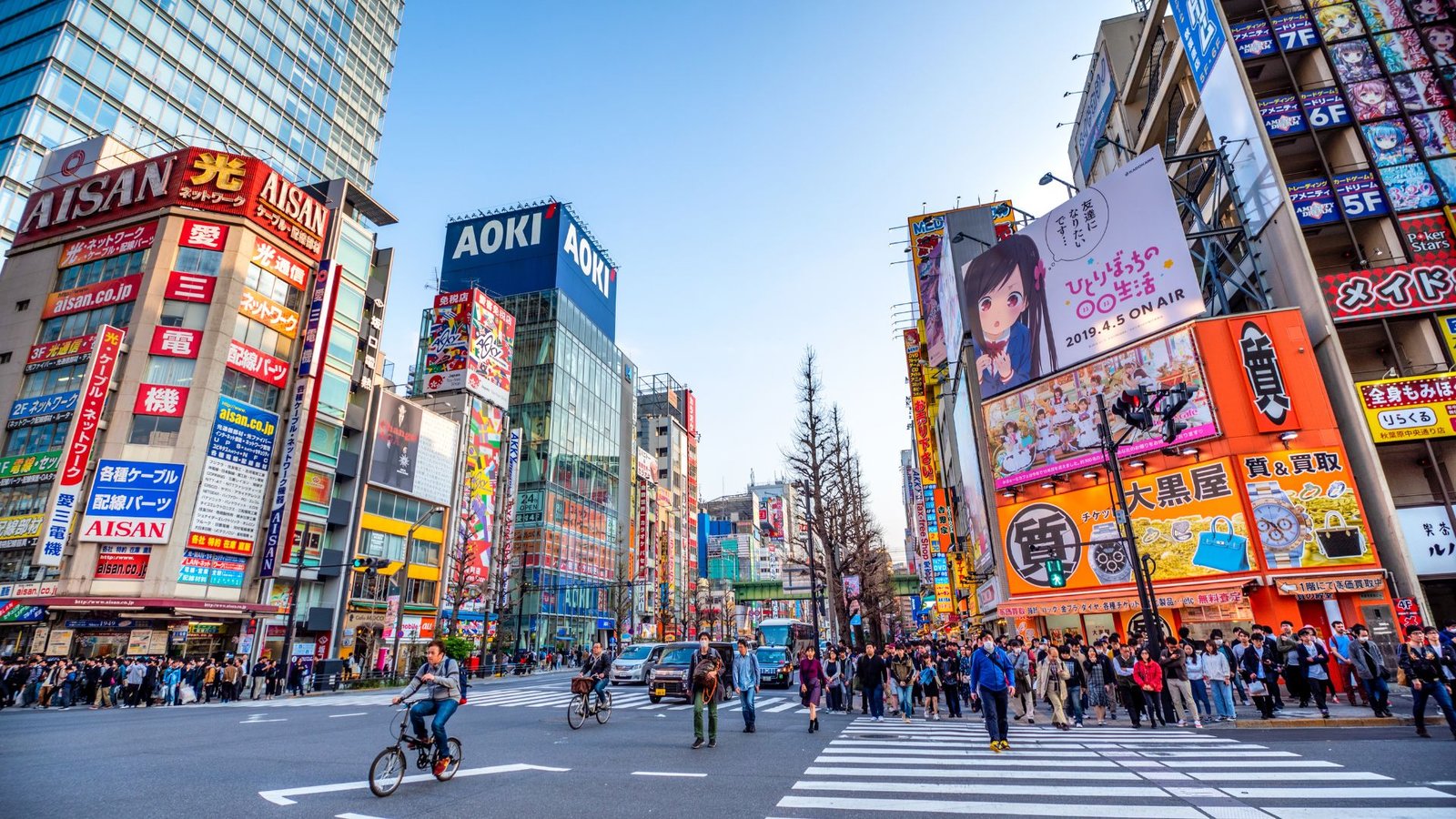

Best Places to Stay in Tokyo | Travel Guide
Planning a trip to Japan and not sure where to stay in Tokyo? With a city this vast and diverse, choosing the right neighborhood can feel overwhelming. From the neon-lit streets of Shinjuku and the trendy cafés of Shibuya to the traditional charm of Asakusa and the luxury of Ginza, each area offers a completely different experience. This guide breaks down Tokyo’s best neighborhoods to help you find the perfect base for your trip.
One of the biggest questions when planning a trip to Tokyo is deciding where to stay. The city is enormous, and at first glance, choosing the right neighborhood can feel overwhelming. But, the good news is that Tokyo has one of the best public transportation systems in the world.
As long as you’re staying close to a train or metro station, getting around the city is surprisingly easy. In fact, I’d prioritize proximity to a station over almost anything else when booking accommodation. As a general rule, try to stay within a 5 to 10-minute walk of a train station. After a long day of sightseeing, you’ll thank yourself when you’re not dragging your feet through unfamiliar streets late at night.
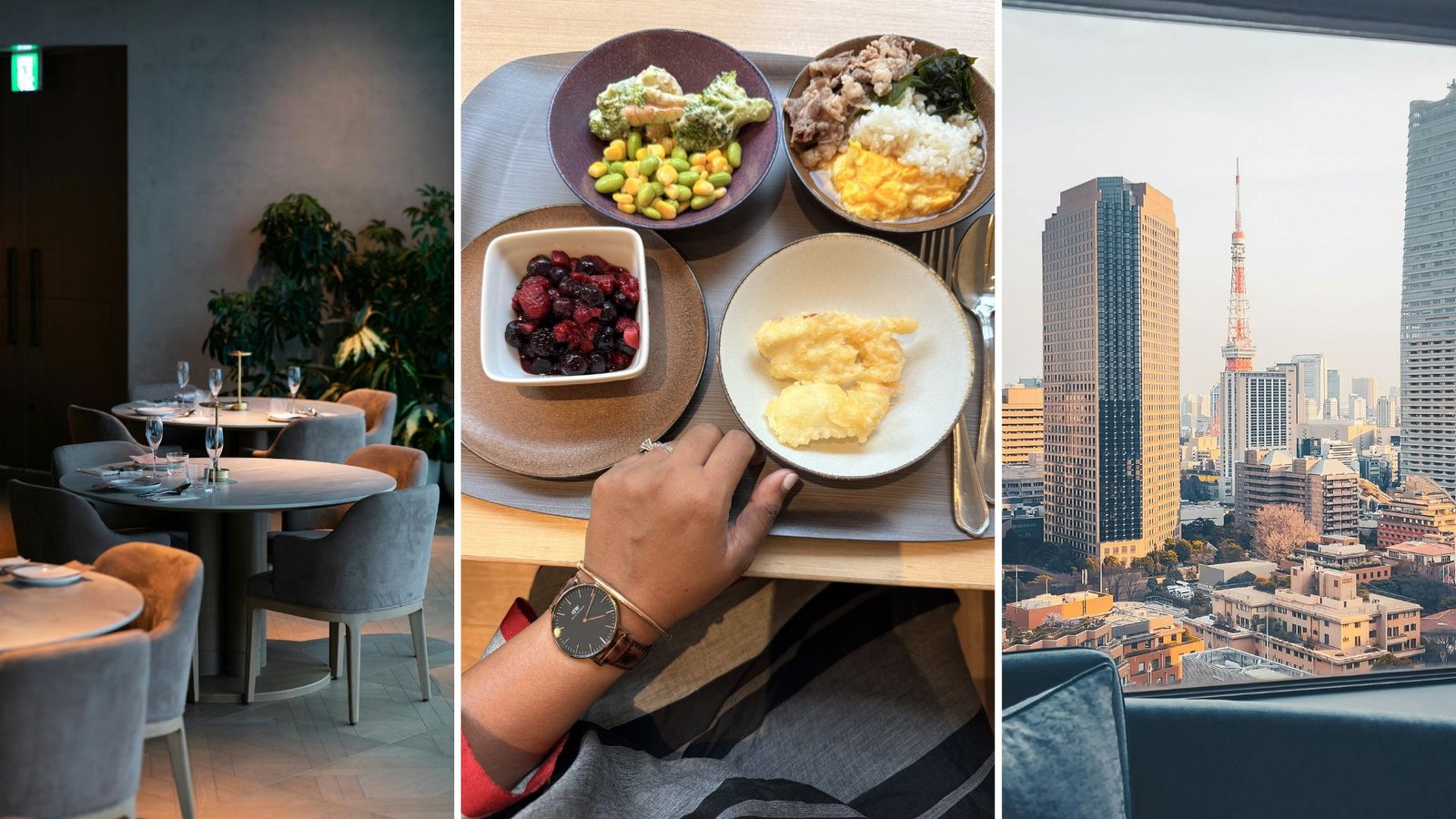
Best Areas to Stay in Tokyo
I recently visited Japan and spent 5 days in Tokyo, and trust me when I say this, your choice of neighborhood can have a big impact on the overall vibe of your trip. For most travelers, I would recommend staying in Shibuya, Shinjuku, Harajuku, or Asakusa, depending on your interests, travel style, and budget.
Shibuya: Best for First-Time Visitors
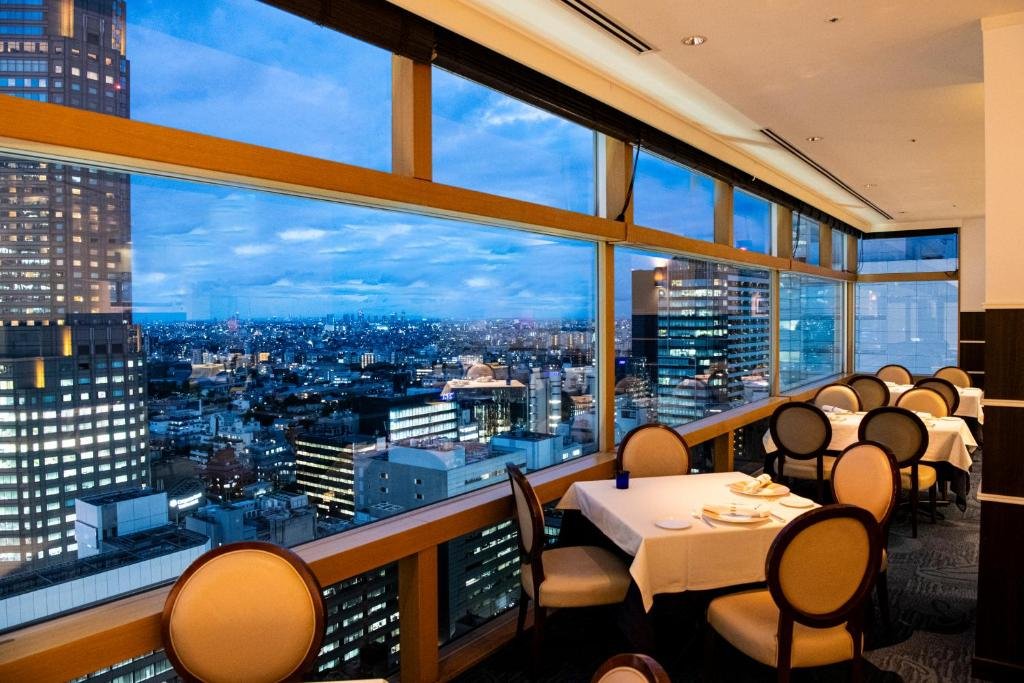
If I had to recommend just one area for a first trip to Tokyo, it would be Shibuya!
This is the Tokyo many people picture before they arrive. With giant digital billboards, neon lights, packed intersections, trendy cafes, endless shopping, and an energy that never seems to fade, Shibuya is on everyone’s bucket list and for all the right reasons.
The iconic Shibuya Crossing is right in the heart of the neighborhood, and there is always something happening, whether it’s day or night. Beyond the atmosphere, Shibuya is also one of the city’s best-connected transport hubs, making it easy to reach almost every major attraction in Tokyo.
Stay in Shibuya if:
- It’s your first time visiting Tokyo
- You enjoy shopping, food, and nightlife
- You want excellent transport connections
- You like being in the center of the action
Shinjuku: Best for Convenience
If Shibuya is the energetic heart of Tokyo, Shinjuku is the city’s transportation powerhouse.
Home to one of the busiest train stations in the world, Shinjuku offers incredibly convenient access to almost every part of Tokyo and beyond. It’s also one of the best places to stay if you’re planning day trips to destinations like Mount Fuji, Hakone, or Nikko. The neighborhood itself is packed with restaurants, department stores, observation decks, entertainment districts, and nightlife options. There’s never a shortage of things to do here.
The only downside? Shinjuku Station can feel overwhelming at first. Fortunately, you’ll quickly get used to navigating it after a few days.
Stay in Shinjuku if:
- You want the most convenient location for transport
- You’re planning day trips outside Tokyo
- You enjoy nightlife and dining
- You don’t mind a fast-paced urban atmosphere
Harajuku: Best for Cafes, Shopping & Creative Vibes
Harajuku offers a completely different side of Tokyo.
While it’s famous for its youth culture, quirky fashion, and colorful streets, there’s much more to Harajuku than Takeshita Street. The neighborhood sits between bustling Shibuya and the tranquil grounds of Meiji Jingu, creating a unique blend of creativity and calm. You’ll find independent boutiques, stylish cafes, vintage stores, dessert shops, and some of Tokyo’s most interesting people-watching opportunities. At the same time, you’re only a short walk from peaceful green spaces and major transport connections.
Harajuku feels slightly more relaxed than Shibuya while still being right in the middle of everything.
Stay in Harajuku if:
- You love cafes, fashion, and boutique shopping
- You prefer a trendy but less chaotic atmosphere
- You want to be within walking distance of Shibuya
- You enjoy exploring creative neighborhoods
Asakusa: Best for Culture & Traditional Charm
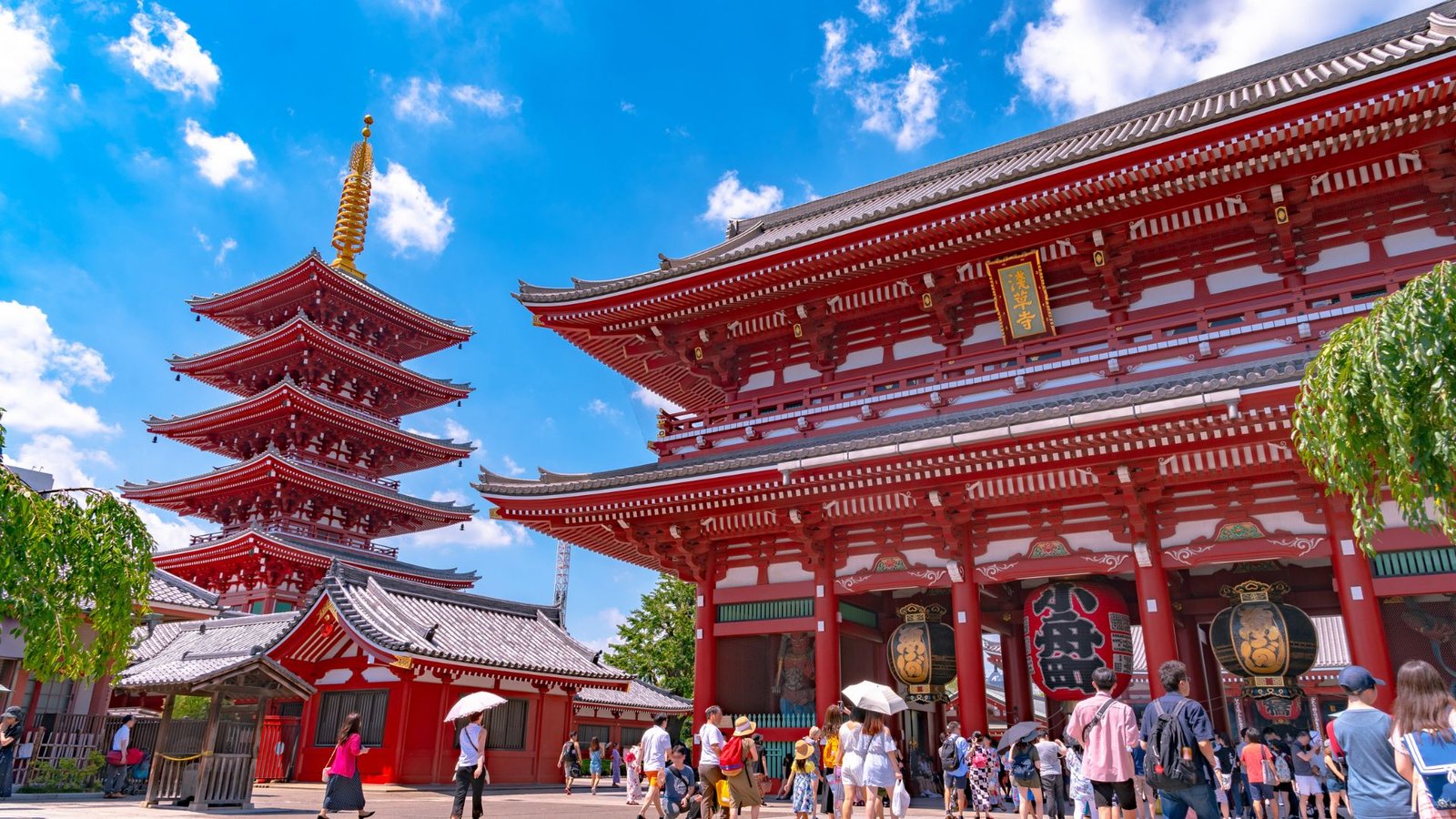
If you’re looking for a more traditional side of Tokyo, Asakusa is an excellent choice.
This historic neighborhood feels worlds apart from the skyscrapers and neon lights of western Tokyo. Home to the famous Senso-ji Temple, Asakusa is filled with traditional streets, local restaurants, family-run shops, and cultural landmarks.
It’s one of the few places in Tokyo where you can still catch glimpses of old Japan while enjoying all the conveniences of a modern city. Accommodation here is often more affordable than in Shibuya or Shinjuku, making it a popular choice for budget-conscious travelers.
Although it sits slightly farther from areas like Shibuya and Harajuku, Tokyo’s efficient subway network means you’re never too far away from the city’s major attractions.
Stay in Asakusa if:
- You love history, temples, and traditional culture
- You prefer a quieter atmosphere
- You’re looking for better value accommodation
- You want a more authentic, old-Tokyo feel
Other Affordable Areas to Stay in Tokyo
If hotels in popular districts like Shibuya, Shinjuku, or Asakusa are pushing your budget, don’t worry—Tokyo has plenty of excellent alternatives. In fact, some of Tokyo’s lesser-known districts offer better value, larger rooms, fewer crowds, and a more authentic local atmosphere.
Monzen-Nakacho
One of Tokyo’s most underrated neighborhoods, Monzen-Nakacho combines traditional charm with modern convenience. The area is known for its historic temples, riverside walks, and excellent local dining scene, particularly its izakayas and seafood restaurants. With direct access to the Tozai and Oedo subway lines, you can easily reach major sightseeing areas while enjoying a quieter and more local side of Tokyo.
Ueno
Ueno is one of the best budget-friendly bases for first-time visitors. Home to Ueno Park, several of Tokyo’s top museums, Ameyoko Market, and a wide variety of affordable hotels, it offers excellent value for money. It’s also particularly convenient for travelers arriving from Narita Airport thanks to direct rail connections, making it a practical choice for shorter trips.
Kanda
Located between Tokyo Station and Akihabara, Kanda is often overlooked by international visitors. The neighborhood has a relaxed business-district atmosphere, plenty of casual restaurants, and easy access to multiple train lines. Accommodation here is often more affordable than nearby Tokyo Station while still putting you within minutes of many of the city’s top attractions.
Nihombashi
For travelers looking for a central location without the crowds of Ginza or Shinjuku, Nihombashi is an excellent choice. This historic district offers a blend of traditional Tokyo culture, modern shopping, and convenient transport connections. Its direct access to both Narita and Haneda airports makes it particularly attractive for visitors who value convenience.
Akihabara
Famous as Tokyo’s anime, gaming, and electronics hub, Akihabara also offers surprisingly good value accommodation. Beyond the themed cafes and electronics stores, it’s a highly connected area with easy access to many parts of the city. It’s an especially good option for solo travelers, anime fans, and younger visitors looking for a lively atmosphere.
Kinshicho
Located east of central Tokyo, Kinshicho is a popular choice among travelers seeking larger hotel rooms and better value than you’ll often find in more tourist-heavy districts. The neighborhood has excellent restaurants, shopping centers, and convenient rail connections to Asakusa, Tokyo Station, and the Tokyo Skytree area. It strikes a great balance between affordability and accessibility.
Ikebukuro
If you like the energy of Shinjuku but want more affordable accommodation, Ikebukuro is worth considering. It’s one of Tokyo’s largest transport hubs and offers endless shopping, dining, nightlife, and entertainment options. The area is particularly popular with younger travelers and provides excellent value compared to some of Tokyo’s more famous neighborhoods.
Shin-Okubo
Known as Tokyo’s Koreatown, Shin-Okubo is a vibrant neighborhood filled with Korean restaurants, cafes, street food, and shops. Budget-conscious travelers often choose this area because accommodation tends to be more affordable than nearby Shinjuku, while still being within walking distance or a short train ride from some of Tokyo’s busiest districts.
Ryokan Stay in Tokyo
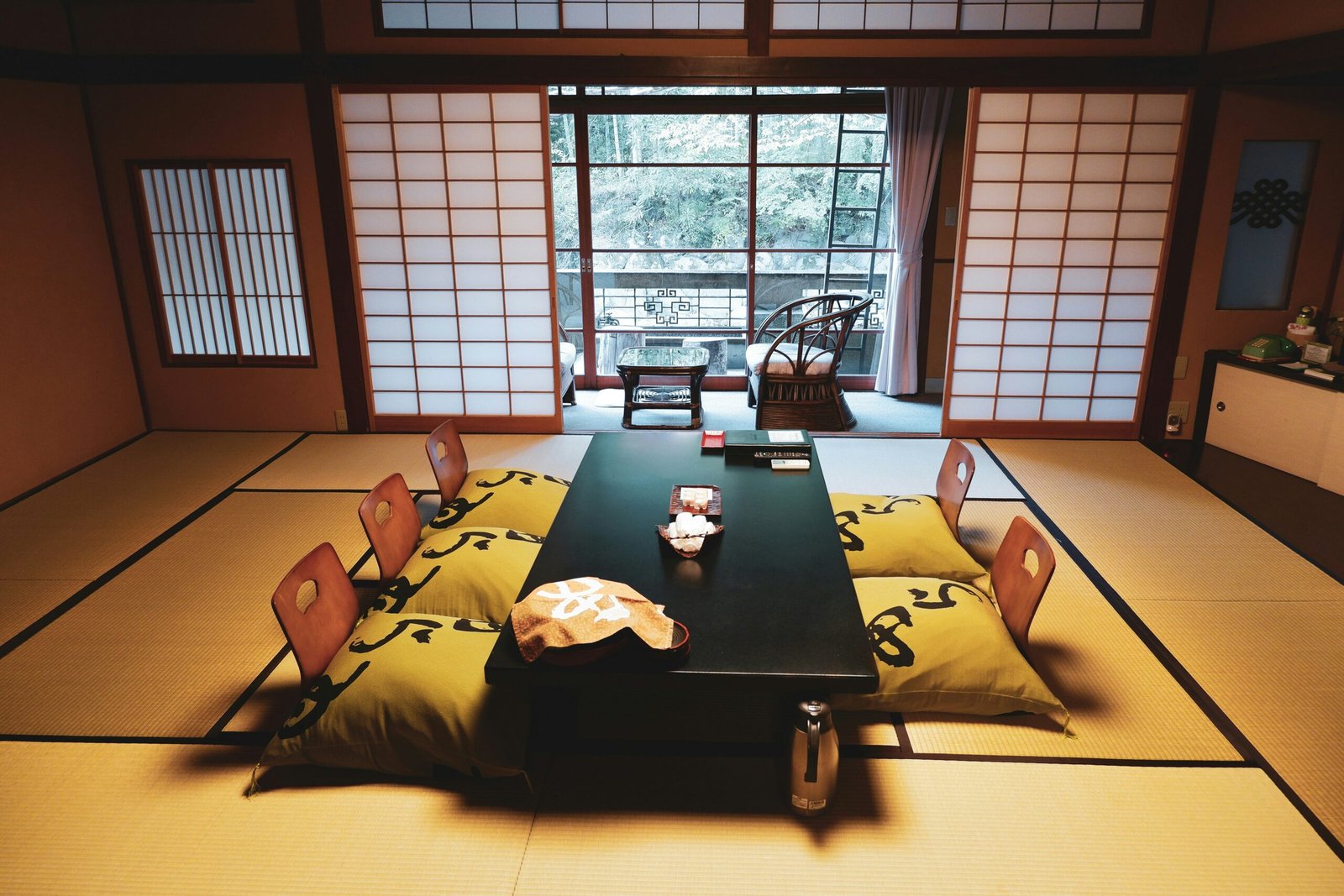
When planning a trip to Japan, you’ll probably come across the word ryokan quite a bit. These traditional Japanese inns are one of the country’s most unique accommodation experiences, and many travelers wonder whether it’s possible, or even worth it, to stay in one while visiting Tokyo.
The short answer? Absolutely.
While ryokans are often associated with hot spring towns like Hakone, Nikko, or the Japanese Alps, Tokyo has its own collection of beautiful traditional inns that offer a taste of old Japan right in the middle of one of the world’s most modern cities.
What exactly is a ryokan?
A ryokan is a traditional Japanese inn that focuses on hospitality, simplicity, and cultural traditions rather than luxury in the conventional sense. Instead of standard hotel rooms, you’ll typically find tatami mat floors, sliding paper screens, low wooden tables, and futon bedding that is laid out for you in the evening. Guests are usually provided with a yukata (a casual cotton kimono) to wear around the property, and many ryokans feature communal baths where you can relax after a day of sightseeing.
For many visitors, staying in a ryokan is less about having a place to sleep and more about experiencing a side of Japan that has remained largely unchanged for centuries.
What’s it actually like?
Imagine returning from a busy day exploring Tokyo’s neon-lit streets and crowded train stations. You leave your shoes at the entrance, slip into a yukata, enjoy a traditional Japanese meal, and unwind in a hot bath before sleeping on a futon in a peaceful tatami room.
It’s a completely different experience from staying in a modern hotel, and that’s exactly the appeal. A ryokan stay gives you a chance to slow down and experience Japanese hospitality in a much more personal and intimate way. It’s one of those travel experiences that often becomes a highlight of the trip itself.
Is it worth staying in a ryokan for your entire Tokyo trip?
For most travelers, probably not.
While ryokans are a wonderful experience, they aren’t always the most practical base for a week-long stay in Tokyo. Rooms can be smaller than Western hotel rooms, futons aren’t for everyone, and you’ll generally have fewer amenities than you would in a modern hotel.
That’s why many travelers choose to split their stay, spending a night or two in a ryokan for the experience before moving to a hotel for the rest of their trip. Personally, I think this is the sweet spot. You get to experience one of Japan’s most iconic traditions without giving up the convenience of a modern hotel.
Where to stay in a ryokan in Tokyo?
If you’re interested in staying in a ryokan, there are a few neighborhoods worth looking at. Here’s a list of the best ryokan stays in Tokyo to choose from:
- Ryokan Yuen, Shinjuku – 3-star experience with a hot spring bath, open-air bath, and restaurant. Perfect for couples and families.
- Prostyle Ryokan, Asakusa – Rooms feature air-conditioning, private bathrooms, balconies, and city views. Great for couples/ solo travelers.
- Annex Katsutaro Ryokan, Yanaka – 3-minute walk from Tenno-ji Temple and a 10-minute walk from Ueno Zoo and Ueno Park. It is an 8-minute walk to JR Nippori Station, which offers direct access to Akihabara and Tokyo Station. Perfect for couples and families.
Things to Remember When Choosing Where to Stay in Tokyo
Tokyo is one of the largest cities in the world, and where you stay in Tokyo can have a huge impact on your trip. Unlike many cities where the main attractions are concentrated in one area, Tokyo’s sights, restaurants, shopping districts, and nightlife are spread across multiple neighborhoods. Before booking your accommodation, keep these important factors in mind.
• Don’t choose a hotel based on price alone
A cheaper hotel can quickly become expensive if you’re spending extra time and money commuting every day. Sometimes paying a little more for a central location can save both time and transportation costs during your trip.
• Prioritize train access over neighborhood popularity
In Tokyo, being close to a major train or subway station is often more important than staying in a famous district. A hotel that’s a 3-minute walk from a well-connected station can be far more convenient than one in a popular neighborhood that’s 15 minutes from public transport.
• Understand the difference between JR and Subway Lines
Tokyo’s rail network is made up of both JR trains and Tokyo Metro/Toei Subway lines. Staying near a station that offers access to multiple lines can make sightseeing much easier and reduce the number of transfers you’ll need throughout your trip.
• Consider which airport you’re flying into
If you’re arriving at Narita Airport, neighborhoods like Ueno and Tokyo Station offer particularly convenient access. If you’re flying into Haneda Airport, areas such as Shinagawa, Hamamatsucho, and Asakusa may be more practical. Airport transfers can take over an hour, so location matters.
• Think about your travel style
The best neighborhood for one traveler may be completely wrong for another. If you enjoy nightlife, areas like Shinjuku or Shibuya make sense. If you prefer quieter evenings and local experiences, neighborhoods like Monzen-Nakacho, Yanaka, or Kameido may be a better fit.
• Tokyo is larger than it looks on a map
Two neighborhoods may appear close together, but getting between them can still take 20–30 minutes by train. Always check actual travel times to the places you plan to visit rather than relying solely on a map.
• Be realistic about room sizes
Hotel rooms in Tokyo are often much smaller than travelers expect, especially in budget and mid-range properties. If you’re traveling as a family or carrying large suitcases, pay close attention to room dimensions before booking.
• Check for direct connections to the places you want to visit
If there are specific places you’ll visit frequently, such as Disney Resort, teamLab Planets, Akihabara, or Shibuya Crossing, look for accommodation with direct train access to minimize daily commuting.
• Families may prefer residential neighborhoods
Busy entertainment districts can be exciting, but they can also be noisy and crowded. Families with young children often find areas like Ueno, Kinshicho, Odaiba, or Tokyo Bay more comfortable than staying in the heart of Shinjuku.
• Nightlife areas can be noisy
Districts like Kabukicho in Shinjuku and parts of Shibuya remain active well into the early hours of the morning. If you’re a light sleeper or traveling with children, you may want to stay slightly outside the busiest nightlife zones.
• Convenience stores matter more than you think!
You’ll likely visit convenience stores multiple times a day for snacks, breakfast, coffee, ATM withdrawals, and quick meals. Fortunately, most neighborhoods have plenty, but it’s still worth checking what’s nearby.
• Not every hotel has laundry services
If you’re visiting Japan for more than a week, laundry facilities can be surprisingly important. Many business hotels offer coin-operated washing machines, which can save you from packing excessive clothing.
• Walking distances can be deceptive
Major stations like Shinjuku, Tokyo Station, and Shibuya are enormous. A hotel listed as being “near the station” could still involve a 10–15 minute walk to the platform you actually need. Always check the exact location.
• Consider luggage logistics
If you’re traveling with large suitcases, look for hotels near stations with elevators and easy access routes. Some smaller stations and exits involve multiple flights of stairs, which can become tiring after a long day.
• Book early during peak seasons
Cherry blossom season, Golden Week, autumn foliage season, and the year-end holidays can cause hotel prices to rise dramatically. The best-value properties often sell out months in advance, particularly in popular areas like Shibuya, Shinjuku, and Asakusa.
• You don’t need to stay in the “Best” neighborhood
One of the biggest misconceptions about Tokyo is that there’s a single best place to stay. There isn’t! The right neighborhood depends entirely on your budget, interests, travel style, and priorities. Focus on finding an area that matches how you want to experience the city rather than chasing the most popular location.
Disclaimer: This post contains a few affiliate links. If you happen to click on any of them and make a purchase, I might earn a small commission at no extra cost to you. Just know that I truly appreciate your support if you choose to do so.
Tags:
Share:



About Me
I travel to collect stories, slowly and meaningfully, with an open heart. I wander a little farther for good food, linger longer to understand a place, and write so I can call it “work.” A slow traveller at heart, I believe in experiences over checklists, in moments that unfold at their own pace, and in connections that stay long after the journey ends.
An absolute foodie and die-hard mountain lover, I find my happiest moments in quiet Himalayan towns with a cup of lemon-honey-ginger tea in hand. Over the years, I’ve had the joy of exploring places across India and beyond, each trip teaching me something new about people, cultures, and myself. When I’m not lost in thought or coffee, you’ll find me exploring the world one destination at a time, always looking for places that make me feel something. I love to read and write (give me a book and I’ll love you all the more) and share honest insights, real photos, and thoughtful recommendations from my own travels, so you can experience every place a little deeper, a little slower, and with just the right touch of comfort.
 Pinterest
  Linkedin
  MuckRack
Exploring The World, One Place At a Time!