
Busan Travel Guide: What to Do in Busan in Just 48 Hours
When planning a trip to South Korea, one question always seems to come up: Is Busan worth visiting? Well, in this Busan travel guide, I’ll tell you why you just can’t skip Busan!
If you’re a K-Drama fan, you’d need no introduction, but for others, Busan is South Korea’s second-largest city, and it offers something Seoul simply doesn’t — a perfect mix of sandy beaches, buzzing seafood markets, colourful culture, and a laid-back coastal vibe that still feels exciting and alive.
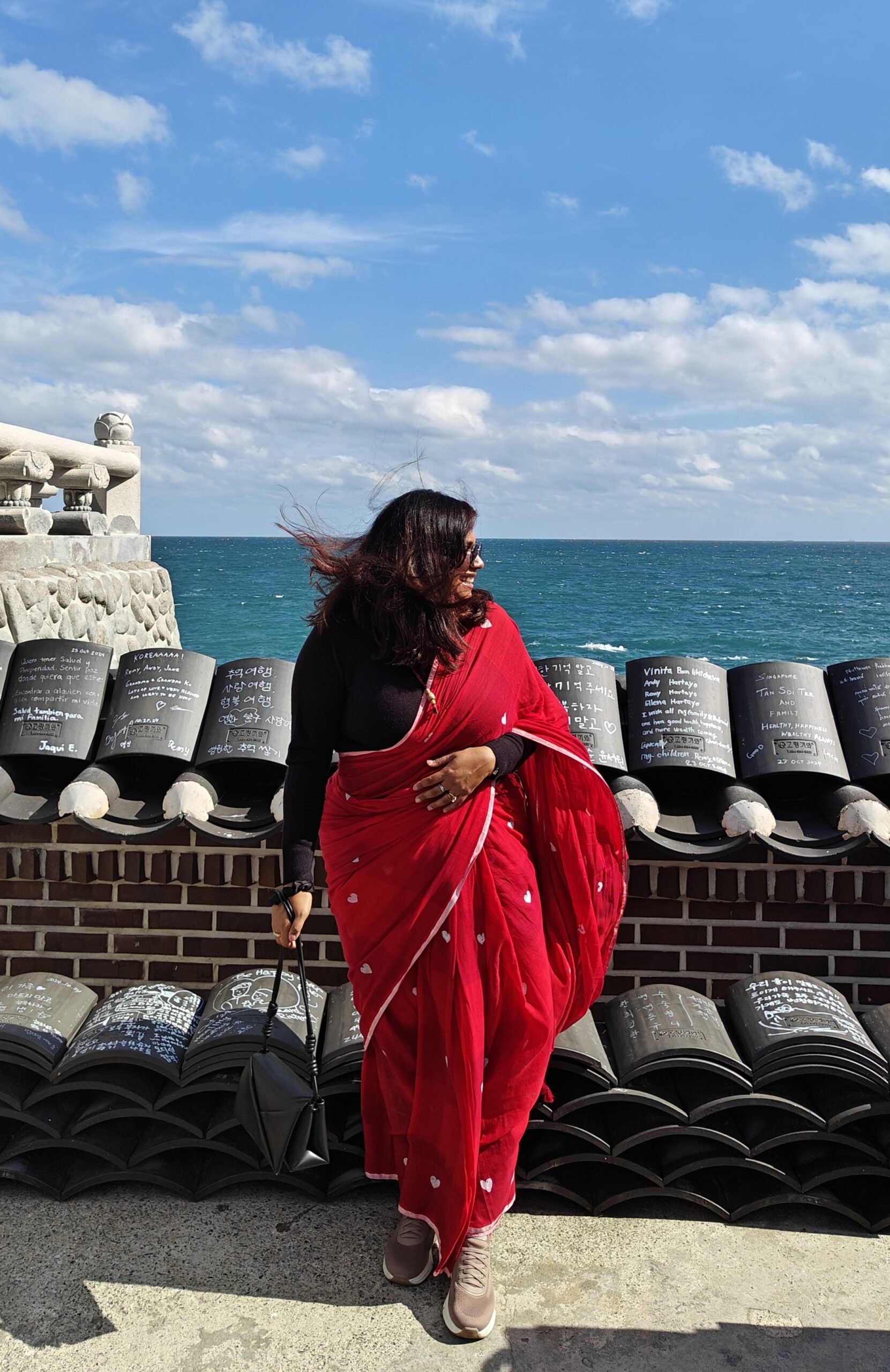
I spent just two days in Busan during my 12-day trip to South Korea, and completely fell in love with the city. It’s the kind of place that instantly makes you want to slow down, explore more, and stay a little longer.
Why Visit Busan?
In case you’re wondering, “Why should I visit Busan?”, let me tell you that Busan has a way of surprising you. It is vibrant without being overwhelming, scenic without feeling curated, and relaxed in a way that instantly puts you at ease. If you are debating whether Busan is worth visiting, the answer becomes clear the moment you arrive.
1. Where City Life Meets the Sea
Busan is one of those rare cities where the ocean is part of everyday life. You can spend the morning wandering through temples or hiking in the hills, then find yourself barefoot on the sand by the afternoon.
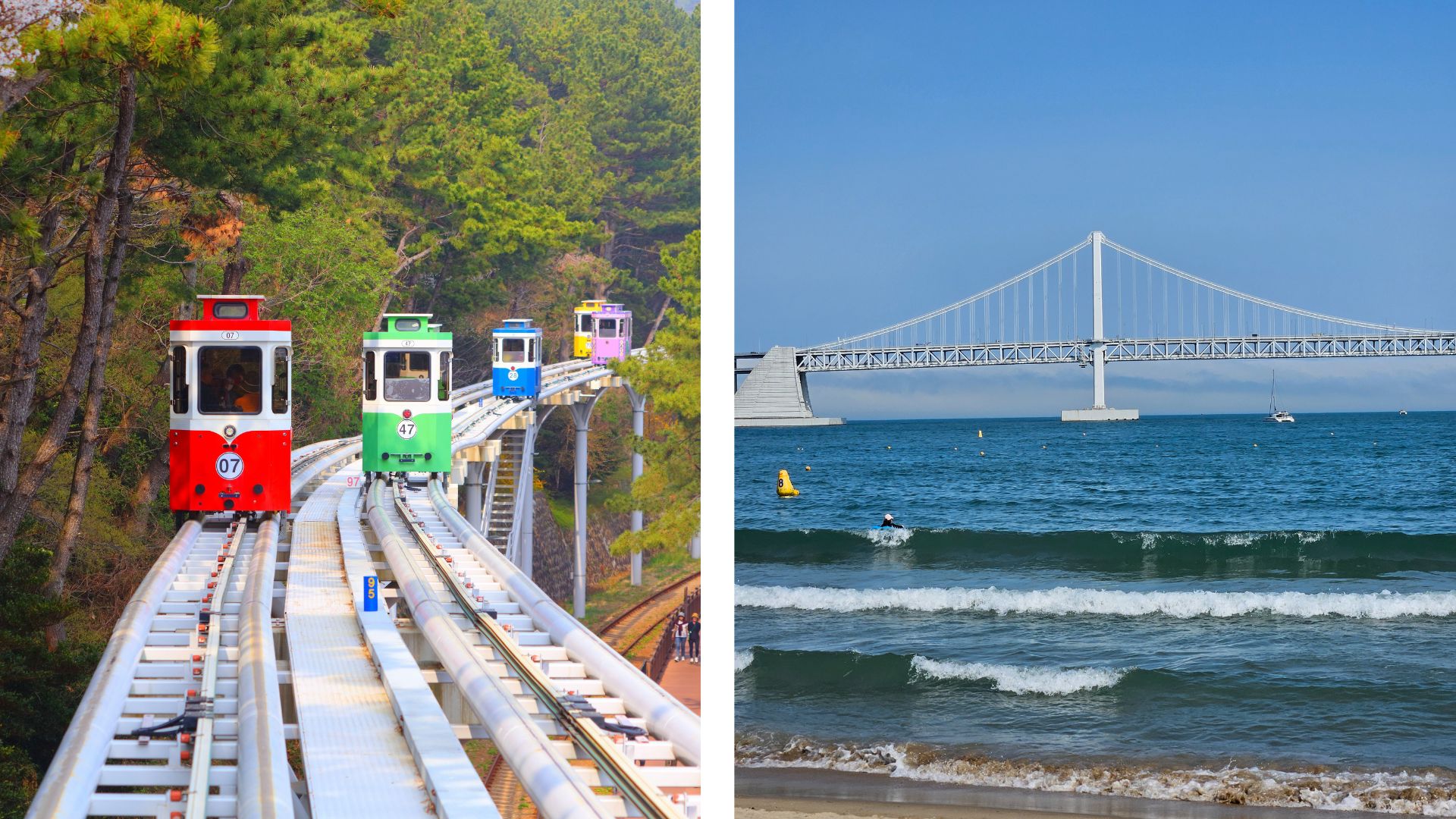
Haeundae Beach is lively and iconic, backed by restaurants, hotels, and the coastal Blueline Park with its scenic train and sky capsule rides. Gwangalli Beach has a more local feel, especially in the evening when cafes fill up, and the Gwangan Bridge lights up the night. Songdo Beach is calmer and perfect for ocean views, with its skywalk and coastal paths stretching out over the water.
That balance between energy and calm is what makes Busan feel so special.
2. A Slower Pace That’s Easy to Love
Compared to Seoul’s nonstop buzz, Busan feels refreshingly unhurried. The city encourages you to slow down, whether you are sitting by the water with a coffee, watching the sunset from the beach, or wandering quiet backstreets.
It is still a big city, but one that feels breathable and welcoming rather than rushed.
3. Culture That Feels Personal
Busan’s culture is woven into its neighbourhoods, not confined to museums. Getting lost in Gamcheon Culture Village felt like exploring a living canvas, with colourful staircases, hidden studios, and creative details everywhere. One of my favourite memories was making a flipbook souvenir in a tiny shop tucked into the hillside.
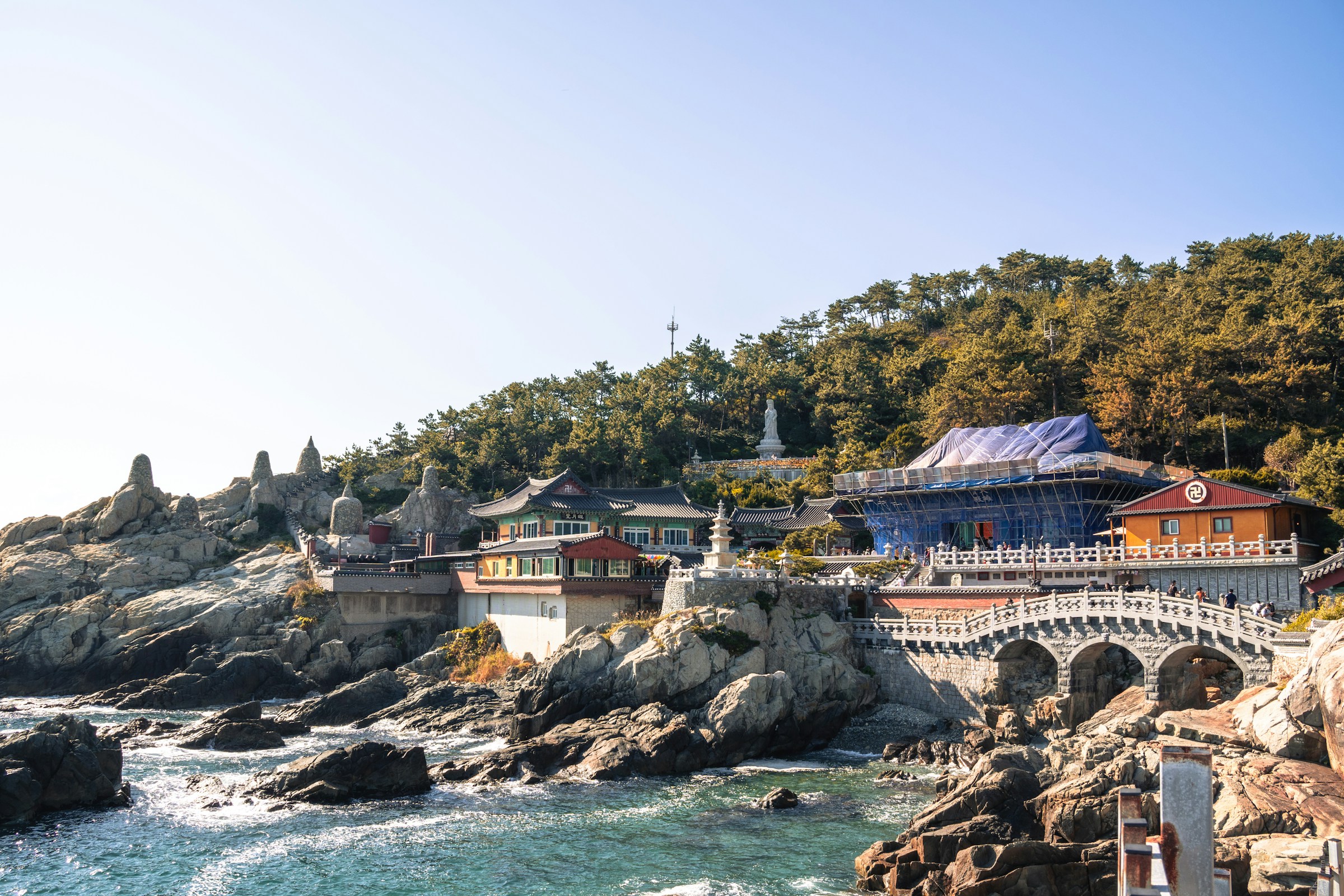
The city’s temples are just as memorable. Beomeosa sits peacefully in the mountains, while Haedong Yonggungsa is dramatically perched above the sea, offering views you will not forget anytime soon.
4. Easy and Enjoyable Exploring
Busan is incredibly easy to explore, even if you are short on time. Public transportation is simple to use, and attractions are spread out in a way that keeps each area feeling distinct.
With options like the Visit Busan Pass, it is easy to combine cultural spots, coastal experiences, and modern attractions without overplanning or stress.
5. Food You Will Think About Long After You Leave
Busan is a dream for food lovers. Fresh seafood is everywhere, from lively fish markets to casual beachside restaurants. Add sizzling Korean BBQ, high-quality Hanwoo beef, comforting local dishes, and street food snacks you will crave again and again.
If you are wondering whether Busan is worth visiting for the food alone, the answer is absolutely yes.
[If you wish to explore Busan seamlessly, then I would definitely recommend buying the Visit Busan Pass.]
How to Get to Busan from Seoul?
Getting from Seoul to Busan is surprisingly easy, and you have several good options depending on how much time you have, your budget, and how you like to travel.
Train (KTX)
Taking the KTX high-speed train is hands down the easiest and most popular way to travel between Seoul and Busan. The journey takes roughly 2.5 to 3 hours, departing from Seoul Station and arriving right in the heart of Busan.
This is the option we chose, and with only two days in Busan, it made the most sense. The trains are modern, comfortable, and run frequently throughout the day, so it is easy to find a departure that fits your schedule.
You can book tickets in advance through Klook, which I found to be the simplest way to book transportation in South Korea.
Bus
If you are travelling on a tighter budget, intercity buses are a solid alternative. Buses leave from major terminals such as Seoul Express Bus Terminal and usually take around 4 to 5 hours, depending on traffic.
While the ride is longer than the train, the buses are comfortable and significantly cheaper. This can be a good option if you are not in a rush or prefer to save money for food and experiences once you arrive in Busan.
Flights
Another option is flying domestically from Seoul Gimpo Airport to Busan Gimhae Airport. The flight itself is just over an hour, but once you factor in airport transfers, security, and waiting time, it often takes just as long as the train, if not longer.
For most travellers, flying only makes sense if you are already near the airport or find a particularly good deal.
Driving
Driving from Seoul to Busan is best suited for travellers who enjoy road trips and want the freedom to stop along the way. The drive can be scenic, but tolls, fuel costs, and parking fees can add up quickly.
This option works well if you have extra time and plan to explore smaller cities or countryside spots along the way. You can rent a car in Seoul and return it in Busan if you want a more flexible itinerary.
The Best Option Overall
For most travellers, especially those short on time, the KTX is the most efficient and stress-free way to get to Busan. It gets you there quickly and comfortably, without the extra logistics of flying or driving.
2 Days in Busan: The Ideal Itinerary
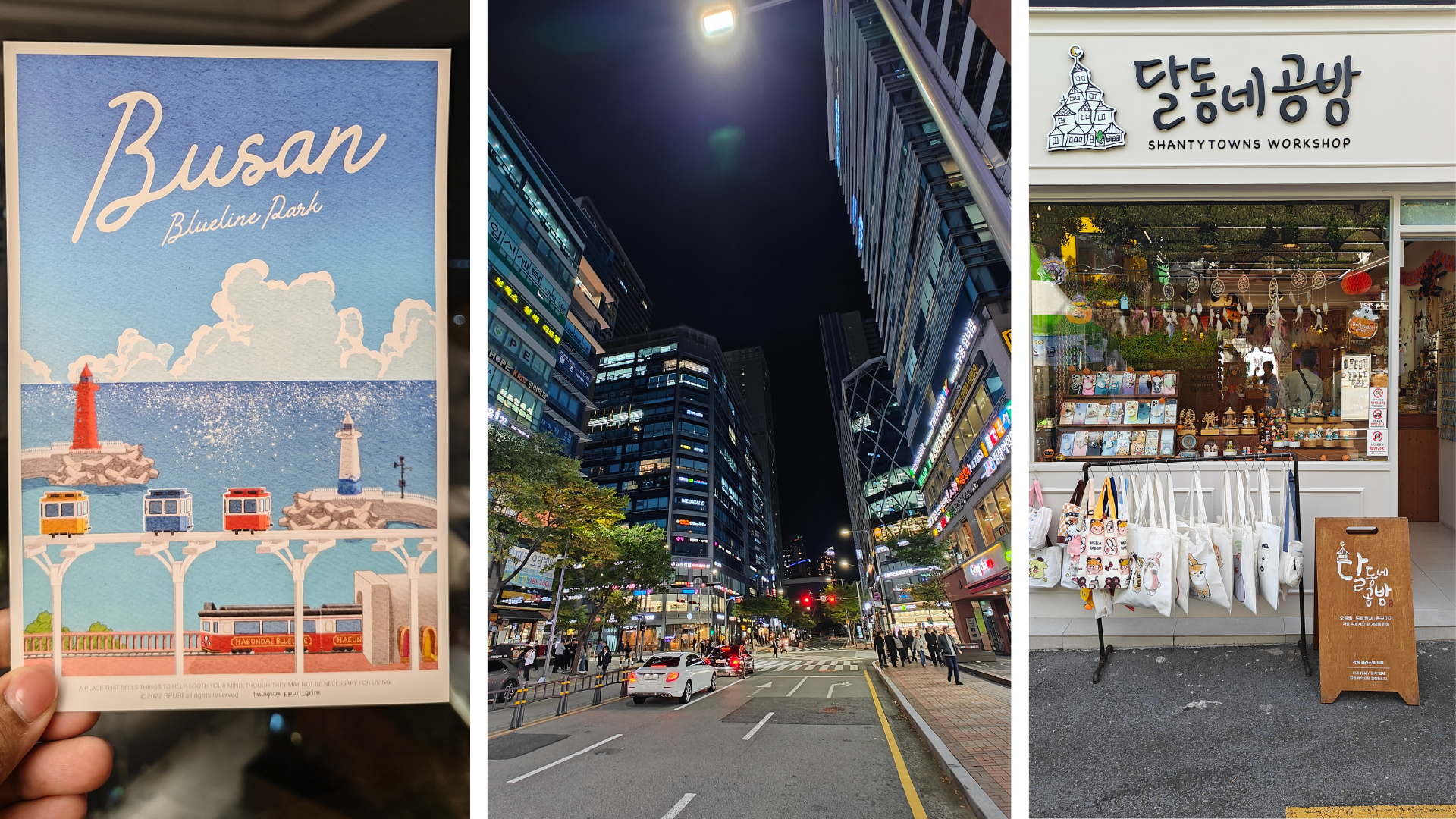
If you only have two days in Busan, you can still experience a great mix of culture, food, beaches, and city views. This itinerary is relaxed but efficient, perfect if you are coming from Seoul and want to make the most of your time.
Day 1: Arrival, Street Food, and City Views
I recommend taking an early morning train from Seoul to Busan so you can start exploring as soon as you arrive. Once you check into your hotel or drop off your luggage, head straight to one of Busan’s most energetic areas.
BIFF Square
Start your Busan adventure at BIFF Square, a lively district named after the Busan International Film Festival. The streets here are always buzzing, and it is one of the best places in the city to try local street food.
Do not leave without trying ssiat hotteok, Busan’s famous sweet pancake filled with seeds, nuts, and sticky syrup. As you walk around, keep an eye out for handprints of famous film directors and actors on the sidewalks, which give the area a fun, cinematic feel.
Yongdusan Park and Busan Tower
Just a short walk from BIFF Square is Yongdusan Park, a peaceful green space right in the middle of the city. It is a nice contrast to the busy streets below and a good place to slow down for a moment.
Inside the park, you will find Busan Tower, one of the city’s landmarks. You can enjoy the views from the park itself, but if you want a full panorama, take the elevator up the tower. From the top, you get sweeping views of Busan’s skyline, port, and surrounding mountains, especially beautiful on a clear day.
Evening: Gwangalli Beach and Night Views
As evening approaches, make your way to Gwangalli Beach, one of the best spots in Busan after dark. The beach has a relaxed yet lively atmosphere, with soft sand, ocean breezes, and a long stretch of cafés, bars, and restaurants facing the water.
The main highlight here is the Gwangan Bridge, which lights up every night and reflects beautifully on the sea. Find a beachfront café, order a coffee or cocktail, and just enjoy the view. It is easily one of the most romantic spots in Busan and perfect for a laid-back evening after a full day of sightseeing.
Alternative Evening Option: Spa Land
If you are feeling tired from travel and walking, another great option for your first night is Spa Land, one of the most famous jjimjilbangs in South Korea.
Located inside Shinsegae Centum City, Spa Land is a luxury spa complex with a wide variety of hot baths, saunas, and relaxation areas. Inside, you will find themed sauna rooms with varying temperatures and mineral content, soaking pools, steam rooms, and quiet spaces where you can rest on heated floors.
It is the perfect place to unwind, especially after a long train ride and a busy day of exploring. Even if you have never been to a Korean spa before, Spa Land is very foreigner-friendly, clean, and easy to navigate. Spending a few hours here will leave you feeling completely refreshed and ready for day two in Busan.
Day 2: Temples, Colourful Streets, and City Nights
Your second day in Busan blends dramatic coastal scenery, creative neighbourhoods, and one last taste of the city’s nightlife. It is the perfect way to wrap up a short but memorable trip.
Morning: Haedong Yonggungsa Temple
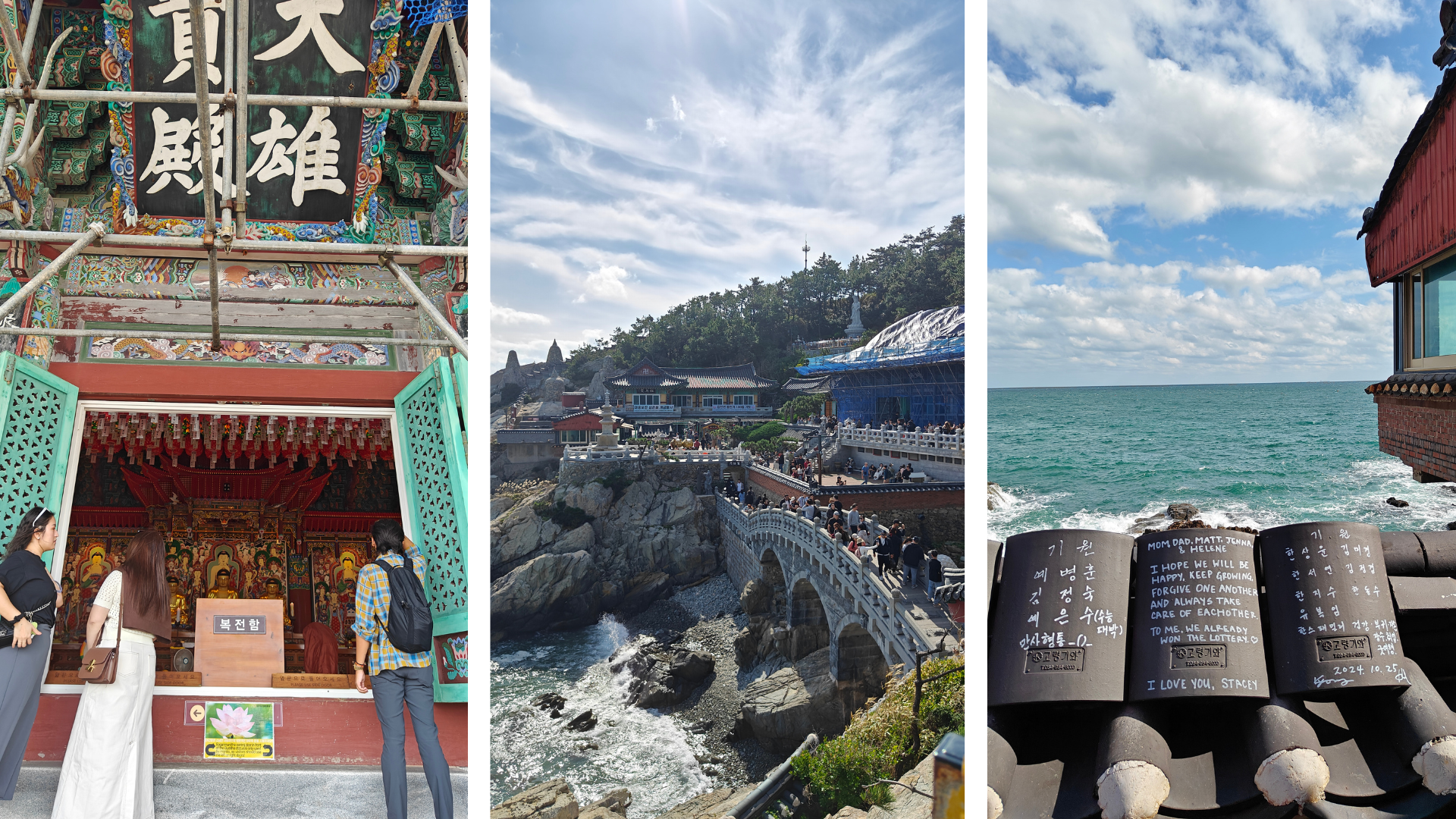
Start the day early with a visit to Haedong Yonggungsa Temple, one of the most beautiful temples in South Korea. What makes this temple so special is its location. Instead of being hidden in the mountains, it sits right on the coastline, perched on cliffs overlooking the sea.
As you walk down toward the temple complex, the sound of waves crashing below sets a calm, almost meditative mood. Take your time exploring the grounds, crossing the stone bridges, and soaking in the ocean views from every angle. Going early is highly recommended, as this is one of Busan’s most popular sights and fills up quickly.
Midday: Gamcheon Culture Village
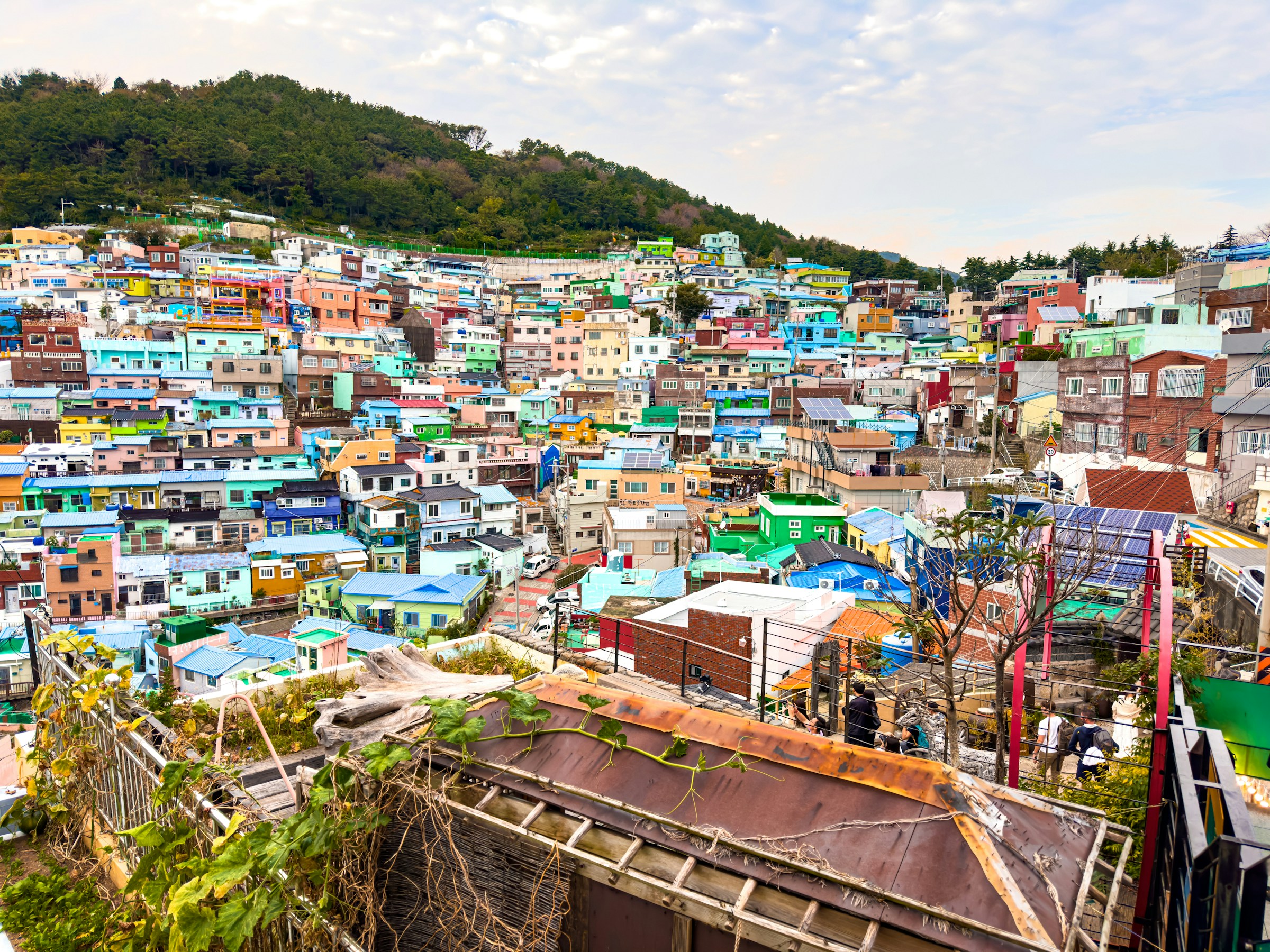
Next, head to Gamcheon Culture Village, one of Busan’s most photographed areas. Built along a steep hillside, the village is often compared to Machu Picchu thanks to its layered houses and maze-like alleys.
Walking through Gamcheon feels like wandering through a living art project. Colourful homes, painted murals, small art studios, and independent shops are scattered throughout the neighbourhood. One of the most famous photo spots is the Little Prince statue, overlooking the city. It is always busy, and the wait can easily reach 30 minutes or more. We skipped the line and continued exploring instead. Personally, I would rather enjoy the village than wait in line for a photo everyone already has.
Afternoon: Jagalchi Fish Market
From Gamcheon, make your way to Jagalchi Fish Market, the heart of Busan’s seafood culture. This bustling market is full of energy, with vendors selling everything from live octopus to freshly caught fish.
You can stroll through the stalls to see the day’s catch or head upstairs to one of the restaurants where seafood is prepared fresh on the spot. Even if you do not plan to eat, the market offers a fascinating look into everyday life in this coastal city.
Evening: Seomyeon District for Shopping and Nightlife
For your final evening in Busan, head to Seomyeon, the city’s main shopping and nightlife district. This area comes alive after dark, with neon lights, busy streets, and an endless mix of things to do.
Spend some time browsing trendy boutiques or exploring the underground shopping malls before heading to Jeonpo Café Street, a former industrial area that has transformed into one of Busan’s coolest neighbourhoods. The streets here are lined with stylish cafés and speciality coffee shops, perfect for a short break before dinner.
When it comes to food, Seomyeon is an excellent place for Korean barbecue. Sitting around a grill, cooking your own meat, enjoying endless side dishes, and sharing a bottle of soju feels like the perfect way to end the trip. If you still have energy afterwards, Seomyeon’s nightlife has something for everyone, from cosy cocktail bars to lively clubs that stay open late.
[Also read: Best Things to Buy in South Korea: Souvenirs, Beauty Products & Local Finds]
Where to Stay in Busan?
Choosing the right neighbourhood can make a big difference in how you experience Busan. Whether you want ocean views, nightlife, convenient transit, or a more local vibe, Busan has several great areas to base yourself for a short trip.
Haeundae Beach — Best for First-Time Visitors
If this is your first time in Busan, Haeundae Beach is one of the best places to stay. It’s one of the city’s liveliest areas, with a long stretch of sand, ocean views, and plenty of restaurants, cafés, and bars right outside your door.
Haeundae is also very convenient for sightseeing — from here, you can easily reach other highlights like Blueline Park, Dongbaek Island, and Shinsegae Centum City. The vibe is energetic during the day and relaxed at night, perfect if you want a balance of beach life and city comfort.
Gwangalli Beach — Best for Night Views and Cafés
For travellers who love sunset walks and stunning nightscapes, Gwangalli Beach is hard to beat. This area has a slightly more local feel than Haeundae, with a great café scene and laid-back restaurants lining the waterfront.
The big draw here is the Gwangan Bridge, which lights up beautifully after dark. Many hotels and lounges along the beach offer great views, so waking up or winding down with that scene is a real treat.
Seomyeon — Best for Shopping and Nightlife
If you prefer staying in the heart of the city, Seomyeon is the place to be. This district is Busan’s commercial and entertainment hub, filled with shops, markets, cafés, bars, and restaurants.
Staying in Seomyeon means you are close to subway lines that connect to every part of the city. Plus, once the sun goes down, the streets light up with nightlife options ranging from casual pubs to lively clubs.
Nampo-dong / BIFF Square — Best for Markets and Culture
For a more traditional taste of Busan, Nampo-dong and BIFF Square are excellent choices. This area is within walking distance to places like Jagalchi Fish Market, Busan Tower, and Gukje Market.
Here you get more of that authentic city-centre buzz, where you can stroll through streets full of local shops, try street food, and explore cultural spots on foot.
Near Busan Station — Best for Convenience
If your trip includes early trains or you want easy connections to other cities, staying near Busan Station can be very practical. You won’t get the beach views here, but you will be right by major transit, making travel days much smoother.
Wherever you choose, Busan’s transit system is easy to use, so getting around is simple no matter your base. And with great food, beaches, and views almost everywhere, you really can’t go wrong.
Frequently Asked Questions About Travelling to Busan
1. What is the best time to visit Busan?
The best time to visit Busan is in spring (April to June) and autumn (September to October). The weather is mild, the skies are clear, and it is perfect for beach walks and sightseeing. Summer is great for beach lovers, but it can be hot and crowded.
2. Is Busan cheaper than Seoul?
Yes, in general, Busan is slightly more affordable than Seoul. Accommodation, food, and cafés tend to be a bit cheaper, especially outside the peak summer season.
3. How do you get around Busan?
Busan has an excellent public transportation system. The subway and buses are easy to use, affordable, and well-connected. Taxis are also reasonably priced and convenient for shorter distances.
4. Do you need a car in Busan?
No, a car is not necessary. Public transport will get you almost everywhere. Renting a car only makes sense if you plan to explore rural areas or travel outside the city.
5. Is Busan safe for tourists?
Yes, Busan is very safe for travellers, including solo travellers. Violent crime is rare, and the city feels safe both day and night.
6. Is English widely spoken in Busan?
English is spoken in hotels, tourist areas, and major attractions. In more local neighbourhoods, English may be limited, but basic communication is usually easy with translation apps.
7. What food is Busan famous for?
Busan is known for fresh seafood, especially at Jagalchi Fish Market. Local specialities include ssiat hotteok, pork soup rice (dwaeji gukbap), Korean barbecue, and a wide variety of street food.
8. Is it possible to visit Busan as a day trip from Seoul?
While it is technically possible, it would be very rushed. Busan deserves at least one overnight stay to truly experience its beaches, culture, and nightlife.
Busan was one of those places that surprised me in the best possible way. In just 48 hours, it felt both exciting and calming, vibrant yet easygoing. From seaside temples and colourful hillside streets to late nights by the beach and unforgettable meals, Busan has a rhythm that pulls you in without ever feeling overwhelming.
What I loved most about Busan is how effortlessly it blends city life with the sea. One moment you are wandering through busy markets or creative neighbourhoods, and the next you are listening to waves crash against the shore. It is a city that invites you to slow down, look around, and truly enjoy where you are.
If you are planning a trip to South Korea, do not make the mistake of skipping Busan. And if you wish to know anything specific about Busan, drop a comment below 🙂
Disclaimer: This post contains a few affiliate links. If you happen to click on any of them and make a purchase, I might earn a small commission, at no extra cost to you. Just know that I truly appreciate your support if you choose to do so.
Tags:
Share:


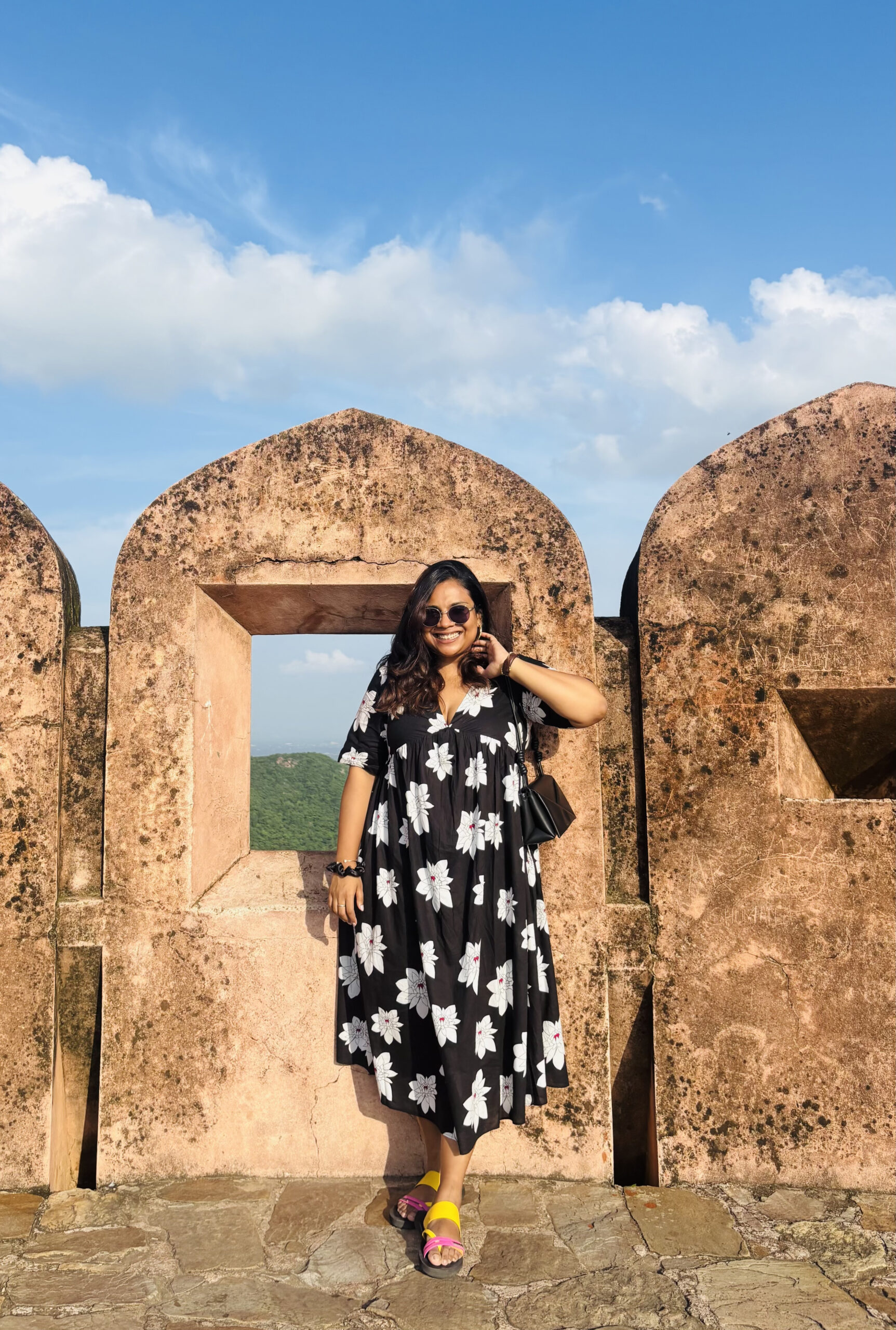
About Me
I travel to collect stories, slowly and meaningfully, with an open heart. I wander a little farther for good food, linger longer to understand a place, and write so I can call it “work.” A slow traveller at heart, I believe in experiences over checklists, in moments that unfold at their own pace, and in connections that stay long after the journey ends.
An absolute foodie and die-hard mountain lover, I find my happiest moments in quiet Himalayan towns with a cup of lemon-honey-ginger tea in hand. Over the years, I’ve had the joy of exploring places across India and beyond, each trip teaching me something new about people, cultures, and myself. When I’m not lost in thought or coffee, you’ll find me exploring the world one destination at a time, always looking for places that make me feel something. I love to read and write (give me a book and I’ll love you all the more) and share honest insights, real photos, and thoughtful recommendations from my own travels, so you can experience every place a little deeper, a little slower, and with just the right touch of comfort.
 Pinterest
  Linkedin
  MuckRack
Exploring The World, One Place At a Time!