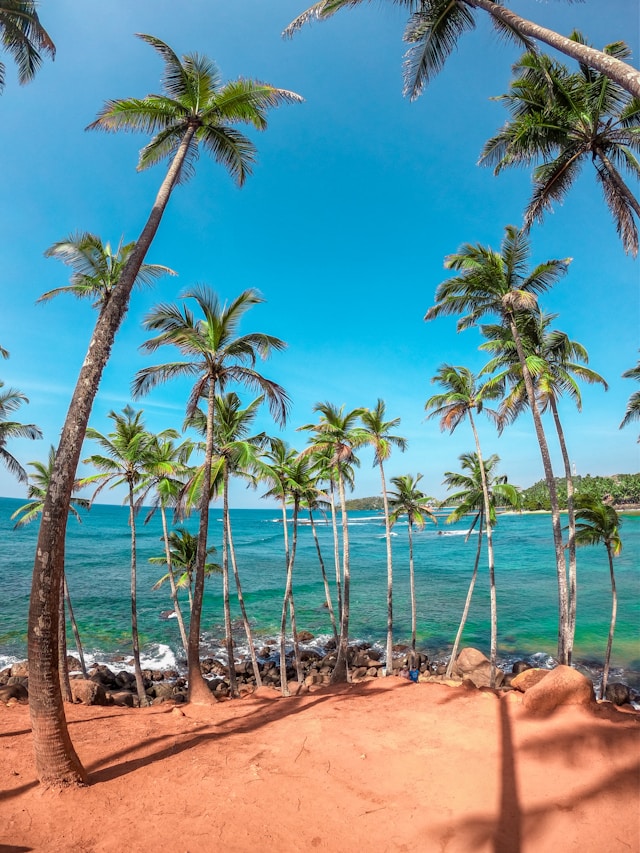

The Ultimate Travel Guide to Sri Lanka | Beaches, Temples, Forests and More
Sri Lanka is a country where history, culture, nature, and relaxation all come together. I remember when I first took a solo trip to Sri Lanka to celebrate my 30th birthday, I had no plans – I just decided to go with the flow, and it turned out to be an amazing journey! I realised that even though it’s a tiny nation, there’s so much to explore in the country that one trip can never be enough!
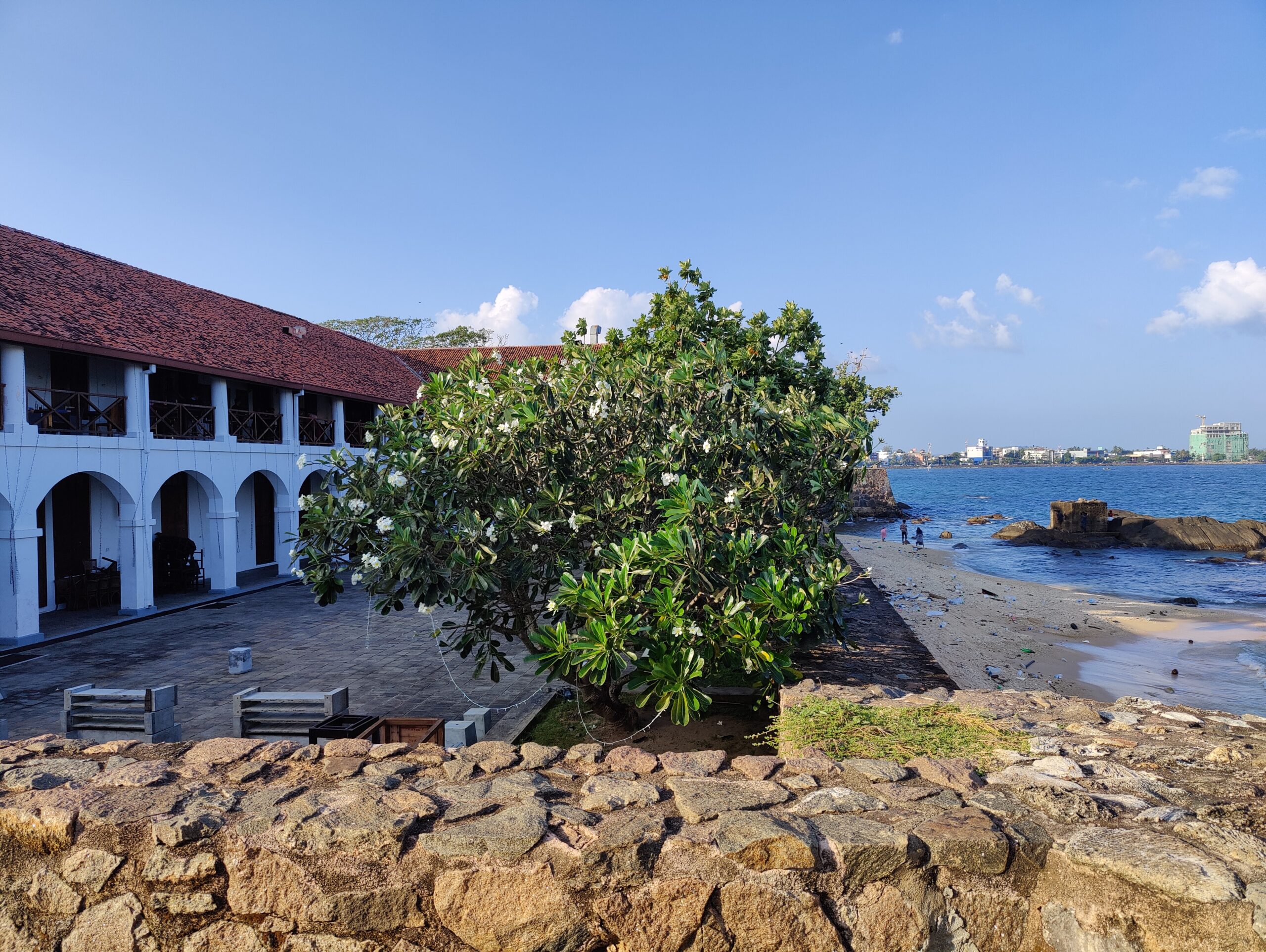
View of the ocean from Galle Fort.
Whether you’re wandering through ancient ruins, trekking through misty mountains, or simply lounging on a pristine beach, each region of Sri Lanka offers a unique experience.
This travel guide to Sri Lanka captures only a fraction of what the island has to offer, so make sure to take your time and explore its hidden corners. From the bustling streets of Colombo to the serene beaches of Trincomalee and the wildlife safaris of Yala, Sri Lanka is truly a destination that has it all.
How to get a visa for Sri Lanka?
To get a visa for Sri Lanka, you can apply for an e-visa online or get a visa on arrival:
- e-Visa
You can apply for an e-Visa online on their official website. You can also apply through third parties, but you should make payments through the official website to avoid paying at the port of entry. The e-visa usually comes within 24 hours of submitting your application.
- Visa on arrival
You can get a visa on arrival at the airport, but you should bring cash as there have been issues with payment methods like Visa and Mastercard. You’ll need to bring the following documents:
- An approved ETA
- Round-trip flight ticket confirmation
- Proof of financial security
- A valid passport that’s valid for at least six months after your date of entry to Sri Lanka
Note: The good news is that Sri Lanka is also allowing visa-free travel for nationals of 35 countries, including the USA, UK, Canada, Russia, Thailand, India and Indonesia, from October 1, 2024. This pilot program will last for six months.
Earlier, the visa fee for Indians visiting Sri Lanka was around 2,000 INR.
How to travel to Sri Lanka from India?
If you’re planning a trip to Sri Lanka from India, the easiest way to get there is by flying into Bandaranaike International Airport (CMB), just outside Colombo. You can find direct flights from cities like Delhi, Mumbai, Bengaluru, Chennai, and Hyderabad, so it’s super convenient no matter where you’re based.
Flight duration depends on where you’re flying from, but it usually ranges from 90 minutes to 3.5 hours. As for ticket prices, expect round-trip flights to cost between 16,000 INR and 90,000 INR per person, depending on your departure city and the service (Economy, Premium Economy, Business) you choose.
SriLankan Airlines is the national carrier and offers direct flights from multiple Indian cities, but you can also check out IndiGo, Air India, and SpiceJet, which offer regular flights to Colombo.
Click here to find the best flights to Sri Lanka.
What is the best time to travel to Sri Lanka?
My first trip to Sri Lanka was in December, and the weather couldn’t have been better – warm and sunny, just perfect for exploring. During my second trip in May, I visited Galle, and while the mornings and evenings were still pleasant, I quickly realised that the daytime heat was intense, making it a bit tough to get around and explore comfortably!
Honestly, the best time to visit Sri Lanka depends on which part of the island you plan to explore, as the weather varies across the country due to the two monsoon seasons.
Southwest Coast and Hill Country (Colombo, Galle, Mirissa, Ella, Kandy)
- Best time to visit: November to April. This is the ideal period for visiting Sri Lanka’s popular southwest beaches, lush hill country, and cultural cities like Kandy. The weather is warm and sunny, perfect for beach activities, hiking, and exploring historical sites.
Northeast Coast (Trincomalee, Jaffna, Batticaloa)
- Best time to visit: May to September. If you’re heading to the east or north coast, plan your trip between May and September when the weather is sunny and dry. This is the perfect season to enjoy the beautiful, less-crowded beaches and dive spots in places like Trincomalee.
Sri Lanka is a year-round destination, so if you’re flexible with your plans, you can enjoy different parts of the island during different times of the year. Just be mindful of the monsoon seasons: the southwest monsoon hits from May to September, while the northeast monsoon occurs from October to January.
In short, November to April is the best time for the west and south coasts, while the northeast coast is best visited between May and September.
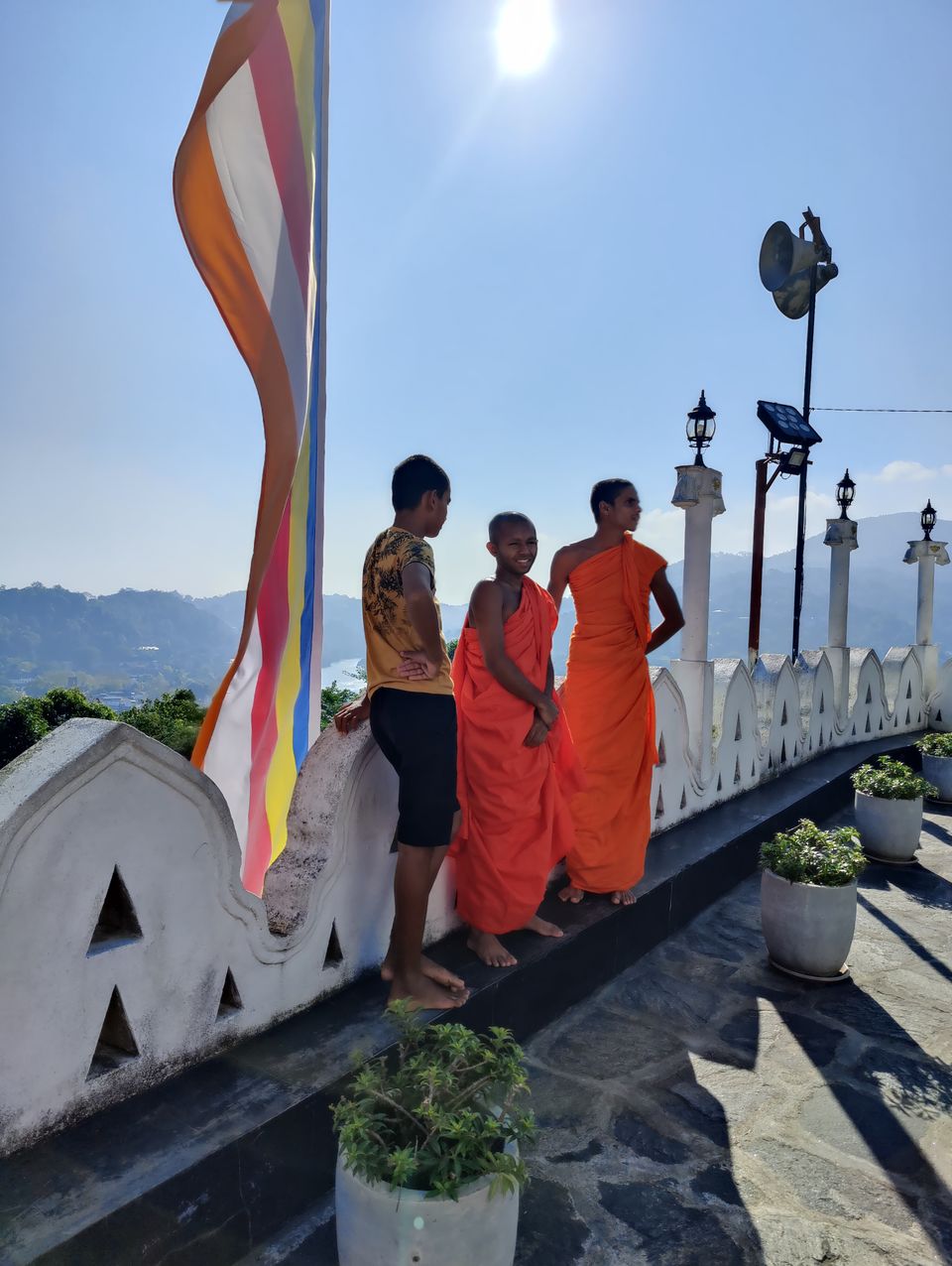
Monks are chilling at Kandy.
What language is spoken in Sri Lanka?
Sinhala and Tamil are the official languages of Sri Lanka and are also the most widely spoken. However, given that the country’s economy relies heavily on tourism, English is also widely spoken, especially among the younger population.
It’s quite rare to encounter a language barrier during your travels, and most people in the tourism sector can communicate effectively in English, making it easy for travellers to get around and interact without any significant challenges.
What is the currency of Sri Lanka?
The local currency in Sri Lanka is the Sri Lankan Rupee (LKR). You can easily exchange Indian Rupees at the airport, banks, or currency exchange offices throughout the country.
As of the latest rates, 100 INR is equal to 365 LKR (approx), and 1 USD is equal to 305 LKR (approx). It’s advisable to carry some cash in Sri Lankan Rupees for small expenses, but you’ll find that credit and debit cards are widely accepted in major cities and tourist areas, making transactions convenient.
How to travel within Sri Lanka?
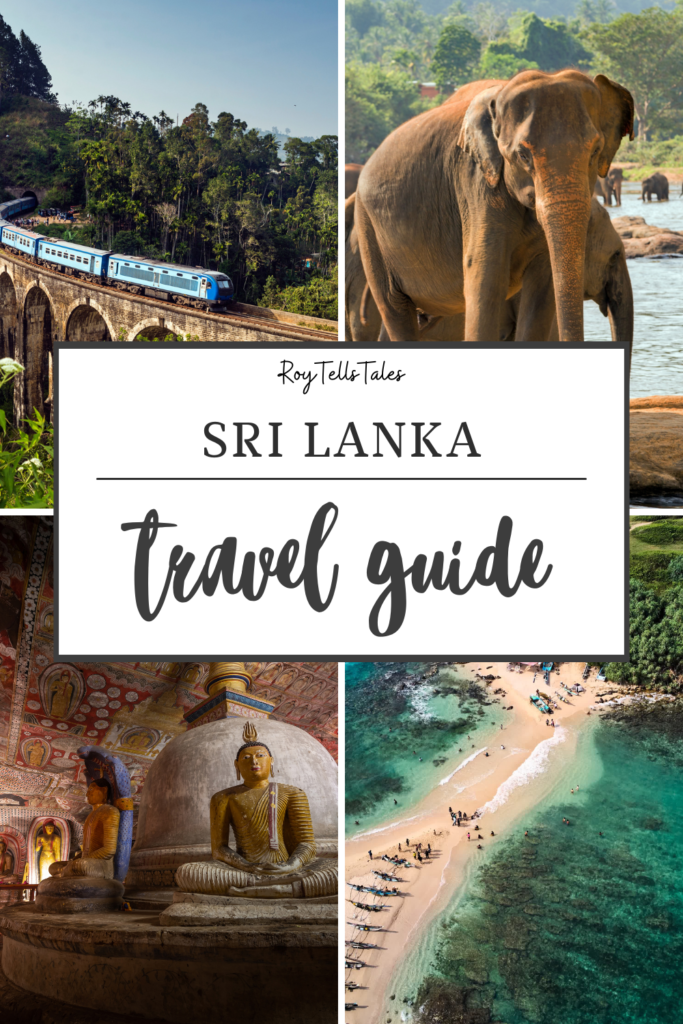
Sri Lanka has plenty of transportation options to match your budget and comfort level. For longer trips, taking the scenic train routes is a must-do, especially the famous Nuwara Eliya to Ella train ride, which takes you through breathtaking tea plantations and misty mountains. Buses are an affordable way to get around but can be a bit crowded, while tuk-tuks are perfect for short trips around town.
If you want more flexibility, renting a car with a driver is both convenient and reasonably priced. For those feeling adventurous, self-driving is also an option, though you’ll need an international driving permit. Just keep in mind that Sri Lanka follows left-hand driving, and traffic can be a bit hectic at times!
Download Uber and Pick-Me apps for easy cab and tuk-tuk rides across the country.
What to eat in Sri Lanka?
From fragrant spices and coconut-based curries to fresh seafood and hearty vegetarian dishes, Sinhalese cuisine offers a vast array of delectable choices for both vegetarians and non-vegetarians.
1. Rice and Curry: The National Dish
No trip to Sri Lanka is complete without trying Rice and Curry, the quintessential meal served at almost every restaurant or household. This dish forms the heart of Sri Lankan cuisine, with rice, usually steamed or boiled, as the centrepiece and a variety of accompanying curries.
Vegetarian rice and curry
Sri Lanka offers a wide variety of vegetarian curries made from locally grown vegetables like pumpkin, brinjal (eggplant), beans, potatoes, and jackfruit. These curries are often cooked with coconut milk, which adds a creamy texture and balances the spices. The popular dhal curry (lentils cooked in coconut milk with turmeric and spices) is a staple, providing protein to vegetarian meals.
Another favourite is mallung, a leafy green dish often served as a side with rice and curry. It’s made from finely shredded greens such as gotu kola (a medicinal herb) mixed with grated coconut, onions, and spices.
Non-vegetarian rice and curry
For non-vegetarians, Sri Lankan rice and curry become even more varied. The protein element can include chicken, fish, prawns, beef, or mutton. Sri Lanka’s coastal proximity ensures an abundance of seafood, and fish curry is a particular highlight. Fish like tuna or mackerel are simmered in a spicy, tangy sauce made with tamarind, coconut milk, and a blend of aromatic spices.
Chicken curry, cooked with fresh curry leaves, chilli, and cinnamon, is another common dish served alongside rice. Crab curry, especially popular in coastal towns like Negombo and Jaffna, is a must-try for seafood lovers.
2. Hoppers: Sri Lanka’s Unique Pancakes
Hoppers (known as appa in Sinhala and Tamil) are a favourite Sri Lankan snack or breakfast item. These bowl-shaped, crispy pancakes are made from a fermented batter of rice flour and coconut milk, giving them a light, slightly tangy flavour.
Vegetarian Hoppers
Vegetarian hoppers are often served plain or with a side of pol sambol—a tangy coconut relish made from grated coconut, chilli, lime, and onions. The most popular version for vegetarians is the milk hopper, where coconut milk is poured into the centre of the hopper during cooking, giving it a creamy centre.
Egg Hoppers
The iconic egg hopper is a staple for both vegetarians and non-vegetarians. An egg is cracked into the centre of the hopper while it cooks, creating a crispy edge and a soft, eggy centre. It’s often eaten with a side of lunu miris, a spicy chilli-onion paste.
Pro Tip: Egg hoppers make a great breakfast or dinner option, and they’re best enjoyed with a cup of local tea.
3. Kottu Roti: Street Food at Its Best
Kottu Roti is the ultimate Sri Lankan street food and a must-try for anyone visiting the island. It’s a stir-fried dish made from shredded godamba roti (a type of flatbread), mixed with vegetables, eggs, and various meats or just vegetarian options. The sound of kottu being prepared—chopped and stirred on a hot griddle with metal blades—is a symphony you’ll hear throughout Sri Lanka’s bustling streets.
Vegetarian Kottu Roti
Vegetarian kottu is packed with fresh veggies like carrots, leeks, and onions, all stir-fried with curry leaves, garlic, and spices. You can also opt for an egg version if you’re looking for extra protein.
Non-Vegetarian Kottu Roti
For non-vegetarians, the options are endless. Chicken, beef, pork, and seafood kottu are popular choices. The meat is marinated in spices and then mixed with shredded roti, vegetables, and eggs. The result is a hearty, spicy, and utterly satisfying dish.
4. Lamprais: A Dutch Colonial Influence
Lamprais is a dish that showcases the Dutch colonial influence on Sri Lankan cuisine. Traditionally, it’s a complete meal consisting of rice, meat curry, and various accompaniments, all wrapped in a banana leaf and steamed.
Vegetarian Lamprais
While lamprais are usually non-vegetarian, some restaurants offer vegetarian versions. These may include curries made from lentils, vegetables, and soya meat, along with sambols and fried eggplant.
Non-Vegetarian Lamprais
The classic lamprais includes a mix of chicken, beef, or mutton curry, frikkadels (Dutch-style meatballs), blachan (shrimp paste), and caramelised onions. The banana leaf imparts a subtle aroma to the dish, making it an incredibly flavorful meal.
5. Seafood Delicacies: Fresh from the Coast
Given its island geography, Sri Lanka boasts an abundance of fresh seafood. In coastal towns like Negombo, Trincomalee, and Mirissa, seafood is a highlight of the culinary scene.
Vegetarian Alternatives to Seafood
Vegetarians won’t miss out either, as many seafood dishes are paired with vegetarian side dishes such as mallung or gotu kola sambol. Coastal towns also offer fresh tropical fruits like mangoes, papayas, and pineapples as dessert options or light snacks.
Non-Vegetarian Seafood Options
Some of the best seafood dishes in Sri Lanka include:
- Crab Curry: Found mainly in the north (especially in Jaffna), Sri Lankan crab curry is rich, spicy, and loaded with flavour.
- Prawn Curry: Cooked in coconut milk with spices and curry leaves, this dish is milder yet flavorful.
- Fish Ambul Thiyal: A sour fish curry, traditionally made with tuna, is a delicacy in southern Sri Lanka. The fish is marinated with goraka (a sour fruit) and slow-cooked, resulting in a dry, tangy curry.
6. Vegetarian Delights: Polos and Gotu Kola Sambol
Sri Lanka is a paradise for vegetarians, offering an array of dishes made from vegetables, coconut, and spices.
Polos Curry (Young Jackfruit Curry)
Polos is young jackfruit cooked in a blend of spices, including mustard seeds, turmeric, and chilli. It has a meaty texture, making it a great vegetarian alternative to meat curries. This dish is a favourite at both homes and restaurants.
Gotu Kola Sambol
A refreshing and healthy side dish, gotu kola sambol is made from finely chopped gotu kola leaves (a type of medicinal herb) mixed with grated coconut, onions, and lime juice. It’s typically served as a salad to accompany rice and curry, adding a burst of freshness to the meal.
7. Snacks and Sweets: A Taste of Sri Lankan Street Food
Sri Lanka is known for its delicious snacks and sweets, offering a perfect pick-me-up between meals.
Vegetarian Snacks
- Vadai: A popular street food snack made from lentils, usually served with chutneys.
- Roti with Pol Sambol: A flatbread paired with a coconut-based condiment, often spiced up with chilli.
Non-Vegetarian Snacks
- Fish Cutlets: Deep-fried fish balls coated with breadcrumbs and served with spicy sauce.
- Deviled Chicken: A popular snack served in local bars (known as “bites”), deviled chicken is stir-fried with chilli, onions, and bell peppers.
Traditional Sweets
- Watalappam: A rich coconut custard pudding made with jaggery, coconut milk, eggs, and spices like cardamom.
- Kavum: A deep-fried rice cake made from rice flour and treacle, often enjoyed during celebrations.
From the streets of Colombo to the coastal towns of Galle and beyond, Sri Lanka promises an unforgettable culinary experience for every traveller.
Also Read: Experience Sri Lanka with Family and Kids: Popular Places & Hidden Gems
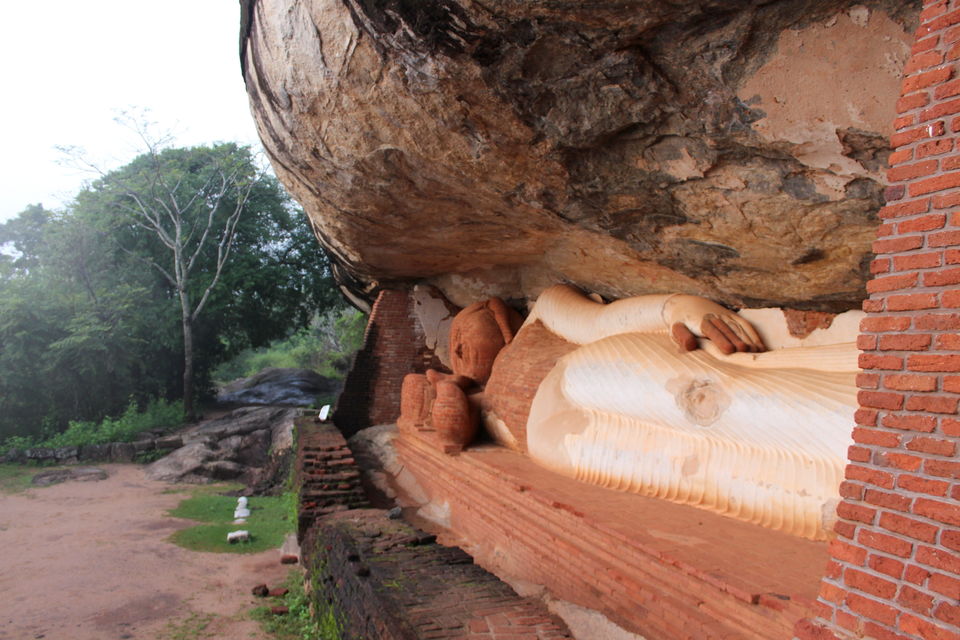
On the way to Pidurangala Rock.
Which are the best places to explore in Sri Lanka?
From the ancient cities of Anuradhapura and Sigiriya to the serene beaches of Ahangama and Bentota, Sri Lanka offers a diverse range of experiences for every traveller. Whether you’re exploring the cultural hubs like Kandy and Galle, or soaking in the natural beauty of Ella and Nuwara Eliya, Sri Lanka is a country that leaves a lasting impression on travellers.
1. Colombo
As the capital and largest city of Sri Lanka, Colombo is a vibrant metropolis where modernity meets tradition. It’s often the first stop for travellers arriving in the country and provides a fascinating introduction to Sri Lanka’s culture and history.
- Gangaramaya Temple: One of Colombo’s most important Buddhist temples, the Gangaramaya blends Sri Lankan, Thai, Indian, and Chinese architecture. It houses religious relics, statues, and an array of artefacts.
- Beira Lake: Located in the heart of the city, Beira Lake is a serene spot, perfect for boat rides or simply enjoying a quiet evening. The Seema Malaka temple on the lake is a peaceful retreat.
- Pettah Market: Colombo’s bustling Pettah Market is the best place to experience local life. You can find everything here—from fresh produce to textiles and electronics.
- Dutch Hospital: A beautifully restored colonial building, now home to upscale restaurants, cafes, and shops. It’s a lively area at night and perfect for dining and exploring.
2. Anuradhapura
Anuradhapura, one of Sri Lanka’s ancient capitals, is a UNESCO World Heritage Site and home to some of the most well-preserved ruins from Sri Lanka’s early civilisation.
- Sacred Bodhi Tree (Jaya Sri Maha Bodhi): The oldest living tree in the world with a documented history, believed to have been grown from a branch of the tree under which Buddha attained enlightenment.
- Ruwanwelisaya Stupa: One of the most revered monuments in Sri Lanka, this large white stupa is a significant religious site and stands as a testament to the island’s architectural prowess.
- Abhayagiri Monastery: A sprawling ancient monastery complex that once housed 5,000 monks. The ruins here include intricate carvings, stupas, and a large Buddha statue.
3. Sigiriya
The ancient rock fortress of Sigiriya, also known as Lion’s Rock, is one of the most famous landmarks in Sri Lanka. This UNESCO World Heritage Site rises dramatically 200 meters above the surrounding plains.
- Sigiriya Rock Fortress: Built by King Kashyapa in the 5th century, the fortress features impressive frescoes, mirror walls, and giant lion paws at the entrance. The panoramic views from the summit are breathtaking.
- Water Gardens: At the base of the rock, you’ll find the remains of the royal gardens, complete with ponds, fountains, and terraced gardens—a marvel of ancient engineering.
4. Dambulla
Located close to Sigiriya, Dambulla is best known for its stunning cave temples, which are also recognised as a UNESCO World Heritage Site.
- Dambulla Cave Temple: Also known as the Golden Temple of Dambulla, this complex of five caves houses over 150 statues of Buddha and intricate murals covering the walls and ceilings. The vibrant paintings depict scenes from Buddha’s life and are a must-see for art and history lovers.
- Ironwood Forest and Rose Quartz Mountain: Just a short drive from the temple, these natural attractions offer a peaceful retreat for those looking to connect with nature.
5. Kandy
Nestled in the hills of central Sri Lanka, Kandy is the island’s cultural capital. The city is known for its historical significance and religious landmarks.
- Temple of the Sacred Tooth Relic: This revered temple houses a tooth relic of Buddha and is considered one of the most sacred places for Buddhists. The temple complex also hosts the annual Esala Perahera festival, a grand procession with traditional dancers and decorated elephants.
- Kandy Lake: The artificial lake in the heart of the city is ideal for a peaceful stroll. It offers scenic views of Kandy and is close to many other attractions.
- Royal Botanical Gardens: Located in nearby Peradeniya, these gardens boast an extensive collection of flora from around the world. Highlights include the orchid house and the giant Javan fig tree.
6. Nuwara Eliya
Often referred to as “Little England” due to its cool climate and colonial architecture, Nuwara Eliya is the heart of Sri Lanka’s tea country.
- Tea Plantations and Factories: Visit one of the many tea estates to see how Ceylon tea is produced. You can enjoy guided tours, sample various teas, and purchase tea directly from the source.
- Gregory Lake: A scenic spot for boating or simply relaxing by the water, with a backdrop of rolling hills and lush greenery.
- Horton Plains National Park: Known for its wildlife and the famous “World’s End” cliff, which offers a dramatic view over the surrounding valleys.
7. Ella
Ella is a picturesque town surrounded by green hills and tea plantations. It’s a popular destination for both local and international travellers seeking relaxation and adventure.
- Ella Rock: A challenging but rewarding hike that offers panoramic views of the valley below.
- Nine Arches Bridge: This beautiful stone bridge, set amidst dense jungle, is a popular spot for photography, especially when a train passes over it.
- Ravana Falls: One of Sri Lanka’s most impressive waterfalls, it’s a great place to take a dip or simply admire the cascading water.
8. Yala National Park
Yala National Park is Sri Lanka’s second-largest national park and is world-renowned for its leopard population. It’s one of the best places for a wildlife safari in Asia.
- Leopard Safari: Yala has the highest leopard density in the world, making it a prime spot for wildlife photography. Aside from leopards, you’ll also spot elephants, sloth bears, crocodiles, and a variety of bird species.
- Beachside Camping: Some sections of Yala border the coast, offering the unique experience of camping near the beach while being surrounded by wilderness.
9. Trincomalee
Located on the northeastern coast, Trincomalee is famous for its pristine beaches and historical significance. It’s a perfect destination for beach lovers and history buffs alike.
- Nilaveli Beach: A beautiful stretch of golden sand, ideal for swimming, sunbathing, and snorkelling.
- Pigeon Island National Park: Just a short boat ride from Nilaveli, Pigeon Island is a haven for marine life, offering excellent opportunities for snorkelling and diving.
- Koneswaram Temple: Perched on a cliff overlooking the Indian Ocean, this Hindu temple offers stunning views and a peaceful atmosphere.
10. Ahangama
A quieter beach destination compared to Mirissa or Weligama, Ahangama is known for its laid-back vibe and beautiful coastal views.
- Stilt Fishing: The iconic sight of stilt fishermen can be seen along Ahangama’s shores. This traditional method of fishing is unique to the region and offers a glimpse into local culture.
- Surfing: Ahangama is a hotspot for surfers, with waves suitable for all levels. The uncrowded beaches make it an ideal spot for a relaxed surf session.
11. Mirissa
Mirissa is one of the most popular beach destinations in Sri Lanka, known for its lively atmosphere and whale-watching tours. Check out this detailed 4-day travel guide to Mirissa.
- Whale Watching: Between November and April, you can take a boat tour to spot blue whales, sperm whales, and dolphins off the coast of Mirissa.
- Secret Beach: A hidden gem just a short distance from the main beach, it offers a more secluded, tranquil atmosphere for swimming and relaxing.
12. Weligama
Weligama, near Mirissa, is a more laid-back beach town popular for its beginner-friendly surf breaks.
- Surfing: Weligama is one of the best places in Sri Lanka for beginner surfers. There are several surf schools offering lessons and equipment rentals.
- Taprobane Island: This small island off the coast of Weligama is home to a luxurious villa and provides a stunning backdrop for photos.
13. Galle
Galle is a charming city on the southwestern coast, best known for its well-preserved colonial architecture and the iconic Galle Fort, a UNESCO World Heritage Site.
- Galle Fort: Built by the Portuguese in the 16th century and later fortified by the Dutch, the Galle Fort is a labyrinth of cobblestone streets lined with colonial-era buildings, boutique hotels, and cafes. Walking along the fort walls at sunset is a magical experience.
- Dutch Reformed Church: One of the oldest Protestant churches in Sri Lanka, it has been beautifully maintained and offers insight into the country’s colonial past.
14. Hikkaduwa
Hikkaduwa is a lively beach town known for its coral reefs and water sports.
- Hikkaduwa Coral Reef: Snorkelling and diving are popular activities here, with vibrant coral and tropical fish just offshore.
- Hikkaduwa Beach: A long stretch of sand lined with restaurants and bars, perfect for lounging during the day and enjoying the nightlife after sunset.
15. Bentota
Known for its luxury resorts and water sports, Bentota is the perfect place for those looking to unwind by the beach.
- Bentota Beach: A long stretch of golden sand where you can sunbathe or take part in water sports like jet skiing and windsurfing.
- Brief Garden: Once the home of Bevis Bawa, a renowned landscape architect, this beautifully landscaped garden is open to the public.
Which national parks are in Sri Lanka?
From rainforests to dry savannas and coastal lagoons, Sri Lanka is home to diverse ecosystems and wildlife species. The country’s national parks are a haven for animal lovers, birdwatchers, and nature enthusiasts alike. With over 20 protected areas spread across the island, Sri Lanka’s national parks offer opportunities to witness majestic leopards, elephants, exotic birds, and much more.
1. Yala National Park
Location: Southeastern Sri Lanka
Best Time to Visit: February to June (dry season)
Famous For: Leopards, elephants, birdlife
Yala is Sri Lanka’s most popular national park, and for good reason. It is the second-largest national park in the country and boasts the world’s highest leopard density. Safari-goers flock to Yala for a chance to spot these elusive big cats. In addition to leopards, Yala is home to a large population of Sri Lankan elephants, spotted deer, sloth bears, crocodiles, and a variety of bird species.
The park is divided into five blocks, with Block 1 being the most visited. Yala’s diverse landscape includes forests, grasslands, and lagoons that border the Indian Ocean. The wildlife safaris in Yala are thrilling, and you’ll likely encounter a wide array of animals, from leopards lounging on tree branches to herds of elephants roaming the plains.
Pro Tip: Early morning and late afternoon safaris offer the best chances for wildlife sightings, especially leopards.
2. Udawalawe National Park
Location: Southern Sri Lanka
Best Time to Visit: December to October
Famous For: Elephants, water buffalo, birdwatching
If you want to witness elephants in the wild, Udawalawe National Park is one of the best places in Sri Lanka. Known for its large elephant population, Udawalawe is often compared to African savannas due to its open grasslands and scattered bushes. The park’s elephants are easy to spot, often seen bathing in reservoirs or grazing in large herds.
Udawalawe also offers fantastic birdwatching opportunities. With more than 180 species of birds recorded here, including eagles, kingfishers, and hornbills, it’s a bird lover’s paradise. In addition to elephants and birds, Udawalawe is home to water buffalo, crocodiles, jackals, and the occasional leopard.
A highlight of a visit to Udawalawe is the Udawalawe Elephant Transit Home, a conservation project that rehabilitates injured and orphaned elephants before releasing them back into the wild.
3. Wilpattu National Park
Location: Northwestern Sri Lanka
Best Time to Visit: February to October
Famous For: Leopards, sloth bears, lakes (villus)
Wilpattu National Park is the largest and one of the oldest national parks in Sri Lanka. Despite its size, it remains less crowded than Yala, making it a more tranquil experience for wildlife enthusiasts. The park is characterised by natural lakes called “villus,” which are a unique feature of Wilpattu’s landscape. These lakes attract a variety of wildlife, including elephants, spotted deer, waterfowl, and crocodiles.
Wilpattu is also known for its leopard population. Though leopards here are more elusive compared to Yala, the park’s quieter atmosphere increases the chance of spotting them. Additionally, Wilpattu is one of the best places in Sri Lanka to see sloth bears.
Pro Tip: Wilpattu is great for those who prefer a quieter safari experience away from the larger crowds.
4. Horton Plains National Park
Location: Central Highlands of Sri Lanka
Best Time to Visit: January to March (dry season)
Famous For: Scenic hiking trails, endemic flora and fauna, World’s End
Unlike the typical safari parks, Horton Plains National Park offers a different kind of adventure—trekking through misty highlands, cloud forests, and grassy plains. Situated in the central highlands, this UNESCO World Heritage Site is the highest plateau in Sri Lanka, offering a cooler climate and stunning scenery. The park is best known for World’s End, a dramatic 870-meter cliff with breathtaking views of the plains below. On a clear day, you can see as far as the southern coastline.
Horton Plains is also home to a variety of endemic species, including the Sri Lankan whistling thrush and the purple-faced langur. You may also spot sambar deer grazing in the meadows. While Horton Plains is less about big-game wildlife, it is ideal for hikers and nature lovers seeking a peaceful, scenic experience.
Pro Tip: The best time to visit World’s End is early morning, before the clouds roll in and obscure the views.
5. Kaudulla National Park
Location: North Central Province, near Polonnaruwa
Best Time to Visit: August to December
Famous For: The elephant gathering, birdwatching
Located near the ancient city of Polonnaruwa, Kaudulla National Park is one of Sri Lanka’s newer national parks, and it’s famous for its large elephant gatherings. During the dry season, elephants from surrounding areas migrate to the Kaudulla Reservoir, creating one of the largest gatherings of elephants in the country. This spectacle is second only to Minneriya’s elephant gathering.
Kaudulla is part of the elephant corridor linking it to nearby Minneriya National Park, so it’s common to spot herds of elephants moving between the two parks. In addition to elephants, Kaudulla is home to a variety of wildlife, including deer, monkeys, and birds such as painted storks and pelicans.
6. Minneriya National Park
Location: North Central Province
Best Time to Visit: July to October (for elephant gathering)
Famous For: The Elephant Gathering
Minneriya is synonymous with the famous Elephant Gathering, one of Sri Lanka’s most spectacular wildlife events. During the dry season, hundreds of elephants congregate at the Minneriya Reservoir to drink, bathe, and socialise. This natural phenomenon draws wildlife photographers and tourists from around the world. It’s an unforgettable experience to see so many elephants in one place, including young calves playing in the water.
Minneriya’s landscapes are made up of grasslands, forests, and wetlands, offering a variety of wildlife beyond elephants. You may also spot leopards, sambar deer, and an array of bird species.
7. Bundala National Park
Location: Southeastern coast of Sri Lanka
Best Time to Visit: October to March (for migratory birds)
Famous For: Birdwatching, flamingos, salt marshes
Bundala National Park is a haven for birdwatchers and one of Sri Lanka’s most important wetlands. The park’s coastal lagoons, salt pans, and mangroves attract a wide variety of migratory birds, including greater flamingos, painted storks, and spoonbills. Over 200 bird species have been recorded here, making it a designated Ramsar Wetland Site.
While birds are the main draw, Bundala is also home to elephants, crocodiles, and a few leopards. The landscape here is unique, with a mix of salt marshes, scrublands, and dunes that give Bundala a distinctive coastal charm.
Pro Tip: Visit Bundala during the migratory bird season to witness flocks of flamingos and other exotic bird species.
8. Gal Oya National Park
Location: Eastern Sri Lanka
Best Time to Visit: March to July
Famous For: Boat safaris, elephants swimming
Gal Oya National Park offers one of the most unique safari experiences in Sri Lanka—a boat safari on the Senanayake Samudra Reservoir. During the boat safari, you may witness elephants swimming between the islands in the reservoir, which is a rare and unforgettable sight. The park is also home to a range of other wildlife, including leopards, sloth bears, and various birds.
Gal Oya is less visited than some of the more famous parks, which makes it ideal for travellers looking to escape the crowds and enjoy a more remote wilderness experience.
9. Sinharaja Forest Reserve
Location: Southwestern Sri Lanka
Best Time to Visit: January to April
Famous For: Biodiversity, endemic species, rainforests
A UNESCO World Heritage Site, Sinharaja Forest Reserve is Sri Lanka’s last remaining primary tropical rainforest. It’s one of the country’s most important biodiversity hotspots, teeming with endemic plants, birds, and animals. Unlike the open landscapes of other national parks, Sinharaja is dense, lush, and vibrant.
This park is particularly renowned for birdwatching, with over 20 endemic bird species. You might also spot purple-faced langurs, giant squirrels, and various reptiles. Trekking through the rainforest is the best way to experience Sinharaja’s magic, with local guides helping you spot hidden wildlife amidst the thick foliage.
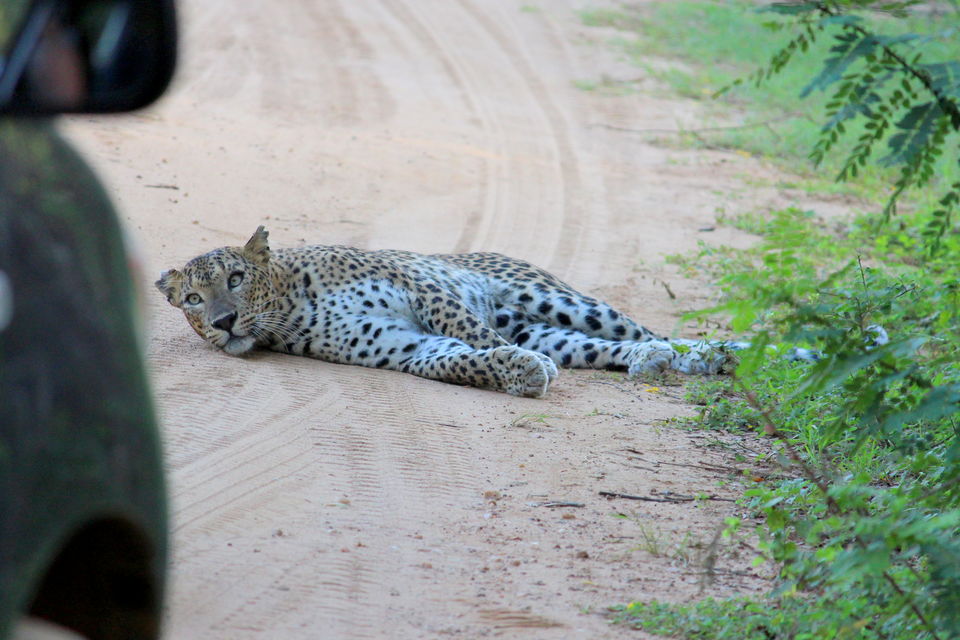
Shot of a leopard that I spotted in Yala.
Needless to say, Sri Lanka is a treasure trove of diverse landscapes, rich history, and vibrant culture. Whether you’re drawn to wildlife safaris, scenic train rides, or exploring UNESCO World Heritage Sites, Sri Lanka promises an unforgettable experience.
While I’ve already visited the country twice, I am counting the days until I go back! I also know about a Turtle Conservation Volunteering Program in Sri Lanka, where I would like to spend a week or two during my next visit.
If you’re planning a trip soon, I hope this travel guide to Sri Lanka has been helpful! I’ve also listed the 15 best experiences in Sri Lanka, which you can add to your travel bucket list.
And if you’ve already travelled to Sri Lanka, let me know about your favourite travel experiences – I’d love to hear from you 🙂
Disclaimer: This post contains a few affiliate links. If you click any of them and make a purchase, I might earn a small commission at no extra cost to you. Just know that I truly appreciate your support if you choose to do so.
Tags:
Share:


About Me
I travel to collect stories, slowly and meaningfully, with an open heart. I wander a little farther for good food, linger longer to understand a place, and write so I can call it “work.” A slow traveller at heart, I believe in experiences over checklists, in moments that unfold at their own pace, and in connections that stay long after the journey ends.
An absolute foodie and die-hard mountain lover, I find my happiest moments in quiet Himalayan towns with a cup of lemon-honey-ginger tea in hand. Over the years, I’ve had the joy of exploring places across India and beyond, each trip teaching me something new about people, cultures, and myself. When I’m not lost in thought or coffee, you’ll find me exploring the world one destination at a time, always looking for places that make me feel something. I love to read and write (give me a book and I’ll love you all the more) and share honest insights, real photos, and thoughtful recommendations from my own travels, so you can experience every place a little deeper, a little slower, and with just the right touch of comfort.
 Pinterest
  Linkedin
  MuckRack
Exploring The World, One Place At a Time!