
Best Things to Do in Hanoi, Vietnam | Travel Guide
I’ve been to Hanoi three times now, and somehow, when I’m asked, “What are the best things to do in Hanoi?”, I am often lost, wondering what exactly I should mention! Every visit to this city, has revealed something new – whether it’s a hidden alley lined with street food stalls, a quiet café tucked behind colonial buildings, or a neighbourhood I had somehow overlooked before. That’s the beauty of Hanoi, I guess!
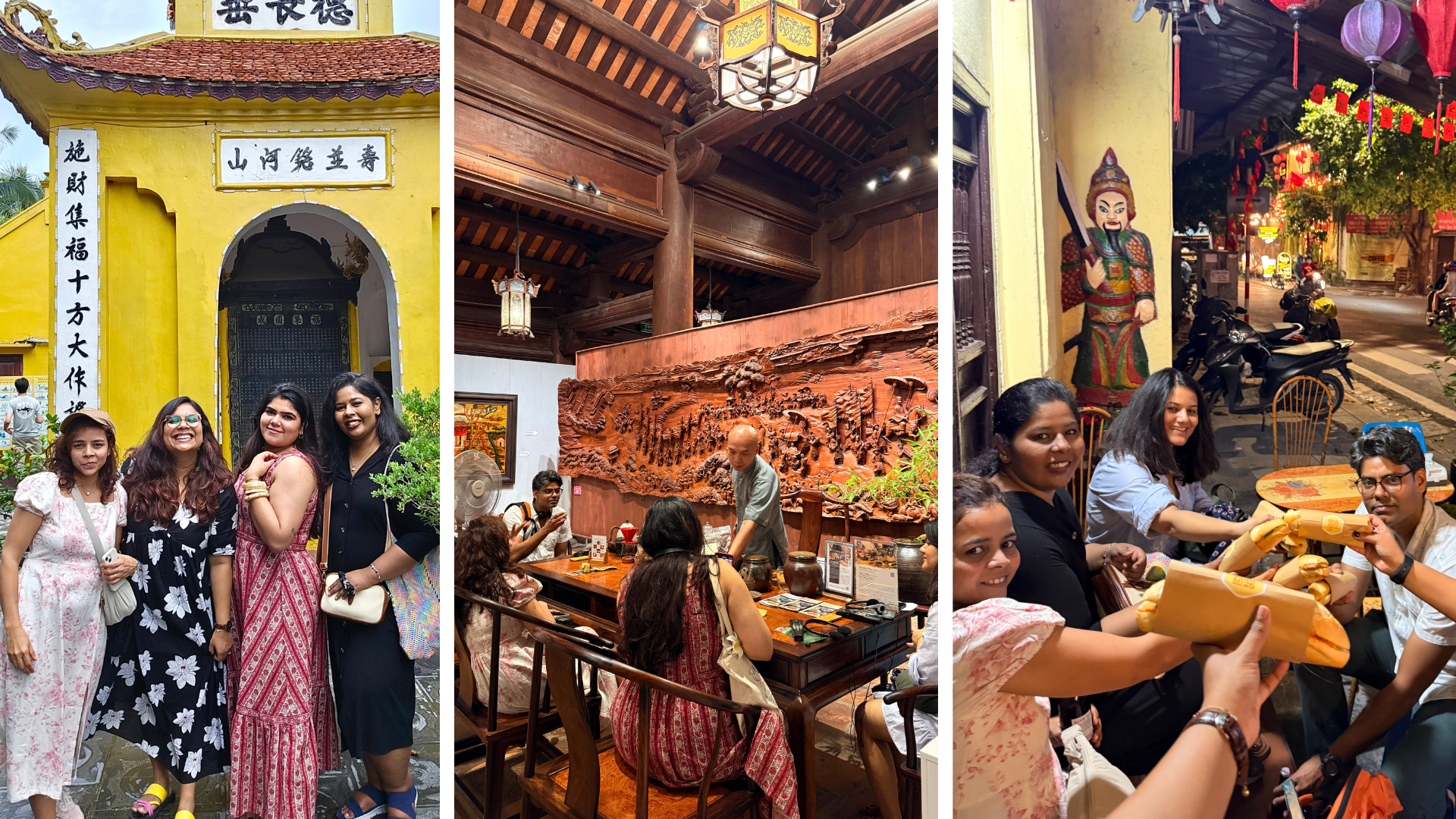 (The above photograph is from the group trip to Vietnam that I hosted in October 2025.)
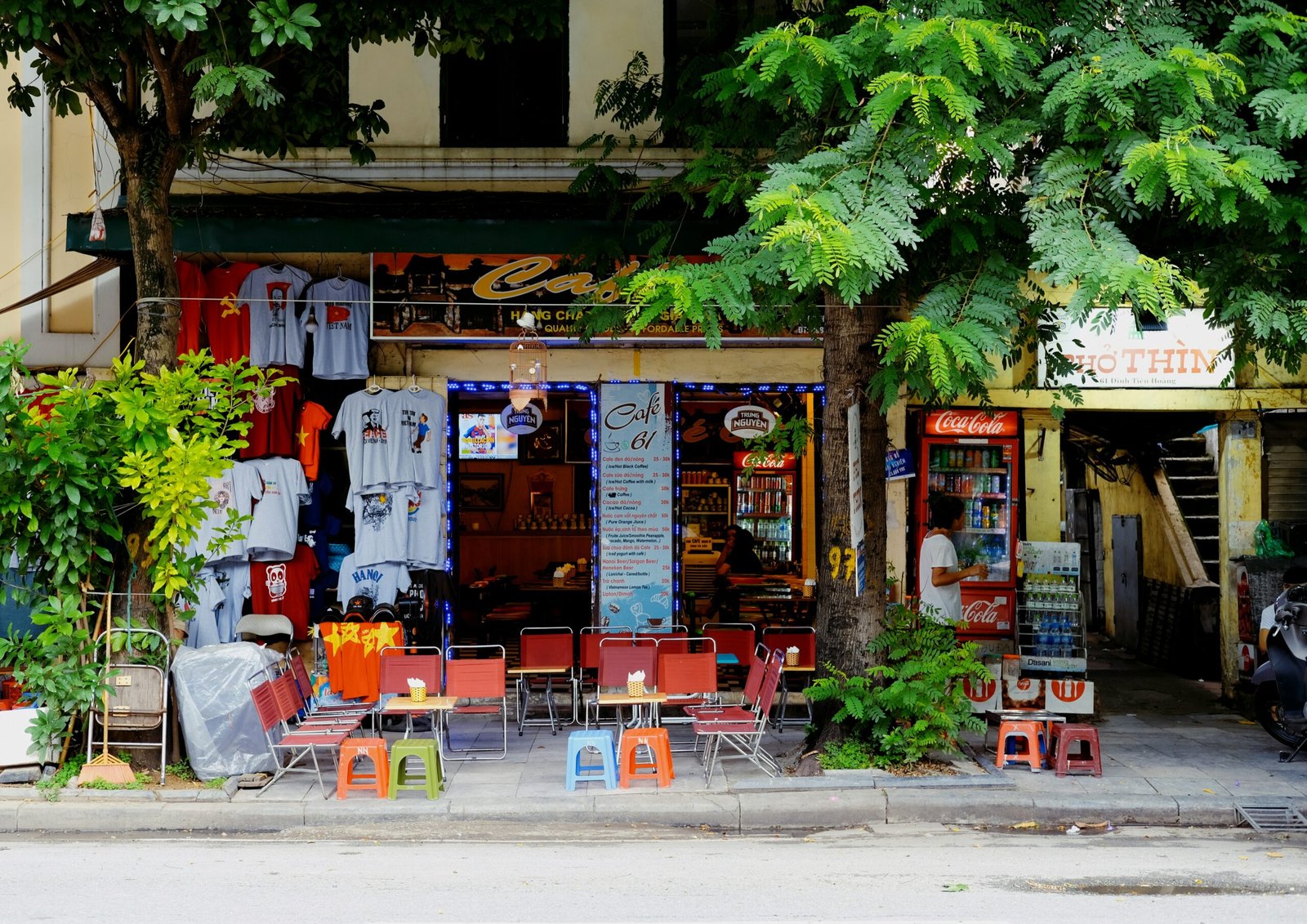
The first lesson Hanoi teaches you is how to cross the road! You stand at the edge of a busy intersection in the Old Quarter, watching an endless stream of scooters weave past one another with remarkable precision. There are no obvious gaps, no traffic signals you can rely on, and for a moment, stepping forward feels impossible. Then you notice a local calmly making their way across the street, moving at an unhurried pace as the traffic effortlessly flows around them. That’s when you realise the apparent chaos isn’t chaos at all—it’s a rhythm, and once you trust it, you become a part of it.
That perfectly sums up Hanoi. At first glance, it’s loud, fast-paced, and wonderfully overwhelming. But spend a little time here, and the city’s layers begin to unfold. Ancient temples sit beside French colonial architecture, the aroma of street food lingers on every corner, and life spills onto the pavements in the most fascinating ways.
It’s a city that never seems to pause, yet somehow invites you to slow down and soak it all in!
Why should you visit Hanoi?
Whether you’re visiting Vietnam for the first time or returning for another adventure, here’s why Hanoi deserves a place on your itinerary.
1. There’s a fascinating blend of history and culture
With over a thousand years of history, Hanoi beautifully preserves its heritage while embracing modern life. Ancient temples, centuries-old pagodas, French colonial buildings, and Soviet-era architecture all coexist within the same city.
Note: Wander through the Old Quarter, visit historic landmarks, and you’ll notice how every street has a story waiting to be discovered.
2. It’s one of Southeast Asia’s best street food destinations
If you enjoy eating your way through a destination, Hanoi won’t disappoint. In fact, I can say that I’ve had some of the best meals of my life in this city! From steaming bowls of pho and smoky bún chả to crispy bánh mì and the city’s famous egg coffee, every meal feels like an experience.
Note: Many of the city’s best meals are served at humble roadside stalls that have perfected a single dish over generations.
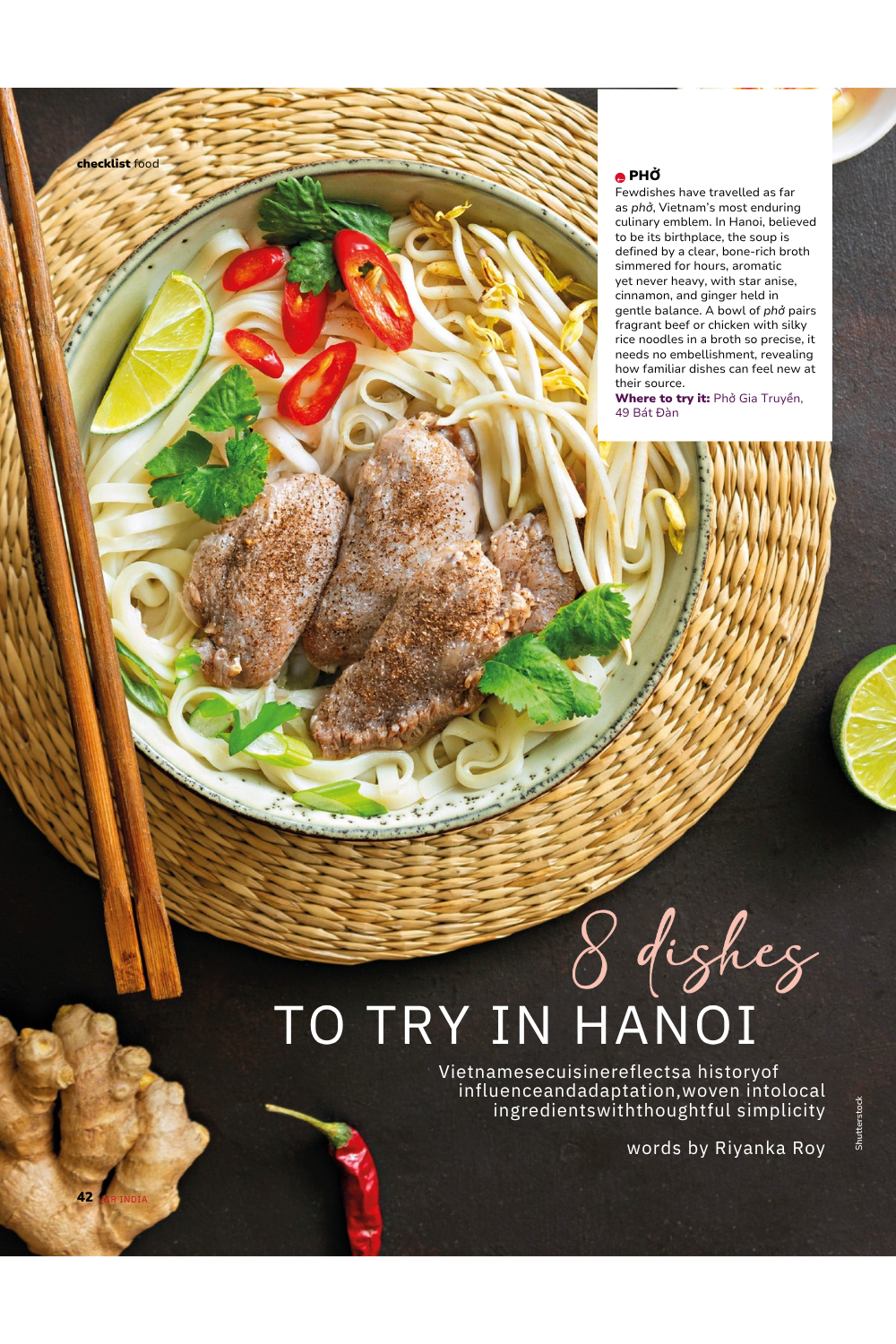
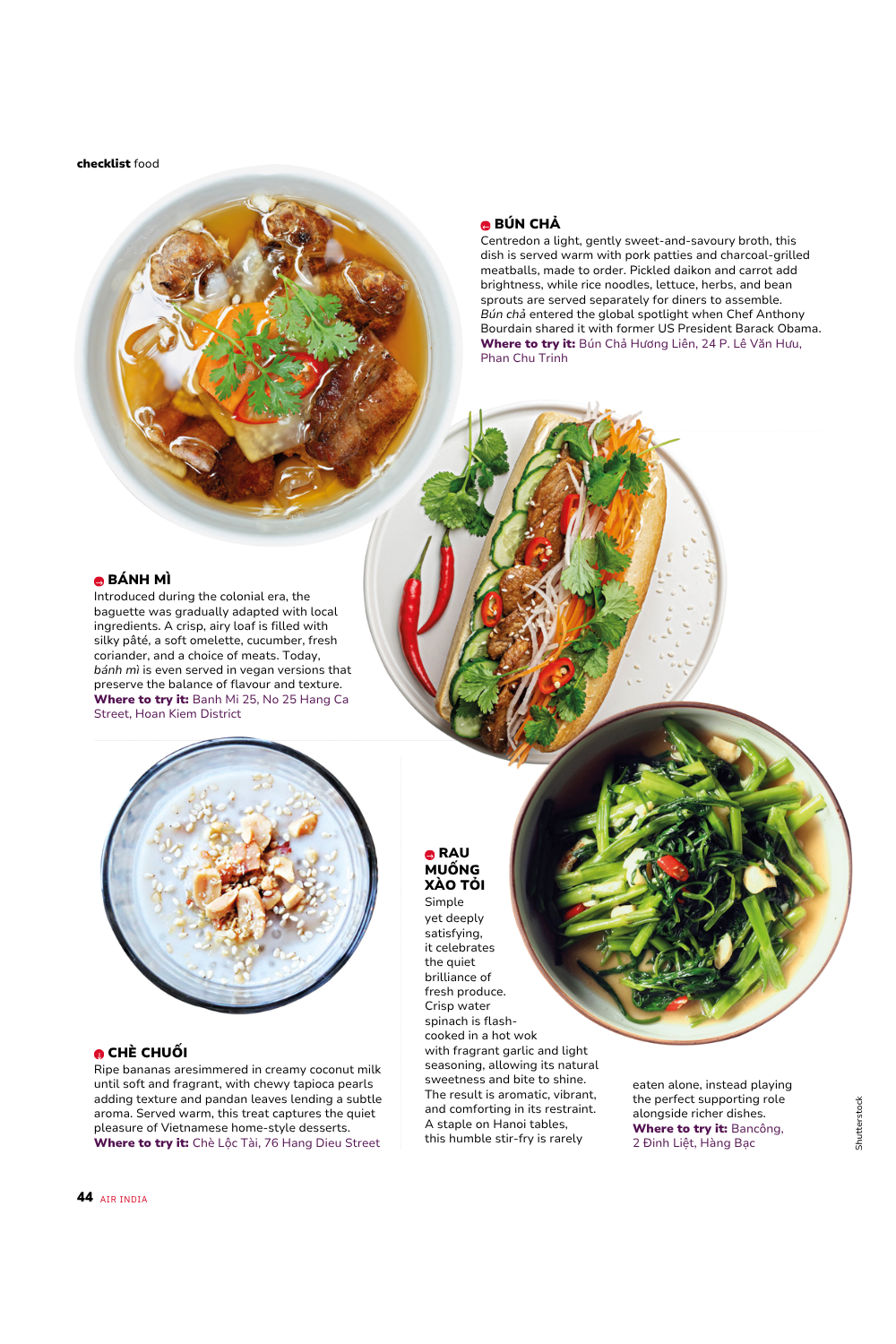
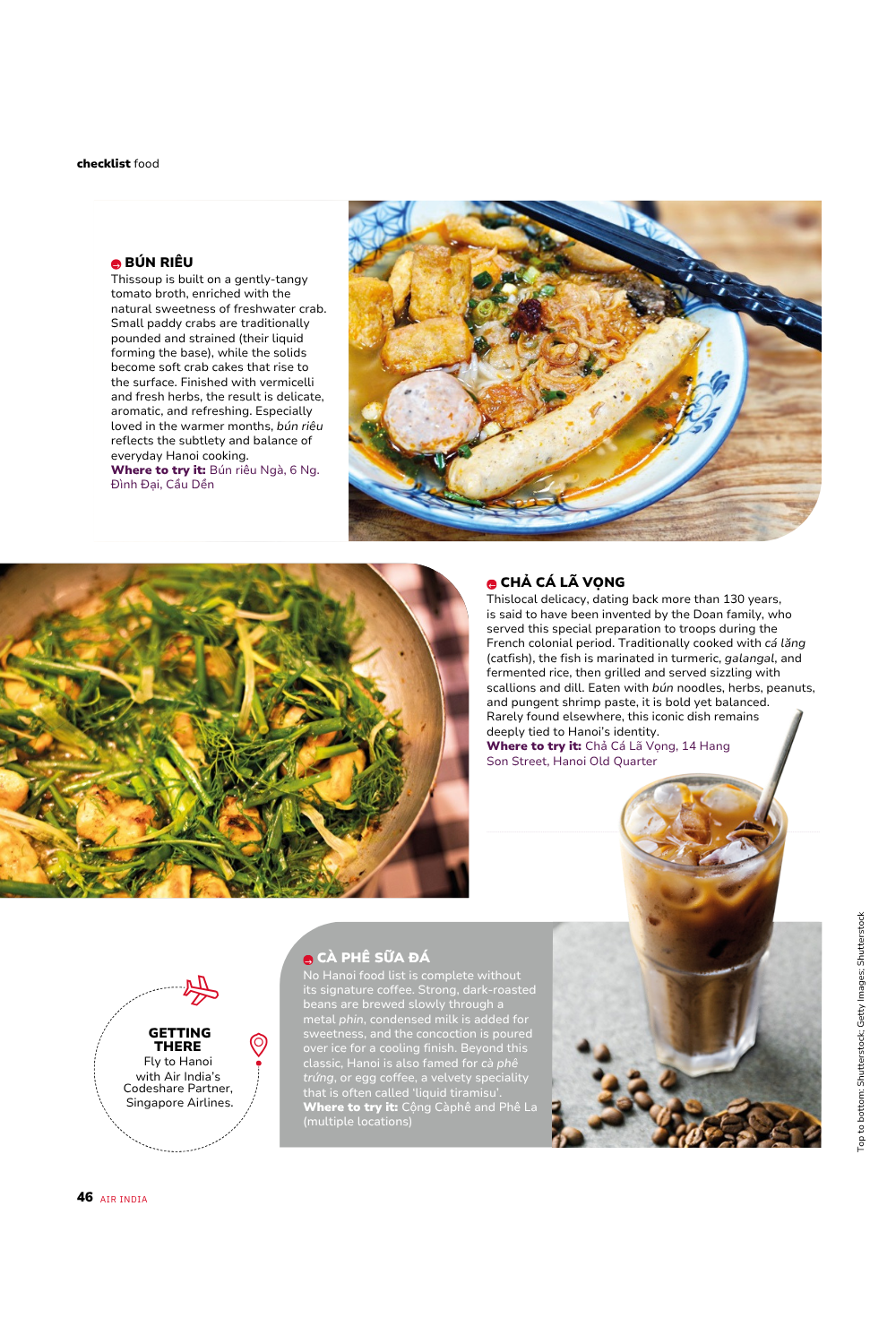
(Snippet of Hanoi Food Guide, AirIndia in-flight magazine.)
3. It’s a city full of characters
Hanoi is lively, energetic, and wonderfully unpredictable. The constant hum of scooters, bustling local markets, lakeside walks, tiny cafés, and people gathering on sidewalks create an atmosphere unlike anywhere else.
Note: Simply sitting at a street-side café and watching the city go about its day can become one of the highlights of your trip.
4. You can soak in the coffee culture
Coffee is deeply woven into Hanoi’s culture. Beyond the famous egg coffee, the city is filled with hidden cafés inside old apartments, rooftop terraces, garden cafés, and vintage spaces that invite you to slow down.
Note: Some of Hanoi’s most charming cafés are tucked away in narrow alleyways or hidden behind unassuming entrances.
5. Hanoi is one of the most affordable places to visit!
Compared to many popular Asian capitals, Hanoi offers excellent value for money. Accommodation, food, transportation, and sightseeing are all relatively inexpensive, making it ideal for both budget travellers and those looking for luxury at reasonable prices.
Note: It’s possible to enjoy an excellent local meal for just a few dollars while staying in boutique hotels that don’t break the bank.
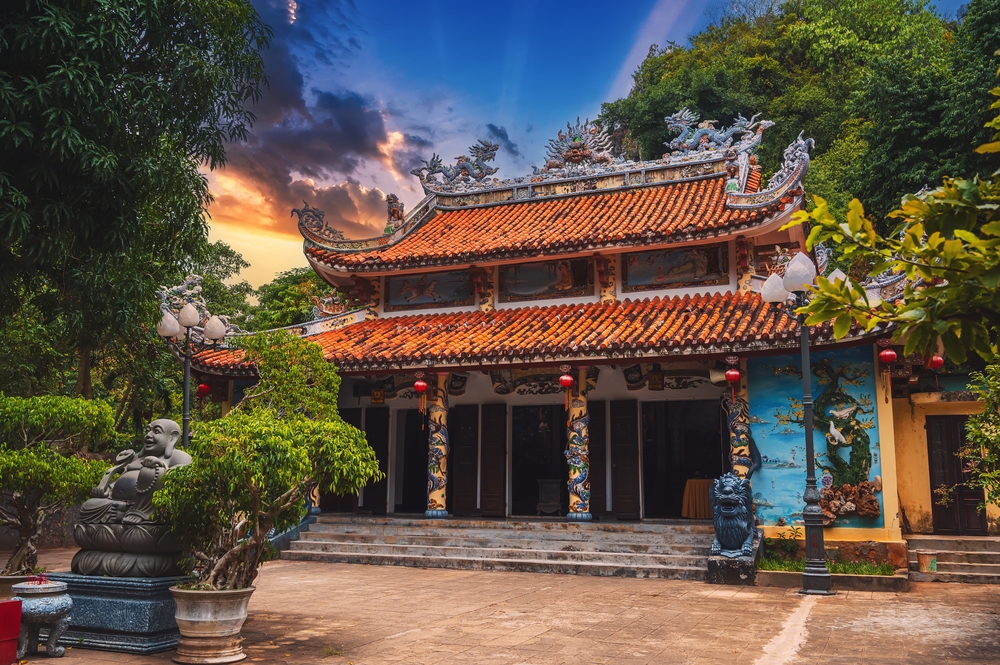
6. Every corner is Insta-worthy!
From colourful flower vendors balancing baskets on bicycles to colonial architecture, vibrant markets, peaceful temples, and lantern-lit streets, Hanoi offers endless photography opportunities. If you want to add some colours to your ‘gram, Hanoi is the place to be!
Note: Early mornings around Hoan Kiem Lake and the Old Quarter provide some of the city’s most atmospheric scenes.
7. It’s rich local experiences
Here, you’ll get to experience the local life, while travelling. Join a cooking class, learn to make egg coffee, watch a traditional water puppet show, or explore the city on a guided street food tour.
Note: These experiences offer a deeper understanding of Vietnamese traditions and everyday life.
8. You can easily explore on foot
Many of Hanoi’s major attractions are concentrated around the Old Quarter and Hoan Kiem Lake, making it a rewarding city to explore at your own pace.
Note: Some of the best discoveries happen when you leave Google Maps behind and wander through the narrow lanes of Hanoi.
9. You can make it your base and explore Northern Vietnam
Hanoi serves as the perfect starting point for exploring northern Vietnam. From here, you can easily visit Ha Long Bay, Ninh Binh, Sapa, Mai Chau, or Ha Giang.
Note: Spending three to four days in Hanoi before continuing your journey offers the perfect balance of city exploration and regional adventures.
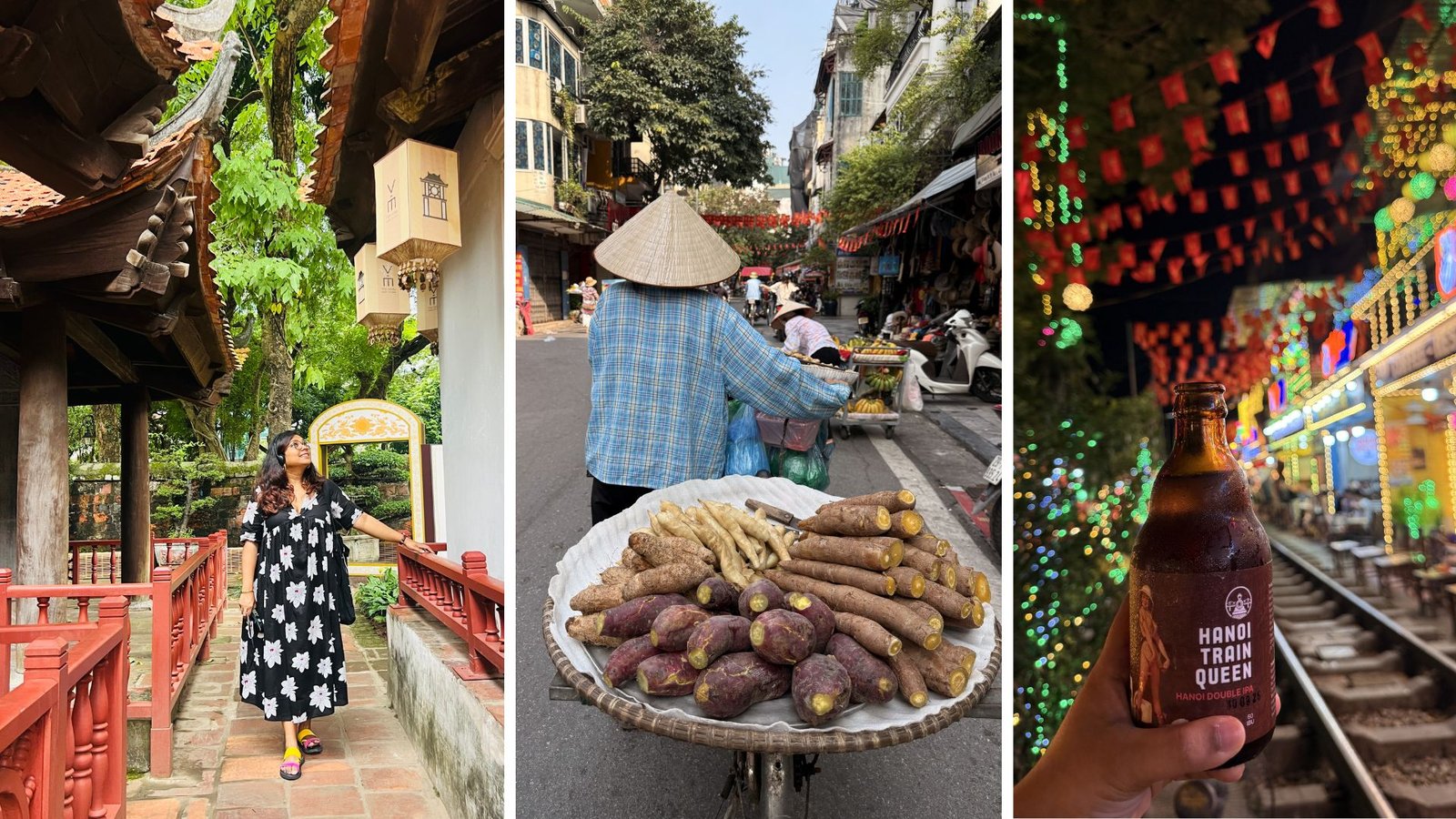
Where to stay in Hanoi?
Choosing the right neighbourhood can make a big difference to your experience in Hanoi. Whether you’re visiting for the first time, travelling on a budget, or looking for a luxurious escape, there’s an area to suit every style of traveller.
Old Quarter – Best for First-Time Visitors
If you’re visiting Hanoi for the first time, I’d recommend staying in or around the Old Quarter. Almost everything you’ll want to see is within easy reach, the city’s famous street food is right on your doorstep, and you’ll experience Hanoi’s vibrant energy from the moment you step outside your hotel. You’ll be within walking distance of major attractions like Hoan Kiem Lake, St. Joseph’s Cathedral, and countless cafés, restaurants, and street food stalls. The area is lively from morning until late at night, making it perfect if you want to be in the heart of the action.
If you prefer a quieter stay without being far from the action, choose a hotel near Hoan Kiem Lake.
French Quarter – Best for Luxury
Characterised by elegant French colonial buildings, tree-lined boulevards, and upscale hotels, the French Quarter offers a more refined side of Hanoi. It’s home to luxury accommodations, fine dining restaurants, and cultural landmarks like the Hanoi Opera House.
Best for: Luxury travellers, honeymooners, and those seeking a quieter stay.
West Lake (Tay Ho) – Best for Long Stays
West Lake offers a peaceful escape from Hanoi’s bustling city centre. With lakeside cafés, international restaurants, boutique hotels, and a relaxed atmosphere, it’s a favourite among expats and digital nomads.
Best for: Longer stays, remote workers, and travellers looking for a quieter neighbourhood.
When is the best time to visit Hanoi?
The best time to visit Hanoi is during autumn (September to November) and spring (March to April), when the weather is pleasant, the humidity is low, and the city is perfect for sightseeing on foot.
- September to November (Autumn): Cool temperatures, clear skies, and beautiful streets make this the best season to explore Hanoi. This is one of Hanoi’s busiest tourist seasons, so book hotels and flights well in advance.
- March to April (Spring): Mild weather and blooming flowers create ideal conditions for walking tours and outdoor attractions. Occasional light showers can occur, so carrying a small umbrella is a good idea.
- May to August (Summer): Summers in Hanoi are hot, humid, and often accompanied by afternoon thunderstorms. While sightseeing during midday can be tiring, mornings and evenings remain enjoyable. But this is also great for budget travellers as hotels are more affordable.
- December to February (Winter): The pleasant weather makes it a cosy time to enjoy Hanoi’s cafés, street food, and quieter attractions.
Note: If you’re visiting Hanoi for the first time, plan your trip between September and November for the most comfortable weather and the best overall experience.
How many days are ideal for exploring Hanoi?
I recommend spending 3 to 4 days in Hanoi. It’s just enough time to experience the city’s iconic landmarks, dive into its incredible street food scene, wander through the charming lanes of the Old Quarter, and discover hidden cafés and local markets at a leisurely pace.
Of course, you could tick off the major attractions in a day or two, but Hanoi isn’t a city that should be rushed. Also, as I’ve mentioned above, if you’re planning to visit Ha Long Bay or Ninh Binh, use Hanoi as your base and add a day before or after your trip. Trust me, you’ll appreciate having extra time to soak in the city’s unique charm.
How to travel within Hanoi?
Getting around Hanoi is surprisingly easy, thanks to its affordable transportation options. Whether you’re exploring the Old Quarter or venturing to attractions around the city, there’s a mode of transport to suit every traveller.
Walk
Many of Hanoi’s top attractions, including the Old Quarter, Hoan Kiem Lake, St. Joseph’s Cathedral, and several museums, are within walking distance of one another. Walking is the best way to soak in the city’s vibrant atmosphere and stumble upon hidden cafés, street food stalls, and local markets.
Note: Sidewalks are often shared with parked scooters and vendors, so be prepared to walk on the edge of the road occasionally.
Take a Grab
Grab is the easiest and most reliable way to get around Hanoi. You can book both motorbike taxis (GrabBike) and cars (GrabCar) through the app, with fares displayed upfront, eliminating the need to negotiate prices.
Note: GrabBike is usually faster during peak traffic and is a fun way to experience Hanoi like a local.
Rent a Motorbike
If you’re an experienced rider with an appropriate licence, renting a motorbike offers the freedom to explore beyond the city centre.
Note: Hanoi’s traffic can be overwhelming for first-time riders, so this option is best suited to confident motorcyclists.
Note: A combination of walking and GrabBike or GrabCar is all you’ll need! Walk whenever you’re exploring the Old Quarter, and use Grab for attractions that are farther apart—it’s affordable, convenient, and the easiest way to navigate Hanoi’s busy streets!
What are the best things to do in Hanoi?
Whether you’re a history buff, a foodie, or someone who simply enjoys getting lost in a new city, Hanoi has something for everyone. Here are the experiences I believe you shouldn’t miss.
1. Wander Through the Old Quarter
If there’s one place that captures the essence of Hanoi, it’s the Old Quarter. Dating back over 1,000 years, this bustling neighbourhood is a maze of narrow streets, each historically dedicated to a particular trade, from silk and jewellery to herbal medicine and bamboo products. Today, those traditions blend seamlessly with trendy cafés, boutique stores, art galleries, and some of the city’s best street food.
Don’t miss: Train Street (if open), hidden cafés, souvenir shopping, and the vibrant nightlife around Ta Hien Street.
2. Walk Around Hoan Kiem Lake
Located in the centre of the city, Hoan Kiem Lake is where locals come to exercise, socialise, and unwind. Visit early in the morning to watch tai chi sessions or in the evening when the area comes alive with street performances and families enjoying the cooler weather. Don’t skip the Ngoc Son Temple, the Huc Bridge, and the beautiful sunset views.
3. Visit the Temple of Literature
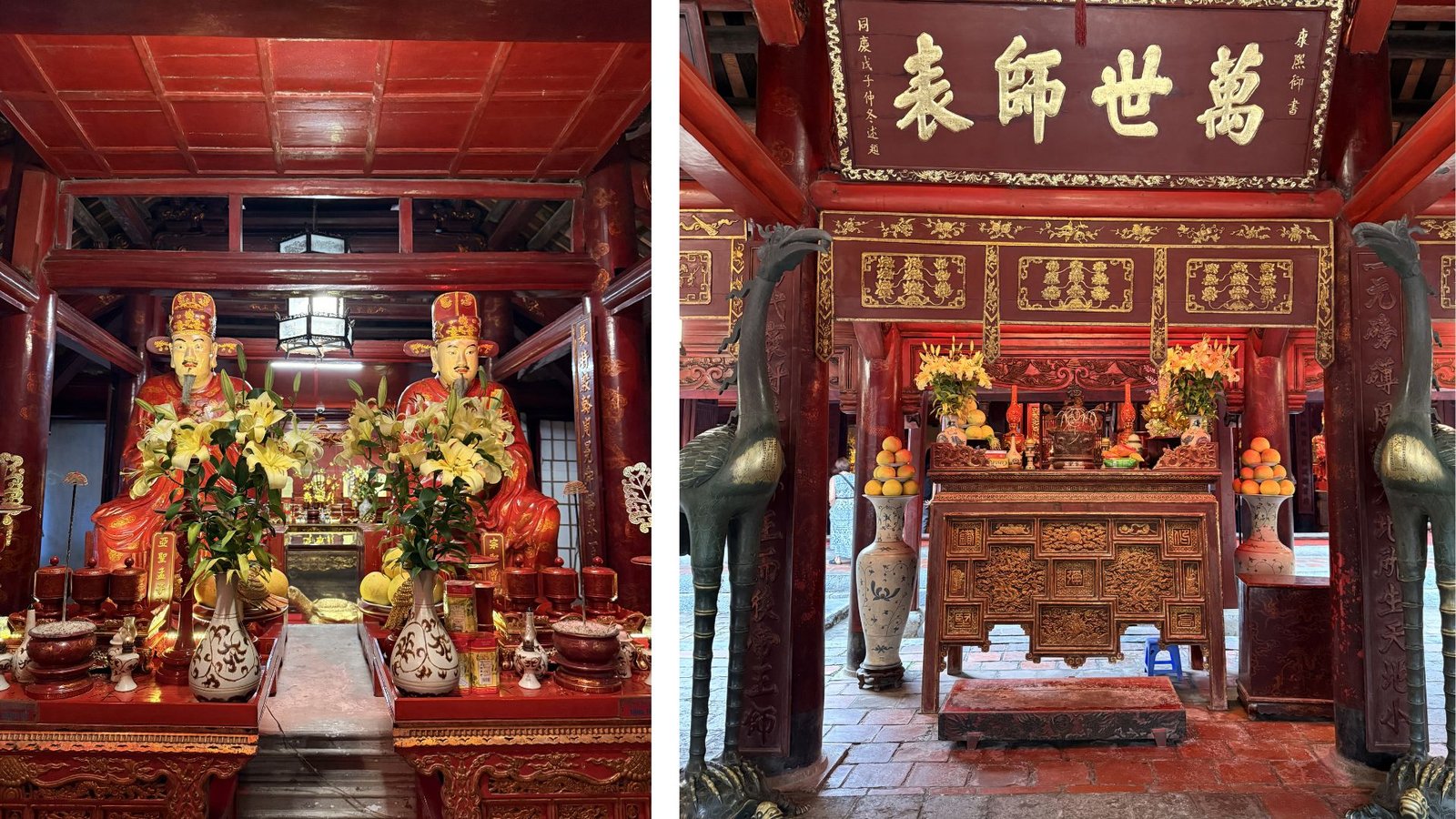
This is one of my favourite spots in the city! Built in 1070, the Temple of Literature is one of Vietnam’s most treasured historical landmarks and was home to the country’s first university. Dedicated to Confucius, it educated scholars, princes, and mandarins for centuries.
As you walk through its elegant courtyards, lotus ponds, and beautifully preserved pavilions, you’ll discover stone stelae resting on turtle statues that honour successful doctoral candidates from centuries past. It’s a fascinating glimpse into Vietnam’s long-standing respect for education and scholarship.
Tip: I would recommend taking the audio guide here, and try to stay back for the Light and Sound Show!
4. Explore Tran Quoc Pagoda
Gracefully rising beside the tranquil waters of West Lake, Tran Quoc Pagoda is Hanoi’s oldest Buddhist temple, with a history spanning over 1,500 years. Its elegant red stupa, centuries-old Bodhi tree, and peaceful setting make it one of the city’s most photogenic landmarks.
Unlike many temples that attract large crowds, Tran Quoc feels remarkably serene, offering visitors a chance to pause and appreciate Hanoi’s spiritual side.
Best time to visit: Late afternoon or sunset, when the golden light reflects beautifully across the lake.
5. Visit Quan Thanh Temple
Often overlooked by visitors, Quan Thanh Temple is one of Hanoi’s Four Sacred Temples, built to protect the ancient capital from evil spirits. Dedicated to Tran Vu, the Taoist deity of the north, the temple houses an impressive four-tonne bronze statue crafted in the 17th century.
Intricate wood carvings, incense-filled halls, and peaceful courtyards make this a rewarding stop for anyone interested in Vietnam’s religious traditions.
6. Discover One Pillar Pagoda
One of Vietnam’s most iconic landmarks, the One Pillar Pagoda was built in the 11th century and stands on a single stone pillar rising from a lotus pond.
Good to know: The pagoda is located close to Ho Chi Minh Mausoleum, making it easy to combine both attractions in one visit.
7. Visit Ho Chi Minh Mausoleum & Presidential Complex
One of Hanoi’s most significant historical sites, the Ho Chi Minh Complex includes the mausoleum, Ho Chi Minh’s stilt house, gardens, and museum.
Note: Dress modestly and arrive early, as queues can be long.
8. Explore Hoa Lo Prison Museum
Originally built by the French colonial government in the late 19th century, Hoa Lo Prison was used to imprison Vietnamese revolutionaries before later housing American prisoners of war during the Vietnam War.
Today, the museum presents a powerful and emotional account of Vietnam’s struggle for independence. Original prison cells, historical photographs, and personal accounts provide a sobering but important insight into the country’s past.
9. Watch a Traditional Water Puppet Show
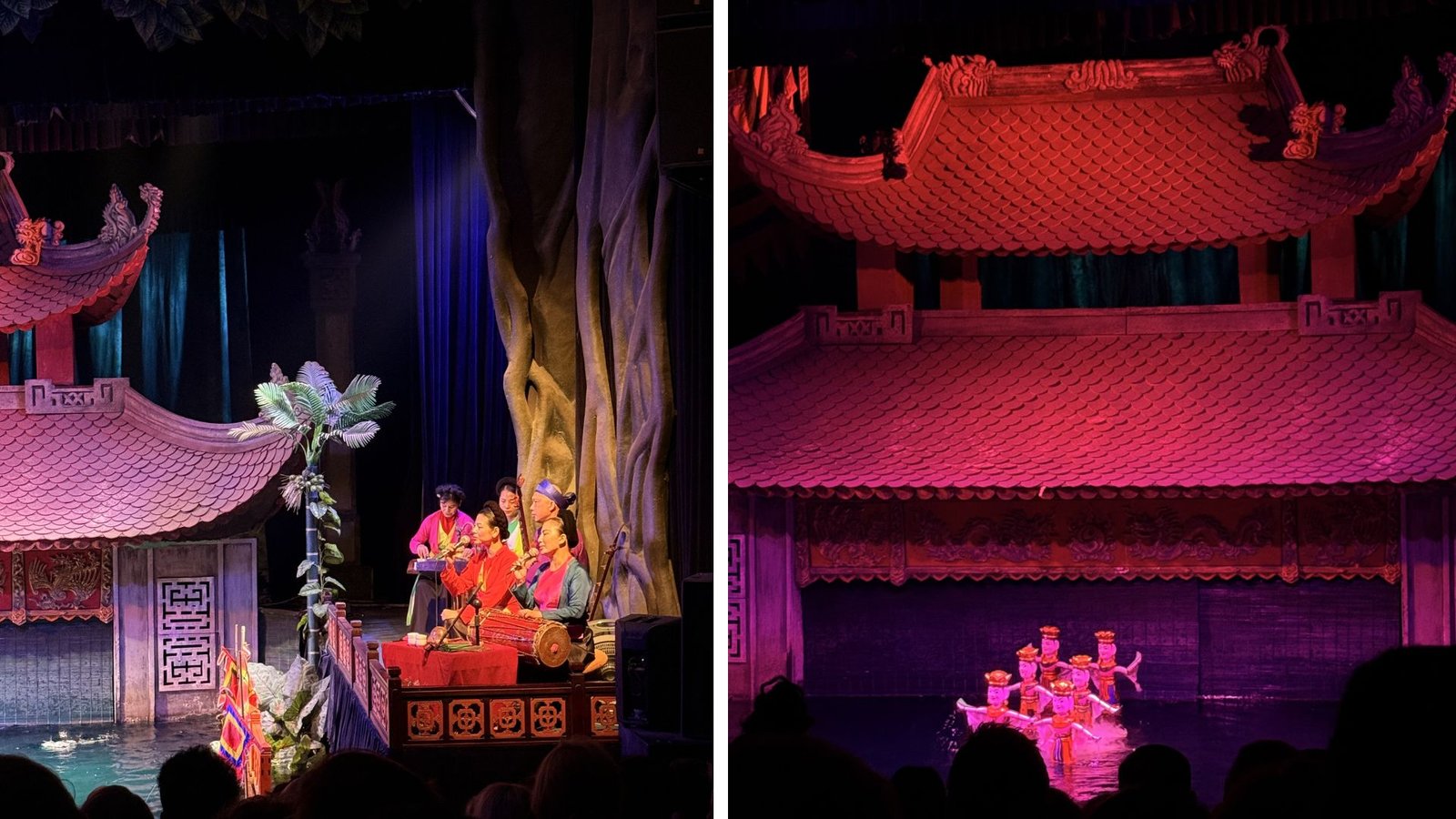
Unique to northern Vietnam, water puppetry dates back nearly a thousand years, when farmers entertained one another in flooded rice fields. Wooden puppets glide effortlessly across the water, accompanied by live traditional music and folk storytelling.
Even if you don’t understand Vietnamese, the performances are visually captivating and offer a wonderful introduction to the country’s folklore and rural traditions.
Best venue: Thang Long Water Puppet Theatre.
10. Visit the Imperial Citadel of Thang Long
Recognised as a UNESCO World Heritage Site, the Imperial Citadel served as the political centre of Vietnam for over 13 centuries. Excavated foundations, royal palaces, ancient gates, and underground military bunkers reveal layer upon layer of the country’s fascinating history.
History enthusiasts could easily spend several hours exploring this vast archaeological complex.
11. Explore the Vietnam Museum of Ethnology
Vietnam is home to 54 officially recognised ethnic groups, and this excellent museum celebrates their unique traditions, languages, architecture, clothing, and customs.
The outdoor section is particularly impressive, featuring full-scale traditional houses that visitors can walk inside. It’s one of the best places to appreciate the incredible cultural diversity beyond Hanoi.
Allow at least 2–3 hours for your visit.
12. Visit St. Joseph’s Cathedral
Standing proudly in the heart of the Old Quarter, St. Joseph’s Cathedral is one of Hanoi’s finest examples of French colonial architecture. Its neo-Gothic façade, colourful stained-glass windows, and lively square create a striking contrast to the traditional Vietnamese streets surrounding it.
Don’t miss: Enjoy an egg coffee at one of the nearby cafés while admiring the cathedral.
13. Experience Hanoi’s Incredible Street Food
Food isn’t just something you eat in Hanoi, but it’s woven into everyday life. Plastic stools spill onto pavements, charcoal grills send fragrant smoke into the air, and generations-old family recipes continue to draw loyal customers.
Whether it’s a steaming bowl of pho for breakfast, smoky bún chả for lunch, crispy bánh mì on the go, or creamy egg coffee in the afternoon, every meal tells a story about the city’s culinary heritage.
Tip: Join a guided street food tour on your first evening to discover hidden local favourites.
14. Eat at Bun Cha Huong Lien (The Obama & Anthony Bourdain Restaurant)
Few restaurants have achieved global fame quite like Bun Cha Huong Lien. It was here that Anthony Bourdain shared a memorable meal with former U.S. President Barack Obama during his visit to Vietnam in 2016, putting this humble local eatery firmly on the culinary map.
Order the famous ‘Obama Combo’, and you’ll enjoy the same classic meal of smoky grilled pork, rice noodles, crispy spring rolls, and cold beer. The table where they dined has even been preserved as a small tribute.
Why visit: It’s an iconic food stop and a must for fans of Anthony Bourdain.
15. Watch the Sunset at West Lake
Far removed from the hustle of the Old Quarter, West Lake offers a slower, more relaxed side of Hanoi. The expansive waterfront is lined with cafés, restaurants, and walking paths, making it an ideal place to end the day. As the sun sets, locals gather to cycle, exercise, or simply enjoy the cool evening breeze.
Why visit: It’s one of the most peaceful spots in Hanoi and a favourite among locals.
16. Visit Dong Xuan Market
As Hanoi’s largest traditional market, Dong Xuan offers an authentic glimpse into local commerce. Inside its bustling halls, you’ll find everything from textiles and handicrafts to fresh produce, spices, household goods, and souvenirs.
It’s a lively place to experience the organised chaos that defines much of everyday life in Hanoi.
17. Explore Phung Hung Mural Street
Once a neglected stretch beneath old railway arches, Phung Hung Street has been transformed into an open-air gallery celebrating Hanoi’s heritage. The colourful murals depict scenes of old Hanoi, from bustling markets and traditional festivals to street vendors and vintage trams, beautifully blending art with local history.
It’s a quieter attraction that offers a refreshing break from the city’s busier sightseeing spots.
18. Visit the famous Train Street
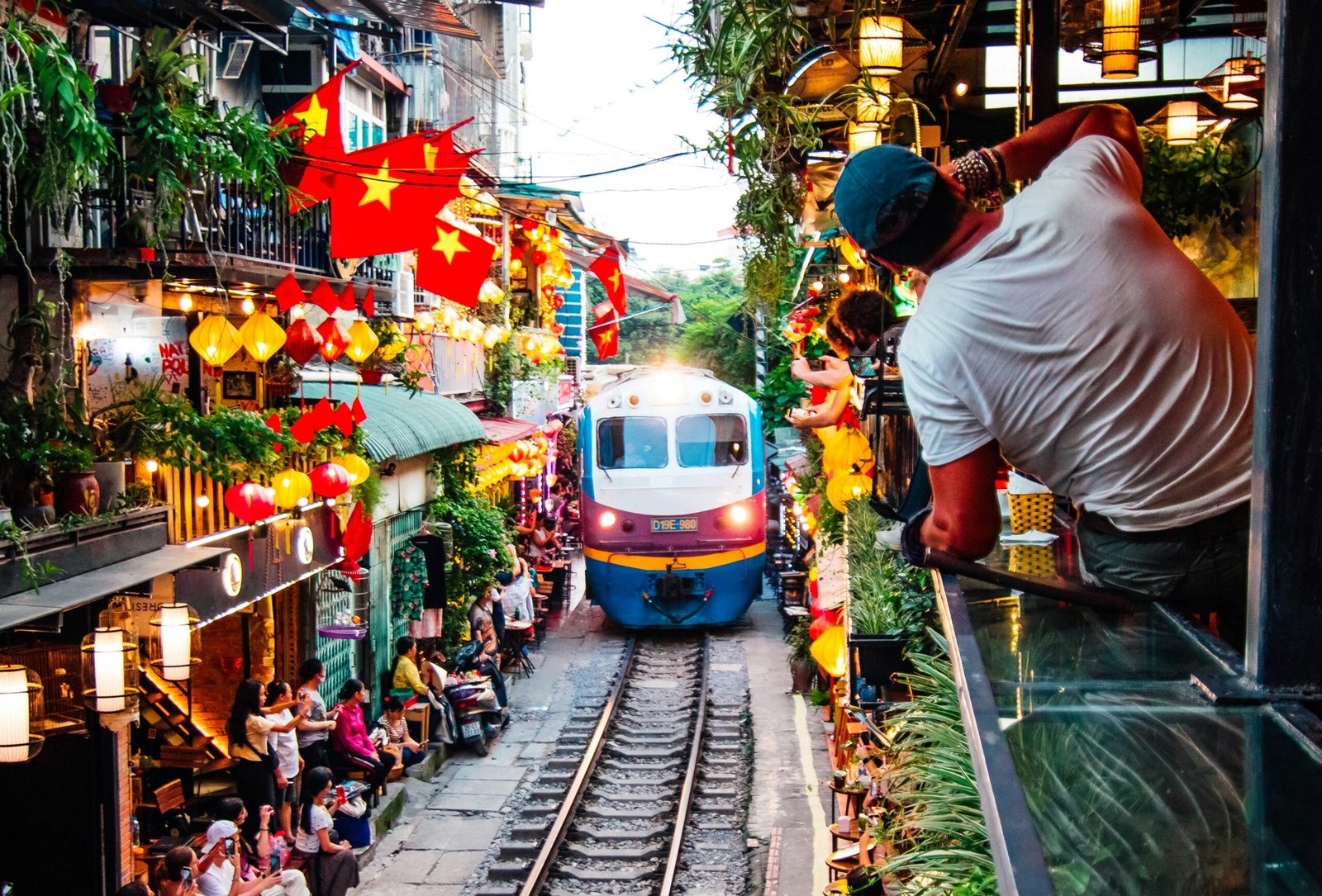
One of Hanoi’s most iconic attractions, Train Street is exactly what it sounds like: a narrow residential lane where trains pass just inches away from homes and cafés. While it has become incredibly popular on social media, experiencing it in person is something else entirely. As the train approaches, café owners quickly fold away tables, locals step inside their homes, and visitors move safely to the side. Within moments, the train rumbles past, creating an unforgettable spectacle before life returns to normal as if nothing happened.
Note: Access to Train Street is sometimes restricted for safety reasons, and train timings can change. If you plan to visit, check the latest schedule with your café or local guide, follow all safety instructions, and only watch the train from designated areas.
FAQs about travelling to Hanoi
1. Is Hanoi expensive?
Not at all. Hanoi is considered one of the most affordable capital cities in Asia. Accommodation, local food, transportation, and sightseeing are all reasonably priced, making it suitable for backpackers as well as luxury travellers.
2. Is Hanoi safe for tourists?
Yes! Hanoi is generally a safe city for travellers, including solo travellers. Like any major city, it’s important to stay aware of your surroundings, keep an eye on your belongings in crowded areas, and avoid carrying large amounts of cash.
Tip: Be extra cautious while crossing roads—the traffic may look intimidating, but vehicles generally flow around pedestrians who cross steadily and predictably.
3. Do Indians need a visa for Vietnam?
Yes, Indian passport holders require a visa to enter Vietnam. Most travellers apply online for an e-visa before departure. Apply at least a week before your trip and carry both digital and printed copies of your visa.
You can easily get your Vietnam visa through Atlys.
4. What currency is used in Hanoi?
The local currency is the Vietnamese Dong (VND).
Although credit cards are accepted at many hotels and larger restaurants, cash is essential for street food stalls, local cafés, markets, and small shops.
5. Can I use credit cards in Hanoi?
Yes, but not everywhere. Hotels, shopping malls, upscale restaurants, and many cafés accept cards, while local eateries and markets usually prefer cash.
Tip: Keep small denomination notes handy for taxis, cafés, and street food.
6. Should I carry cash?
Yes. Carry enough Vietnamese Dong (VND) for daily expenses, especially if you plan on eating at local restaurants, shopping in markets, or using small cafés. ATMs are widely available throughout the city.
If you carry USD/Euro/GBP, you can easily exchange them for VND in gold and silver shops around the Train Street in Hanoi. They usually give the best rates.
7. Can I drink tap water in Hanoi?
No. It’s recommended to drink bottled or filtered water throughout your trip. Most hotels provide complimentary bottled water, and refill stations are becoming increasingly common.
8. Is Hanoi vegetarian-friendly?
Yes. While Vietnamese cuisine includes plenty of meat and seafood, there are also numerous vegetarian and vegan restaurants across the city. Buddhist restaurants often serve delicious plant-based meals. Hanoi Social Club has a great Vegan menu to check out.
9. Is English widely spoken?
English is commonly spoken in hotels, tourist attractions, cafés, and restaurants. However, in local markets and smaller establishments, communication may be more limited.
Downloading Google Translate can be helpful.
10. What should I wear in Hanoi?
Comfortable, lightweight clothing is ideal for most of the year, along with comfortable walking shoes.
If you’re visiting temples or pagodas, wear modest clothing that covers your shoulders and knees. During winter (December to February), pack a light jacket or sweater as temperatures can become surprisingly cool.
11. Can I visit Hanoi on a budget?
Definitely. Hanoi is one of the best destinations in Asia for budget travellers. Affordable accommodation, inexpensive local transport, and delicious street food mean you can experience the city without spending a fortune.
12. Is Hanoi a good destination for solo travellers?
Yes. Hanoi is welcoming, easy to navigate, and packed with hostels, cafés, walking tours, and food experiences that make it easy to meet fellow travellers.
13. What should I buy in Hanoi?
Popular souvenirs include Vietnamese coffee, lacquerware, hand-embroidered textiles, silk scarves, ceramic products, conical hats (nón lá), bamboo handicrafts, postcards and locally made artwork. The Old Quarter and Dong Xuan Market are excellent places to shop. You can also check out the popular brand in Hanoi called ‘Tired City’, which I love!
14. What’s one piece of advice for first-time visitors?
Don’t try to see everything! Hanoi isn’t a city that’s best experienced through a checklist. Slow down, wander through the Old Quarter without a map, stop at a tiny café for an egg coffee, pull up a plastic stool for a bowl of pho, and allow yourself to embrace the city’s beautiful chaos.
Disclaimer: This post contains a few affiliate links. If you happen to click on any of them and make a purchase, I might earn a small commission, at no extra cost to you. Just know that I truly appreciate your support if you choose to do so.
Tags:
Share:



About Me
I travel to collect stories, slowly and meaningfully, with an open heart. I wander a little farther for good food, linger longer to understand a place, and write so I can call it “work.” A slow traveller at heart, I believe in experiences over checklists, in moments that unfold at their own pace, and in connections that stay long after the journey ends.
An absolute foodie and die-hard mountain lover, I find my happiest moments in quiet Himalayan towns with a cup of lemon-honey-ginger tea in hand. Over the years, I’ve had the joy of exploring places across India and beyond, each trip teaching me something new about people, cultures, and myself. When I’m not lost in thought or coffee, you’ll find me exploring the world one destination at a time, always looking for places that make me feel something. I love to read and write (give me a book and I’ll love you all the more) and share honest insights, real photos, and thoughtful recommendations from my own travels, so you can experience every place a little deeper, a little slower, and with just the right touch of comfort.
 Pinterest
  Linkedin
  MuckRack
Exploring The World, One Place At a Time!